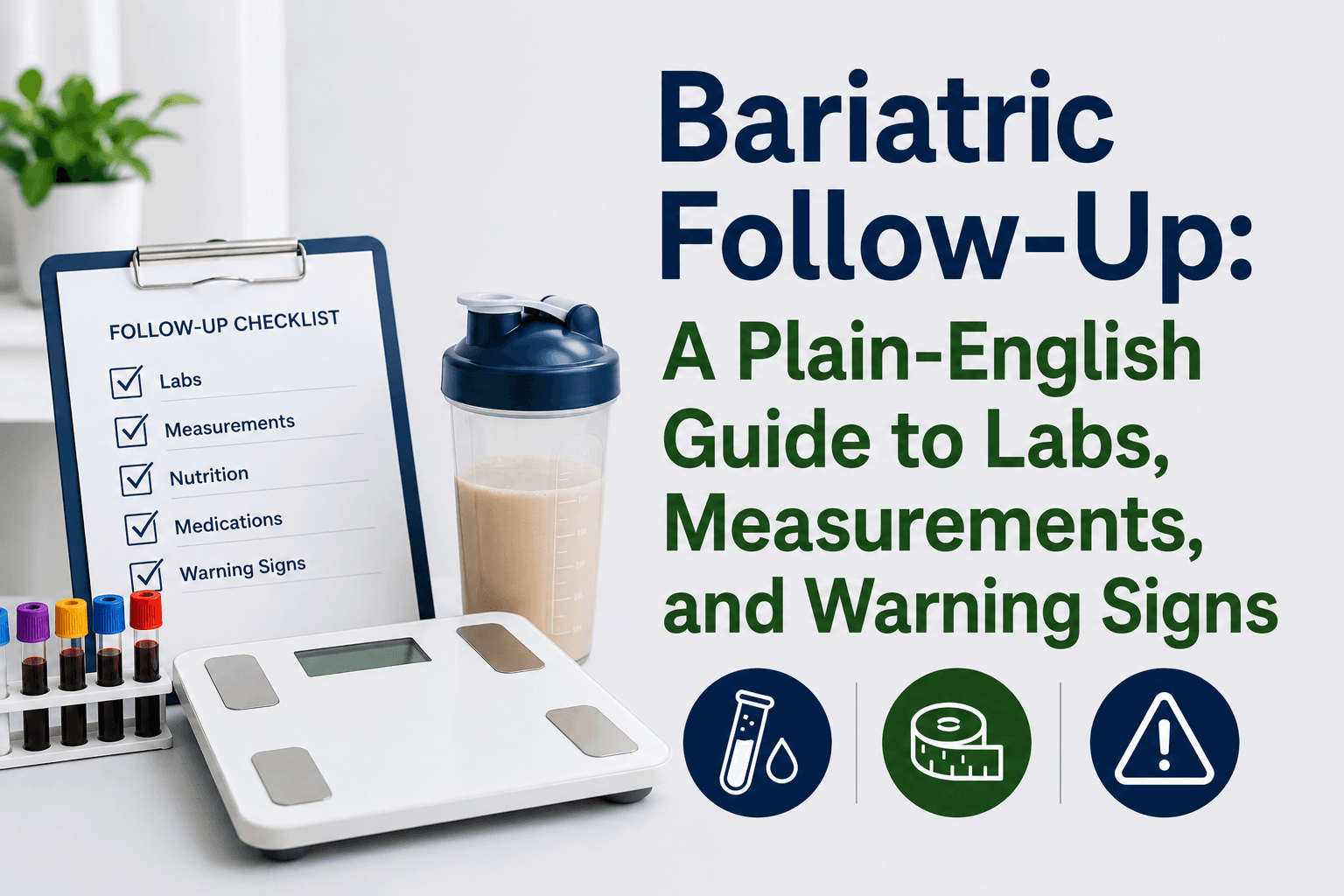
Bariatric surgery can be life-changing, but the work doesn't end in the operating room. Successful long-term outcomes depend heavily on consistent follow-up care and monitoring. Understanding what to expect during your post-surgery care can help you stay on track and catch potential issues early.
Why Follow-Up Care Matters
Weight loss surgery changes how your body processes food and absorbs nutrients. These changes, while beneficial for weight loss, can affect your nutritional status, hormone levels, and overall health. Regular monitoring helps your healthcare team identify and address any complications before they become serious problems.
Research shows that patients who maintain regular follow-up appointments tend to have better weight loss outcomes and fewer long-term complications. This ongoing relationship with your bariatric team is essential for both your physical health and long-term success.
Essential Laboratory Tests
Your healthcare provider will order specific blood tests at regular intervals to monitor various aspects of your health. The frequency and specific tests may vary based on your type of surgery and individual risk factors.
Nutritional Assessment Tests are among the most important. These typically include measurements of vitamin B12, which can become deficient after certain types of bariatric surgery due to changes in stomach acid production and absorption. Folate levels are also monitored, as this B vitamin is important for cell division and DNA synthesis.
Iron studies help detect anemia, which can develop when the part of the small intestine that best absorbs iron is bypassed or when dietary intake is insufficient. Your team will also check vitamin D levels, as deficiency is common and can affect bone health and immune function.
Protein and Albumin Levels indicate whether you're getting adequate protein nutrition. Low levels can signal malnutrition and may require dietary adjustments or supplementation.
Metabolic Monitoring includes blood glucose levels to track diabetes improvement, which is a common benefit of bariatric surgery. Lipid panels measure cholesterol and triglycerides, often showing dramatic improvements post-surgery.
Kidney function tests become important because rapid weight loss can sometimes affect kidney health, and some patients may be at higher risk due to previous diabetes or high blood pressure.
Liver Function Tests help monitor liver health, particularly important since many bariatric patients have had fatty liver disease prior to surgery.
Physical Measurements and Assessments
Beyond laboratory work, your follow-up visits will include various physical measurements and assessments.
Weight and Body Composition tracking goes beyond the number on the scale. Your team will monitor your rate of weight loss to ensure it's proceeding safely and may use tools to assess changes in muscle mass versus fat mass.
Blood Pressure Monitoring is important, as many patients see improvements in hypertension after surgery. Your medications may need adjustment as you lose weight.
Physical Examination includes checking for signs of nutritional deficiencies, such as hair loss, skin changes, or neurological symptoms that might indicate vitamin deficiencies.
Your healthcare provider will also assess your incision sites for proper healing and watch for any signs of complications like hernias, which can develop months or even years after surgery.
Warning Signs to Watch For
While serious complications are relatively rare, knowing what symptoms warrant immediate attention can be lifesaving.
Gastrointestinal Warning Signs include persistent nausea and vomiting, especially if you can't keep fluids down. Severe abdominal pain, particularly if it's sudden or accompanied by fever, requires immediate medical attention.
Changes in bowel habits, such as persistent diarrhea or severe constipation, can indicate digestive issues that need addressing. Black or bloody stools are always concerning and require urgent evaluation.
Nutritional Deficiency Symptoms can develop gradually. Extreme fatigue that doesn't improve with rest might indicate anemia or other nutritional deficiencies. Tingling or numbness in hands or feet could signal B vitamin deficiencies.
Hair loss is common in the first year after surgery due to rapid weight loss and potential protein deficiency, but excessive loss or failure to regrow after the first year may indicate ongoing nutritional issues.
Dumping Syndrome can occur after certain types of bariatric surgery when food moves too quickly from the stomach to the small intestine. Symptoms include nausea, cramping, diarrhea, dizziness, and rapid heartbeat, typically occurring 15-30 minutes after eating, especially sweet or high-fat foods.
Mental Health Considerations
Follow-up care isn't limited to physical health. The psychological aspects of dramatic weight loss and lifestyle changes are significant and require attention.
Some patients experience mood changes, anxiety, or depression as they lose weight. The relationship with food often changes dramatically, and some people struggle with these new dynamics.
Support groups, counseling, and regular check-ins with mental health professionals familiar with bariatric patients can be invaluable parts of your follow-up care plan.
Creating Your Follow-Up Schedule
Most bariatric programs recommend frequent visits in the first year, with appointments typically scheduled at regular intervals during the initial months, then extending to longer intervals as you stabilize.
The first few appointments focus on healing, early complications, and establishing new eating patterns. Later visits shift toward long-term nutritional monitoring, weight maintenance, and addressing any ongoing concerns.
Some patients may need more frequent monitoring based on their individual circumstances, such as pre-existing conditions or complications during recovery.
Partnering with Your Healthcare Team
Successful bariatric follow-up requires active participation from you as the patient. Come prepared to your appointments with questions about any symptoms or concerns you've experienced.
Keep a food diary if recommended, take your supplements as prescribed, and be honest about any challenges you're facing with diet, exercise, or emotional health.
Don't hesitate to contact your bariatric team between scheduled visits if you have concerns. Most programs have protocols for handling urgent questions and can provide guidance on whether a symptom requires immediate attention.
Remember that bariatric surgery is a tool, and like any tool, it works best when used properly and maintained well. Your follow-up care is that maintenance, and it helps your surgery keep benefiting your health for years to come.
If you're considering bariatric surgery or have recently undergone the procedure, discuss your specific follow-up care plan with your surgeon and bariatric team. They can provide personalized guidance based on your type of surgery, health history, and individual needs.