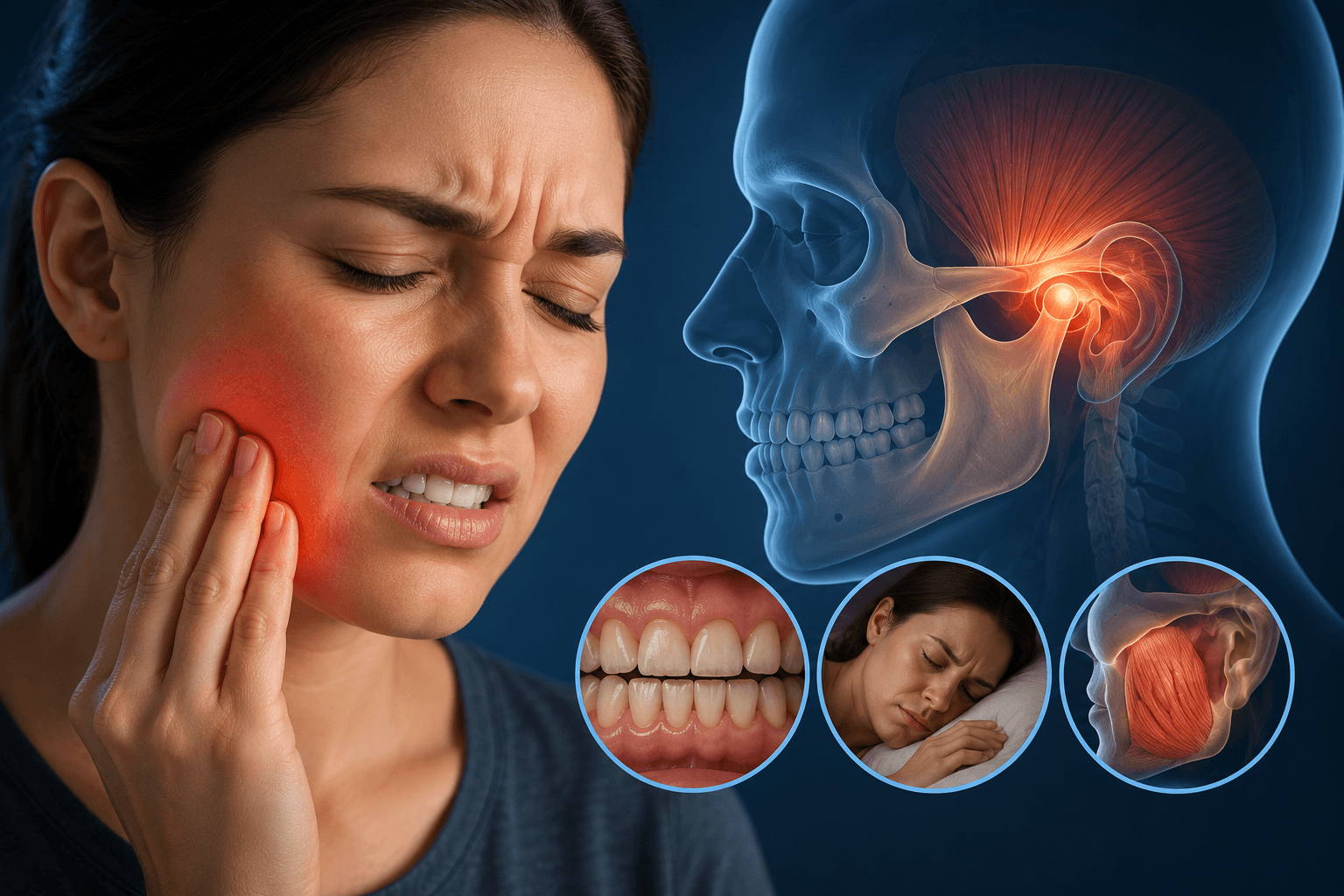
If you wake up with a sore jaw, headache, or sensitive teeth, you might be experiencing bruxism, the grinding, clenching, or gnashing of teeth. Occasional teeth grinding is common and often harmless, but chronic bruxism can lead to serious dental problems and affect your quality of life.
Understanding the signs and causes of bruxism can help you recognize when it's time to seek professional care and take steps to protect your oral health.
What Is Bruxism?
Bruxism is a repetitive muscle activity characterized by clenching or grinding of the teeth and/or by bracing or thrusting of the mandible. This condition can occur during sleep (sleep bruxism) or while awake (awake bruxism), though sleep bruxism is more common and often more destructive.
Sleep bruxism is classified as a sleep-related movement disorder and affects people of all ages, from young children to older adults. Many people who grind their teeth at night are unaware they're doing it until a sleep partner notices the grinding sounds or they develop symptoms.
Awake bruxism, on the other hand, typically involves more clenching than grinding and often occurs during periods of concentration, stress, or physical exertion.
Recognizing the Signs of Bruxism
Because sleep bruxism often goes unnoticed by the person who has it, recognizing the signs matters for early intervention. Common indicators include:
Physical Symptoms
- Jaw pain or soreness, especially upon waking
- Headaches, particularly tension-type headaches in the temples
- Earache without signs of ear infection
- Facial pain or muscle fatigue
- Tooth sensitivity to hot, cold, or sweet foods
- Neck and shoulder tension
- Sleep disruption for you or your sleep partner
Dental Signs
- Worn, flattened, or chipped teeth
- Increased tooth mobility or looseness
- Fractured or broken dental work, such as crowns or fillings
- Scalloped tongue edges from pressing against teeth
- Indentations on the inside of your cheeks
- Gum recession or inflammation
If your sleep partner mentions hearing grinding or clicking sounds during the night, this is often one of the first indicators that you may have sleep bruxism.
Understanding the Causes
Bruxism is considered a multifactorial condition, meaning several factors can contribute to its development. Research has identified various potential causes and risk factors:
Psychological Factors
Stress and anxiety are among the most commonly cited triggers for bruxism. When people experience emotional tension, they may unconsciously clench their jaw muscles or grind their teeth, both during the day and while sleeping. Life changes, work pressure, and relationship difficulties can all contribute to increased bruxism episodes.
Sleep-Related Factors
Sleep bruxism often occurs alongside other sleep disorders. Sleep apnea, in particular, has been associated with increased teeth grinding. The brief awakenings that occur with sleep apnea may trigger grinding episodes. Other sleep disorders, such as snoring and parasomnias, may also increase the risk of bruxism.
Medications and Substances
Certain medications can increase the likelihood of bruxism, particularly:
- Antidepressants, especially selective serotonin reuptake inhibitors (SSRIs)
- Antipsychotic medications
- Stimulant medications used for ADHD
Lifestyle factors such as caffeine consumption, alcohol use, and recreational drug use may also contribute to bruxism episodes.
Medical and Dental Factors
Malocclusion (misaligned teeth or bite) was once thought to be a primary cause of bruxism, but current research suggests the relationship is more complex. While severe bite problems may contribute to grinding, many people with perfect bites still experience bruxism.
Certain medical conditions, including gastroesophageal reflux disease (GERD), Parkinson's disease, and epilepsy, have been associated with increased bruxism risk.
Age and Genetics
Bruxism can occur at any age but often begins in childhood. There appears to be a genetic component, as the condition sometimes runs in families. Sleep bruxism in children often resolves on its own as they grow older.
Potential Complications
While mild bruxism may not cause significant problems, chronic or severe grinding can lead to serious complications:
- Severe tooth wear that may require extensive dental restoration
- Tooth fractures or loss
- Damage to dental work, including crowns, bridges, and implants
- Temporomandibular joint disorders (TMJ), which can cause chronic jaw pain and limited jaw movement
- Changes in facial appearance due to enlarged jaw muscles
- Chronic headaches and facial pain
The financial cost of treating bruxism-related dental damage can be substantial, making early intervention important for both health and economic reasons.
When to See a Dentist
You should consider seeing a dental professional if you experience:
- Persistent jaw pain or muscle soreness
- Frequent morning headaches
- Visible wear on your teeth
- Broken or damaged dental work
- Increased tooth sensitivity
- Sleep disruption due to grinding sounds
- Clicking or popping sounds when opening or closing your mouth
- Difficulty opening your mouth fully
Don't wait until you experience severe symptoms. Early intervention can prevent more serious complications and preserve your oral health.
Professional Evaluation and Treatment Options
When you visit a dentist for suspected bruxism, they will conduct a thorough examination of your teeth, jaw, and surrounding structures. They may also ask about your medical history, medications, sleep patterns, and stress levels.
Treatment approaches for bruxism often involve multiple strategies:
Dental Appliances
Night guards or occlusal splints are custom-fitted devices worn during sleep to protect teeth from grinding damage. While they don't stop the grinding behavior, they can significantly reduce wear on teeth and may help alleviate jaw muscle tension.
Stress Management
Since stress is a major contributor to bruxism, your dentist may recommend stress-reduction techniques or refer you to a counselor. Approaches may include relaxation techniques, meditation, exercise, or cognitive behavioral therapy.
Sleep Hygiene
Improving sleep quality may help reduce sleep bruxism episodes. This can include establishing regular sleep schedules, creating a comfortable sleep environment, and addressing any underlying sleep disorders.
Medical Interventions
In some cases, your dentist may work with your physician to adjust medications that might be contributing to bruxism or to treat underlying conditions such as sleep apnea or GERD.
Self-Care and Prevention
While professional treatment is often necessary for chronic bruxism, there are steps you can take to help manage the condition:
- Practice stress reduction through regular exercise, meditation, or relaxation techniques
- Avoid caffeine and alcohol, especially in the evening
- Establish good sleep hygiene with regular sleep schedules and a comfortable sleep environment
- Be mindful of daytime clenching and consciously relax your jaw muscles
- Apply warm compresses to sore jaw muscles
- Avoid chewing non-food items like pens, pencils, or gum
Moving Forward
Bruxism is a manageable condition when properly diagnosed and treated. If you suspect you may be grinding or clenching your teeth, don't hesitate to discuss your concerns with a dental professional. They can help determine the severity of your condition and develop a treatment plan tailored to your specific needs.
With consistent treatment and good daily habits, most people can limit the effect of bruxism on their teeth and daily life.