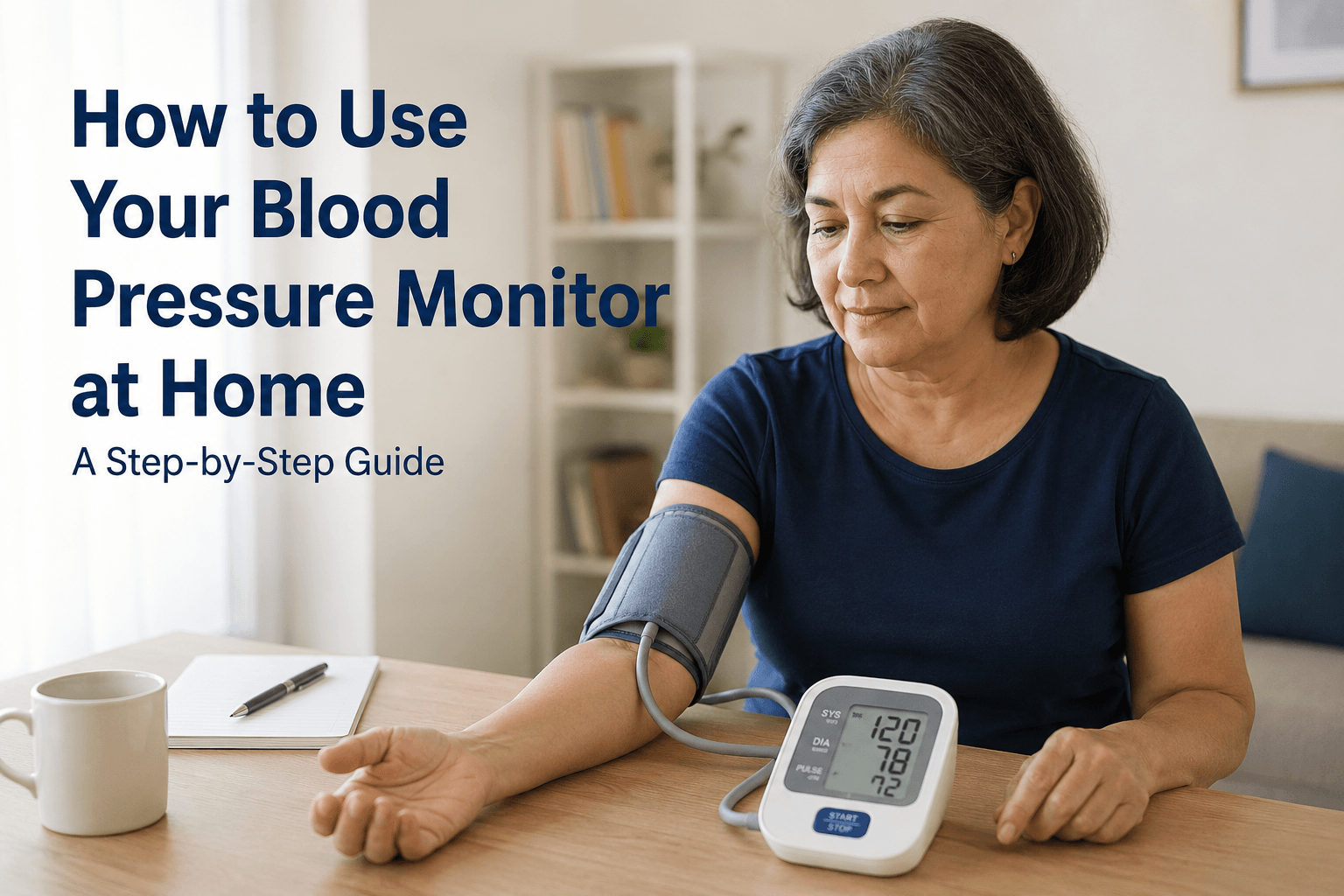
Home blood pressure monitoring is a useful tool for managing cardiovascular health. Done correctly, it gives you and your healthcare provider data to make informed decisions about treatment and lifestyle. But accurate readings depend on proper technique and knowing how your device works.
Choosing the Right Monitor
Before you focus on technique, make sure you have the right equipment. Digital monitors with an upper arm cuff are generally more accurate than wrist or finger monitors. Look for devices validated by medical organizations and consider models that store multiple readings. Cuff size matters: it should cover about 80% of your upper arm circumference. Using an incorrectly sized cuff can lead to readings that are significantly higher or lower than your actual blood pressure.
Preparing for Accurate Readings
Proper preparation begins well before you put on the cuff. Avoid caffeine, exercise, and smoking for at least 30 minutes before measuring. These activities can temporarily elevate your blood pressure and skew your results. Similarly, try to use the bathroom beforehand, as a full bladder can affect your reading.
Create a consistent routine around your measurements. Many healthcare providers recommend taking readings at the same times each day, such as in the morning before medications and in the evening. This consistency helps identify patterns and provides more meaningful data for your healthcare team.
Setting Up Your Environment
Find a quiet, comfortable space where you can sit undisturbed for several minutes. You'll need a chair with back support and a table or surface to rest your arm. The measurement environment should be at a comfortable temperature, as extreme cold or heat can influence blood pressure readings.
Remove any tight-fitting clothing from your upper arm. Rolling up sleeves is fine if the fabric doesn't create a tight band around your arm. Some people find it easier to remove their shirt entirely to ensure nothing interferes with cuff placement.
Proper Body Positioning
Sit with your back supported and feet flat on the floor. Avoid crossing your legs, as this can temporarily raise blood pressure. Rest for at least five minutes in this position before taking your first reading. This lets your cardiovascular system stabilize.
Position your arm at heart level. This typically means resting your forearm on a table or the arm of a chair. If your arm is too low, the reading may be artificially high; if it's too high, the reading may be artificially low. Your palm should be facing upward, and your arm should be relaxed.
Applying the Cuff Correctly
Wrap the cuff around your bare upper arm, about one inch above your elbow crease. The cuff should be snug but not tight. You should be able to slip one finger underneath it. Make sure the cuff's marking aligns with your arm's main artery, which typically runs down the inside of your arm.
Different monitors have slightly different designs, so consult your device's manual for specific guidance. Some cuffs have arrow markings or other indicators to help with proper placement. The bottom edge of the cuff should sit just above your elbow, and the tubing should run down the center of your arm.
Taking the Measurement
Once positioned correctly, remain still and quiet during the measurement. Talking, moving, or even tensing your muscles can affect the reading. Keep your arm relaxed and avoid looking at the display while the measurement is in progress, as anticipation can influence your blood pressure.
Most automatic monitors will inflate the cuff, hold the pressure briefly, then slowly deflate while measuring. This process typically takes one to two minutes. Some people experience mild discomfort as the cuff inflates, but this is normal and temporary.
Understanding Your Results
After the measurement completes, record both numbers, the systolic pressure (top number) and diastolic pressure (bottom number), along with the time and date. Many modern monitors store this information automatically, but keeping a written log can be helpful for healthcare visits.
Take multiple readings during each session, waiting at least one minute between measurements. If the readings vary significantly, take a third measurement and use the average of the two closest readings. Some variation is normal, but large differences might indicate improper technique or equipment issues.
Timing and Frequency
The timing of your measurements can significantly impact results. Blood pressure naturally fluctuates throughout the day, typically being lowest during sleep and highest in late afternoon. Many healthcare providers recommend morning measurements before taking medications and evening measurements before dinner.
For most people monitoring their blood pressure, daily measurements aren't necessary unless specifically recommended by a healthcare provider. Two to three times per week is often sufficient for routine monitoring, though your doctor may suggest more frequent measurements when starting new medications or managing specific conditions.
Common Mistakes to Avoid
Several common errors can compromise reading accuracy. Avoid taking measurements immediately after physical activity, stressful situations, or consuming caffeine. Don't talk during measurements, and resist the urge to repeat a measurement right away if you don't like the first result, which can push readings progressively higher out of anxiety.
Ensure your monitor is calibrated correctly by comparing its readings with those taken by healthcare professionals during routine visits. If there are consistent discrepancies, your device may need recalibration or replacement.
When to Contact Your Healthcare Provider
While home monitoring provides valuable information, it's important to know when to seek professional guidance. Contact your healthcare provider if you consistently get readings much higher or lower than your typical range, if you experience symptoms like dizziness or chest pain during measurements, or if you have questions about your readings or technique.
Remember that home blood pressure monitoring is a tool to supplement, not replace, regular healthcare visits. Your healthcare provider can help interpret your readings in the context of your overall health and adjust treatment plans accordingly.
Accurate home monitoring takes attention to detail and consistent technique, but the payoff is better day-to-day management and more informed decisions with your healthcare team.