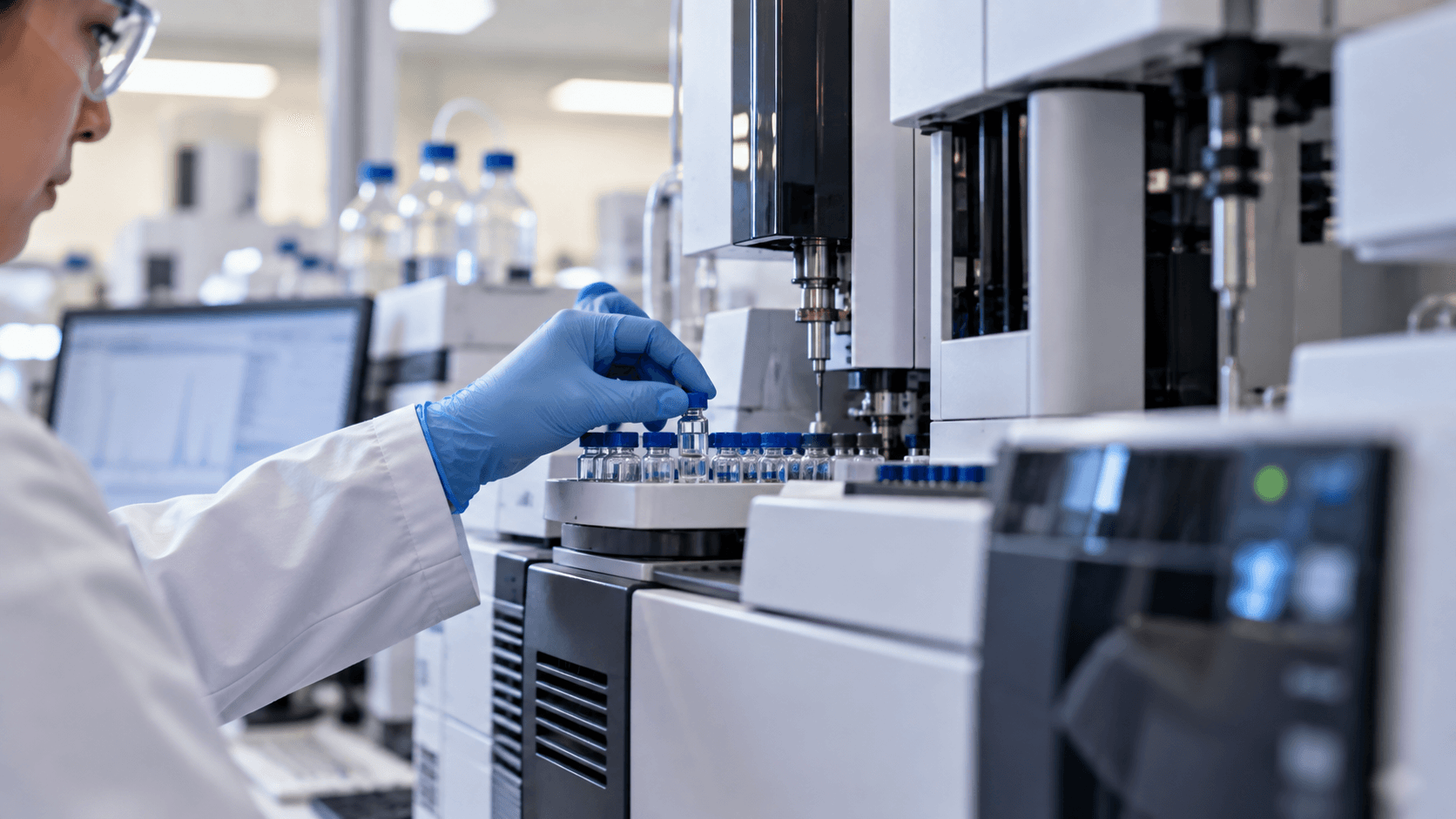
If you have ever received lab results after a routine physical or a visit for an unrelated concern, you may have noticed values related to your liver, red blood cells, or other markers that your doctor flagged in connection with alcohol use. These measurements — often called alcohol biomarkers — are tools clinicians use to understand how alcohol may be affecting your body over time. They are not simple pass-or-fail tests, and understanding what they actually measure can help you have a more informed conversation with your care team.
Why Doctors Test for Alcohol Biomarkers
Alcohol biomarkers serve several purposes in clinical medicine. They can help a clinician assess whether heavy or prolonged alcohol use may be contributing to symptoms, track changes over time as a patient modifies their drinking, or — in some medical and occupational settings — provide objective information about recent alcohol exposure. Because self-reported drinking history can sometimes underestimate actual consumption, biomarkers give clinicians an additional data point alongside the information you share during your visit.
It is important to understand that most alcohol biomarkers do not detect alcohol itself. Instead, they measure the way the body responds to or is changed by alcohol exposure. Some reflect short-term drinking, while others reflect patterns over weeks or months. No single biomarker tells the whole story, which is why doctors typically look at a panel of results together rather than any one value in isolation.
Direct vs. Indirect Biomarkers
Alcohol biomarkers fall into two broad categories:
- Direct biomarkers detect alcohol or specific byproducts of alcohol metabolism in blood, urine, or breath. They reflect very recent use — often within hours to a few days.
- Indirect biomarkers measure changes in organ function or blood cell characteristics that alcohol tends to cause over time. They reflect patterns of heavier use over weeks, months, or longer.
Each type has different strengths and limitations, and clinicians choose which ones to order based on the clinical question they are trying to answer.
Common Direct Biomarkers
Ethanol (Blood or Breath Alcohol)
The most straightforward direct biomarker is ethanol itself, measured in blood or estimated through a breathalyzer. A blood alcohol test tells you the concentration of alcohol in your bloodstream at a specific moment. Ethanol clears the body relatively quickly — generally within several hours, depending on how much was consumed — so this test is most useful in acute situations such as emergency care or certain legal contexts, not for assessing patterns of use over time.
Ethyl Glucuronide (EtG) and Ethyl Sulfate (EtS)
When the body processes alcohol, it produces minor metabolites including ethyl glucuronide (EtG) and ethyl sulfate (EtS). These compounds can be detected in urine for a longer window than ethanol itself — up to several days after drinking, depending on the amount consumed and individual metabolism. They are sometimes used in monitoring programs or treatment settings where confirming recent abstinence is clinically or legally relevant. One important caveat: EtG can occasionally turn up in trace amounts from incidental exposures such as mouthwash or certain foods, so results are always interpreted in context.
Phosphatidylethanol (PEth)
Phosphatidylethanol, or PEth, is a direct biomarker found in red blood cells. It forms specifically when alcohol is present and accumulates with regular or heavy drinking, reflecting consumption over roughly the past three to four weeks. Because it is highly specific to ethanol exposure (meaning incidental sources are unlikely to cause a positive result), PEth is considered a useful marker in settings where accuracy matters, such as transplant evaluations or structured monitoring programs. It is not yet part of routine lab panels but is increasingly available in clinical laboratories.
Common Indirect Biomarkers
Gamma-Glutamyl Transferase (GGT)
GGT is an enzyme produced primarily in the liver. Heavy alcohol use tends to raise GGT levels, making it one of the most commonly elevated values seen in people who drink heavily over time. Your liver produces more GGT in response to alcohol, a process researchers believe reflects increased metabolic demand and some degree of liver cell stress. GGT levels typically begin to fall after a person stops or significantly reduces drinking, often returning toward normal within several weeks — which is also why clinicians sometimes use it to track progress during recovery.
However, GGT is not specific to alcohol. Other liver conditions, certain medications, obesity, and other metabolic factors can also raise it. An elevated GGT alone does not confirm heavy drinking, and a normal GGT does not rule it out.
Alanine Aminotransferase (ALT) and Aspartate Aminotransferase (AST)
These two enzymes — often reported together on a standard metabolic panel — are released into the bloodstream when liver cells are damaged or stressed. Alcohol-related liver injury is one of many causes of elevated ALT and AST. Clinicians sometimes look at the ratio of AST to ALT: a ratio greater than two, particularly when both values are elevated, has historically been associated with alcohol-related liver disease, though this pattern is not definitive on its own. Like GGT, these markers can be elevated for reasons unrelated to alcohol, including nonalcoholic fatty liver disease, viral hepatitis, and certain medications.
Mean Corpuscular Volume (MCV)
MCV is a red blood cell measurement included in a standard complete blood count (CBC). It reflects the average size of red blood cells. Chronic heavy alcohol use can interfere with the bone marrow's normal production of red blood cells and with the metabolism of folate and vitamin B12 — both of which are important for healthy cell production — leading to larger-than-normal red blood cells, a pattern called macrocytosis. An elevated MCV can be a subtle clue that prompts further evaluation. Like other indirect biomarkers, it is not specific: vitamin deficiencies, thyroid conditions, and certain medications can also raise MCV.
Carbohydrate-Deficient Transferrin (CDT)
CDT measures a form of transferrin — an iron-carrying protein — that appears in higher concentrations after sustained heavy drinking over roughly one to two weeks or more. It is considered one of the more specific indirect markers for heavy alcohol use, meaning it is less likely than GGT or liver enzymes to be elevated for unrelated reasons. CDT levels generally return toward a normal range within weeks of reducing or stopping drinking, similar to GGT. Clinicians may use CDT alongside GGT or other markers for a more complete picture, since combining biomarkers tends to improve accuracy compared to relying on any one alone.
How Results Are Interpreted
A single abnormal value rarely tells a clinician everything they need to know. Biomarkers are interpreted in the context of your full medical history, other lab results, reported symptoms, medications, and what you share about your lifestyle. Some people with heavy alcohol use have normal or near-normal biomarker results; others have elevated values driven by factors other than alcohol. This is why these tests are best understood as pieces of a broader clinical conversation rather than definitive verdicts.
If a clinician brings up one of these values with you, the goal is not to judge — it is to understand your health more fully and explore whether any changes might benefit you.
What Happens After an Abnormal Result
If a biomarker comes back outside the normal range and alcohol use is considered a possible contributing factor, your clinician will likely ask about your drinking habits in a non-judgmental way. They may repeat the test after a period of reduced or no alcohol use to see if the value trends downward — a pattern that can help confirm alcohol's role. If liver involvement is suspected, additional imaging or testing may be recommended. Your clinician may also connect you with resources for support if you are finding it difficult to change your drinking habits on your own.
Effective, evidence-based options exist for people who want to cut back or stop drinking, including behavioral therapies, peer support programs, and medications that have been studied in clinical trials. You do not need to wait for an abnormal lab result to have this conversation — and if you already have one, it can be a helpful starting point.
A Note on What These Tests Cannot Do
It is worth being clear about limits. Alcohol biomarkers cannot diagnose alcohol use disorder — that is a clinical diagnosis based on a broader assessment of a person's relationship with alcohol and its impact on their life. These tests cannot tell a clinician exactly how much you drink or prove abstinence with perfect certainty. They are tools, not answers, and they work best as part of an ongoing, trusting relationship with a health care provider.
Talking to Your Doctor
If you receive lab results that include any of the values described in this article, the most important step is to ask your doctor what they mean in your specific case. Bring any questions you have, including what the numbers mean, whether follow-up testing is needed, and what lifestyle changes — if any — might help bring them into a healthier range. Your clinician is your best resource for interpreting results in the context of your whole health picture.
Understanding what your lab work is measuring is the first step toward making those conversations more productive — and toward taking care of your health with clear eyes.