1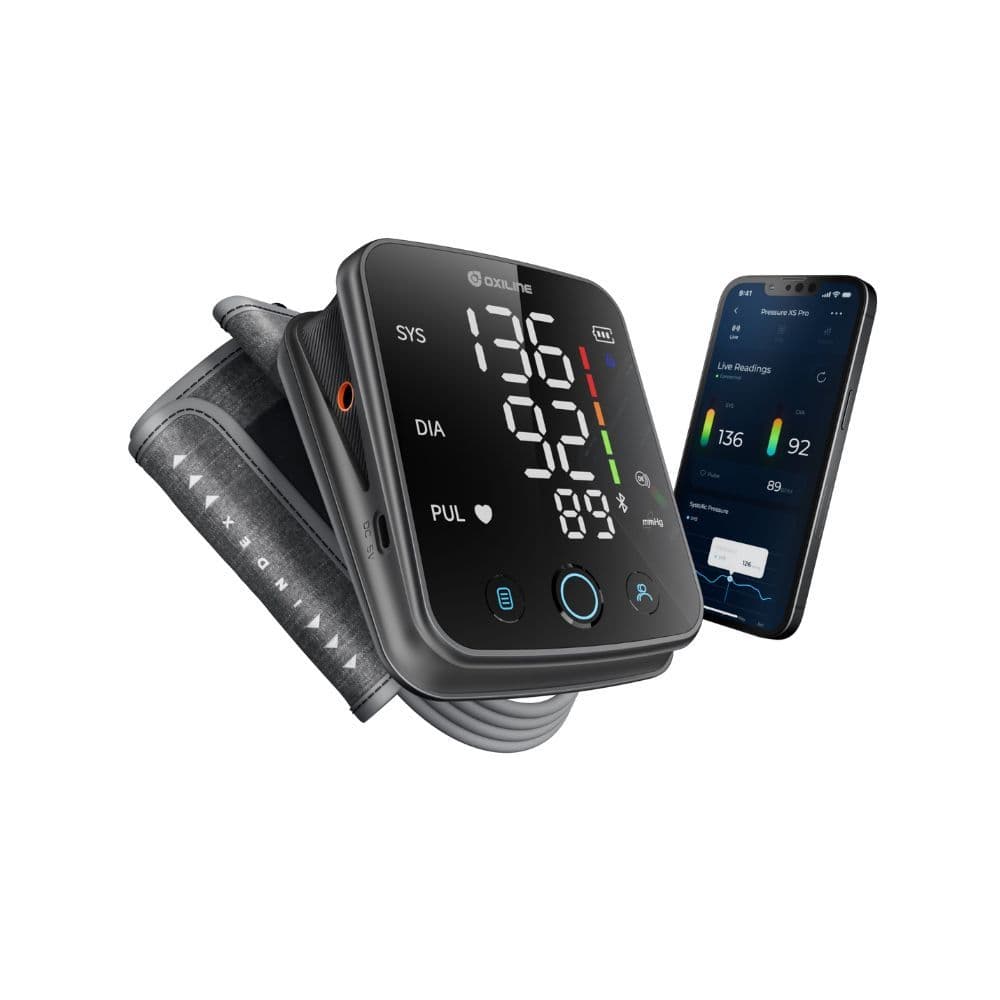
Oxiline Pressure XS Pro
FDA ClearedAAMI StandardConnected
- 98Accuracy
- 96Ease of Use
- 95Cuff Comfort
96/1004.8$99
Side-by-side testing · Blood Pressure Monitors of 2026 — Expert Tested & Ranked
High blood pressure affects roughly 1 in 3 American adults, and only half of them have it under control. Home monitoring is one of the best tools for managing it, since a reading taken in the doctor's office can be thrown off by stress or white-coat syndrome.
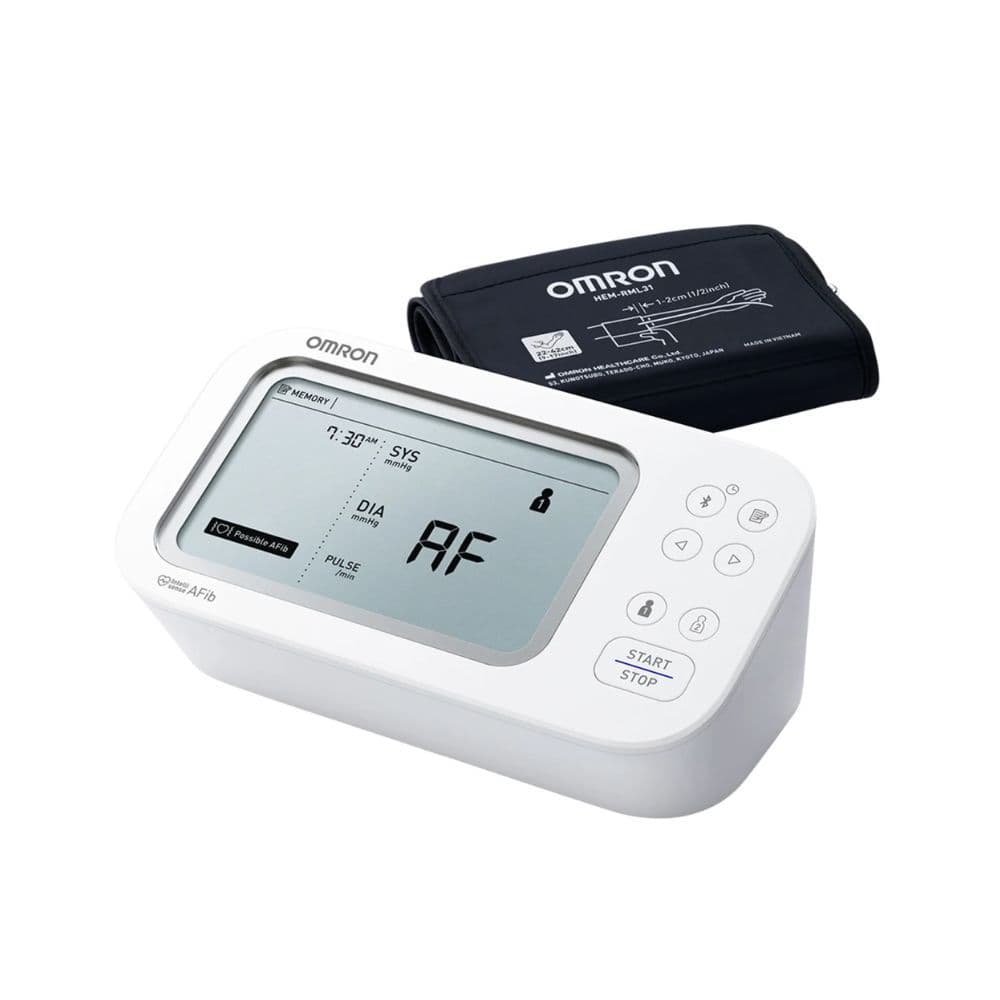
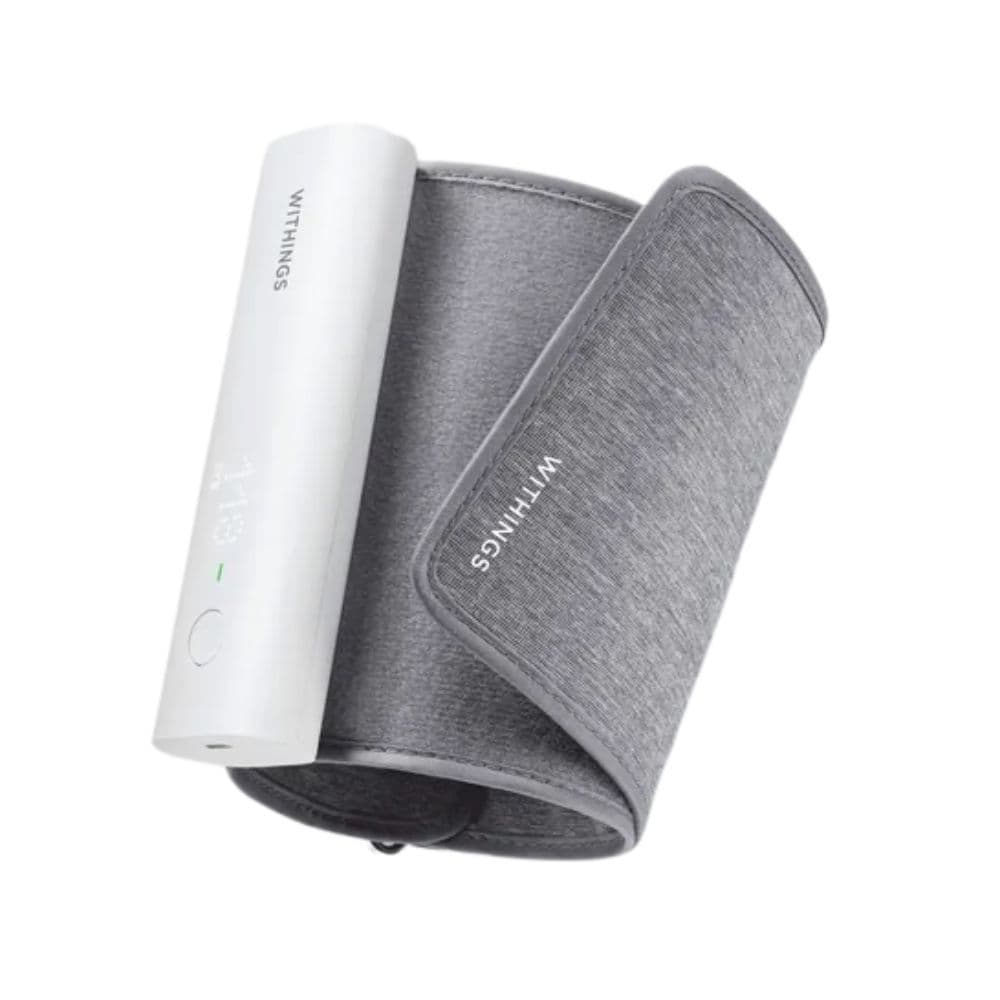
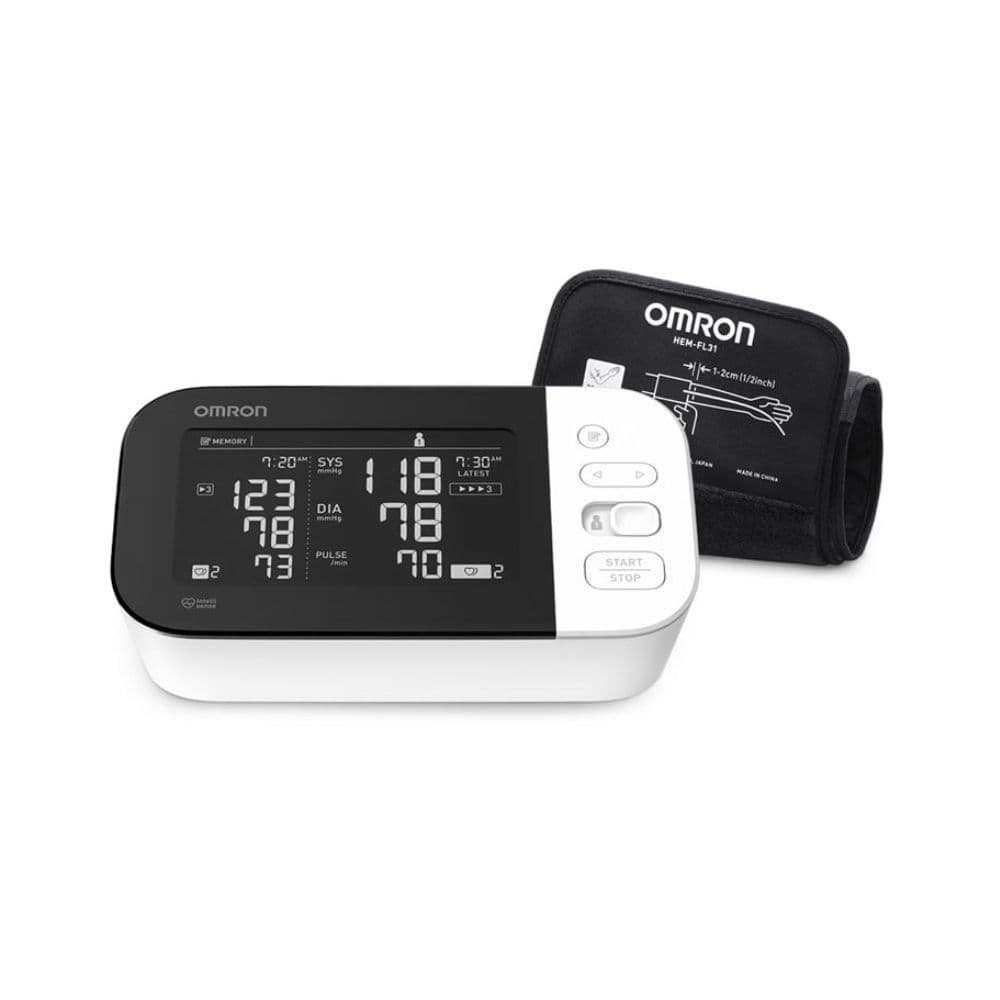
Which model came first on each thing we scored.
Every model scored on the same criteria, out of 100. Best in each row is highlighted.
| Criterion | Oxiline Pressure XS Pro | Omron Gold BP5195 | Withings BPM Connect | Omron Platinum BP5450 | Welch Allyn Home 1700 Series |
|---|---|---|---|---|---|
| Accuracy | 98 | 95 | 93 | 98 | 96 |
| Ease of Use | 96 | 92 | 90 | 95 | 88 |
| Cuff Comfort | 95 | 96 | 88 | 92 | — |
| App & Sync | 94 | 88 | 98 | 90 | — |
| Build Quality | 96 | 87 | 91 | 94 | 90 |
| Display | — | 90 | 92 | 95 | 87 |
| Overall | 96 | 90 | 92 | 96 | 88 |
What each one costs against what it scored. Lower cost per point is better value.
| Model | Price | Overall score | Cost per point |
|---|---|---|---|
| Oxiline Pressure XS Pro | $99 | 96 | $1.03 |
| Omron Gold BP5195 | $69 | 90 | $0.77 |
| Withings BPM Connect | $99 | 92 | $1.08 |
| Omron Platinum BP5450 | $89 | 96 | $0.93 |
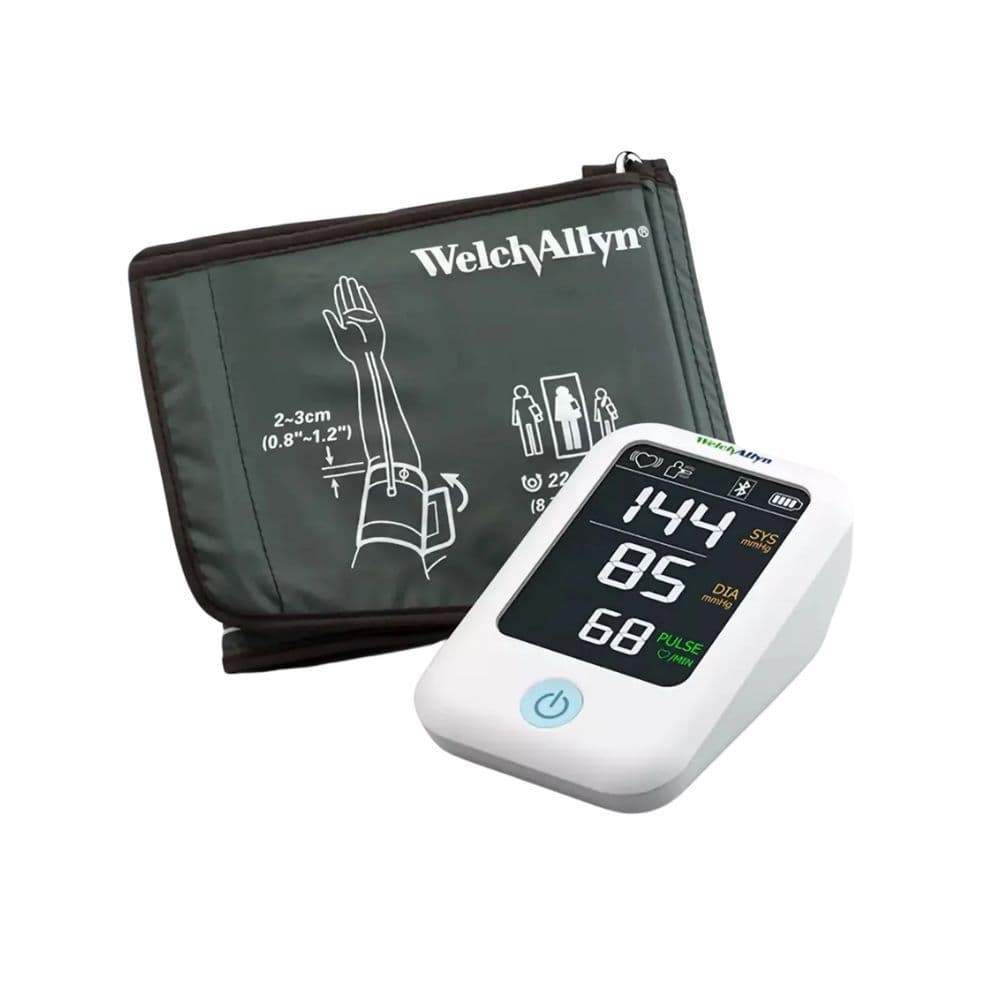
| Welch Allyn Home 1700 Series | $90 | 88 | $1.02 |
| Spec | Oxiline Pressure XS Pro | Omron Gold BP5195 | Withings BPM Connect | Omron Platinum BP5450 | Welch Allyn Home 1700 Series |
|---|---|---|---|---|---|
| Cuff Size | 22–48 cm (8.7"–18.9") — Wide-Range XL | Standard (9–17") | Standard (9–17") | Standard (9–17") | 9"–17" |
| Memory | Unlimited (cloud) + 120 × 2 users on device | 100 × 2 users | Unlimited (cloud) | 200 × 2 users | 60 readings |
| Bluetooth | — | Yes | Yes + Wi-Fi | Yes | No |
| AFib Detection | Yes — 91% sensitivity in testing | No | No | Yes | — |
| Validated | — | AHA / AAMI | AHA / ESH | AHA / ESH / AAMI | — |
| Power | USB-C rechargeable + 4 AAA battery backup | — | — | — | 4 AA |
Our top overall blood pressure monitor. The Oxiline Pressure XS Pro scored 9.6/10 across 8 weeks of testing, with lab-grade accuracy that held up against reference readings. Accuracy data, pros and cons, and our verdict are below.
Top scores across the metrics that matter most — accuracy, build, and ease of use.
Reliable wireless sync, deeper analytics, and integrations with health apps.
Adds richer signals — EKG documentation, physician sharing, or clinical-grade testing.
Solid daily-use performance at the lowest price in our lineup.
Prices checked Sep 10, 2026 and change often — treat them as a guide, not a quote. We may earn a commission from links on this page, which never affects how a product scores.
The American Heart Association recommends taking two readings, one minute apart, twice a day (morning and evening) for at least the first week of monitoring. After that, most people can drop to once a day or a few times a week, depending on their doctor's guidance. If you have diagnosed hypertension and are adjusting medications, your doctor may recommend more frequent monitoring for the first month.
The best FDA-cleared home monitors (like our top picks) match clinical devices within ±3 mmHg — which is the same tolerance used by professional devices. In fact, home readings are often more reliable for long-term tracking because they avoid "white coat syndrome" (temporary BP elevation caused by being in a medical setting). For accuracy: always use a cuff that fits your arm, sit quietly for 5 minutes before measuring, and take the reading at the same time each day.
Upper arm monitors are significantly more accurate and are what the American Heart Association recommends. Wrist monitors can work, but they require precise positioning (wrist at heart level) to be accurate, and small movements cause big errors in the readings. Every monitor on our top 5 list is upper-arm style for this reason.
Measure the circumference of your upper arm with a soft measuring tape (at the widest point). The bladder inside the cuff should cover 80% of that circumference. Our top 5 monitors all support arms 9"–17", which covers most adults. If your arm is outside that range, look for brands like Omron that sell extra-large cuffs separately.
For our top 4 picks, no — all have a display on the device itself that shows your reading immediately. The app is a bonus for tracking trends over time, but you don't need it. The Welch Allyn Home 1700 (#5) is purely standalone — no app or Bluetooth needed. It displays readings on its built-in LCD immediately after measurement.
We don't recommend it. BP monitors drift in accuracy over time, and there's no way to know if a used unit has been recalibrated. The cuffs also degrade — the internal bladder can develop slow leaks that cause incorrect readings without any visible signs. New monitors in our top 5 start at $59, so the savings on a used one rarely justifies the risk.
Every model in this comparison was scored on the same criteria — Accuracy, Ease of Use, Cuff Comfort, App & Sync, Build Quality, Display — using the same tests, so the numbers are directly comparable. Scores are ours; we buy the products we test and no manufacturer sees a review before it publishes.