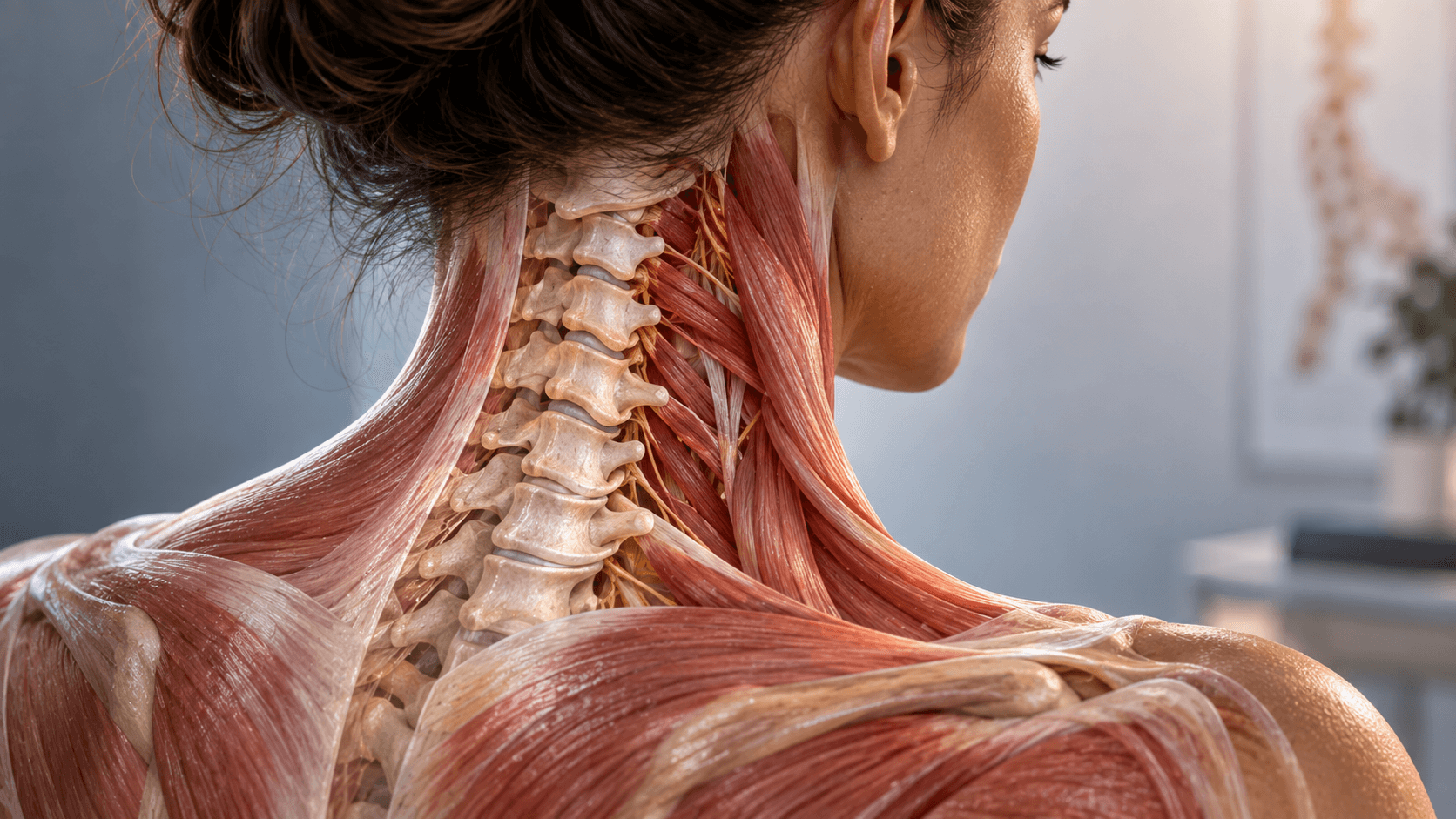
Neck pain is one of the most common musculoskeletal complaints in the United States. Whether it stems from hours of desk work, poor sleep position, muscle tension, or an old injury, the discomfort can range from mildly annoying to truly limiting. It's no surprise, then, that the market for at-home neck pain tools has exploded—you'll find shelves and search results packed with cervical pillows, massage guns, heating pads, traction devices, and more.
The challenge isn't finding a product. It's figuring out which type of tool is worth your time, money, and trust. This guide walks through the most widely used categories, explains what each one is designed to do, and offers a practical framework for comparing your options—all while keeping the bigger picture in mind: these tools support self-care, but they are not substitutes for professional diagnosis or treatment.
First, a Word About Neck Pain Causes
Not all neck pain is alike. Muscle tension and postural strain are among the most common culprits and often respond well to self-care. Cervical disc issues, nerve compression, or joint degeneration are more complex and may require professional evaluation before you experiment with devices at home. Pain that radiates into the arm, causes numbness or tingling, or follows a fall or accident is a signal to see a clinician before trying any at-home tool.
Understanding the rough category your pain falls into helps you match the right type of tool to the right problem—and avoid making things worse.
Heat and Cold Therapy: The Foundational Starting Point
Heat and cold are often the first tools people reach for, and for good reason. Research consistently supports their use for musculoskeletal pain, though they work through different mechanisms.
- Heat increases blood flow to the area, relaxes muscle tension, and can improve tissue flexibility. It tends to work best for chronic stiffness and muscle aches.
- Cold reduces inflammation and numbs acute pain signals. It is generally more appropriate in the first day or two after an injury or flare-up.
When comparing heat products, consider whether you want moist heat (often more penetrating, as from a microwavable wrap) or dry heat (electric heating pads). Look for adjustable temperature settings, auto-shutoff features for safety, and a shape that contours to your neck and shoulders. Avoid falling asleep with a heating pad directly on skin.
Foam Rollers and Massage Balls: Self-Myofascial Release
Foam rollers and massage balls are designed to apply targeted pressure to soft tissue, a technique sometimes called self-myofascial release. The idea, supported by a growing body of sports and rehabilitation science, is that sustained pressure on tight muscle fibers and the surrounding connective tissue can reduce tension and improve range of motion.
For the neck specifically, a massage ball (typically smaller and firmer than a standard foam roller) is often more practical. You can place it between your neck and a wall or the floor, using your body weight to control pressure. Cervical foam rollers—semi-cylindrical or with a central groove for the spine—are designed to let you lie back and gently mobilize the upper back and base of the skull.
When comparing these tools, think about:
- Density and firmness: Softer foam is gentler for beginners or sensitive areas; denser options provide deeper pressure.
- Shape: Contoured designs may target the cervical curve better than flat cylinders.
- Portability: Smaller tools are easier to use at a desk or while traveling.
Use gentle pressure and avoid rolling directly on the vertebrae themselves. If rolling produces sharp pain, stop and consult a clinician.
Massage Guns (Percussive Therapy Devices)
Percussive massage guns have moved from professional training rooms into everyday households. They deliver rapid bursts of pressure into muscle tissue, which some research suggests can temporarily reduce muscle soreness and improve short-term range of motion.
For neck pain, proceed with extra caution. The neck houses major blood vessels, nerves, and delicate vertebral joints. Most physical therapists advise using a massage gun on the muscles of the neck and upper trapezius—not directly over the spine or the sides of the throat. Lower speed and force settings are strongly preferred for this area.
When comparing massage guns:
- Speed and amplitude settings: More options give you greater control; choose one with low-intensity settings if you plan to use it near the neck.
- Attachment heads: Softer, rounded heads are more appropriate for sensitive areas than pointed or rigid tips.
- Noise level: Quieter motors are often a sign of higher-quality engineering and are simply more comfortable to use.
- Weight and grip: Heavier devices become awkward to maneuver around the neck and shoulders on your own.
TENS Units: Electrical Stimulation for Pain Relief
Transcutaneous electrical nerve stimulation, or TENS, uses a small battery-powered device to send mild electrical pulses through the skin via adhesive electrode pads. The most widely accepted explanation for why TENS can reduce pain involves something called the gate control theory: the electrical signals may interfere with pain signals traveling to the brain, and may also encourage the release of endorphins, the body's natural pain-modulating chemicals.
Consumer-grade TENS units are available without a prescription and have a reasonable safety profile for most adults. However, they are not appropriate for everyone. People with pacemakers, implanted metal devices, epilepsy, or who are pregnant should avoid TENS unless cleared by a doctor.
When comparing units:
- Intensity range and modes: More pulse modes (continuous, burst, modulated) give you flexibility to find what works for your pain pattern.
- Ease of electrode placement: For neck pain, look for pre-cut pads designed for the cervical area, or a unit that comes with clear placement guides.
- Battery life and portability: Wearable TENS units that fit under clothing offer more convenience for managing pain throughout the day.
- FDA registration: Look for devices registered with the FDA as Class II medical devices; this indicates a basic level of regulatory oversight.
Cervical Traction Devices
Cervical traction applies a gentle stretching force to the neck with the goal of relieving pressure on compressed discs or nerve roots and temporarily increasing the space between vertebrae. It has a longer history of use in physical therapy clinics, and some over-the-door or inflatable versions are marketed for home use.
This is a category where professional guidance matters most. Traction is not appropriate for all causes of neck pain—in some conditions, applying traction without proper technique or without knowing your diagnosis could be harmful. If a clinician has already recommended cervical traction as part of your treatment plan, a home device may be a reasonable extension of that care. If you're considering it on your own without a prior evaluation, talk to a physical therapist or physician first.
If you've been given the go-ahead, compare devices on:
- Type: Over-the-door traction harnesses, supine (lying down) devices, and inflatable collars each apply force differently and suit different users.
- Adjustability: The ability to control the degree of traction precisely is important for safety and comfort.
- Ease of setup: Overly complicated setups reduce the chance you'll use the device correctly or consistently.
Ergonomic and Supportive Accessories: Prevention as Part of the Picture
Strictly speaking, ergonomic tools—cervical pillows, laptop stands, monitor risers, lumbar supports—are not pain treatment devices. But they deserve mention because postural mechanics are often a root cause of neck tension, and addressing that can be as important as relieving symptoms after they appear.
A cervical pillow that maintains the natural curve of your neck during sleep may reduce morning stiffness. A monitor at eye level prevents the forward head posture that loads the cervical spine. These aren't glamorous, but they are foundational.
A Framework for Comparing Any Neck Pain Tool
Whatever category you're shopping in, these questions can help you evaluate any product:
- What mechanism does it use, and does evidence support that mechanism for neck pain? A product doesn't need to have been tested in a large clinical trial, but the underlying principle (heat, electrical stimulation, soft tissue pressure) should have some scientific rationale.
- Is it appropriate for my specific situation? Age, diagnosis, other health conditions, and medications all affect which tools are safe for you.
- What do professional guidelines say? Physical therapy associations and pain medicine organizations sometimes publish guidance on self-care tools worth checking.
- Are there safety cautions I should know about? Reputable products will list contraindications clearly.
- Can I try before committing to a high price? Some tools—especially premium massage guns or traction devices—are expensive. Look for return policies or lower-cost starting options.
When to Stop Self-Treating and See a Clinician
At-home tools can be genuinely helpful for mild to moderate muscle tension and stiffness. But certain patterns of neck pain need professional attention:
- Pain that radiates into one or both arms, or is accompanied by numbness, tingling, or weakness
- Neck pain after a trauma, fall, or car accident
- Pain that is severe, worsening over weeks, or not improving with reasonable self-care
- Neck pain accompanied by fever, unexplained weight loss, or difficulty swallowing
- Any situation where you're unsure of the cause
Self-care tools work best as part of a broader plan—ideally one developed with a physical therapist, chiropractor, or physician who knows your history.
The right at-home tool won't be the same for everyone. But with a clear sense of what different device categories are designed to do—and an honest assessment of your own situation—you're in a much better position to choose thoughtfully, use safely, and know when it's time to ask for more help.