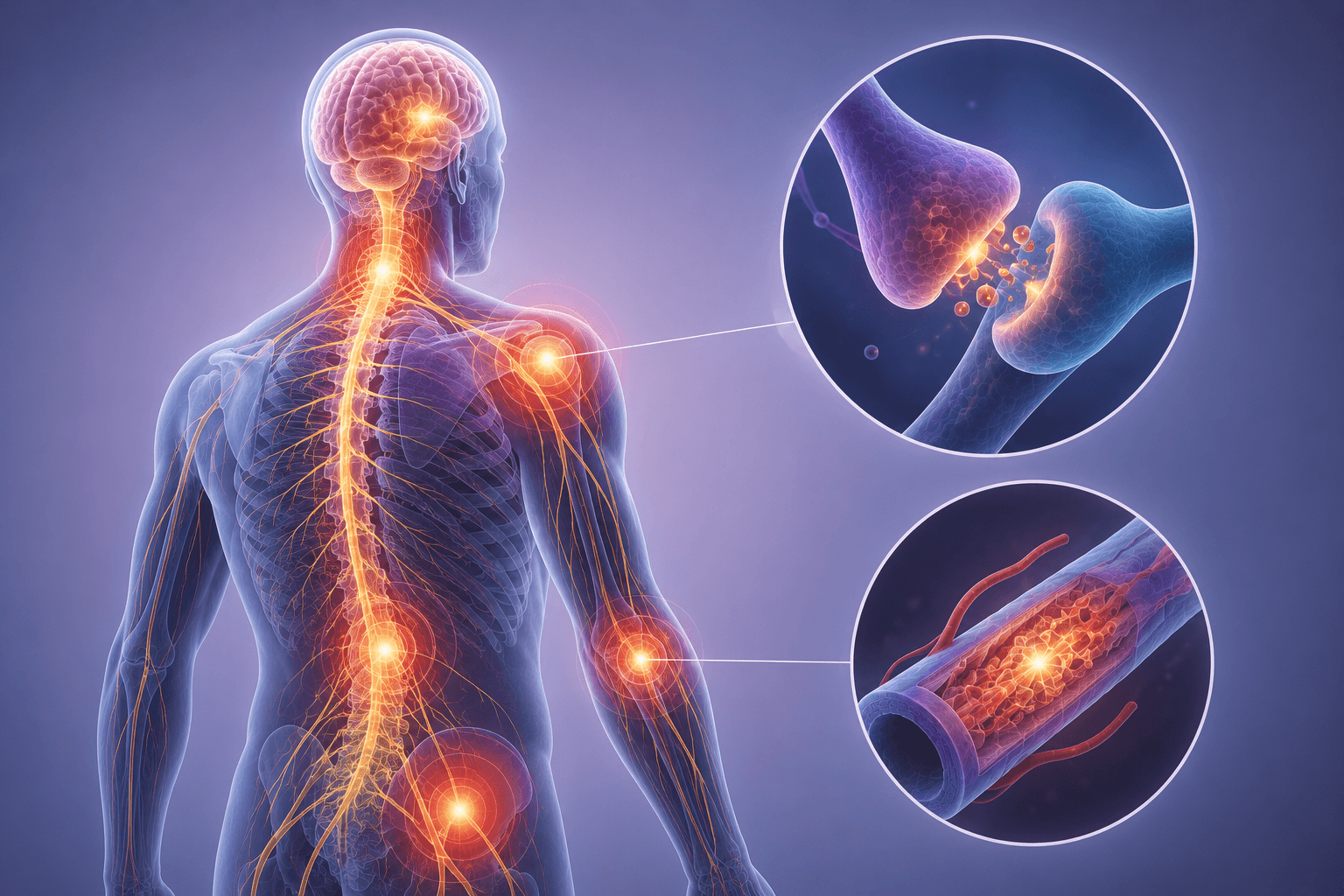
Living with pain that persists for weeks, months, or even years can affect every part of daily life. Chronic pain affects millions of Americans, yet it is often misunderstood and undertreated. Unlike acute pain, which is a warning signal for injury, chronic pain can continue long after the original cause has healed, or it can appear without any clear underlying injury at all.
Understanding chronic pain, recognizing its patterns, and knowing when to seek help can be the first steps toward finding relief and reclaiming your quality of life.
What Makes Pain Chronic?
Medical professionals typically define chronic pain as pain that lasts longer than three to six months, though some conditions may be considered chronic sooner. This timeframe distinguishes it from acute pain, which is the body's normal response to injury or illness and usually resolves as healing occurs.
Chronic pain can develop through several pathways. Sometimes it begins as acute pain from an injury, surgery, or illness but persists well beyond the expected healing time. In other cases, ongoing medical conditions like arthritis or diabetes cause continuous pain. Perhaps most puzzling are instances where chronic pain develops without any identifiable tissue damage or injury, which researchers believe involves changes in how the nervous system processes pain signals.
The experience of chronic pain is highly individual. Some people describe constant, dull aching, while others experience sharp, shooting sensations that come and go. The intensity can fluctuate throughout the day or remain steady, and the pain may be localized to one area or spread throughout the body.
Common Types and Symptoms
Chronic pain comes in many forms, each with distinct characteristics. Low back pain is one of the most common, affecting the muscles, bones, nerves, or other structures in the spine. It may feel like a constant ache or sudden, sharp spasms that limit movement and daily activities.
Arthritis-related joint pain typically involves stiffness, swelling, and aching that may worsen with weather changes or after periods of inactivity. The pain often affects multiple joints and can interfere with simple tasks like opening jars or climbing stairs.
Neuropathic pain results from nerve damage or dysfunction and often produces unusual sensations. People frequently describe burning, tingling, shooting, or electric-like pain. This type commonly occurs in conditions like diabetic neuropathy or after certain infections like shingles.
Headache disorders, including migraines and tension headaches, can become chronic when they occur frequently over extended periods. These may involve throbbing, pressure-like sensations, or sharp pain, often accompanied by sensitivity to light or sound.
Fibromyalgia causes widespread muscle pain and tenderness, typically accompanied by fatigue, sleep problems, and difficulty concentrating. The pain is often described as a constant dull ache affecting multiple areas of the body.
Beyond the physical sensations, chronic pain frequently brings additional symptoms that can be equally challenging. Many people experience sleep disturbances, as pain makes it difficult to fall asleep or stay asleep throughout the night. Fatigue often follows, creating a cycle where exhaustion makes pain harder to cope with, while pain prevents restorative sleep.
Mood changes are also common, including feelings of frustration, anxiety, or depression. These emotional responses are understandable given the daily challenges chronic pain presents, and research suggests that pain and mood share common pathways in the brain.
Understanding Pain Triggers
Identifying what makes chronic pain worse, or better, can help with management. Physical triggers often include specific movements, prolonged sitting or standing, heavy lifting, or certain positions. Weather changes, particularly drops in barometric pressure, seem to intensify pain for many people, though researchers are still studying why.
Stress is a significant trigger for many chronic pain conditions. During stressful periods, the body releases hormones that can increase inflammation and heighten pain sensitivity. This creates another cycle where pain causes stress, and stress worsens pain.
Sleep problems can both trigger and result from chronic pain. Poor sleep quality may lower pain tolerance, making existing pain feel more intense. Disrupted sleep patterns can also affect the body's natural pain-fighting mechanisms.
Dietary factors may influence certain types of chronic pain. Some people notice that inflammatory foods, excessive caffeine, or alcohol can worsen their symptoms, while others find that certain foods help reduce inflammation and pain.
Activity levels present a complex trigger pattern. While complete rest might seem logical for pain relief, prolonged inactivity often worsens chronic pain conditions and can lead to muscle weakness and stiffness. Conversely, overexertion can also trigger pain flares. Finding the right balance of activity is often central to pain management.
The Impact Beyond Physical Pain
Chronic pain reaches beyond physical discomfort into many parts of life. Work performance may suffer due to difficulty concentrating, frequent absences, or limitations in physical tasks. Some people find they need to change careers or reduce work hours, leading to financial stress and loss of professional identity.
Relationships can become strained when chronic pain limits social activities or causes mood changes. Family members and friends may struggle to understand invisible pain, particularly when it fluctuates or when someone looks well despite feeling terrible.
Simple daily activities like grocery shopping, household chores, or personal care may become challenging. This loss of independence can be particularly difficult to accept and may contribute to feelings of frustration or depression.
The unpredictable nature of many chronic pain conditions adds another layer of difficulty. Not knowing when pain might flare or subside makes planning activities challenging and can create anxiety about future pain episodes.
When to Seek Medical Help
Knowing when to consult a healthcare provider about pain can prevent chronic conditions from developing or worsening. If pain persists beyond the expected healing time for an injury, typically a few weeks to a couple of months, it's worth discussing with a medical professional.
Certain warning signs warrant immediate medical attention. These include pain accompanied by fever, significant weakness or numbness, loss of bowel or bladder control, or pain following a serious injury or accident. Severe headaches that develop suddenly or differ significantly from previous headaches also require prompt evaluation.
For existing chronic pain, seek additional help if symptoms significantly worsen, if new symptoms develop, or if current treatments stop working effectively. Changes in pain patterns, such as pain spreading to new areas or taking on different characteristics, should also be evaluated.
Don't wait to seek help if chronic pain begins significantly impacting your daily life, work, relationships, or mental health. Early intervention often leads to better outcomes and may prevent pain conditions from becoming more complex or difficult to treat.
Building Your Healthcare Team
Managing chronic pain often requires a team approach involving various healthcare professionals. Primary care physicians typically provide initial evaluation and coordinate care, while specialists like rheumatologists, neurologists, or orthopedists may address specific underlying conditions.
Pain management specialists focus specifically on chronic pain conditions and offer various treatment approaches. Physical therapists can help improve movement and strength while teaching pain management techniques. Mental health professionals can help with coping strategies and the emotional side of chronic pain.
When preparing for medical appointments, keep a pain diary noting pain levels, triggers, activities that help or worsen pain, and medication effects. This information helps healthcare providers understand your specific pain patterns and develop more effective treatment plans.
Treatment Options and Outlook
Chronic pain presents real challenges, but many treatment options and management strategies can improve quality of life. These may include medications, physical therapy, psychological counseling, alternative treatments, and lifestyle changes. Most people need to find the right combination for their situation.
Research into chronic pain continues advancing, with new understanding of pain mechanisms leading to new treatments. Many people with chronic pain find meaningful improvement in their symptoms and daily functioning with appropriate care and support.
Chronic pain is a legitimate medical condition that deserves proper attention and treatment. If you're living with persistent pain, don't hesitate to seek help from healthcare professionals who can work with you on a management plan tailored to your needs.