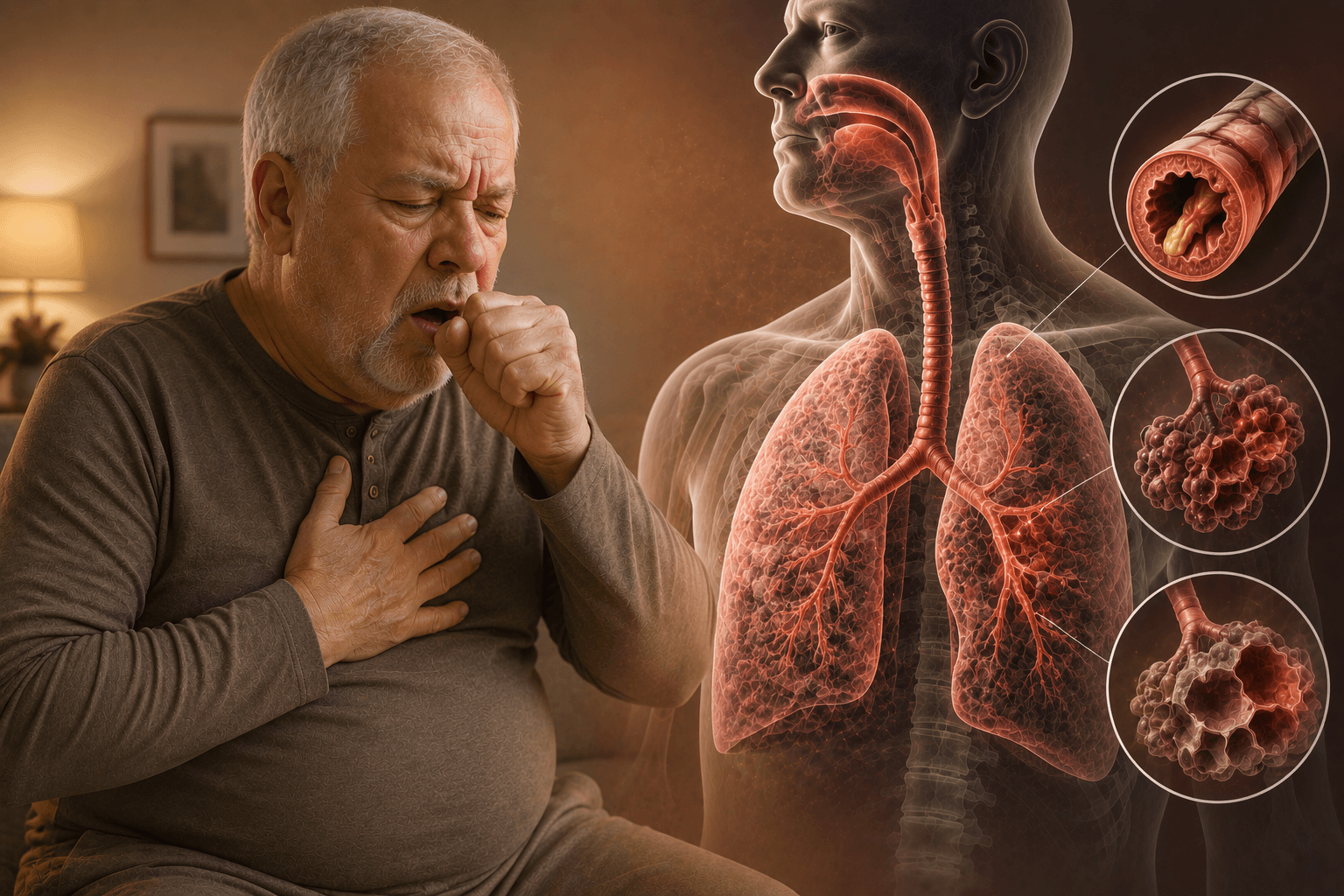
Chronic obstructive pulmonary disease (COPD) affects millions of Americans, yet many people don't recognize the early warning signs or understand when breathing changes warrant medical attention. This progressive lung condition makes it increasingly difficult to breathe, but with proper awareness and management, people with COPD can maintain their quality of life and slow the disease's progression.
Understanding COPD
COPD is an umbrella term for several lung conditions that obstruct airflow and make breathing difficult. The two main types are chronic bronchitis, which involves long-term inflammation of the airways, and emphysema, which damages the air sacs in the lungs. Most people with COPD have elements of both conditions.
The disease develops gradually, often over many years. The airways and air sacs lose their elasticity, the walls between air sacs become destroyed, airway walls become thick and inflamed, and the airways produce more mucus than usual. These changes reduce the lungs' ability to exchange oxygen and carbon dioxide effectively.
Recognizing Early Symptoms
COPD symptoms often develop slowly and get dismissed as normal aging or being out of shape. Spotting these early signs matters for timely diagnosis and treatment:
- Persistent cough: Often the first symptom, this cough may produce clear, white, yellow, or greenish mucus and typically worsens in the morning
- Shortness of breath: Initially noticeable during physical activity, this symptom gradually worsens and may eventually occur during rest
- Wheezing: A whistling or squeaky sound when breathing, particularly during exhalation
- Chest tightness: A feeling of pressure or constriction in the chest
- Frequent respiratory infections: Colds, flu, and other respiratory illnesses that seem to occur more often or last longer than usual
Many people adapt their activities to avoid triggering these symptoms, which can delay diagnosis. If you find yourself avoiding stairs, walking more slowly, or taking frequent breaks during activities you once did easily, these changes may signal developing COPD.
Advanced Symptoms
As COPD progresses, symptoms become more severe and frequent:
- Fatigue: Feeling tired even after minimal exertion, as the body works harder to breathe
- Swelling: Particularly in the ankles, feet, or legs, which may indicate the heart is working harder to pump blood through damaged lungs
- Weight loss: Unintentional weight loss can occur as breathing requires more energy
- Reduced exercise tolerance: Increasing difficulty performing daily activities
Common COPD Triggers
Understanding what can worsen COPD symptoms helps people manage their condition more effectively. Common triggers include:
Environmental Factors
- Air pollution: Outdoor pollution from traffic, industrial emissions, and particulate matter can irritate already sensitive airways
- Indoor air quality: Dust, pet dander, strong fragrances, cleaning products, and cooking fumes
- Weather changes: Cold air, high humidity, or sudden temperature changes can trigger symptoms
- Smoke exposure: Both active smoking and secondhand smoke are major triggers
Health-Related Triggers
- Respiratory infections: Colds, flu, pneumonia, and other respiratory illnesses can cause COPD flare-ups
- Stress and anxiety: Emotional stress can worsen breathing difficulties and trigger symptoms
- Certain medications: Some drugs, including beta-blockers and certain pain medications, may affect breathing
- Acid reflux: Gastroesophageal reflux disease (GERD) can worsen COPD symptoms
When to Seek Medical Care
Knowing when breathing changes need medical attention can prevent serious complications.
Schedule a Regular Appointment If:
- You have a persistent cough that lasts more than a few weeks
- You're experiencing increasing shortness of breath during normal activities
- You're producing more mucus than usual or notice changes in mucus color
- You have a family history of COPD and are experiencing respiratory symptoms
- You're a current or former smoker noticing breathing changes
Seek Immediate Medical Attention For:
- Sudden, severe shortness of breath: Especially if it occurs at rest or disrupts sleep
- Chest pain: Any chest pain, particularly if accompanied by breathing difficulties
- High fever: Temperature above 101°F (38.3°C) with respiratory symptoms
- Rapid heartbeat: Heart rate that seems unusually fast or irregular
- Confusion or difficulty concentrating: These may indicate low oxygen levels
- Blue lips or fingernails: This suggests insufficient oxygen in the blood
- Severe fatigue: Extreme tiredness that interferes with daily activities
Emergency Situations
Call 911 immediately if you experience:
- Severe difficulty breathing that prevents you from speaking
- Chest pain that's severe or crushing
- Signs of respiratory failure, including extreme confusion, loss of consciousness, or blue skin color
- Symptoms of a heart attack, which can include chest pain, arm pain, jaw pain, or severe shortness of breath
Working with Healthcare Providers
If you suspect you might have COPD, prepare for your medical appointment by:
- Keeping a symptom diary noting when symptoms occur and potential triggers
- Listing all medications and supplements you take
- Preparing questions about your symptoms and concerns
- Bringing information about your smoking history, occupational exposures, and family medical history
Healthcare providers typically diagnose COPD using pulmonary function tests, which measure how much air your lungs can hold and how quickly you can exhale. These tests help determine the severity of the condition and guide treatment decisions.
The Importance of Early Detection
Early diagnosis and treatment of COPD can significantly impact the disease's progression. While COPD cannot be cured, proper management can help slow its advancement, reduce symptoms, and improve quality of life. Treatment options may include medications, pulmonary rehabilitation, lifestyle changes, and in severe cases, oxygen therapy or surgical interventions.
Many people live full, active lives with COPD when they understand their condition and work closely with their healthcare team to manage symptoms and avoid triggers.
If you have persistent respiratory symptoms or notice changes in your breathing, talk with a healthcare provider. Early intervention and proper management can make a substantial difference in your health and quality of life with COPD.