Heart failure, sometimes called congestive heart failure or CHF, does not mean the heart has stopped working. It means the heart is not pumping blood as well as the body needs. This can lead to fluid buildup, shortness of breath, fatigue, swelling, and difficulty with daily activities.
Not every case of heart failure can be prevented. Some causes are related to genetics, prior heart damage, infections, valve disease, cancer treatments, or other medical conditions. But many major risk factors can be managed earlier, especially high blood pressure, coronary artery disease, diabetes, obesity, sleep apnea, smoking, and unhealthy lifestyle patterns.
Heart failure prevention is not one habit or one test. It is a checklist: know your risk factors, monitor key numbers, use heart-healthy home habits, take medications as prescribed, get screening when appropriate, and follow up when symptoms change.
What Is Heart Failure?
Heart failure is a long-term condition in which the heart cannot pump enough blood and oxygen to meet the body's needs. It may affect the left side, right side, or both sides of the heart. Some people have a weakened heart muscle. Others have a heart that becomes stiff and does not fill normally.
Common symptoms can include shortness of breath, fatigue, swelling in the feet, ankles, legs, or abdomen, rapid weight gain from fluid, coughing or wheezing, reduced ability to exercise, fast heartbeat, and needing to sleep propped up because breathing feels worse lying flat.
The CDC lists coronary artery disease, heart attacks, diabetes, high blood pressure, and obesity as medical conditions that can increase heart failure risk. NHLBI also notes that heart failure may not cause symptoms right away, which is why risk-factor control and follow-up matter.
Checklist Step 1: Control Blood Pressure
High blood pressure is one of the most important heart failure risk factors. When pressure stays high, the heart has to work harder. Over time, this can thicken, stiffen, or weaken the heart muscle and strain blood vessels, kidneys, and other organs.
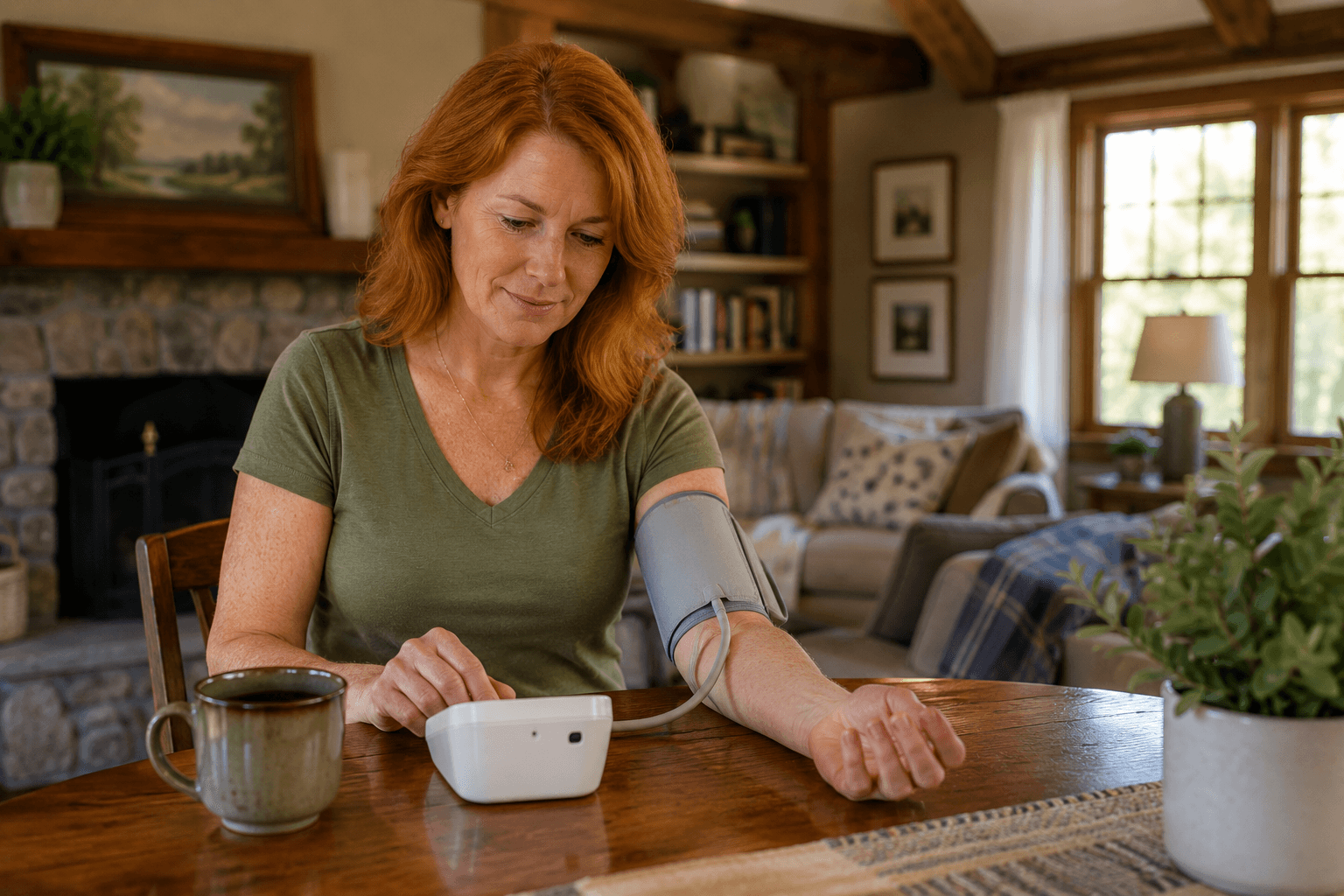
Home blood pressure monitoring can help identify patterns between office visits. Use the correct cuff size, sit quietly before measuring, keep your feet flat on the floor, support your arm at heart level, and bring your readings to appointments.
NHLBI states that controlling or lowering high blood pressure can help prevent or delay serious health problems, including heart failure, heart attack, stroke, chronic kidney disease, and vascular dementia.
Checklist Step 2: Manage Cholesterol and Coronary Artery Disease Risk
Coronary artery disease is a major cause of heart failure. It happens when plaque builds up in the arteries that supply blood to the heart. If blood flow is reduced or blocked, the heart muscle can be damaged, especially after a heart attack.
A heart failure prevention plan should include cholesterol screening, blood pressure control, tobacco avoidance, diabetes management, physical activity, heart-healthy eating, and medication when prescribed.
The CDC describes coronary artery disease as plaque buildup that can block blood supply to the heart, and it notes that cardiac rehabilitation can be important after heart attack, heart failure, or other heart problems that required surgery or medical care.
Checklist Step 3: Keep Diabetes and Blood Sugar in Range
Diabetes can increase the risk of heart disease and heart failure. High blood sugar can damage blood vessels and nerves that control the heart and blood vessels. Diabetes also often occurs with high blood pressure, high cholesterol, kidney disease, and excess weight.
If you have diabetes or prediabetes, ask your healthcare provider how often to check A1C, fasting glucose, kidney function, cholesterol, blood pressure, and urine albumin. These numbers can help identify risk earlier.
The CDC notes that people with diabetes are at greater risk of heart failure and that having both high blood pressure and diabetes can greatly increase the risk for heart disease.
Checklist Step 4: Build Heart-Healthy Eating Habits
Food choices can affect blood pressure, cholesterol, blood sugar, body weight, and fluid balance. A heart-healthy pattern often includes vegetables, fruits, beans, lentils, whole grains, nuts, seeds, fish, lean proteins, and unsaturated fats while limiting excess sodium, added sugars, highly processed foods, and saturated fat.
For people already diagnosed with heart failure, sodium and fluid guidance should be individualized. Some people may be told to limit sodium or fluids, while others may not need the same restrictions. Follow your care team's instructions rather than copying someone else's plan.
The American Heart Association advises people with heart failure to make healthy lifestyle changes and stay in touch with their healthcare team, including diet, exercise, and other lifestyle habits as part of the treatment plan.
Checklist Step 5: Stay Active Safely
Regular physical activity supports blood pressure, cholesterol, blood sugar, weight management, circulation, sleep, mood, and heart fitness. For many people, safe movement is one of the most powerful heart-health habits.
If you are currently inactive, start gradually. Walking, cycling, swimming, light strength training, and supervised programs may be appropriate depending on your health status. If you have chest pain, fainting, severe shortness of breath, irregular heartbeat symptoms, or known heart disease, ask your provider before increasing activity.
People recovering from heart attack, heart failure, surgery, or certain heart procedures may benefit from cardiac rehabilitation, which provides supervised exercise, education, and risk-factor management.
Checklist Step 6: Avoid Tobacco and Limit Alcohol
Smoking damages blood vessels, raises the risk of coronary artery disease, increases blood pressure strain, and can worsen lung disease that makes heart symptoms harder to manage. Quitting tobacco is one of the most important steps for heart health.
Alcohol can also affect heart health. Heavy or long-term excessive alcohol use can contribute to high blood pressure, abnormal heart rhythms, cardiomyopathy, and heart failure risk. Some people with heart failure may be advised to avoid alcohol completely.
The CDC notes that tobacco use, poor nutrition, physical inactivity, and excessive alcohol use are major risk factors for many chronic diseases, and that excessive drinking can lead to high blood pressure, heart disease, stroke, and liver disease over time.
Checklist Step 7: Screen for Sleep Apnea
Sleep apnea can strain the heart by causing repeated drops in oxygen and repeated stress responses during sleep. It is also linked with high blood pressure, atrial fibrillation, daytime fatigue, and metabolic problems.
Signs of sleep apnea may include loud snoring, gasping or choking during sleep, morning headaches, dry mouth, daytime sleepiness, trouble concentrating, and high blood pressure that is hard to control.
NHLBI lists sleep apnea among long-term health conditions that can raise the risk of heart failure. If symptoms fit, ask whether a sleep study or sleep medicine referral is appropriate.
Checklist Step 8: Know Which Medicines Need Review
Medication safety matters for heart failure prevention and management. Some medicines can worsen fluid retention, blood pressure, kidney function, or heart failure symptoms in certain people.
Bring a full medication list to every visit, including prescriptions, over-the-counter pain relievers, cold medicines, supplements, vitamins, and herbal products. Ask before using frequent NSAIDs such as ibuprofen or naproxen, decongestants, stimulant products, or supplements marketed for energy or weight loss.
NHLBI advises people living with heart failure to tell their provider about all medicines they take and notes that some medicines can worsen heart failure symptoms.
Checklist Step 9: Track Symptoms and Weight at Home
For people with known heart failure or high risk, home tracking can help detect changes early. Useful information may include daily weight when recommended, blood pressure, heart rate, swelling, shortness of breath, exercise tolerance, sleep position, fatigue, cough, and medication changes.
Sudden weight gain can be a sign of fluid buildup in people with heart failure. Your care team can tell you what amount of weight change should trigger a call.
The American Heart Association recommends tracking heart failure symptoms and contacting a healthcare professional right away if anything is new or suddenly gets worse.
Checklist Step 10: Keep Screening and Follow-Up Visits
Heart failure risk can build silently. Regular follow-up helps track blood pressure, cholesterol, blood sugar, kidney function, weight, symptoms, medication side effects, and whether additional testing is needed.
Screening may include a physical exam, blood pressure check, blood tests, electrocardiogram, echocardiogram, stress testing, or natriuretic peptide blood tests such as BNP or NT-proBNP when heart failure is suspected.
The American Heart Association notes that diagnosing heart failure may involve reporting symptoms, a medical exam, and tests such as natriuretic peptide blood tests, ECG, echocardiogram, and other testing depending on the situation.
Home Tools That May Help
Home tools can support heart failure prevention and follow-up when used correctly. A blood pressure monitor can help track a major heart failure risk factor. A scale can help monitor weight trends and possible fluid changes. A pulse oximeter may be useful for some people with lung disease or oxygen guidance, but it does not replace symptom awareness.
Some people may also use a heart rate monitor, smartwatch, medication organizer, sodium-tracking app, or symptom diary. These tools are most useful when the healthcare team explains what numbers matter and what changes should trigger a call.
Do not use home readings to change medications, diuretics, oxygen, or fluid intake unless your care team has given you a clear plan.
Common Mistake: Waiting for Severe Symptoms
Heart failure may develop slowly. Early symptoms can be easy to dismiss as aging, stress, weight gain, deconditioning, or poor sleep.
Warning signs may include shortness of breath with activity, needing more pillows to sleep, waking up breathless, swelling in the ankles or legs, rapid weight gain, unusual fatigue, persistent cough, reduced exercise tolerance, or a fast or irregular heartbeat.
New or worsening symptoms should be reported early. Waiting until breathing is severe or swelling is obvious can delay treatment.
Common Mistake: Checking Blood Pressure Only at Appointments
Blood pressure can change from day to day and may be different at home than in the clinic. If you have high blood pressure, heart disease, kidney disease, diabetes, or heart failure risk, home monitoring may provide useful information.
Do not rely on one reading. Track patterns over time and bring the log to visits. If readings are consistently high, low, or associated with dizziness, chest pain, fainting, or shortness of breath, contact your healthcare provider.
Blood pressure control often requires both lifestyle habits and medication. Stopping medication because you feel well can increase risk, since high blood pressure often has no symptoms.
Common Mistake: Skipping Follow-Up After a Heart Event
Heart attack, coronary artery disease, atrial fibrillation, valve disease, myocarditis, chemotherapy-related heart injury, and uncontrolled high blood pressure can all increase heart failure risk.
Follow-up after a heart event is not optional maintenance. It is how the care team adjusts medications, checks heart function, monitors symptoms, and reduces the risk of future problems.
If cardiac rehabilitation is recommended, ask how to enroll. If appointments are hard to attend because of transportation, cost, language, or work schedule, tell the care team so they can help identify options.
Common Mistake: Ignoring Kidney Health
The heart and kidneys are closely connected. High blood pressure, diabetes, heart disease, kidney disease, and some medications can affect both organs.
Kidney function matters because it influences fluid balance, blood pressure, medication choices, and diuretic safety. Blood and urine tests can help identify kidney strain earlier.
If you have diabetes, high blood pressure, heart disease, or known kidney disease, ask how often kidney function and urine albumin should be checked.
When to Talk to a Healthcare Provider
Talk to a healthcare provider if you have high blood pressure, diabetes, coronary artery disease, prior heart attack, atrial fibrillation, valve disease, kidney disease, sleep apnea symptoms, obesity, family history of cardiomyopathy, prior chemotherapy or chest radiation, or unexplained shortness of breath or swelling.
You should also schedule a visit if you notice new fatigue, reduced exercise tolerance, swelling in the feet or legs, rapid weight gain, cough or wheezing that does not fit a cold, dizziness, irregular heartbeat, or needing to sleep more upright to breathe comfortably.
A provider may recommend blood pressure treatment, cholesterol management, diabetes care, sleep apnea testing, lab work, heart rhythm testing, echocardiogram, medication review, cardiac rehabilitation, or referral to a cardiologist.
When to Seek Emergency Care
Call emergency services for chest pain or pressure, severe shortness of breath, fainting, blue or gray lips, confusion, coughing pink or frothy mucus, sudden severe weakness, or symptoms of a heart attack or stroke.
Seek urgent care if breathing suddenly worsens, swelling increases quickly, weight rises rapidly according to your care plan, heart rate is very fast or irregular with symptoms, or prescribed medicines are not helping as expected.
Do not drive yourself if symptoms are severe, sudden, or could suggest a heart attack, stroke, dangerous rhythm problem, or severe fluid buildup.
The Bottom Line
Heart failure prevention starts long before severe symptoms appear. The most important steps include controlling blood pressure, managing cholesterol and diabetes, avoiding tobacco, limiting excessive alcohol, staying active safely, eating for heart health, treating sleep apnea, reviewing medications, and keeping follow-up visits.
Home monitoring can help, especially blood pressure, weight, heart rate, swelling, shortness of breath, and activity tolerance. But the numbers only help when you know what changes should trigger a call.
If you have heart failure risk factors or early symptoms, ask your healthcare provider what screening, home habits, and follow-up schedule are right for you.