High cholesterol is common, and it usually does not cause symptoms. Many people do not know their cholesterol is high until a blood test shows it. That is why prevention, screening, and follow-up matter even when you feel well.
Cholesterol is not automatically bad. The body needs cholesterol to build cells and make hormones. The problem is having too much of certain types of cholesterol or an unhealthy balance of cholesterol and triglycerides in the blood.
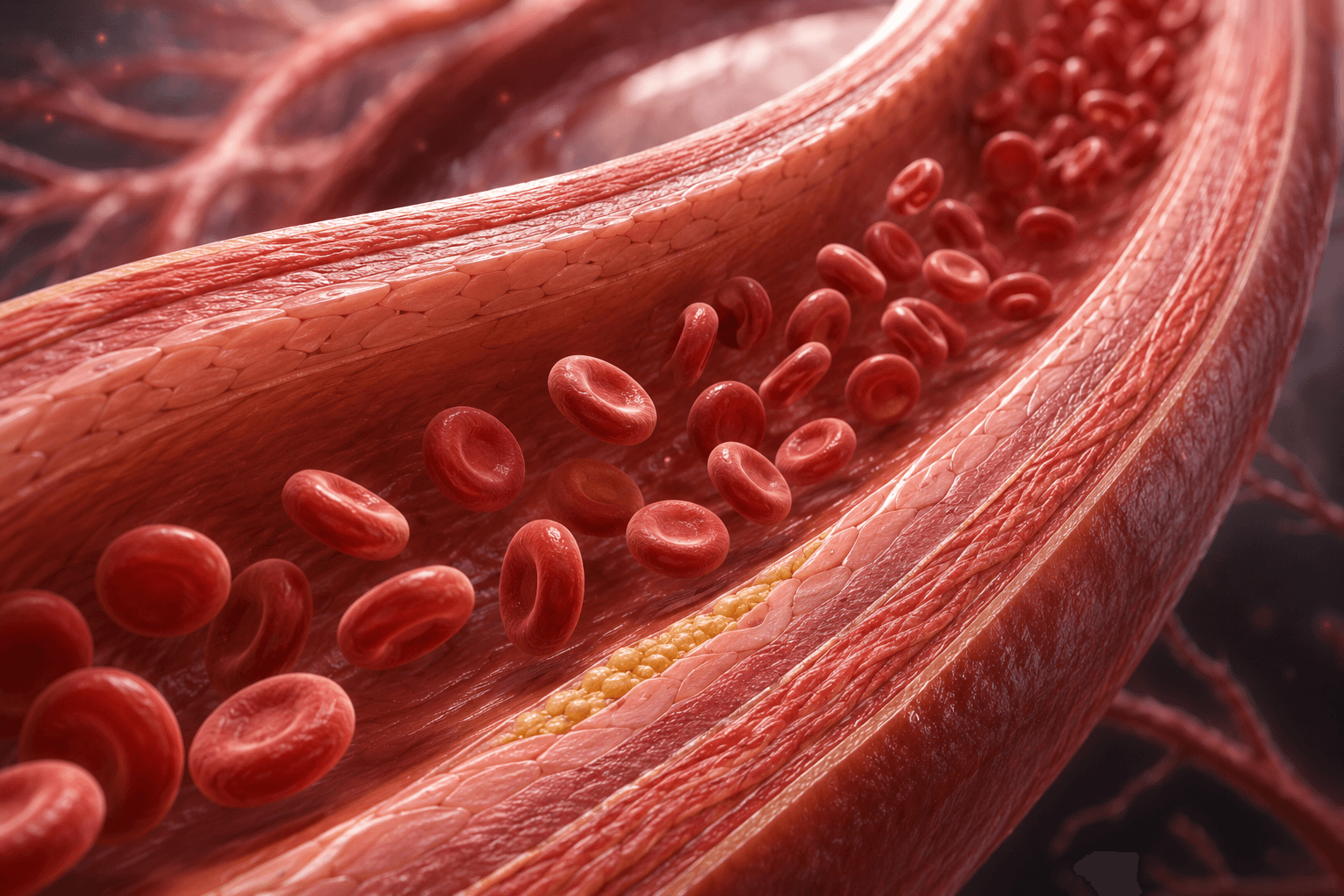
Over time, high LDL cholesterol, low HDL cholesterol, and high triglycerides can increase the risk of plaque buildup in the arteries. This can raise the risk of heart attack, stroke, peripheral artery disease, and other cardiovascular problems.
What Is High Cholesterol?
High cholesterol means there is too much cholesterol or an unhealthy pattern of blood fats in the bloodstream. A cholesterol test, also called a lipid panel, usually measures total cholesterol, LDL cholesterol, HDL cholesterol, and triglycerides.
LDL cholesterol is often called "bad" cholesterol because too much LDL can contribute to plaque buildup in artery walls. HDL cholesterol is often called "good" cholesterol because it helps carry cholesterol away from the arteries. Triglycerides are another type of blood fat that can rise with excess calories, high sugar intake, alcohol, insulin resistance, diabetes, and some genetic conditions.
The American Heart Association explains that too much LDL cholesterol or too little HDL cholesterol can contribute to plaque buildup in arteries that supply the heart and brain, which may lead to heart attack or stroke.
Checklist Step 1: Know Your Numbers
The first prevention step is knowing your cholesterol numbers. You cannot reliably feel high cholesterol, so testing is needed to understand your risk.
A lipid panel can show whether LDL cholesterol, HDL cholesterol, triglycerides, or total cholesterol are outside the range your healthcare provider wants for your personal risk profile. The "right" target may depend on age, blood pressure, diabetes, smoking, kidney disease, family history, prior heart disease, and overall cardiovascular risk.
The CDC notes that a cholesterol test requires a simple blood draw and helps the healthcare team decide whether lifestyle changes or cholesterol-lowering medication may be needed to reduce heart disease and stroke risk.
Checklist Step 2: Reduce Saturated Fat and Avoid Trans Fat
Food choices can affect LDL cholesterol. Saturated fat is found in higher amounts in fatty meats, butter, full-fat dairy, cheese, cream, coconut oil, palm oil, and many processed or fried foods. Trans fat can appear in some processed foods and should be avoided when possible.
The American Heart Association states that the best dietary way to lower cholesterol is to reduce saturated fat and trans fat. It also notes that eating more saturated fat may raise LDL cholesterol.
This does not mean all fat is unhealthy. Unsaturated fats from foods such as olive oil, avocado, nuts, seeds, and fish can fit into a heart-healthy eating pattern when portions match your goals.
Checklist Step 3: Add More Fiber-Rich Foods
Fiber can support cholesterol, blood sugar, fullness, digestion, and weight management. Soluble fiber is especially helpful for lowering LDL cholesterol in some people.
Fiber-rich foods include oats, barley, beans, lentils, peas, fruits, vegetables, nuts, seeds, and whole grains. A practical goal is to add fiber gradually rather than making a sudden large increase that causes bloating or discomfort.
For example, you might add oats at breakfast, beans to lunch, vegetables at dinner, and fruit or nuts as snacks. If you have digestive disease, kidney disease, or specific diet restrictions, ask a clinician or registered dietitian how to increase fiber safely.
Checklist Step 4: Choose a Heart-Healthy Eating Pattern
A heart-healthy eating pattern is more useful than focusing on one "superfood." The overall pattern should support cholesterol, blood pressure, blood sugar, body weight, and long-term consistency.
Helpful patterns often include vegetables, fruits, beans, lentils, whole grains, fish, lean proteins, nuts, seeds, and unsaturated oils. They limit frequent processed meats, refined starches, sugary drinks, sweets, fried foods, excess sodium, and large portions of high-saturated-fat foods.
The CDC states that eating foods high in saturated fat and trans fat may contribute to high cholesterol and related conditions such as heart disease. It also recommends choosing foods naturally high in fiber and unsaturated fats as part of prevention.
Checklist Step 5: Move More During the Week
Physical activity can support cholesterol, blood pressure, blood sugar, weight management, mood, sleep, and heart health. It may help raise HDL cholesterol, lower triglycerides, and improve overall cardiovascular risk.
Good options include brisk walking, cycling, swimming, dancing, hiking, rowing, sports, strength training, or active household tasks. Start gradually if you are inactive, have joint pain, heart disease, shortness of breath, dizziness, or other medical concerns.
The CDC notes that physical activity can help people maintain a healthy weight and lower cholesterol and blood pressure levels.
Checklist Step 6: Manage Weight and Waist Size When Needed
Excess body fat, especially around the abdomen, can affect how the body uses and clears cholesterol. It may also increase the risk of insulin resistance, high blood pressure, fatty liver disease, and high triglycerides.
The CDC explains that excess body fat affects how the body uses cholesterol and slows the body's ability to remove LDL cholesterol from the blood.
Weight loss does not need to be extreme to improve health markers. A realistic plan should preserve muscle, include enough protein and fiber, support physical activity, and be sustainable. For some people, a registered dietitian, weight management clinician, or structured lifestyle program can help.
Checklist Step 7: Avoid Tobacco and Limit Alcohol
Tobacco use raises cardiovascular risk and can worsen the overall risk profile for people with high cholesterol. Quitting smoking or other tobacco products is one of the most important steps for heart and blood vessel health.
Alcohol can also affect triglycerides, blood pressure, liver health, sleep, weight, and medication safety. Heavy drinking can raise triglycerides and increase heart disease risk in some people.
If you smoke, vape, or drink more than intended, ask for support. Counseling, medications, quitlines, behavioral health care, and alcohol screening can be part of a prevention plan.
Checklist Step 8: Review Family History
Family history can change cholesterol risk. Some people inherit high LDL cholesterol or high triglycerides even with healthy habits. Familial hypercholesterolemia, often called FH, can cause very high LDL cholesterol and early cardiovascular disease if not treated.
Tell your healthcare provider if close relatives had heart attack, stroke, stents, bypass surgery, or sudden cardiac death at a young age, or if anyone in the family has very high cholesterol.
The 2026 dyslipidemia guideline highlights early consideration of medication in youth with familial hypercholesterolemia and in young adults with LDL cholesterol of at least 160 mg/dL or a strong family history of premature atherosclerotic cardiovascular disease.
Checklist Step 9: Ask About Overall Cardiovascular Risk
Cholesterol numbers matter, but they are only part of the heart-risk picture. Blood pressure, diabetes, smoking, kidney disease, age, sex, family history, inflammatory conditions, and prior cardiovascular disease all affect treatment decisions.
Some people with moderately elevated LDL cholesterol may need medication because their overall risk is high. Others may start with lifestyle changes and repeat testing. The decision should be individualized.
The American Heart Association notes that lifestyle changes alone cannot always lower cholesterol enough and that medication may be needed to reach healthy levels.
Checklist Step 10: Keep Follow-Up Testing on Schedule
Cholesterol prevention is not a one-time conversation. Follow-up testing helps show whether lifestyle changes or medication are working and whether the plan needs adjustment.
Your provider may recommend repeat testing after diet changes, weight changes, medication changes, pregnancy, menopause, diabetes diagnosis, thyroid disease, kidney disease, liver disease, or a new cardiovascular event.
Do not stop cholesterol medication because you feel well. High cholesterol usually has no symptoms, and medication may be lowering risk silently in the background.
Home Tools That May Help
Home tools can support prevention, but they do not replace lab testing. A blood pressure monitor can help track another major heart disease risk factor. A body composition monitor may help track weight and body composition trends, though home estimates can vary with hydration and timing.
A food log or nutrition app can help identify saturated fat, fiber, added sugar, alcohol, and calorie patterns. An activity tracker may help increase steps or weekly movement. A medication organizer can help with consistency if medication is prescribed.
At-home cholesterol tests are available, but results can vary by product and technique. If you use one, treat it as a screening clue and confirm results with a healthcare provider.
Common Mistake: Assuming Thin People Cannot Have High Cholesterol
Body size does not tell the whole cholesterol story. A person can have a lower body weight and still have high LDL cholesterol, high triglycerides, or inherited cholesterol risk.
Family history, genetics, diet pattern, thyroid disease, kidney disease, liver disease, diabetes, menopause, medications, and alcohol can all affect cholesterol.
Screening is important because appearance alone cannot show whether cholesterol is healthy.
Common Mistake: Focusing Only on Total Cholesterol
Total cholesterol is only one number. LDL cholesterol, HDL cholesterol, triglycerides, non-HDL cholesterol, and sometimes additional tests such as lipoprotein(a) or apolipoprotein B may provide more useful information depending on risk.
For example, a person may have acceptable total cholesterol but high triglycerides or low HDL. Another person may have high LDL despite otherwise healthy habits.
Ask your provider to explain the full lipid panel and which number is the main treatment target for you.
Common Mistake: Trying Supplements Before Fixing the Basics
Supplements are often marketed for cholesterol, but they should not replace proven prevention steps: reducing saturated and trans fat, increasing fiber, staying active, managing weight, avoiding tobacco, limiting alcohol, and taking prescribed medication when needed.
Some supplements can interact with medications or affect the liver, kidneys, bleeding risk, blood sugar, or digestion. "Natural" does not always mean safe.
Before using supplements such as red yeast rice, high-dose niacin, plant sterols, fiber powders, or fish oil, ask a healthcare provider or pharmacist what is appropriate for your health history and medications.
Common Mistake: Stopping Medication After Cholesterol Improves
When cholesterol improves on medication, that often means the medication is working. Stopping it without guidance may allow LDL cholesterol or triglycerides to rise again.
If you have side effects, cost concerns, pregnancy plans, muscle symptoms, liver concerns, or questions about long-term use, talk to your provider. There may be different doses, different medications, or additional testing that can help.
Medication decisions should be based on risk, lab results, side effects, preferences, and clinician guidance, not on symptoms alone.
Common Mistake: Ignoring Triglycerides
Triglycerides are not the same as LDL cholesterol, but they still matter. High triglycerides can be linked with insulin resistance, diabetes, excess alcohol, high sugar intake, obesity, certain medications, thyroid disease, kidney disease, and genetic conditions.
The CDC notes that high triglycerides combined with low HDL cholesterol or high LDL cholesterol can increase the risk of heart attack and stroke.
If triglycerides are high, ask whether you should change alcohol intake, added sugar, refined carbohydrates, weight management, diabetes screening, thyroid testing, medications, or treatment.
When to Talk to a Healthcare Provider
Talk to a healthcare provider if you do not know your cholesterol numbers, have a family history of early heart disease, have diabetes or high blood pressure, smoke, have kidney disease, have a history of stroke or heart disease, or have been told your LDL cholesterol or triglycerides are high.
You should also ask about cholesterol testing if you have thyroid disease, fatty liver disease, PCOS, obesity, menopause-related risk changes, inflammatory conditions, or take medications that can affect cholesterol.
A provider may recommend a lipid panel, blood pressure check, A1C, thyroid testing, liver and kidney tests, cardiovascular risk calculation, lifestyle counseling, medication, or referral to a cardiologist or lipid specialist.
When to Seek Urgent Care
High cholesterol itself usually does not cause emergency symptoms. But cardiovascular emergencies need immediate care.
Call emergency services for chest pain or pressure, pain spreading to the arm, jaw, back, or shoulder, shortness of breath, fainting, sudden weakness, face drooping, speech trouble, sudden confusion, sudden vision changes, severe dizziness, or sudden severe headache.
Do not drive yourself if symptoms could suggest a heart attack, stroke, dangerous heart rhythm, or another emergency.
The Bottom Line
High cholesterol prevention starts with knowing your numbers and understanding your full cardiovascular risk. LDL cholesterol, HDL cholesterol, triglycerides, blood pressure, diabetes risk, smoking, family history, and prior heart disease all matter.
Home habits can help: reduce saturated and trans fat, increase fiber-rich foods, choose a heart-healthy eating pattern, move more, manage weight when needed, avoid tobacco, limit alcohol, and keep follow-up testing on schedule.
Lifestyle changes are powerful, but they are not always enough. Some people need cholesterol-lowering medication because of genetics, very high LDL cholesterol, prior heart disease, diabetes, or overall cardiovascular risk.
If you do not know your cholesterol numbers or have risk factors, ask your healthcare provider when to screen and what prevention plan fits your personal risk.