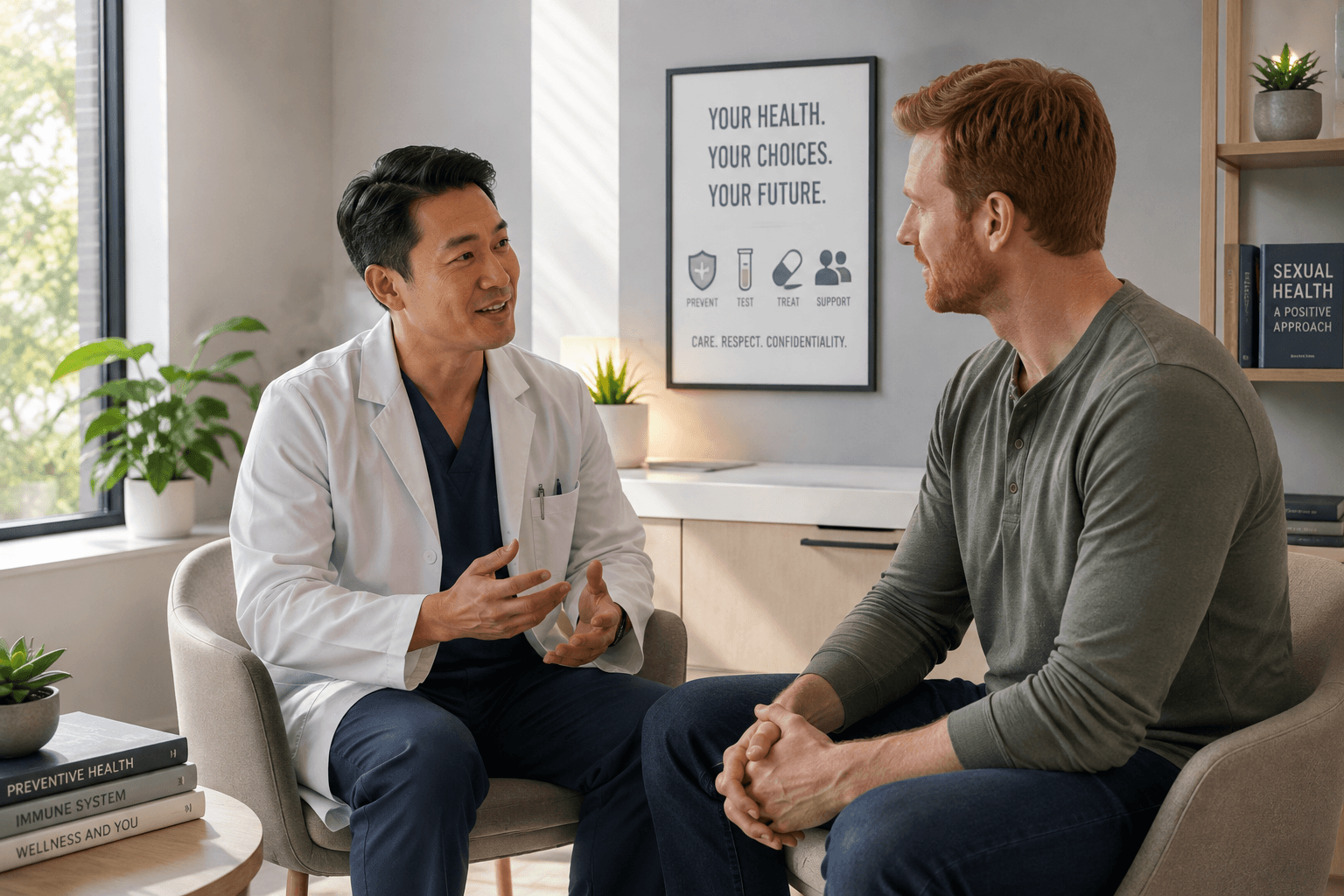
HIV, the virus that can progress to AIDS without treatment, remains a significant public health concern in the United States, but decades of research have produced powerful tools for prevention, early detection, and long-term management. Understanding those tools clearly, without stigma or unnecessary fear, is one of the most useful things anyone can do for their own health and for the people they care about.
This checklist-style guide covers four areas: how exposure actually happens, everyday hygiene and risk-reduction habits, when and how to get tested, and what to do in the days and weeks after a possible exposure.
Understanding Transmission: How HIV Is and Isn't Spread
HIV is transmitted through specific body fluids from a person who has the virus and is not virally suppressed. Those fluids include blood, semen and pre-seminal fluid, rectal fluids, vaginal fluids, and breast milk. Transmission happens when these fluids come into contact with a mucous membrane, damaged tissue, or are directly injected into the bloodstream.
The most common routes of transmission in the United States are:
- Unprotected anal or vaginal sex with a partner who has HIV and is not on effective treatment
- Sharing needles, syringes, or other injection equipment used to prepare drugs
- During pregnancy, childbirth, or breastfeeding from a parent with HIV to a child, though this risk is dramatically reduced with proper prenatal care and treatment
HIV is not spread through casual, everyday contact. You cannot get HIV from hugging, shaking hands, sharing food or drinks, using the same toilet, coughing, sneezing, saliva, tears, or insect bites. Clearing up this misunderstanding matters, because stigma rooted in myths about casual transmission has caused real harm to people living with HIV.
Prevention Checklist: Tools That Work
Modern HIV prevention is layered. Using more than one strategy at a time offers stronger protection than any single approach alone.
- Condoms, used correctly and consistently. External (male) and internal (female) condoms, when used properly for every sexual encounter, significantly reduce the risk of HIV transmission as well as other sexually transmitted infections (STIs). The key word is consistently: a condom that stays in the drawer doesn't help.
- PrEP (Pre-Exposure Prophylaxis). PrEP is a prescription medication taken by HIV-negative people to prevent infection before a potential exposure. When taken as directed, it is highly effective at preventing HIV acquired through sex or injection drug use. There are now both daily oral options and a long-acting injectable form. PrEP is appropriate for people at substantial ongoing risk and is covered by many insurance plans and assistance programs. Talk to a clinician to find out whether PrEP makes sense for you.
- Not sharing injection equipment. If you use injectable drugs, never share needles, syringes, cookers, cotton filters, or water. Many communities offer needle exchange or syringe services programs (SSPs) that provide sterile supplies, often alongside other health services, without judgment.
- Knowing your partner's status and viral load. A person living with HIV who is on effective antiretroviral therapy (ART) and maintains an undetectable viral load cannot sexually transmit the virus to an HIV-negative partner. This is the concept known as U=U: Undetectable = Untransmittable, supported by large-scale clinical research. Knowing your own status and encouraging partners to know theirs is protective for everyone involved.
- Limiting alcohol and substance use before sex. Intoxication can make it harder to use prevention strategies consistently. This is a practical consideration, not a judgment.
- Regular STI screening. Some STIs, particularly those that cause sores or inflammation, can make it easier for HIV to enter the body. Treating other STIs promptly is part of a comprehensive prevention picture.
Testing: When, How, and Why It Matters
Knowing your HIV status is central to both personal health and prevention. Someone who doesn't know they have HIV cannot access treatment, and treatment both protects their own health and eliminates transmission risk. Testing is fast, widely available, and confidential.
Who Should Get Tested
U.S. public health guidelines generally recommend that all adults and adolescents be tested for HIV at least once as part of routine health care. More frequent testing, often every three to six months, is recommended for people who:
- Have anal or vaginal sex without condoms with partners whose HIV status is unknown
- Have had more than one sexual partner since their last test
- Share injection drug equipment
- Have been diagnosed with another STI, hepatitis, or tuberculosis
- Are pregnant or planning to become pregnant
If you are unsure how often you should be tested based on your situation, a primary care provider, sexual health clinic, or community health center can help you figure out the right schedule.
Types of HIV Tests
- Antigen/antibody combination tests (the most common clinical test): These detect both the HIV antigen (a protein the virus produces early in infection) and antibodies the immune system makes in response. They can typically detect HIV within about three to six weeks after exposure, though the exact window period varies by individual and test.
- Antibody-only tests (including many rapid and at-home tests): These look for antibodies alone. They may take longer to turn positive after exposure, usually up to three months for a conclusive result.
- Nucleic acid tests (NAT): These detect the virus itself and can identify infection earlier than antibody-based tests, but they are more expensive and typically used in specific clinical situations, such as recent high-risk exposure or early symptoms.
At-home HIV tests are available over the counter at pharmacies or free through certain programs. A positive result on any self-test should always be confirmed with a follow-up clinical test. At-home tests are a valuable screening tool, not a final diagnosis.
After a Possible Exposure: What to Do and When
If you think you may have been exposed to HIV, through unprotected sex, a condom failure, shared injection equipment, or a needlestick, time matters. Here is what to consider:
- Seek care within 72 hours for PEP. PEP (Post-Exposure Prophylaxis) is a short course of antiretroviral medication that can prevent HIV infection if started quickly after a possible exposure. It must be begun within 72 hours, and sooner is better, since every hour counts. PEP is available at emergency rooms, urgent care centers, sexual health clinics, and through some primary care providers. It is not a substitute for ongoing prevention, but it is a critical safety net.
- Do not wait to see if symptoms appear. Early HIV infection (acute HIV) can cause flu-like symptoms such as fever, swollen lymph nodes, fatigue, and sore throat, but it can also be entirely asymptomatic. Symptoms alone are not a reliable way to tell whether transmission occurred. Test and consult a clinician.
- Get a baseline HIV test at the time of the possible exposure, then follow-up testing at the intervals recommended by your provider. A negative test immediately after exposure does not rule out infection, because the window period means the virus may not yet be detectable.
- Be honest with your provider about the exposure. Clinicians who specialize in sexual health or infectious disease are not there to judge you. Accurate information helps them get you the right prevention or treatment plan.
- Notify partners if appropriate. If you later test positive, informing recent sexual or injection partners allows them to get tested and, if needed, start treatment early, when it is most effective. Partner notification services exist in every state and can help with this process confidentially.
Living Well and Preventing Ongoing Risk
HIV prevention is not a one-time event. It is an ongoing conversation with yourself and your health care team. Circumstances change. Relationships change. A strategy that worked well at one point in your life may need to be revisited.
Key takeaway: No single prevention method is perfect, but combining strategies creates a strong, layered defense: consistent condom use, PrEP when appropriate, regular testing, and open communication with partners and providers.
People living with HIV today, when diagnosed and treated promptly, can expect to live long, healthy lives. Effective treatment benefits both the individual and the community by bringing viral load to undetectable levels. Prevention and treatment work together in the same public health picture.
Where to Get Help
If you need HIV testing, PrEP, PEP, or general sexual health services, these types of resources can help:
- Your primary care provider or OB-GYN
- Community health centers and federally qualified health centers (FQHCs), many of which offer sliding-scale fees
- Local health department sexual health clinics
- LGBTQ+ health centers
- Hospital emergency departments for urgent PEP needs
This article is intended for general health information only and does not constitute medical advice. If you have questions about your personal risk, testing, or HIV medications, please speak with a qualified health care provider.