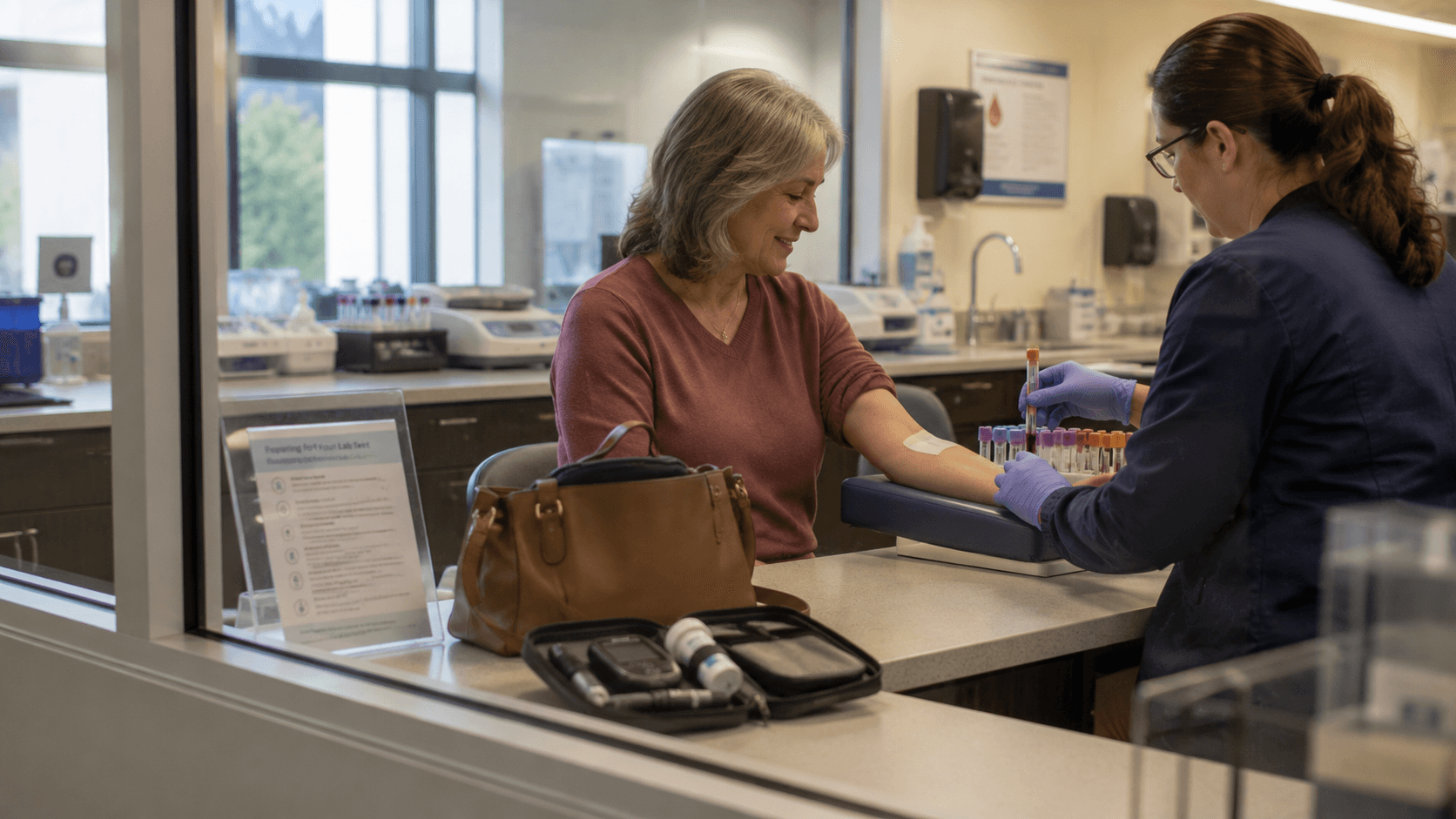
A type 2 diabetes diagnosis is not a single event. It's the start of an ongoing conversation between you and your care team. Managing the condition well means staying ahead of potential complications, and that requires regular monitoring across several body systems. If you've ever wondered why your doctor orders so many different tests, or what all those numbers actually mean, this guide walks through the key tools clinicians use to track diabetes over time.
The A1C: Your Long-Range Blood Sugar Snapshot
The hemoglobin A1C test, often just called the A1C, is one of the most important tools in diabetes management. Unlike a finger-stick glucose reading, which captures your blood sugar at one moment in time, the A1C reflects your average blood sugar over roughly the past two to three months. It works by measuring the percentage of hemoglobin (a protein in red blood cells) that has glucose attached to it.
Most clinicians check the A1C at least twice a year if blood sugar is well-controlled, and more frequently, often every three months, when treatment is being adjusted or goals aren't yet being met. The result helps your doctor gauge whether your current plan is working and whether medication, diet, or lifestyle changes may be needed.
It's worth knowing that A1C isn't perfect for everyone. Certain medical conditions that affect red blood cells can make results less reliable, which is one reason your doctor may also use other blood sugar measures alongside it.
Blood Glucose Monitoring at Home
Depending on your treatment plan, your doctor may recommend checking your blood sugar at home using a glucose meter or a continuous glucose monitor (CGM). Home monitoring gives a more granular picture that the A1C alone can't capture: how your blood sugar responds to specific meals, exercise, stress, or medications.
CGMs, which use a small sensor worn on the skin to track glucose levels throughout the day and night, have become increasingly common. They can alert users to highs and lows in real time and generate data patterns that help both patients and clinicians fine-tune management strategies. Your care team will help determine which monitoring approach, if any, makes sense for your situation.
Kidney Function: Catching Problems Early
Diabetes is one of the leading causes of chronic kidney disease, because persistently high blood sugar can gradually damage the tiny blood vessels that filter waste from the blood. Kidney changes are detectable early, long before symptoms appear, which is why routine kidney screening is a standard part of diabetes care.
Two tests are commonly used:
- Urine albumin test: This checks for a protein called albumin in the urine. Healthy kidneys keep albumin in the bloodstream, so finding it in urine can be an early sign that the kidneys are under stress. Doctors often refer to elevated albumin in urine as albuminuria or, at lower levels, microalbuminuria.
- eGFR (estimated glomerular filtration rate): This blood test estimates how well your kidneys are filtering waste. It's calculated using creatinine levels along with factors like age and sex. A declining eGFR over time signals worsening kidney function.
These tests are typically ordered at least once a year. If results trend in a concerning direction, your doctor may refer you to a kidney specialist, called a nephrologist, and consider adjustments to your medications, since some diabetes drugs interact with kidney function.
Blood Pressure and Cardiovascular Risk
People with type 2 diabetes have a higher risk of heart disease and stroke, and high blood pressure amplifies that risk significantly. That's why blood pressure is checked at virtually every diabetes-related visit.
Managing blood pressure is considered just as important as managing blood sugar in reducing the risk of heart attack, stroke, and kidney damage. Your doctor will have a target range in mind based on your overall health picture. If lifestyle changes alone aren't enough, medications, many of which also have protective effects on the kidneys, may be recommended.
Your care team may also periodically check your cholesterol and triglyceride levels through a blood panel called a lipid panel or fasting lipid profile. Abnormal lipid levels are common in people with type 2 diabetes and contribute to cardiovascular risk, so tracking and treating them is an important part of comprehensive diabetes care.
Eye Exams: Protecting Your Vision
The eyes contain a dense network of tiny blood vessels that are vulnerable to damage from high blood sugar. Damage to them is called diabetic retinopathy, a leading cause of vision loss in adults, yet in its early stages it causes no noticeable symptoms at all.
A dilated eye exam performed by an eye doctor (ophthalmologist or optometrist) is the standard way to detect retinopathy early. During this exam, drops are used to widen the pupils so the doctor can examine the retina closely. Most guidelines recommend this exam at least once a year for people with type 2 diabetes, though your care team will advise based on your specific situation.
Catching retinopathy early matters because treatments, including laser therapy and injected medications, can slow or stop its progression when it's identified in time.
Foot Exams: A Simple Check With Big Consequences
Diabetes can damage nerves over time, a condition called diabetic neuropathy, especially in the feet. Reduced sensation means injuries, blisters, or sores may go unnoticed and, without prompt care, can develop into serious infections.
A thorough foot exam is recommended at least once a year and should include checking sensation, pulses, skin condition, and the structure of the feet. Your doctor or diabetes care team may also ask you about any tingling, burning, or numbness you've noticed.
In between clinical visits, daily self-inspection of the feet is often recommended for people with diabetes, looking for cuts, blisters, redness, or swelling that might otherwise go undetected.
Liver and Weight: The Bigger Metabolic Picture
Type 2 diabetes is closely linked to metabolic syndrome, a cluster of conditions that includes excess abdominal weight, high blood pressure, high triglycerides, and blood sugar dysregulation. Many people with type 2 diabetes are also at risk for metabolic dysfunction-associated steatotic liver disease (formerly known as fatty liver disease), where fat accumulates in the liver and can, over time, lead to inflammation and scarring.
Because of this connection, your doctor may periodically check liver enzymes through a blood test, and may assess your weight and body mass index (BMI) at visits. Weight changes, whether loss or gain, can meaningfully affect blood sugar control and medication needs, so your care team will want to track trends over time.
Mental Health: Often Overlooked, Always Important
Living with a chronic condition takes a psychological toll that is easy to underestimate. Diabetes distress, a term for the emotional burden of managing a demanding condition, and clinical depression are both more common in people with diabetes than in the general population. Either can make it harder to stick to a management plan, which in turn affects blood sugar control.
Many diabetes guidelines now recommend that clinicians periodically screen for depression and distress using brief, validated questionnaires. If you're feeling overwhelmed, burned out about managing your diabetes, or persistently low in mood, bringing it up with your care team is a meaningful step, not a sign of weakness.
Staying on Track: What You Can Do
Monitoring works best as a partnership. Here are some practical ways to support that partnership:
- Keep a running list of your test results so you can spot trends and ask informed questions at appointments.
- Don't skip routine screenings, because many complications are silent until they're advanced, and early detection genuinely changes outcomes.
- Bring up symptoms your doctor hasn't asked about, including fatigue, vision changes, foot symptoms, or mood shifts.
- Ask what your numbers mean for you specifically, since target ranges can vary depending on age, other health conditions, and treatment approach.
- Connect with a certified diabetes care and education specialist (CDCES) if you'd like more structured support in understanding and managing your condition.
The goal of monitoring isn't to generate anxiety. It's to give you and your care team the information needed to make good decisions together, before small changes become bigger problems.
Type 2 diabetes is a condition that responds to attention. Regular monitoring, combined with open communication with your care team, is one of the most effective ways to protect your health over the long term. If you're unsure which tests you're due for, or what your recent results mean, your primary care provider or endocrinologist is the right place to start that conversation.