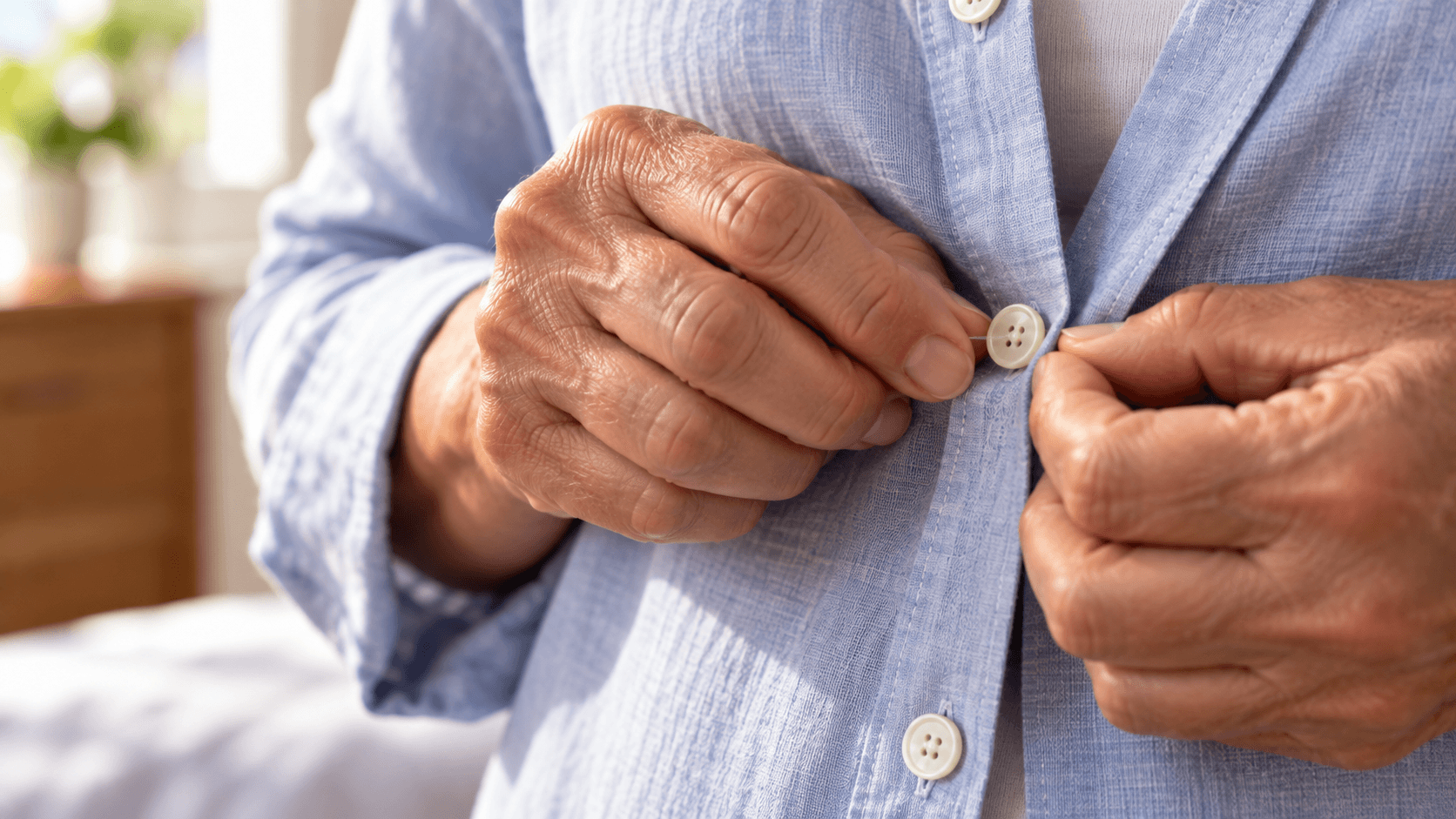
If you have ever noticed that your knees feel stiffer when you first get out of bed, or that climbing stairs has become something you plan around rather than do without thinking, you are not alone. Osteoarthritis — the most common form of arthritis in the United States — is a condition that tends to announce itself slowly, reshaping daily life in ways that can be easy to dismiss at first and harder to ignore over time.
Understanding what is actually happening inside your joints, and how that process tends to unfold across months and years, can help you make sense of your symptoms and have more informed conversations with your doctor.
What Osteoarthritis Actually Is
Osteoarthritis is often described simply as "wear and tear" of the joints, but that shorthand leaves out a lot. The condition involves the gradual breakdown of cartilage — the firm, slippery tissue that cushions the ends of bones where they meet in a joint. Healthy cartilage acts like a shock absorber, letting bones glide smoothly past each other during movement. When cartilage deteriorates, that cushioning is reduced, and bones can begin to rub against each other in ways they were not designed to.
Research over the past two decades has also made clear that osteoarthritis is not purely a mechanical problem. The joint lining (called the synovium) can become inflamed, and the bone underneath the cartilage changes its structure over time. This means that pain and stiffness in osteoarthritis involve biological processes throughout the entire joint, not just surface-level friction.
The joints most commonly affected are the knees, hips, hands, and spine, though osteoarthritis can develop in virtually any joint.
The Early Stage: Subtle Changes You Might Brush Off
In the early phase of osteoarthritis, symptoms are often mild and intermittent. Many people notice:
- Morning stiffness that typically eases within about 30 minutes of moving around
- A dull ache in the joint after physical activity, such as a long walk or yard work
- A sensation of the joint feeling less fluid or slightly tender to the touch
- Occasional clicking or crackling sounds (called crepitus) during movement
Because these early signs are easy to attribute to aging or a hard day on your feet, many people wait before seeking evaluation. That is understandable — but it is worth mentioning to a clinician, because early assessment can open up a wider range of management options.
The Middle Stage: When Mobility Begins to Change in Daily Life
As osteoarthritis progresses, cartilage continues to thin and the joint's supporting structures — including the surrounding muscles and ligaments — are affected as well. This is typically when the condition starts to interfere with everyday activities in more noticeable ways.
People in this phase often report:
- Pain that occurs not just after activity but during it — mid-walk, while going up stairs, or when rising from a chair
- Reduced range of motion, making it harder to fully bend a knee, rotate a hip, or grip objects firmly
- Swelling around the joint, particularly after more active days
- A tendency to unconsciously favor the affected joint, which can lead to changes in gait or posture
That last point — compensating for a painful joint — is important. When you shift weight away from a painful knee, for example, the opposite knee, hip, and lower back absorb that extra load. Over time, compensation patterns can contribute to discomfort in joints that were not originally affected, making mobility challenges more complex.
Muscle weakness around the affected joint also tends to develop during this phase. Because moving hurts, people move less. Because they move less, the muscles that support the joint — particularly the quadriceps around the knee — lose strength. Weaker muscles provide less stability to the joint, which can accelerate the discomfort and further reduce activity. Clinicians and researchers refer to this as a cycle of disuse, and it is one of the reasons that staying as active as safely possible is a consistent recommendation in osteoarthritis management.
The Later Stage: Significant Functional Limitations
In more advanced osteoarthritis, cartilage loss can be substantial, and structural changes to the bone itself become more pronounced. Bony outgrowths called osteophytes (sometimes called bone spurs) may form around the joint as the body attempts — not always helpfully — to stabilize it. Joint spaces visible on imaging can narrow considerably.
At this stage, many people experience:
- Pain that is present even at rest or at night, disrupting sleep
- Significant stiffness that limits the ability to perform basic tasks like walking a moderate distance, bending down, or dressing independently
- Visible changes in joint shape, such as knobby finger joints or a knee that appears bowed
- A pronounced impact on quality of life and independence
It is worth emphasizing that not everyone with osteoarthritis reaches this stage. The trajectory varies widely from person to person, and imaging findings do not always match symptom severity — some people with significant cartilage changes on an X-ray have relatively manageable pain, while others with more modest structural changes experience considerable discomfort. This is why clinicians assess symptoms, function, and imaging together rather than relying on any single measure.
Factors That Influence How Quickly Mobility Changes
Osteoarthritis does not progress at the same rate for everyone. Research points to several factors that appear to influence how the condition evolves over time:
- Body weight: Excess weight places additional mechanical load on weight-bearing joints, particularly the knees and hips. Even modest reductions in body weight, in those for whom that is appropriate, have been associated with meaningful reductions in joint stress.
- Physical activity levels: Regular, low-impact movement — such as walking, swimming, or cycling — helps maintain muscle strength, joint flexibility, and healthy cartilage nutrition. Contrary to what some people fear, appropriate exercise does not accelerate cartilage breakdown.
- Muscle strength: Strong muscles around a joint act as natural shock absorbers. Preserving or building that strength through targeted exercise is a cornerstone of osteoarthritis management.
- Joint alignment: Natural variations in how joints are aligned (such as being knock-kneed or bow-legged) can affect where stress is distributed across cartilage.
- Previous joint injuries: A history of ligament tears, fractures near a joint, or other injuries increases the likelihood and potentially the pace of osteoarthritis in that joint.
- Genetics: Family history plays a role, particularly in hand and knee osteoarthritis, though genes are just one piece of a complex picture.
What May Help Slow Functional Decline
There is currently no treatment that reverses cartilage loss or stops osteoarthritis entirely. However, a substantial body of evidence supports several approaches for managing symptoms and preserving function — and the earlier many of these are started, the more beneficial they tend to be.
Exercise and physical therapy consistently rank among the most effective interventions in clinical guidelines. Strength training, aerobic exercise, and specific range-of-motion work — ideally guided by a physical therapist — can reduce pain, improve stability, and help people maintain independence. The type and intensity of exercise should be tailored to your specific joints and fitness level.
Weight management, for those carrying excess weight, can take meaningful pressure off affected joints and is associated with symptom improvement.
Assistive devices such as canes, orthotics, or braces can redistribute joint load and support safer movement. A clinician or physical therapist can advise on whether and how to use them effectively.
Pain management strategies — including over-the-counter topical or oral medications, as well as prescription options for more severe symptoms — may help people stay active enough to benefit from exercise and other lifestyle approaches. The right approach depends heavily on individual health history, other medications, and the specific joints involved, which is why these decisions belong in a conversation with a healthcare provider.
Surgical options, including joint replacement for hips and knees, are generally considered when other approaches have not provided adequate relief and quality of life is significantly affected. Joint replacement is among the most studied surgical procedures in medicine and can restore substantial function for appropriate candidates.
Living Well With Osteoarthritis
A diagnosis of osteoarthritis can feel discouraging, particularly when the changes it brings are unpredictable. But it is important to know that many people with osteoarthritis — including those with moderate to advanced disease — continue to lead active, fulfilling lives by working with their care team to find the right combination of approaches.
Staying informed about your condition, maintaining open communication with your clinician, and prioritizing movement in whatever form is accessible to you are among the most powerful things you can do for your long-term mobility.
If you are noticing joint stiffness, aching, or a change in how you move, do not wait to bring it up at your next appointment. Early evaluation gives you and your care team the most options — and the most time — to work with.