If you've ever woken up with a sore jaw, a dull headache behind your temples, or been told by a partner that you grind your teeth at night, you may be living with bruxism. It's more common than many people realize, and because it often goes unnoticed for months or even years, the toll on your teeth, jaw muscles, and sleep can build up before you catch it.
A consistent home care routine can make a real difference. Bruxism usually needs a dentist for diagnosis and certain treatments, but there is a lot you can do between appointments to ease discomfort, protect your teeth, and address some of the underlying triggers. Here's how to build that routine, step by step.
First, Understand What You're Working With
Bruxism is the habitual grinding or clenching of teeth. It can happen during sleep (sleep bruxism) or while you're awake (awake bruxism), and the two forms often have different triggers and different approaches.
Sleep bruxism is considered a sleep-related movement disorder. Because it happens unconsciously, people often don't know they're doing it until a dentist notices worn enamel or a sleep partner mentions the noise. Awake bruxism tends to be more closely tied to stress, anxiety, or habitual jaw tension during the day, and since you're conscious for it, it responds better to behavioral strategies.
Common signs of bruxism include:
- Jaw soreness or tightness, especially in the morning
- Headaches that begin near the temples
- Tooth sensitivity or pain
- Worn, chipped, or flattened teeth (often spotted by a dentist)
- Clicking or popping in the jaw joint
- Disrupted sleep for you or a bed partner
If you recognize several of these, it's worth bringing them up with your dentist. A confirmed diagnosis shapes which home strategies will be most useful.
Protect Your Teeth While You Sleep
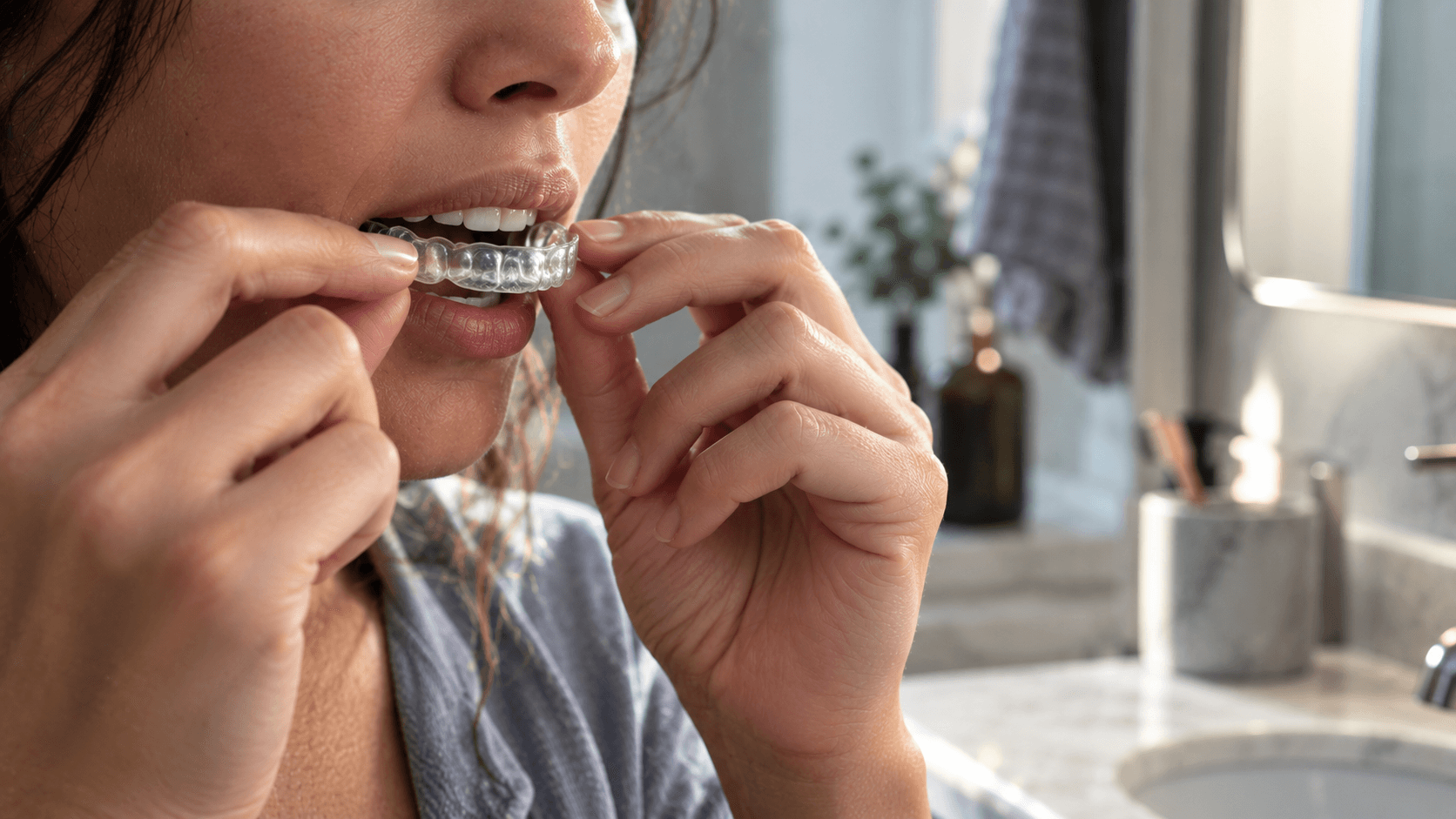
One of the most useful tools in bruxism management is a night guard, a custom-fitted or over-the-counter oral appliance worn over the teeth during sleep. It doesn't stop the grinding, but it creates a protective barrier that absorbs and spreads the force, reducing wear on enamel and easing strain on the jaw joint.
Custom guards made by a dentist tend to fit more precisely and last longer than store-bought versions, though over-the-counter boil-and-bite guards can be a reasonable short-term option while you're waiting for an appointment. Ask your dentist which type makes sense for your situation.
If you already have a night guard, build its care into your routine: rinse it with cool water after each use, brush it gently with a soft toothbrush (without toothpaste, which can be abrasive), and let it air dry before storing it in its case. A well-maintained guard lasts longer and stays hygienic.
Build a Morning Reset
Many people with bruxism wake up with jaw tension that lingers into the day. A short morning routine can help release it before it compounds.
- Gentle jaw stretching: Slowly open your mouth as wide as is comfortable, hold for a few seconds, then close. Repeat several times. You can also try moving your jaw slowly from side to side. These gentle movements encourage circulation and can ease muscle stiffness.
- Warm compress: Applying a warm, damp cloth to your jaw and cheek muscles for several minutes can help relax tight muscles. Warmth increases blood flow and may reduce the aching that follows a night of grinding.
- Check your resting jaw position: Your teeth should not be touching when your mouth is at rest. If you notice your teeth are pressed together, practice letting your jaw drop slightly so your lips are gently closed but your upper and lower teeth have a small gap between them. This simple awareness can reduce muscle fatigue over time.
Manage Stress: It's Not Optional
Stress and anxiety are among the most consistently identified contributors to both awake and sleep bruxism. Research points to a real relationship between psychological tension and jaw clenching. For people with bruxism, that makes stress management part of the treatment itself.
You don't need to overhaul your life, but weaving a few stress-reduction practices into your day can have a real impact:
- Diaphragmatic breathing: Slow, deep belly breathing activates the parasympathetic nervous system, the body's rest-and-digest state, and can lower overall physical tension. Even five minutes before bed can help.
- Regular physical activity: Exercise is one of the best-studied ways to reduce stress and improve sleep quality. Find something sustainable, whether that's walking, swimming, cycling, or yoga.
- Mindfulness or body scan meditation: These practices can help you notice where you're holding tension, including in your jaw, and consciously release it. Several apps offer free guided versions for beginners.
- Cognitive behavioral therapy (CBT): For people whose bruxism is largely driven by anxiety or stress, CBT, a structured, evidence-based form of talk therapy, has shown promise in research. It is a conversation worth having with a mental health professional.
Daytime Habits That Add Up
Small choices throughout the day can either aggravate or ease bruxism. Consider the following:
- Limit caffeine, especially later in the day. Caffeine is a stimulant that can increase muscle activity and disrupt sleep architecture, both of which are relevant for people who grind at night.
- Reduce or avoid alcohol. Studies have found an association between alcohol consumption and more frequent or intense sleep bruxism episodes, possibly because alcohol alters sleep stages in ways that increase jaw muscle activity.
- Avoid chewing on non-food items. Pens, fingernails, and ice may seem harmless, but these habits keep jaw muscles in a state of activity and can reinforce clenching patterns.
- Be mindful during meals. Chew evenly on both sides of your mouth when possible, and avoid very hard, tough foods on days when your jaw feels particularly sore.
- Set jaw-check reminders. If awake bruxism is a concern, try setting a periodic phone reminder to pause and notice whether your teeth are touching. If they are, consciously relax your jaw. This simple habit builds helpful awareness over weeks.
Create a Sleep-Friendly Environment
Since sleep bruxism happens during sleep, improving overall sleep quality is a genuine part of your home care plan. Poor or fragmented sleep may increase the frequency of bruxism episodes, creating a frustrating cycle.
- Keep a consistent sleep and wake schedule, even on weekends.
- Make your bedroom cool, dark, and quiet.
- Avoid screens for at least an hour before bed.
- Wind down with a calming pre-sleep ritual: a warm shower, light reading, or gentle stretching.
If you suspect you have a separate sleep disorder such as sleep apnea, which research has linked to sleep bruxism, mention it to your doctor. Treating an underlying sleep disorder, if present, may improve the bruxism too.
Support Your Jaw Joint and Muscles
Bruxism puts repeated strain on the temporomandibular joint (TMJ) and the muscles around it. Supporting these structures at home can reduce discomfort and protect against longer-term dysfunction.
- Cold therapy for acute soreness: If your jaw is acutely sore or inflamed, a cold pack wrapped in a cloth applied for short intervals may help reduce inflammation. Alternate with warmth if muscles feel tight rather than swollen.
- Self-massage: Gently massaging the masseter muscle, the large muscle just in front of and below your earlobe, can relieve tension. Use your fingertips in slow, circular motions. Do this on both sides, and stop if you feel sharp pain.
- Posture awareness: Poor posture, especially forward head posture from prolonged screen use, can increase tension in the neck and jaw. Periodically adjust your seated position and consider whether your screen height is ergonomically appropriate.
When Home Care Isn't Enough
A home routine is valuable, but bruxism is a condition that typically benefits from professional oversight. Reach out to your dentist or doctor if:
- Your jaw pain is severe, persistent, or getting worse
- You notice significant changes in how your teeth fit together
- You're experiencing frequent headaches or ear pain
- Your sleep is consistently disrupted
- Home strategies haven't brought relief after several weeks
Depending on your situation, a clinician may recommend a custom night guard, physical therapy for the jaw, prescription muscle relaxants for short-term relief, or referral to a specialist in temporomandibular disorders. Some people benefit from biofeedback devices that give real-time alerts when jaw clenching is detected, which your provider can discuss with you.
A note on personalized care: Bruxism can have multiple overlapping causes, including stress, sleep, bite alignment, and medications. The strategies here are general guidance for healthy adults. Always work with a qualified clinician to understand your specific situation and tailor a plan to your needs.
The Bottom Line
Bruxism isn't always something you can eliminate on your own, but a home care routine that covers sleep protection, stress management, daytime habits, and jaw care can meaningfully reduce its impact on daily life. Start with one or two changes, build consistency, and keep your dental team in the loop. Small, steady habits add up.