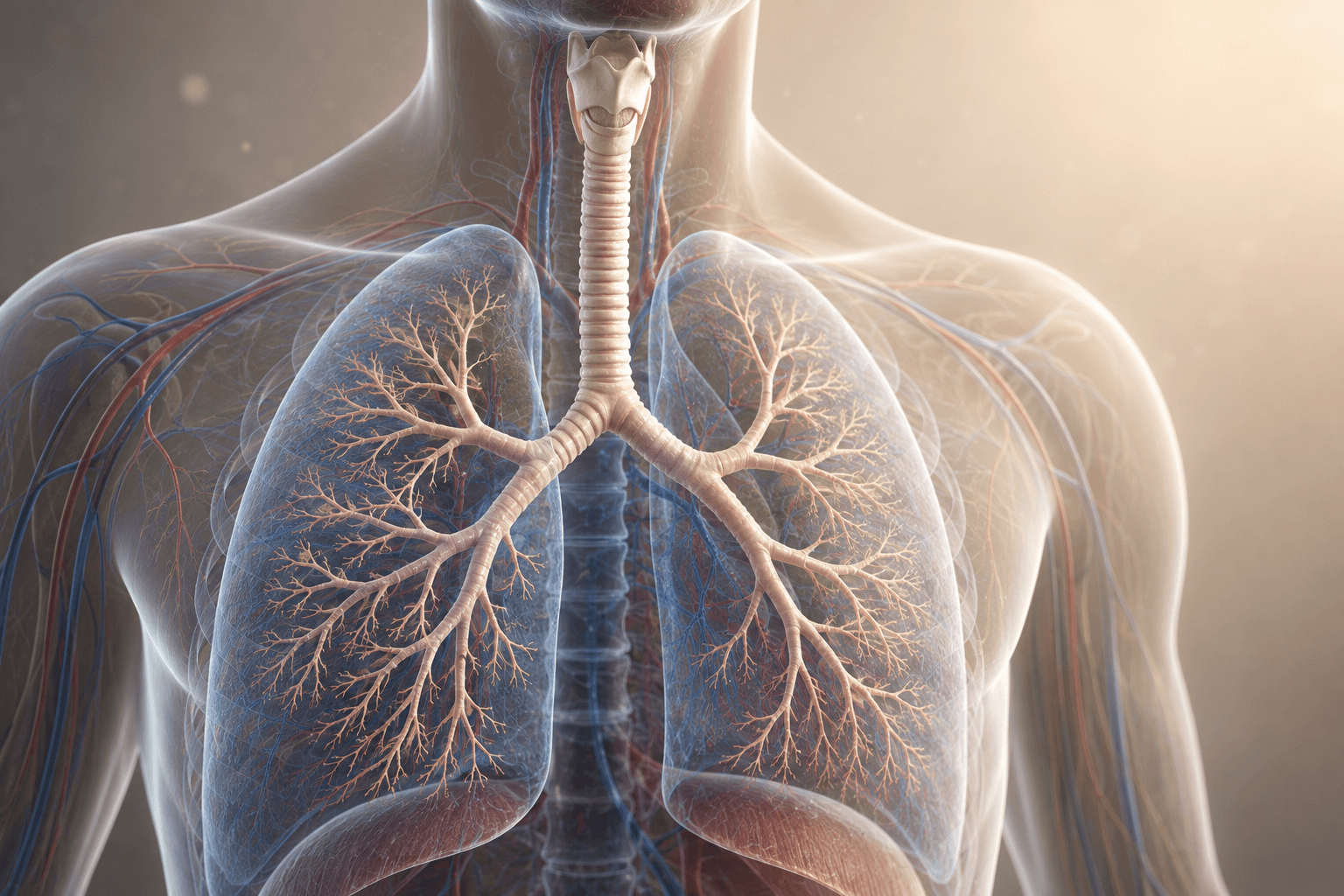
Living with cystic fibrosis (CF) means navigating a lifelong relationship with your lungs. CF is a genetic condition that causes a malfunctioning protein, produced by a faulty version of the CFTR gene, to disrupt the normal movement of salt and water across cell surfaces. The result is abnormally thick, sticky mucus that builds up in the airways, digestive tract, and other organs. In the lungs, this mucus traps bacteria, fuels chronic inflammation, and leads to infections and scarring over time.
CF care has changed a great deal. Advances in targeted therapies, airway clearance techniques, and infection management mean that many people with CF are living longer, healthier lives than previous generations. But preventing pulmonary flare-ups, episodes in which symptoms worsen significantly and often require additional treatment, remains one of the most important goals in day-to-day CF management. The strategies below are supported by evidence.
Understand What Triggers a Flare-Up
A pulmonary exacerbation in CF typically involves a noticeable worsening of respiratory symptoms: increased cough, thicker mucus, shortness of breath, fatigue, decreased appetite, or a drop in lung function. These episodes are often triggered by:
- Respiratory infections: bacteria such as Pseudomonas aeruginosa and Staphylococcus aureus are particularly common in CF airways and can flare with viral illnesses or environmental exposures.
- Viral illnesses: the common cold, influenza, and respiratory syncytial virus (RSV) can disrupt the airways and allow secondary bacterial infections to take hold.
- Environmental irritants: cigarette smoke, wildfire smoke, strong chemical fumes, and high levels of air pollution can worsen airway inflammation.
- Gaps in treatment adherence: missing airway clearance sessions or medications even for a short period can allow mucus to accumulate and bacteria to multiply.
- Physical or emotional stress: while the relationship is complex, some research suggests that sustained stress may affect immune responses and inflammation.
Recognizing your personal pattern of triggers helps. Many CF care teams recommend keeping a simple symptom log so that early warning signs can be caught before a full exacerbation develops.
Make Airway Clearance a Non-Negotiable Routine
Airway clearance therapy (ACT) is the physical foundation of CF lung care. Its goal is straightforward: move thick mucus out of the airways before it can trap bacteria and cause damage. There are several approaches, and the right one depends on age, lung function, lifestyle, and personal preference. These decisions are best made with a respiratory therapist and CF specialist.
- High-frequency chest wall oscillation (HFCWO): A wearable vest that vibrates the chest to loosen mucus.
- Oscillating positive expiratory pressure (OPEP) devices: Handheld devices that create back-pressure and vibration during exhalation to mobilize mucus.
- Postural drainage and percussion (PD&P): A traditional technique using gravity and chest clapping to drain different lung segments.
- Active cycle of breathing techniques (ACBT): A structured pattern of breathing exercises that can be done independently.
Consistency matters. Most guidelines recommend performing ACT at least twice daily, and during a flare-up, sessions are often increased. Physical activity such as aerobic exercise is also recognized as a complementary form of airway clearance. Movement helps loosen mucus and supports cardiovascular fitness, which correlates with better long-term lung outcomes.
Take Inhaled Medications as Prescribed
Several inhaled medications work alongside airway clearance to keep the airways as open and clear as possible:
- Mucolytics (such as dornase alfa and hypertonic saline) thin or hydrate airway mucus, making it easier to clear. Clinical trials have shown that regular use of these agents is associated with fewer exacerbations and better lung function over time.
- Bronchodilators relax the muscles around the airways to reduce tightness. They are often used before ACT to maximize mucus clearance.
- Inhaled antibiotics target bacteria that chronically colonize CF airways. Rotating antibiotic regimens help reduce bacterial burden and the risk of infection-driven flare-ups.
The order in which these medications are taken often matters: bronchodilator, then mucolytic, then airway clearance, then inhaled antibiotic is a common sequence, but your care team will tailor this for you. Skipping doses or stopping early because symptoms improve is one of the most common preventable reasons for worsening lung health.
Ask Your Doctor About CFTR Modulator Therapy
One of the most significant advances in CF care has been the development of CFTR modulator medications, drugs designed to address the underlying protein defect rather than only managing symptoms. These are not appropriate for every person with CF, as eligibility depends on a person's specific genetic mutations. For those who qualify, modulators have been shown in clinical trials to meaningfully improve lung function, reduce exacerbation rates, and improve quality of life.
If you or someone you care for has CF and has not recently discussed CFTR modulators with a specialist, that conversation is worth having. The field is evolving quickly, and options that were not available a few years ago may now be relevant.
Protect Against Respiratory Infections
Infections are the most common spark for CF pulmonary exacerbations, which makes infection prevention a high priority. Evidence-based steps include:
- Stay current on vaccinations. Annual influenza vaccination and keeping up with COVID-19, pneumococcal, and RSV vaccines (where recommended by your clinician) can meaningfully reduce the risk of severe respiratory illness.
- Practice consistent hand hygiene. Washing hands thoroughly with soap and water, especially before airway clearance and after contact with others who are ill, is one of the simplest and most effective protective habits.
- Avoid close contact with others who have CF. Certain bacteria that thrive in CF airways, including some strains of Pseudomonas and Burkholderia cepacia complex, can be transmitted between people with CF. CF Foundation infection prevention guidelines recommend that people with CF maintain physical distance from one another in public settings for this reason.
- Minimize exposure to cigarette smoke and air pollution. Secondhand smoke and high-pollution days are known airway irritants that can worsen inflammation and mucus production. Monitoring local air quality reports on poor-air days is a practical habit.
- Keep home nebulizers and devices clean. Improperly cleaned nebulizers and ACT devices can harbor bacteria and introduce pathogens directly into the airways. Follow manufacturer and CF care team instructions on cleaning schedules rigorously.
Support Lung Health Through Nutrition and Hydration
CF affects the digestive system as well as the lungs. Pancreatic insufficiency, common in CF, impairs the absorption of fat-soluble vitamins and overall calories, making it genuinely harder to maintain a healthy weight. This matters for lung health because malnutrition is associated with worse pulmonary outcomes in CF. A CF-specialized dietitian can help develop a high-calorie, high-protein eating plan that accounts for pancreatic enzyme replacement therapy and individual needs.
Staying well hydrated also supports mucus hydration in the airways. While there is no universal prescription for fluid intake, drinking enough water throughout the day, especially before and after airway clearance, is consistently recommended by CF care teams.
Recognize Early Warning Signs and Act Quickly
One of the most important things a person with CF can do to prevent a minor downturn from becoming a serious exacerbation is to know their personal baseline and respond early when things shift. Warning signs to watch for include:
- Increased cough frequency or change in mucus color (particularly to green or brown)
- Shortness of breath with activities that previously felt manageable
- Unexplained fatigue or reduced appetite
- Fever or general sense of feeling unwell
- Decreased exercise tolerance
If you notice these signs, contact your CF care team promptly rather than waiting to see if symptoms resolve on their own. Many centers have nurse coordinators or telehealth options that allow for rapid assessment. Early treatment, which may include a course of oral or inhaled antibiotics, intensified airway clearance, or other interventions, can often head off a more serious episode.
Mental Health Is Part of the Picture
Managing a chronic condition as demanding as CF takes a psychological toll. Research has found higher rates of anxiety and depression among people with CF and their caregivers compared to the general population. These are not simply emotional responses to a difficult situation. Mental health challenges can affect treatment adherence, motivation for self-care, and overall health outcomes.
Many accredited CF care centers now include social workers, psychologists, or mental health counselors as part of the multidisciplinary team. If emotional distress is making it harder to stick to treatment routines or is simply affecting quality of life, raising this with the care team is entirely appropriate and can lead to meaningful support.
Work With a Specialized CF Care Team
CF is a condition where specialized, coordinated care makes a measurable difference. Accredited CF Foundation care centers bring together pulmonologists, respiratory therapists, dietitians, physical therapists, social workers, pharmacists, and nurses who understand the nuances of managing this disease across different ages and stages of life.
If you are not already connected to a CF Foundation-accredited care center, asking your primary care physician for a referral is a meaningful step toward accessing the most current, comprehensive care available.
Regular clinic visits, typically every three months for most people with CF, allow the team to track lung function trends, adjust therapies, and catch problems early. These visits are more than check-ins; they are chances to adjust your treatment plan.
A Final Note
Living with CF requires sustained effort, and the daily demands of treatment can feel heavy. But the strategies described here, consistent airway clearance, medication adherence, infection prevention, good nutrition, and early action at the first sign of a flare, are supported by clinical evidence. Small, consistent habits can add up to real protection for your lungs over time.
Every person's CF is different. The information here is intended to inform, not to replace the personalized guidance of your care team. Bring your questions, concerns, and goals to your next clinic visit.