Dental caries, commonly called cavities or tooth decay, is one of the most widespread chronic health conditions in the world, affecting people of all ages. It's also one of the most preventable. Understanding what drives cavity formation and which daily habits genuinely help can go a long way toward keeping your teeth healthy for life.
What Causes Dental Caries?
Cavities don't appear overnight. They develop through a well-understood process: bacteria that naturally live in your mouth feed on sugars from the food and drinks you consume. As they digest those sugars, they produce acids. Over time, repeated acid exposure weakens and eventually breaks down the hard outer layer of teeth, called enamel, creating a cavity.
Several factors influence how quickly this process unfolds, including the types of bacteria present in your mouth, how often you consume sugary or starchy foods and drinks, the quality and quantity of your saliva, and whether you get enough fluoride. None of these factors works in isolation, which is why cavity prevention works best as a combination of habits rather than a single fix.
Brush Effectively: Technique Matters as Much as Frequency
Brushing twice a day is the foundation of cavity prevention, but how you brush is just as important as when you brush. Dental professionals generally recommend the following approach:
- Use a soft-bristled toothbrush. Soft bristles clean effectively without damaging enamel or irritating gum tissue the way hard bristles can.
- Brush for two full minutes. Most people underestimate how long this actually is. Using a timer or an electric toothbrush with a built-in timer can help.
- Hold the brush at a slight angle toward the gumline. Small, gentle circular or back-and-forth strokes help dislodge plaque where it tends to accumulate most, along the gumline and between teeth.
- Don't forget the inner surfaces and chewing surfaces. The backs of your front teeth and the grooves of your molars are common spots for decay to begin.
- Replace your toothbrush regularly. Worn bristles are less effective. A general guideline is to swap your brush every three to four months, or sooner if the bristles look frayed.
If you have questions about technique, your dentist or dental hygienist can offer a quick demonstration tailored to your mouth. It's one of the most practical things you can ask about at your next appointment.
Choose a Fluoride Toothpaste
Fluoride is the ingredient that gives toothpaste its cavity-fighting power. It works in two key ways: it helps remineralize early areas of enamel damage before they become full cavities, and it makes enamel more resistant to future acid attacks. Decades of research and real-world public health data support fluoride as one of the most effective cavity-prevention tools available.
When shopping for toothpaste, look for the American Dental Association (ADA) Seal of Acceptance, which confirms the product contains an effective concentration of fluoride and has been evaluated for safety and efficacy. Whitening claims and added flavors are secondary; fluoride content is what counts most for decay prevention.
Floss Daily (Yes, Really)
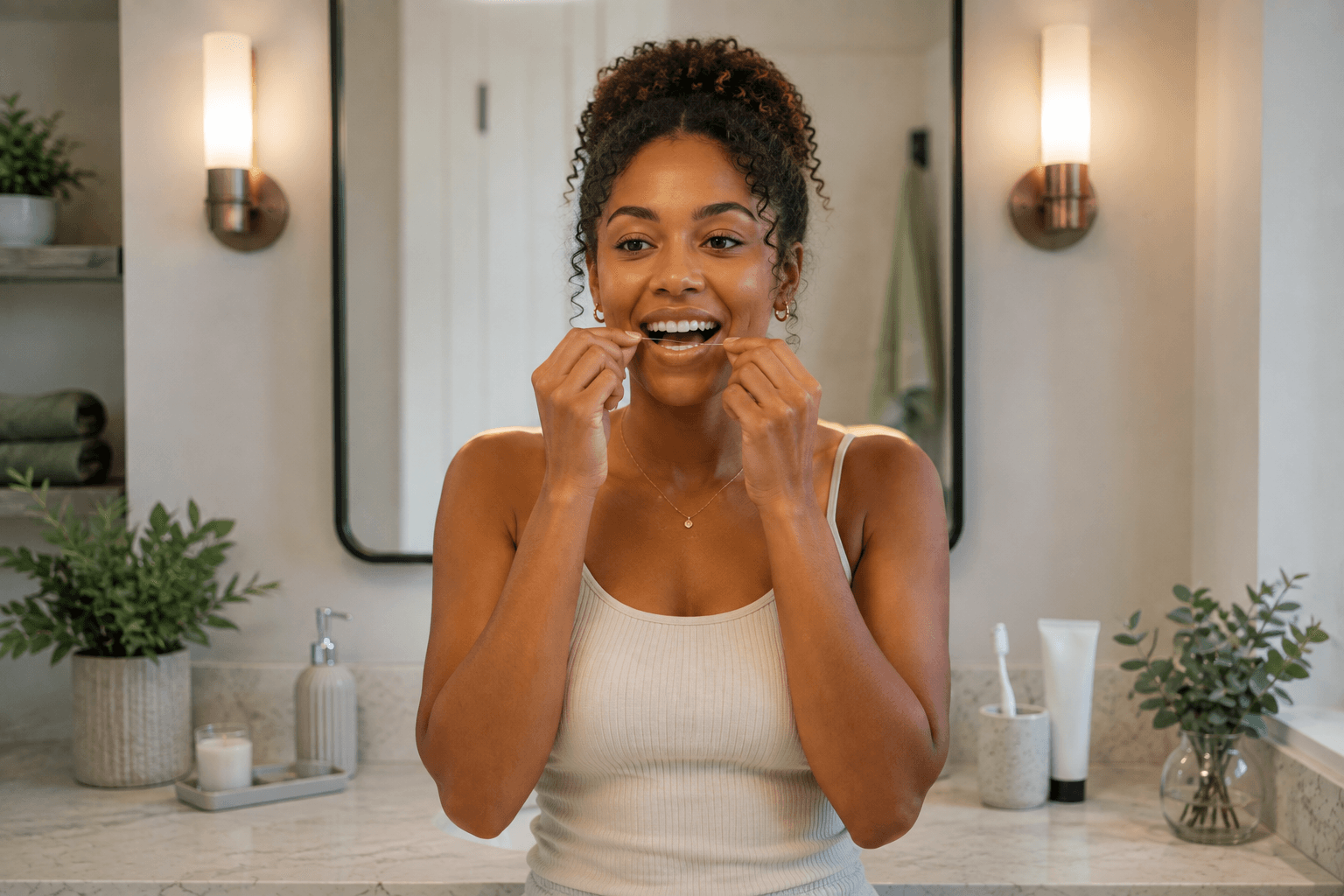
Brushing cleans the surfaces of your teeth but can't reach the tight spaces between them. Those narrow gaps are prime territory for cavity-causing bacteria and plaque to hide. Flossing, or using an interdental cleaner such as a water flosser or interdental brush, removes that buildup before it can do lasting harm.
If flossing feels awkward or your gums bleed when you start, don't give up immediately. Mild bleeding when you begin a flossing routine often reflects gum inflammation from accumulated plaque, and it typically resolves within a week or two of consistent flossing. If bleeding persists, let your dentist know; it can be a sign of gum disease that deserves attention.
Watch What You Eat and Drink, and How Often
Diet plays a significant role in cavity risk, and frequency matters as much as content. Every time you eat or drink something other than water, the bacteria in your mouth produce acid for roughly 20 to 30 minutes afterward. If you're snacking continuously throughout the day, your teeth spend more time in an acidic environment, which accelerates enamel breakdown.
Practical steps that can help reduce dietary risk include:
- Limit sugary and starchy snacks between meals. Candy, crackers, chips, and dried fruit are particularly problematic because they tend to stick to teeth and prolong acid exposure.
- Be mindful of acidic beverages. Sodas, sports drinks, and fruit juices are both sugary and acidic, a double challenge for enamel. Sipping them through a straw and not swishing them around your mouth can reduce contact with teeth.
- Rinse with water after eating or drinking. Water helps wash away food particles and dilute acids. This is especially useful when brushing isn't immediately possible.
- Choose tooth-friendly snacks when you can. Cheese, plain nuts, raw vegetables, and water are far less likely to trigger prolonged acid production than sugary options.
None of this means you have to eliminate treats entirely; that's neither realistic nor necessary. Being aware of frequency and rinsing after sugary foods or drinks can reduce your risk without dramatic dietary changes.
Stay Hydrated and Support Your Saliva
Saliva is one of your mouth's natural defenses against decay. It neutralizes acids, washes away food debris, and delivers minerals that help repair early enamel damage. When your mouth is consistently dry, a condition called dry mouth, or xerostomia, your cavity risk increases.
Dry mouth can be a side effect of many common medications, including antihistamines, antidepressants, and blood pressure drugs, as well as a symptom of certain health conditions. If you suspect your mouth feels persistently dry, it's worth raising with your doctor or dentist. In the meantime, sipping water throughout the day, chewing sugar-free gum (which stimulates saliva flow), and avoiding alcohol-based mouthwashes can help.
Consider Fluoride Mouthwash
For people at higher risk of cavities, including those with a history of frequent decay, dry mouth, or orthodontic appliances, an over-the-counter fluoride mouthwash can add another layer of protection. It reaches surfaces and gaps that brushing and flossing alone may not fully address.
Use mouthwash at a different time than brushing, such as after lunch, so you're not simply rinsing away the fluoride you just applied with toothpaste. And as with toothpaste, look for the ADA Seal when choosing a product.
Don't Skip Dental Checkups
No home routine, however consistent, replaces professional care. Regular dental visits do two important things: a professional cleaning removes hardened plaque (called tartar or calculus) that a toothbrush can't touch, and your dentist can catch early signs of decay, often before you feel any discomfort, when treatment is simpler and less invasive.
How often you need checkups depends on your individual risk profile. For many adults, twice a year is a reasonable baseline, but your dentist may recommend more or less frequent visits depending on your history and current oral health. If cost or access is a barrier, community health centers, dental schools, and some public health programs offer lower-cost services; it's worth asking about options in your area.
Special Considerations: Children and Older Adults
Cavity prevention looks slightly different at different life stages. For young children, parents play an active role: wiping infant gums, brushing toddlers' teeth, supervising brushing technique until children have the dexterity to do it well on their own, and talking to a pediatric dentist about fluoride varnish treatments and dental sealants, which are thin coatings applied to the grooves of back teeth to help seal out bacteria.
Older adults face their own set of risks. Gum recession exposes the softer root surfaces of teeth, which are more vulnerable to decay than enamel-covered surfaces. Dry mouth from medications is also more common. If you or a family member is in this stage of life, a conversation with a dentist about personalized prevention strategies is especially worthwhile.
Building the Habit
The most effective oral care routine is one you'll actually stick to. If you're starting from scratch or trying to fix inconsistent habits, small steps last longer than an overhaul. Anchoring brushing to something you already do, like brewing your morning coffee or winding down before bed, can help it become automatic. Keeping floss visible on the bathroom counter rather than tucked in a drawer is a simple cue that can make a real difference in consistency.
A note on personalized care: The habits described here reflect general evidence-based guidance, but your oral health needs are individual. If you have specific concerns (frequent cavities, gum disease, dry mouth, or questions about products), your dentist is the best resource for advice tailored to you.
Preventing dental caries is genuinely achievable with the right daily habits. Consistent brushing with fluoride toothpaste, daily flossing, mindful eating, adequate hydration, and regular dental visits work together to protect your teeth over the long term. Small, steady efforts add up.