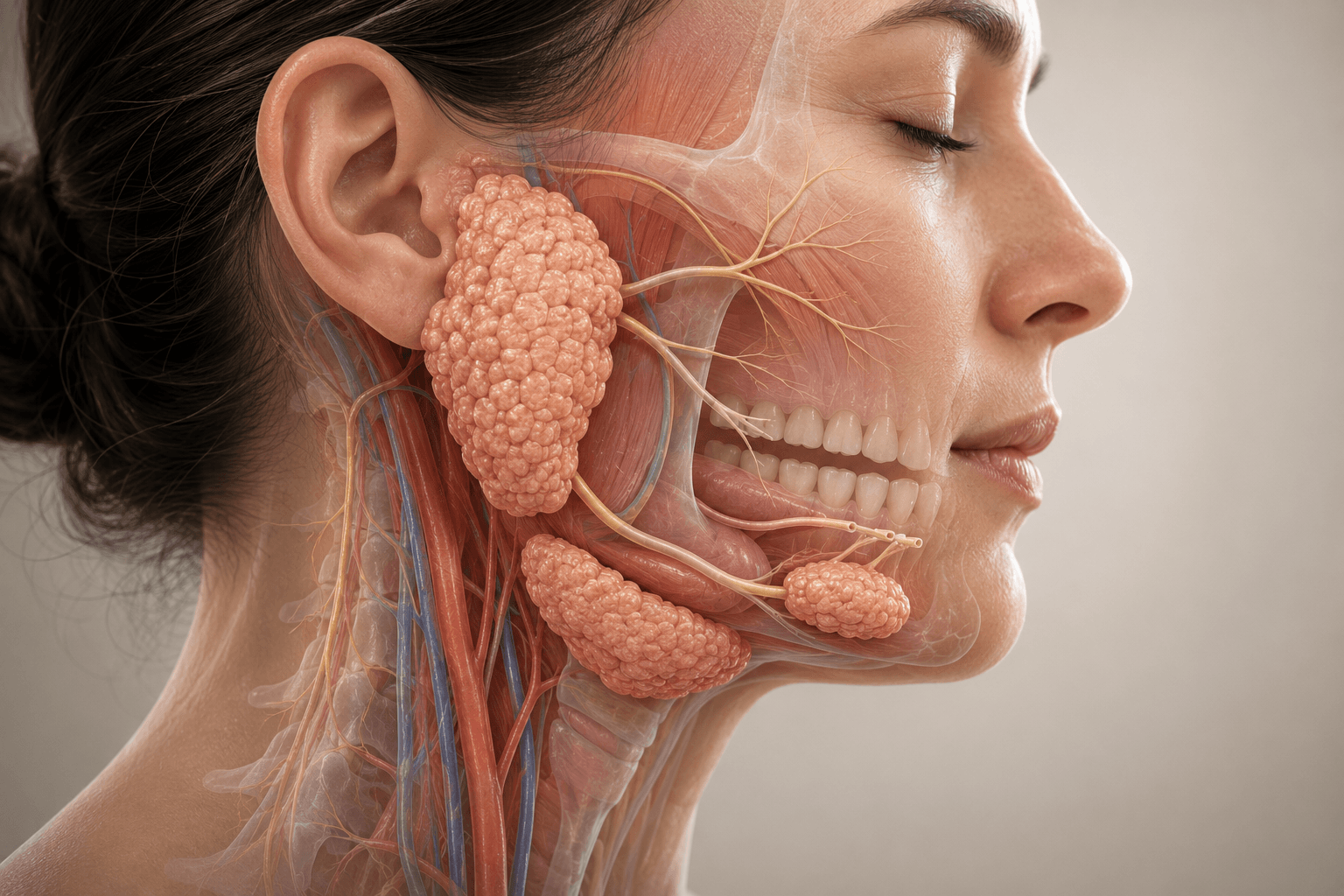
A dry, sticky feeling in your mouth might seem like a minor annoyance, but persistent dry mouth, known clinically as xerostomia, is more than uncomfortable. Saliva plays a surprisingly important role in protecting your teeth, helping you swallow and digest food, and even fighting off harmful bacteria. When saliva production falls short, the effects can reach your oral and overall health.
For many people, a handful of consistent daily habits can make a real difference. And when dry mouth is tied to an underlying cause, a dentist or physician can offer treatment options that go beyond what a habit change alone can accomplish.
Why Saliva Matters More Than You Think
It's easy to take saliva for granted, but your salivary glands produce it for good reason. Saliva neutralizes acids produced by bacteria in your mouth, washes away food particles, delivers minerals that help remineralize tooth enamel, and contains proteins with antimicrobial properties. Without enough of it, tooth decay, gum disease, and oral infections like thrush can develop more easily.
Dry mouth can also make it harder to chew, swallow, and speak comfortably, which affects quality of life and, in some cases, nutrition.
What Causes Dry Mouth?
Understanding the root cause is the first step toward finding relief. Dry mouth is rarely just bad luck. Common contributors include:
- Medications: This is one of the most frequent causes. Hundreds of prescription and over-the-counter drugs, including antihistamines, antidepressants, blood pressure medications, and decongestants, can reduce saliva flow as a side effect.
- Dehydration: Even mild dehydration can reduce saliva production. Illness, heat, exercise, or simply not drinking enough water throughout the day can be factors.
- Mouth breathing: Breathing through your mouth, especially during sleep, accelerates moisture loss and can leave you waking up with a parched, sticky feeling.
- Tobacco and alcohol use: Both can dry out oral tissues and reduce saliva flow. Alcohol-containing mouthwashes can have a similar effect.
- Certain health conditions: Autoimmune conditions like Sjögren's syndrome directly affect the salivary glands. Diabetes, anxiety disorders, and other conditions can also play a role.
- Cancer treatment: Radiation therapy to the head and neck area and some chemotherapy drugs can damage salivary glands or affect how they function.
Because the causes vary so widely, there is no single fix that works for everyone. But there are practical, evidence-informed habits that support saliva production and oral moisture for most people.
Stay Consistently Hydrated
It sounds simple, and it is, but steady hydration throughout the day is one of the most effective ways to support saliva production. Rather than drinking large amounts at once, try to sip water regularly. Keeping a water bottle nearby during work, errands, or exercise can help make this feel automatic over time.
Water is generally the best choice. Sugary drinks, juices, and sodas can feed the bacteria that thrive in an already dry mouth, increasing the risk of decay. Caffeinated beverages like coffee and tea have a mild diuretic effect and may contribute to dryness if consumed in large amounts without balancing water intake.
Breathe Through Your Nose
Nasal breathing keeps moisture in your mouth and filters and humidifies the air you breathe. Mouth breathing, common among people with nasal congestion, sleep apnea, or structural issues like a deviated septum, can significantly worsen dry mouth, especially at night.
If you wake up with a dry or sore mouth regularly, consider whether nasal congestion or nighttime mouth breathing might be involved. Addressing underlying nasal issues, using a humidifier in your bedroom, or speaking with a clinician about sleep-related breathing patterns can help.
Chew Sugar-Free Gum or Use Sugar-Free Lozenges
Chewing stimulates the salivary glands mechanically. Sugar-free gum sweetened with xylitol does double duty: the chewing action prompts saliva flow, and xylitol has been studied for its ability to reduce levels of cavity-causing bacteria in the mouth. Sugar-free lozenges work similarly and can be a helpful option when gum isn't practical.
Look for products specifically labeled sugar-free, since sugary gum can contribute to cavities, a risk that is already elevated when your mouth is dry.
Choose the Right Oral Care Products
Not all oral hygiene products are created equal when it comes to dry mouth. A few swaps worth considering:
- Avoid alcohol-based mouthwashes. Many conventional rinses contain alcohol, which can further dry oral tissues. Look for alcohol-free formulas, or ask your dentist about rinses designed specifically for dry mouth.
- Use a fluoride toothpaste. Because dry mouth increases cavity risk, fluoride is especially important. Some toothpaste formulas are designed for dry mouth and include ingredients meant to support moisture and comfort.
- Consider a dry-mouth gel or spray. Over-the-counter saliva substitutes and oral moisturizing gels can provide temporary relief, particularly at night or when you need to speak for extended periods.
Watch What You Eat
Certain foods and habits can aggravate a dry mouth or put your teeth at greater risk when saliva is low:
- Limit salty and spicy foods if you notice they worsen your discomfort.
- Reduce alcohol intake. Alcoholic beverages can dehydrate you and dry out oral tissues.
- Cut back on caffeine if you're consuming it in large amounts.
- Eat moist foods when dryness makes chewing difficult. Soups, stews, and foods with natural moisture content are easier to manage and can reduce discomfort at mealtimes.
On the positive side, crunchy fruits and vegetables like apples and celery naturally stimulate saliva through chewing, and they don't come with the sugar load of processed snacks.
Protect Your Teeth Diligently
Because saliva is one of the mouth's primary defenses against decay, its absence raises the stakes for everything else in your oral care routine. If you have persistent dry mouth, dental hygiene becomes even more important than usual:
- Brush at least twice a day with a fluoride toothpaste, and pay attention to the gum line and back teeth where plaque tends to accumulate.
- Floss daily to remove debris from between teeth where a toothbrush can't reach.
- See your dentist regularly, and let them know about your dry mouth. They may recommend more frequent cleanings, prescription-strength fluoride, or other protective measures tailored to your situation.
Reconsider Tobacco
Smoking and using smokeless tobacco products can reduce saliva flow and irritate oral tissues, compounding the effects of dry mouth. If you currently use tobacco and are experiencing dry mouth, quitting, or working toward quitting, is one of the best things you can do for your oral and overall health. Talking to a clinician about cessation support can make the process more manageable.
When Habits Aren't Enough: Talk to a Clinician
Daily habits can go a long way, but they have limits, especially when dry mouth stems from a medication side effect, an underlying health condition, or damaged salivary glands.
If your dry mouth is persistent, worsening, or affecting your ability to eat, speak, or sleep, it's worth bringing up with your doctor or dentist.
A clinician can help identify the cause and discuss options that may include:
- Adjusting a medication that may be contributing (never stop or change a prescribed medication without medical guidance)
- Prescription medications that stimulate saliva production in people whose glands are still capable of producing it
- Specialized care for conditions like Sjögren's syndrome or post-radiation dry mouth
- Referral to an oral medicine specialist or appropriate specialist for your situation
You don't have to simply endure persistent dry mouth. It is a recognized medical condition, and there are real options beyond sipping water and hoping for the best.
Building a Daily Routine That Supports Saliva
Preventing and managing dry mouth is less about any single product or trick and more about building consistent, supportive habits across your day. Staying hydrated, breathing through your nose, stimulating saliva with sugar-free gum, choosing the right oral care products, and keeping up with dental visits form a solid foundation for most people.
If you've already tried these steps and your symptoms persist, that's a clear signal to loop in a healthcare provider. Dry mouth is common, treatable, and something no one should feel they have to just live with.