If you or someone you love has been diagnosed with sleep apnea, you already know it involves more than loud snoring. The condition causes repeated pauses in breathing during sleep, leaving the body short on oxygen night after night. Over time, those disruptions can strain the heart, raise blood pressure, and raise the risk of other respiratory problems. Many of the factors that make sleep apnea worse are within your control, though, and steady management can change how you feel and how well you breathe.
This article covers the best-supported strategies for preventing flare-ups and keeping respiratory risks in check. These are general wellness principles. Your clinician is the right person to guide decisions about your specific treatment plan.
Understand What Triggers a Flare-Up
Sleep apnea is not a static condition. Symptoms can get worse during certain periods or in response to specific habits and exposures. Common triggers include weight gain (even a modest increase can narrow the airway), alcohol close to bedtime, sedative medications, nasal congestion from allergies or illness, sleeping on your back, and an irregular sleep schedule. Identifying your own triggers, ideally with help from a sleep specialist, is the first step toward preventing setbacks.
Respiratory complications can develop when apnea episodes are frequent or severe and go undertreated. Repeated drops in oxygen stress the cardiovascular system and can affect how the lungs and airways work over time. That chain of events is why consistent management matters.
Stay Consistent With Your Prescribed Therapy
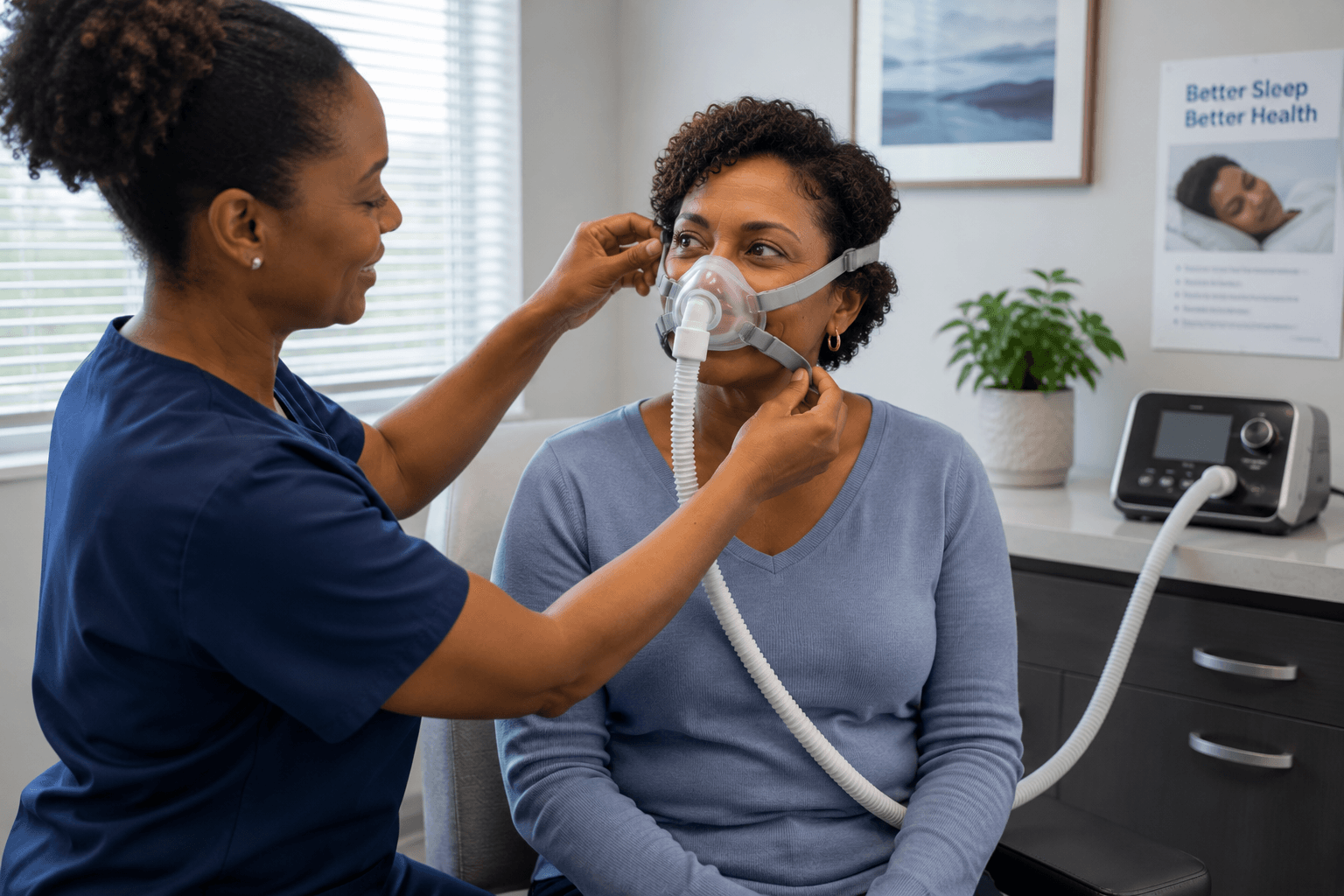
For most people with moderate to severe obstructive sleep apnea, continuous positive airway pressure (CPAP) therapy is the main treatment. A CPAP machine delivers a steady stream of air through a mask, which keeps the airway open through the night. Research links regular CPAP use to fewer breathing interruptions, better oxygen levels, and less strain on the heart.
CPAP only helps when you use it. Wearing the mask for only a few hours or skipping nights lets oxygen levels dip and symptoms return. If your mask is uncomfortable, leaks air, or irritates your skin, those problems can be fixed. Talk to your care team or a respiratory therapist about refitting the mask, trying a different style, or adjusting the humidity. Small changes often make a real difference in comfort, and in whether you keep using the device.
If you use an alternative therapy such as an oral appliance or have had surgery, the same principle applies: follow up regularly, report any changes in symptoms, and get your device checked or recalibrated as recommended.
Protect Your Airway With Weight Management
Excess weight, especially around the neck and upper airway, is one of the strongest risk factors you can change for obstructive sleep apnea. Fat tissue can press on the throat, making it more likely to collapse during sleep. Clinical studies also show that even modest weight loss can reduce the number of apnea events per hour, sometimes by a lot.
None of that means weight loss is easy, quick, or right for everyone. Body weight is shaped by genetics, hormones, medications, and many other factors. Aim for habits that support overall health and ease pressure on the airway, such as regular physical activity, a balanced eating pattern, and enough water, rather than a particular number on the scale. Work with your doctor or a registered dietitian to set realistic goals you can keep, since rapid weight loss can backfire.
Limit Alcohol and Sedatives, Especially at Night
Alcohol relaxes the muscles in the throat, which makes airway collapse more likely. Even one or two drinks in the hours before bed can increase how often apnea events happen, and how long they last, in people already prone to them. Studies of sleep architecture show that alcohol also suppresses the sleep stages when the body does its most restorative work, which adds to the harm.
Sedative medications can affect airway muscle tone in a similar way, including some sleep aids, anti-anxiety drugs, and muscle relaxants. If you take any of these regularly, talk with your prescribing clinician about how they might interact with your sleep apnea. Never stop a prescribed medication on your own, but do raise the concern so any adjustments can be considered.
Sleep Position Matters More Than You Might Think
Sleeping on your back lets the tongue and soft palate fall backward and partly block the airway. Some people have positional sleep apnea, where symptoms are clearly worse when lying on the back. For them, changing sleep position alone can cut apnea events substantially.
Side sleeping is a common starting point. Some people sew a tennis ball into the back of a sleep shirt, use a body pillow, or try a positional sleep device made to keep them off their back. If you are not sure whether position matters in your case, ask your sleep specialist. Data from a CPAP device download or a home sleep study can sometimes show it.
Manage Nasal Congestion and Allergies
Breathing through a congested nose forces more air through the mouth and throat, which can make both snoring and apnea worse. Ongoing congestion from allergies, sinusitis, or a structural issue like a deviated septum adds upper airway resistance on top of that.
Practical steps include:
- Treating underlying allergies with the guidance of an allergist or your primary care provider
- Using a saline nasal rinse before bed to clear irritants and mucus
- Keeping bedroom air clean by washing bedding regularly and using an air purifier if allergens are a trigger
- Elevating the head of the bed slightly, which can ease drainage
- Discussing nasal corticosteroid sprays or other options with your clinician if congestion is persistent
If you use CPAP, a heated humidifier attachment can help prevent the dry nasal passages that sometimes cause people to remove their masks during the night.
Prioritize Consistent, Quality Sleep
An irregular sleep schedule can disrupt your circadian rhythm, which affects how deeply you sleep and how well your airway muscles hold their tone. Chronic sleep deprivation, which is almost universal in undertreated sleep apnea, feeds a cycle: poor sleep worsens fatigue, and fatigue makes it harder to stick with therapy and healthy habits.
Good sleep hygiene practices that support consistent sleep include:
- Going to bed and waking at roughly the same time each day, including weekends
- Keeping the bedroom cool, dark, and quiet
- Limiting screen time and bright light in the hour before bed
- Avoiding caffeine in the afternoon and evening
- Creating a wind-down routine that signals to your body that sleep is approaching
Watch for Respiratory Warning Signs
Sleep apnea, especially when it is poorly controlled, can contribute to or worsen other respiratory conditions, including chronic obstructive pulmonary disease (COPD) and asthma. If you have both a sleep disorder and a lung condition, managing one can help the other.
Pay attention to changes in your breathing patterns, especially:
- Waking up gasping or choking more frequently than before
- Increased morning headaches, which can signal low overnight oxygen levels
- Daytime drowsiness that is not improving despite using your therapy device
- New or worsening shortness of breath during the day
- Swollen ankles or legs, which can sometimes be linked to heart-related complications of untreated apnea
Any of these symptoms warrants a prompt conversation with your healthcare provider. They are not causes for panic, but they are signals that your management plan may need revisiting.
Schedule Regular Follow-Up Appointments
Sleep apnea is a chronic condition, which means ongoing monitoring matters. Your airway anatomy, weight, and health status can change over time, and your treatment needs may shift with them. Most sleep specialists recommend periodic check-ins to review therapy data (most modern CPAP machines record nightly data), assess symptom control, and update your plan as needed.
If you have not had a formal sleep study or a therapy review recently, consider asking your primary care provider for a referral. Catching a drift in control early, before symptoms escalate, is far easier than managing a full flare-up or a later complication.
The Bottom Line
Preventing flare-ups and respiratory complications comes down to consistent, layered habits that protect your airway and your health night after night, not one dramatic fix. Using your therapy reliably, making supportive lifestyle choices, managing allergies and congestion, and staying in regular contact with your care team are the foundation of good long-term management.
Remember: Sleep apnea is common, treatable, and manageable. If your current approach is not giving you the relief you need, talk to your clinician rather than waiting. A change in therapy, some lifestyle support, or a specialist referral may be all it takes to breathe easier and sleep better.