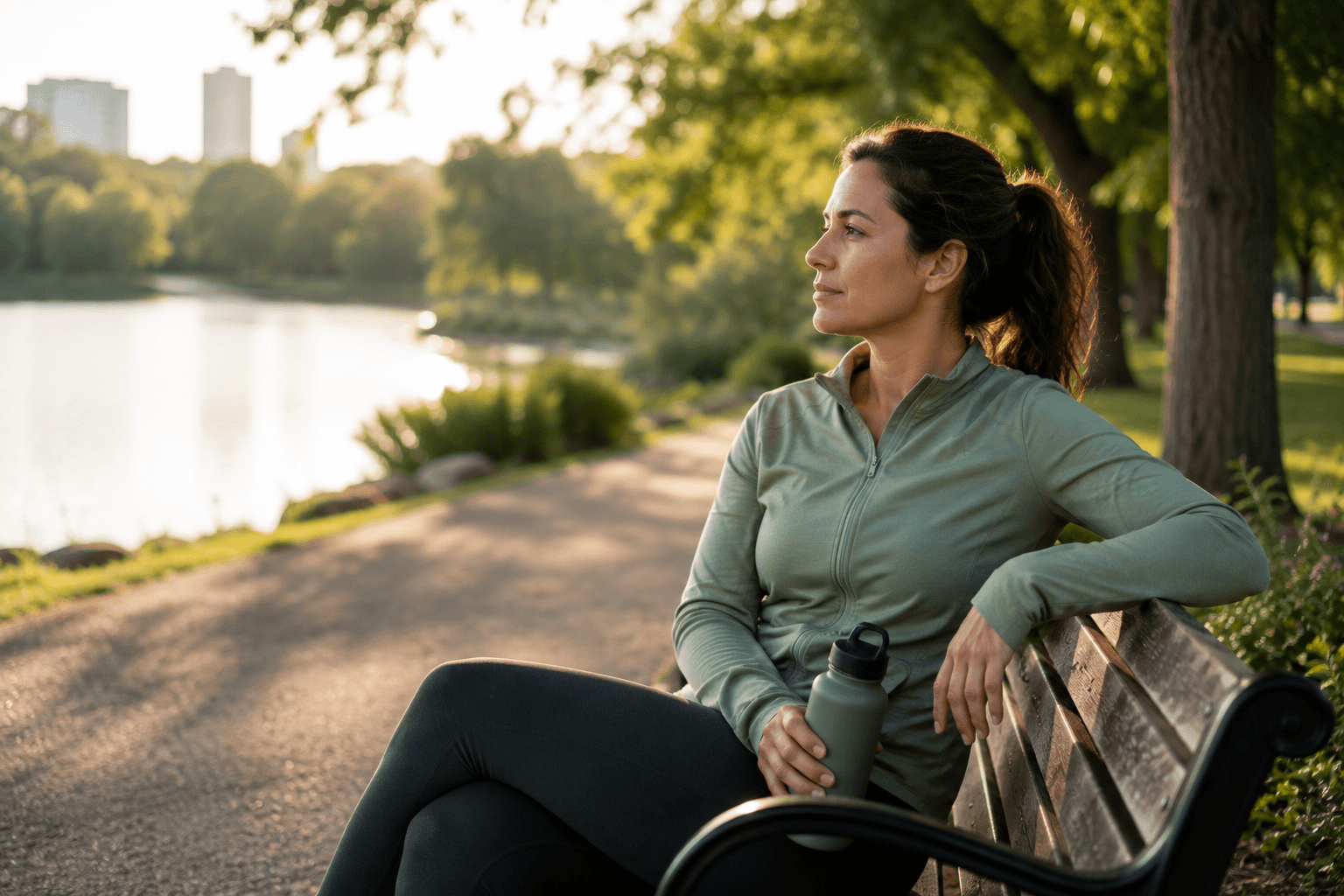
Everyone experiences stress and anxiety at some point. For many people, though, these feelings don't stay at a low hum. They spike suddenly, sometimes intensely, and can interfere with daily life, relationships, and even physical safety. Understanding why flare-ups happen, how to interrupt them early, and what to do when they escalate can make a real difference in your overall well-being.
Why Anxiety and Stress Can Feel So Physical
Anxiety and stress are not only mental experiences. When your brain perceives a threat, real or imagined, it triggers the body's fight-or-flight response, flooding your system with stress hormones like cortisol and adrenaline. Your heart rate climbs, breathing quickens, muscles tense, and attention narrows. This response evolved to help humans survive immediate physical danger, and it does its job well. The problem is that modern stressors, such as a difficult conversation, financial pressure, or a health scare, can trigger the same cascade even when no physical action is needed or possible.
Over time, if the nervous system stays in a heightened state, it can become more reactive, making flare-ups more frequent or more intense. This is sometimes described as a lowered stress threshold. Recognizing this cycle is the first step toward breaking it.
Recognize Your Early Warning Signs
One of the most effective ways to prevent a full-blown anxiety or stress flare-up is to catch it early. Your body usually gives signals before things escalate. Common early warning signs include:
- A tightening in the chest or throat
- Shallow or rapid breathing
- Muscle tension in the neck, shoulders, or jaw
- Irritability or a short fuse
- Racing or repetitive thoughts
- A sense of dread or unease without a clear cause
- Difficulty concentrating or making simple decisions
Keeping a brief journal for a week or two can help you map your personal pattern: when flare-ups tend to happen, and which situations, times of day, or interactions seem to trigger them. This kind of self-awareness gives you a head start on intervention.
In-the-Moment Techniques to Interrupt a Flare-Up
When anxiety spikes, the goal is to send a calming signal to your nervous system. Several techniques are supported by research on the body's stress response:
Controlled Breathing
Slow, deliberate breathing activates the parasympathetic nervous system, the branch responsible for rest and recovery. A simple approach is to inhale for a count of four, hold briefly, then exhale slowly for a count of six or more. The extended exhale is the important part; it's what most directly signals safety to the brain. Even a few cycles can measurably slow heart rate.
Grounding Techniques
Grounding exercises redirect attention from anxious thoughts to the present moment through the senses. The widely used 5-4-3-2-1 method asks you to notice five things you can see, four you can physically feel, three you can hear, two you can smell, and one you can taste. This kind of sensory anchoring can interrupt the mental spiral that feeds a flare-up.
Progressive Muscle Relaxation
This technique involves deliberately tensing and then releasing muscle groups throughout the body, working from your feet upward. Clinical research, particularly in the context of anxiety disorders and chronic stress, has found that this practice can reduce physical tension and promote a sense of calm. It takes practice but becomes more effective over time.
Cold Water or Temperature Change
Splashing cold water on your face or holding an ice cube briefly stimulates the dive reflex, a physiological response that slows the heart rate. While more research is needed on this approach for everyday anxiety, many clinicians include temperature-based strategies in tools for managing intense emotional states.
Longer-Term Habits That Lower Your Baseline Stress
Managing flare-ups in the moment is important, but building resilience over time matters just as much. Several lifestyle factors have consistent support in the research literature:
- Regular physical activity: Exercise helps metabolize stress hormones and has well-documented effects on mood. Even moderate-intensity movement, like brisk walking, done consistently appears to reduce anxiety over time.
- Consistent sleep: Sleep deprivation lowers the stress threshold significantly. Prioritizing a regular sleep schedule supports the brain's ability to regulate emotion.
- Limiting caffeine and alcohol: Both substances can worsen anxiety. Caffeine directly stimulates the stress response; alcohol may temporarily blunt anxiety but often increases it in the hours that follow.
- Mindfulness and meditation practices: Studies using brain imaging have shown that regular mindfulness practice can over time change how the brain responds to stressors, reducing reactivity in areas associated with fear and alarm.
- Social connection: Isolation tends to amplify anxiety. Spending time with trusted people, even briefly, can buffer the physiological effects of stress.
- Reducing uncertainty where possible: Anxiety often thrives on unpredictability. Where you can, create routines, set boundaries, or break large problems into smaller actionable steps.
Understanding Safety Risks During High Anxiety
This is an area that doesn't get discussed enough: when anxiety or stress reaches very high levels, it can create real safety concerns, not just emotional distress.
Severely elevated stress affects judgment, reaction time, and decision-making. In practical terms, this can mean:
- Driving while acutely anxious or panicking increases crash risk, because attention narrows and cognitive flexibility is reduced.
- Operating machinery or making high-stakes decisions while in a stress flare-up can lead to errors that would otherwise be avoided.
- Conflict escalation: Heightened physiological arousal makes it harder to regulate anger, increasing the risk of verbal or physical altercations.
- Self-harm or suicidal thinking: For some people, extreme anxiety or panic is accompanied by thoughts of escape that can cross into dangerous territory. This is a medical situation that deserves immediate support.
If you notice that your anxiety or stress ever leads to thoughts of harming yourself or others, please reach out for help right away. You can contact the 988 Suicide and Crisis Lifeline by calling or texting 988 in the United States, available around the clock.
Building a Personal Safety Plan
A safety plan is a written, personalized guide you prepare in advance for moments when distress becomes severe. Originally developed for crisis situations, safety plans are now recommended more broadly by mental health professionals for anyone who experiences intense or unpredictable anxiety. A basic safety plan might include:
- Your personal warning signs that a flare-up is escalating
- Coping strategies that have worked for you in the past
- People you can contact for support, along with their phone numbers
- Professional or crisis resources (such as your therapist's after-hours line or 988)
- Steps to reduce access to means of harm if thoughts of self-injury arise
A mental health professional can help you build one that's realistic and tailored to your situation.
When to Seek Professional Help
Self-help strategies are genuinely useful, but they have limits. Consider talking to a clinician if:
- Anxiety or stress is significantly interfering with work, relationships, or daily functioning
- Flare-ups are becoming more frequent, longer-lasting, or harder to manage
- You are relying on alcohol, cannabis, or other substances to cope
- You are experiencing panic attacks
- You have thoughts of harming yourself or others
- Physical symptoms (chest pain, difficulty breathing, dizziness) accompany your anxiety and have not been evaluated medically
Effective, evidence-based treatments exist for anxiety disorders and chronic stress, including certain forms of therapy such as cognitive behavioral therapy (CBT) and, in some cases, medication. A primary care provider is a good starting point if you're unsure where to begin.
A note on personalized care: The strategies in this article are general and educational. They are not a substitute for individualized advice from a licensed health or mental health professional. If you are concerned about your mental health or safety, please speak with a qualified clinician.
The Takeaway
Anxiety and stress flare-ups are common, and they're manageable with the right tools, habits, and support. Learning to recognize your early warning signs, practicing in-the-moment techniques, building longer-term resilience, and knowing when to reach out for help can significantly reduce both the frequency of flare-ups and the risks that come with them. You don't have to navigate this alone, and getting help early is almost always better than waiting until things become a crisis.