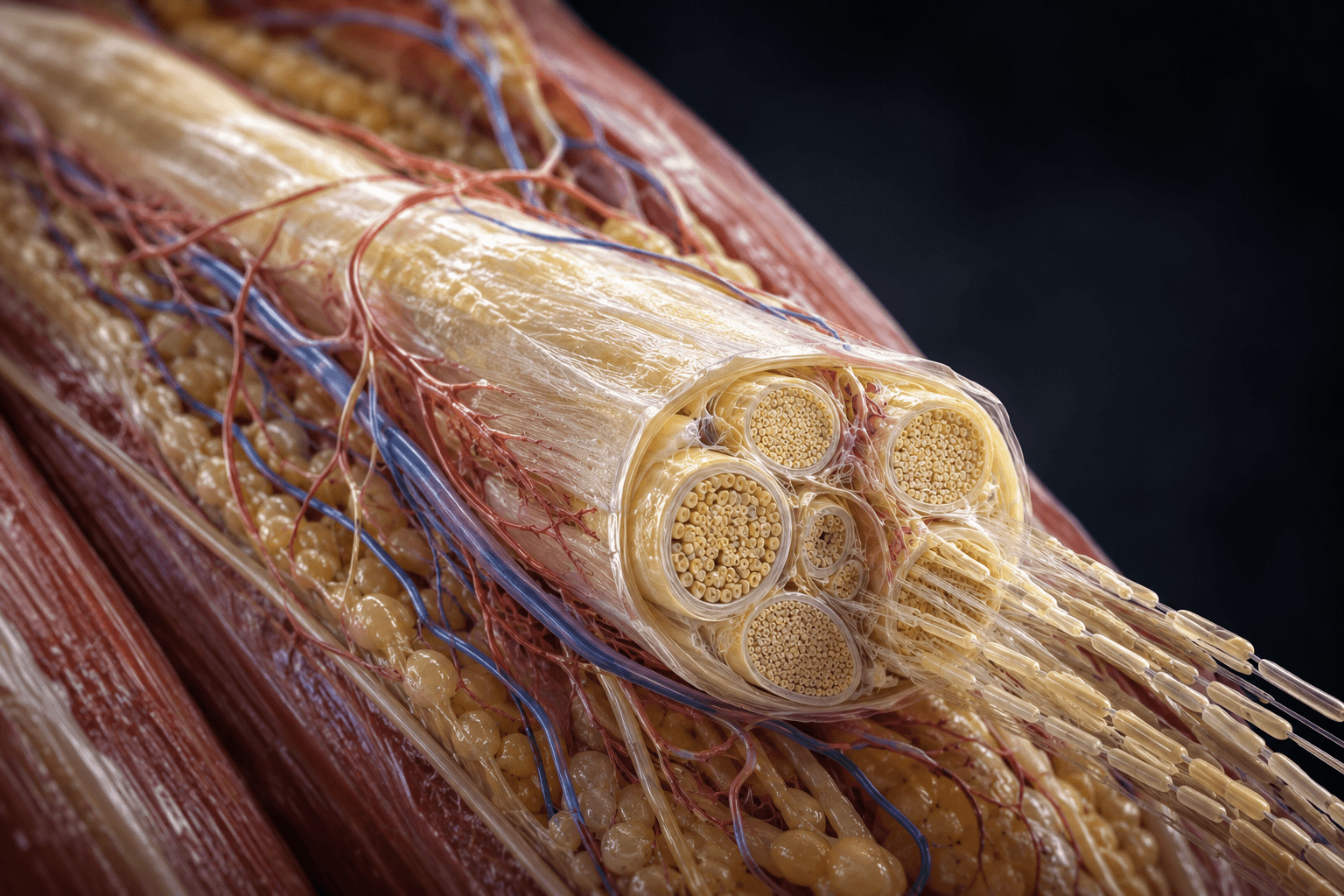
Peripheral neuropathy, damage or dysfunction affecting the nerves outside the brain and spinal cord, can make ordinary moments feel unpredictable. A flare-up might arrive as a sudden surge of burning pain, electric-shock sensations, or deep aching in the hands and feet. At other times the same nerves go quiet in a different, unsettling way: numbness that makes it hard to feel the ground beneath you or notice a cut on your foot.
Living with neuropathy means managing two things at once: the pain and discomfort of flares, and the hidden safety risks that come with altered sensation. Many of those risks can be addressed. This article covers evidence-informed strategies, spanning lifestyle habits and home changes, that can reduce how often flares happen and how dangerous they are when they do.
Important: Neuropathy has many causes, and the right management plan depends on your underlying condition. Always work with a physician, neurologist, or pain specialist for decisions about your care.
Understand What Triggers Your Flares
Neuropathy flare-ups are rarely random. Common triggers include:
- Blood sugar swings. In diabetic neuropathy, one of the most common forms, episodes of high or low blood glucose can directly worsen nerve irritation.
- Alcohol. It is toxic to nerve fibers and can amplify pain signals, even in small amounts for sensitive people.
- Cold or heat exposure. Temperature extremes can provoke heightened nerve firing in already-damaged fibers.
- Prolonged pressure. Sitting or lying in one position for a long time can compress vulnerable nerves.
- Physical overexertion or specific movements. Certain postures or activities may aggravate nerve roots, particularly in neuropathy with a spinal component.
- Stress and poor sleep. The nervous system's pain-processing centers are closely tied to stress hormones and sleep quality, so mental and physical fatigue can lower your pain threshold.
Keeping a simple symptom diary, noting time, activity, food, sleep, and pain level, can reveal patterns that neither you nor your clinician might otherwise spot.
Address the Underlying Cause When Possible
Treating the root condition is the most powerful way to slow neuropathy and reduce flares. The underlying cause matters a great deal:
- Diabetes: Consistent blood sugar management is associated with slower nerve damage progression and fewer painful episodes. This typically involves a combination of diet, physical activity, medication, and regular monitoring.
- Nutritional deficiencies: Deficiencies in B vitamins, particularly B12, are a recognized cause of neuropathy. Correcting a documented deficiency under medical guidance can sometimes improve symptoms meaningfully.
- Autoimmune or inflammatory causes: Conditions like Guillain-Barré syndrome or chronic inflammatory demyelinating polyneuropathy may respond to specific immunological treatments prescribed by a neurologist.
- Medication-induced neuropathy: Some chemotherapy drugs and other medications list nerve damage as a side effect. A conversation with your prescribing physician about dose adjustments or alternatives may be warranted. Never stop a prescribed medication on your own.
Move Regularly, but Wisely
Exercise may seem counterintuitive when movement causes discomfort, but research consistently shows that regular physical activity supports nerve health by improving circulation, reducing inflammation, and helping regulate blood sugar. Some studies suggest aerobic exercise may even promote nerve fiber regeneration over time, though this is an active area of research rather than a settled conclusion.
Practical starting points include:
- Low-impact aerobic activity. Walking, swimming, and cycling place less stress on sensitive feet while still delivering cardiovascular and metabolic benefits.
- Balance and stability training. Because neuropathy can impair proprioception (your body's sense of its own position), targeted balance exercises, such as standing on one foot near a wall, can reduce fall risk over time.
- Stretching. Gentle stretching keeps muscles from tightening around already-irritated nerves.
Start slowly, ideally with guidance from a physical therapist familiar with neuropathy, and stop any activity that significantly worsens symptoms.
Protect Your Feet Every Day
Foot care matters a lot. For many people with neuropathy, particularly diabetic neuropathy, foot injuries that go unnoticed because of numbness are a leading cause of serious complications.
- Inspect your feet daily. Look for cuts, blisters, redness, or swelling. Use a mirror or ask for help if needed.
- Never go barefoot, even indoors. Shoes or well-fitting slippers protect against cuts and burns from surfaces you cannot feel properly.
- Choose footwear carefully. Well-cushioned, properly fitted shoes reduce pressure points. Certified diabetic footwear exists specifically for this purpose and may be covered by insurance with a prescription.
- Keep skin moisturized, but avoid applying lotion between the toes, where moisture can encourage fungal growth.
- See a podiatrist regularly. A podiatrist can address nail care, calluses, and early problem spots before they become serious wounds.
Reduce Fall Risk at Home
Numbness in the feet and legs affects balance and your ability to detect uneven surfaces, which substantially raises the risk of falls. Many falls happen at home, and most home hazards are fixable.
- Lighting: Ensure hallways, staircases, and bathrooms are well lit at night. Nightlights in key areas cost little and can prevent serious injuries.
- Rugs and clutter: Remove loose throw rugs or secure them with non-slip backing. Clear pathways of cords, shoes, and other tripping hazards.
- Bathroom safety: Install grab bars near the toilet and in the shower or tub. Use a non-slip mat on wet surfaces.
- Stair safety: Ensure handrails are sturdy and present on both sides if possible.
- Assistive devices: If your balance is significantly affected, a cane or walker, properly fitted by a physical or occupational therapist, can restore confidence and stability.
Manage Pain Flares with Non-Drug Strategies
Non-pharmacological approaches won't replace medication for everyone, but they can meaningfully reduce flare intensity and duration, and many have a low risk profile.
- Topical treatments: Capsaicin-based creams and lidocaine patches work locally on the skin's nerve fibers and are used by some people to blunt burning or shooting pain. They require consistent application and physician guidance on appropriate use.
- Heat and cold: Some people find warm soaks ease deep aching; others find cold packs help with burning. Important: if sensation is impaired, check the temperature carefully before putting anything on your skin, to avoid burns or frostbite you cannot feel.
- TENS (transcutaneous electrical nerve stimulation): Small portable devices deliver mild electrical pulses that may interrupt pain signals. Evidence is mixed, but some people with neuropathic pain report benefit.
- Mindfulness and relaxation techniques: Pain research increasingly shows that the brain's interpretation of pain signals can be influenced by psychological state. Mindfulness-based stress reduction, guided imagery, and breathing exercises have been studied in chronic pain populations and can complement other treatments.
- Acupuncture: Some clinical trials suggest acupuncture may help reduce neuropathic pain for certain individuals, though evidence quality varies. If you're considering it, look for a licensed practitioner and inform your treating physician.
Talk to Your Doctor About Medication Options
For moderate to severe neuropathic pain, several medication classes are commonly prescribed. These include certain antidepressants (which affect pain-signaling pathways in addition to mood), anticonvulsants that calm overactive nerve firing, and topical agents. Opioid medications are generally considered a later-line option for neuropathic pain given their risk-benefit profile.
Every medication carries potential side effects and interactions, and what works for one person may not suit another. Be candid with your clinician about how much pain you're in; many people under-report it out of habit or worry about being dismissed. A pain specialist or neurologist can help if your current plan isn't giving you adequate relief.
Prioritize Sleep and Stress Management
Neuropathic pain is notorious for disrupting sleep, and poor sleep in turn lowers pain tolerance, creating a cycle that is hard to break. Tackling sleep directly, whether through better sleep habits, treating an underlying disorder like sleep apnea, or working with a clinician on short-term support, can have real downstream effects on pain and overall function.
Chronic stress also amplifies the nervous system's sensitivity to pain. Strategies that lower the stress load, such as regular movement, social connection, psychological support, or formal stress-reduction programs, are legitimate parts of neuropathy management, not optional extras.
Build Your Care Team
Neuropathy management works best as a team effort. Depending on your situation, relevant providers might include your primary care physician, a neurologist, an endocrinologist (for diabetes-related neuropathy), a physical therapist, an occupational therapist, a podiatrist, and a pain specialist. Don't hesitate to ask for referrals if you feel your current plan isn't keeping up with your needs.
A note on new or worsening symptoms: If you notice a sudden change in your neuropathy, such as rapid worsening, new weakness, loss of bladder or bowel control, or symptoms spreading quickly, seek medical attention promptly. These can signal a condition that needs urgent evaluation.
Living with neuropathy is hard, but you have options. With a combination of trigger awareness, root-cause management, physical care, home safety measures, and support from a knowledgeable care team, many people reduce how often flares happen, lower their injury risk, and keep a good quality of life.