Living with Parkinson's disease means managing a condition that can shift from day to day, and sometimes hour to hour. Periods when symptoms feel more intense, often called "off" episodes, can disrupt movement, mood, and independence in ways that feel unpredictable and frustrating. Parkinson's is a progressive neurological condition with no current cure, but a growing body of research supports strategies that can reduce the frequency and severity of difficult episodes and lower the risk of falls, injuries, and other safety concerns.
This guide is meant to help people with Parkinson's disease, along with their families and caregivers, understand what drives flare-ups and what practical steps can be taken in partnership with a care team.
Understanding "Off" Episodes and What Triggers Them
Parkinson's disease occurs when neurons in the brain that produce dopamine are gradually lost. Dopamine helps coordinate smooth, controlled movement. Most people with Parkinson's are treated with medications, most commonly levodopa, that help replenish or mimic dopamine's effects. As the condition progresses, though, these medications can become less predictable.
An "off" episode happens when medication effects wear off before the next dose is due, or when the body doesn't absorb a dose effectively. During these windows, motor symptoms like tremor, stiffness, and slowness can return or worsen. Non-motor symptoms, including anxiety, sweating, pain, and cognitive fog, can also intensify.
Common factors that can contribute to off episodes and symptom flare-ups include:
- Inconsistent medication timing. Taking doses late or missing them can significantly affect symptom control.
- Protein-heavy meals near medication times. Dietary protein can compete with levodopa for absorption in the gut and brain, sometimes reducing its effectiveness.
- Illness or infection. Even a mild infection can temporarily worsen Parkinson's symptoms.
- Poor sleep. Sleep disruption is both a symptom and an aggravating factor. Inadequate rest can make motor and non-motor symptoms harder to manage.
- Stress and anxiety. Emotional stress is known to worsen tremor and stiffness in many people.
- Dehydration and constipation. Both can affect how medications are absorbed and how the body functions overall.
Medication Management: The Foundation of Symptom Control
Consistent, well-timed medication use is one of the most important tools for reducing off episodes. It sounds straightforward, but in practice it takes careful attention.
Work closely with your neurologist or movement disorder specialist to:
- Review whether your current dosing schedule matches how your symptoms actually behave throughout the day.
- Discuss whether adjustments in dose timing, formulation (such as extended-release options), or additional medications might help smooth out fluctuations.
- Ask about rescue options. Some people benefit from fast-acting treatments that can help during unexpected off periods.
Never adjust Parkinson's medications on your own. Even small changes can have significant effects, and a specialist familiar with your history is best positioned to guide those decisions.
It also helps to keep a simple symptom diary that notes when you feel "on" versus "off," what you ate, how you slept, and any stressors. This kind of record can give your care team information they can't always gather from a brief office visit.
Nutrition Timing and Hydration
Because dietary protein can interfere with levodopa absorption for some people, many clinicians recommend taking levodopa on an empty stomach or at least 30 minutes before meals. This isn't right for everyone, though. Some people experience nausea when taking medication without food. Talk with your doctor or a registered dietitian familiar with Parkinson's before making changes to how you eat around medication times.
Staying well hydrated supports overall body function and can help with constipation, which is common in Parkinson's and can slow medication absorption. Aiming for consistent fluid intake throughout the day, rather than large amounts at once, is a reasonable general approach for most people.
Exercise: A Powerful, Evidence-Backed Tool
Physical activity is one of the most consistently supported interventions in Parkinson's research. Studies examining different types of exercise, including aerobic activity, resistance training, balance training, tai chi, and dance, have shown benefits for motor symptoms, balance, mood, and quality of life.
Exercise appears to support brain health through several mechanisms, including promoting neuroplasticity (the brain's ability to reorganize and adapt) and reducing inflammation. Some research also suggests that regular physical activity may help slow the progression of certain symptoms, though this remains an active area of study.
Approaches that have shown particular promise for people with Parkinson's include:
- Rhythmic, repetitive movement: activities like cycling, walking to music, or dancing, which may help the brain use external cues to coordinate movement.
- Balance and strength training: tai chi and targeted physical therapy programs have been studied for their effects on fall risk.
- LSVT BIG therapy: a specialized physical therapy program designed specifically for Parkinson's that focuses on amplitude (bigger movements).
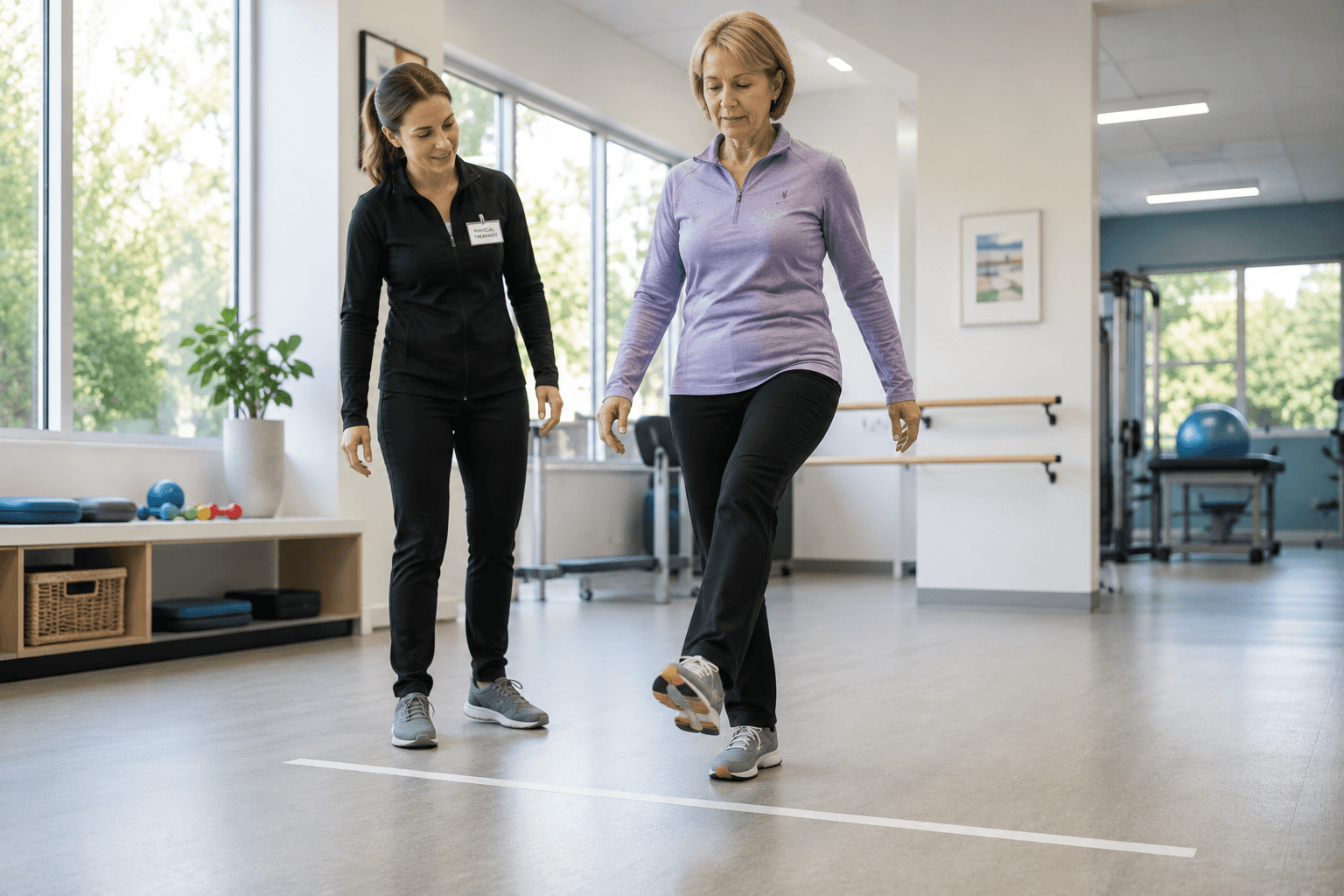
Before starting or changing an exercise routine, talk with your neurologist and consider a referral to a physical therapist with experience in movement disorders. They can help tailor a program to your current abilities and goals.
Fall Prevention: Reducing the Most Common Safety Risk
Falls are one of the most serious safety concerns for people with Parkinson's. Postural instability, or difficulty maintaining balance, becomes more common as the condition progresses. Freezing of gait, where a person feels momentarily "stuck" and unable to initiate movement, also increases fall risk.
Practical steps that can help reduce fall risk include:
- Home modifications. Remove loose rugs, improve lighting (especially at night), add grab bars in bathrooms, and clear pathways throughout the home. An occupational therapist can conduct a home safety evaluation and make personalized recommendations.
- Footwear. Wear shoes with thin, firm soles and avoid slippers or shoes that shuffle easily. Avoid walking in socks on hard floors.
- Cueing strategies for freezing episodes. Visual cues (such as lines on the floor), auditory cues (counting out loud or using a metronome), and attentional strategies can help people move through freezing episodes. A physical therapist can teach these techniques.
- Assistive devices. Walking aids, when properly fitted and chosen, can provide stability. A physical therapist should guide the selection and use of any assistive device.
- Medical alert systems. Wearable devices that allow someone to call for help if they fall can provide an important safety net, particularly for those who live alone.
Sleep, Stress, and Mental Health
Non-motor symptoms of Parkinson's, including anxiety, depression, and sleep disturbances, are common and often undertreated. They also directly affect how well a person manages motor symptoms and daily safety.
Sleep disorders in Parkinson's are varied and can include insomnia, REM sleep behavior disorder (acting out dreams), restless legs, and excessive daytime sleepiness. A sleep specialist or neurologist familiar with Parkinson's can evaluate these symptoms and recommend appropriate interventions, which may include behavioral strategies, medication adjustments, or other therapies.
For anxiety and depression, both psychotherapy (particularly cognitive behavioral therapy) and medications have evidence supporting their use in Parkinson's populations. These are recognized neurological features of the disease, not just emotional reactions, and treating them can meaningfully improve overall symptom management.
Stress reduction practices such as mindfulness, gentle yoga, or breathing exercises may also help, though they work best as complements to, not substitutes for, professional care.
Caregiver and Family Involvement
Family members and caregivers play an essential role in Parkinson's safety. Open communication about symptoms, changes, and concerns helps everyone involved respond more effectively.
"The most important safety net for many people with Parkinson's is someone who knows what their baseline looks like, and who notices when something feels different."
Caregivers should also be aware of their own well-being. Caregiver burnout is real and can reduce the quality of support provided. Many Parkinson's organizations and local support groups offer resources specifically for caregivers.
When to Contact a Clinician
Not every difficult day requires an urgent call, but certain changes deserve prompt attention. Reach out to your care team if you notice:
- A sudden or significant worsening of symptoms not explained by missed medication
- New confusion, hallucinations, or behavioral changes
- A fall, especially if it involves a head injury
- Signs of infection, such as fever or burning with urination
- Difficulty swallowing or unexplained weight loss
A Note on Personalized Care
Parkinson's disease varies significantly from person to person. What helps one individual manage symptoms may not be the right approach for another. The strategies described here reflect general evidence-informed principles, but your care plan should be developed in close partnership with a neurologist or movement disorder specialist who knows your specific situation.
If you don't yet have access to a movement disorder specialist, ask your primary care provider for a referral. Many academic medical centers and larger neurology practices have dedicated Parkinson's programs, and telehealth has expanded access for people in more rural or underserved areas.
Living well with Parkinson's is possible. The right combination of medical management, lifestyle strategies, and support can make a real difference in both safety and quality of life.