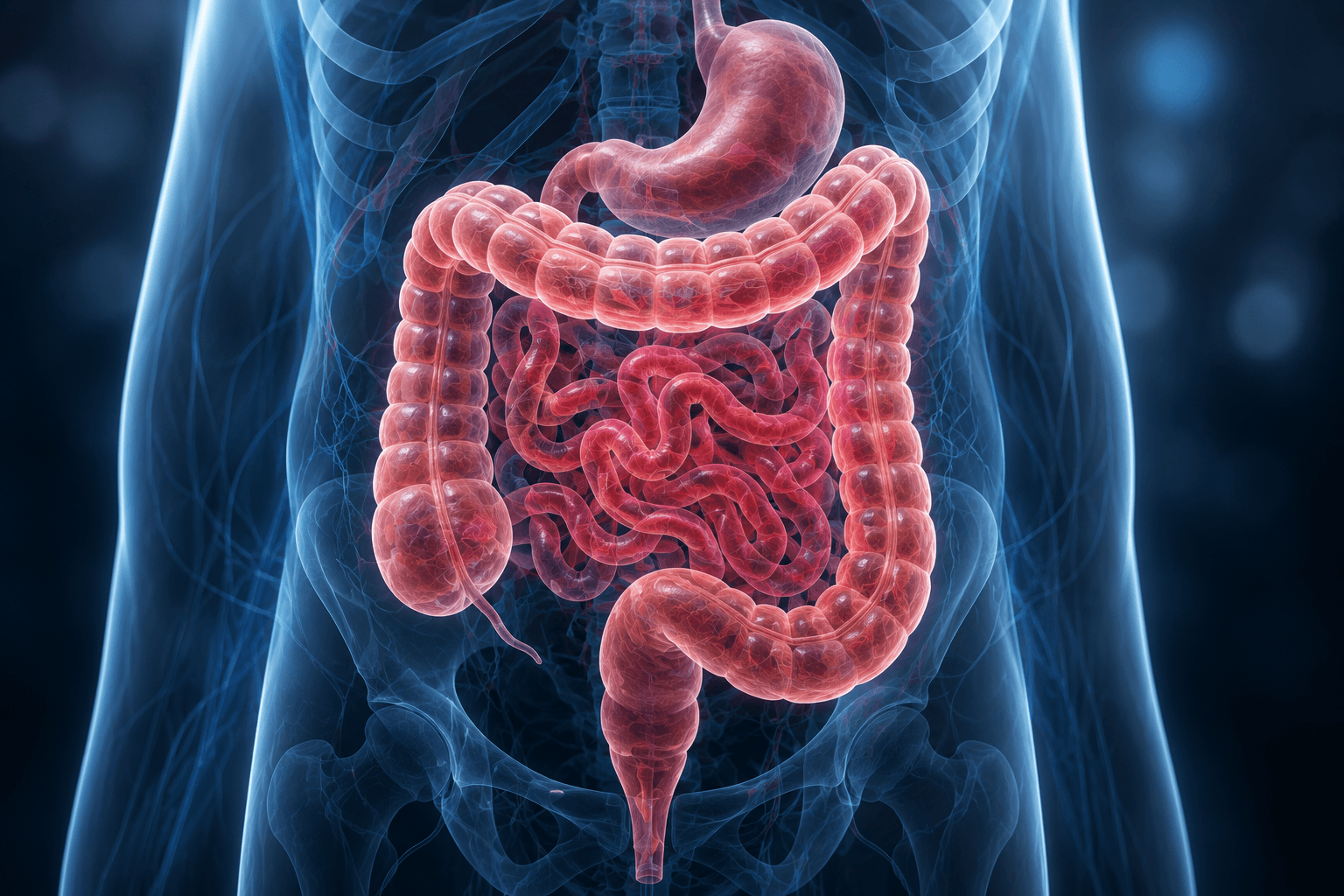
Digestive symptoms are common, but they can be difficult to interpret. Bloating, stomach pain, diarrhea, constipation, gas, urgency, and changes in stool can happen after a meal, during stress, after an infection, or as part of a longer-term digestive condition.
Irritable bowel syndrome, often called IBS, is one of the most common explanations for ongoing digestive discomfort. It can cause abdominal pain along with changes in bowel habits, such as diarrhea, constipation, or both. IBS can be uncomfortable and disruptive, but it does not usually damage the digestive tract.
The challenge is that IBS symptoms can overlap with other conditions, including food intolerances, celiac disease, inflammatory bowel disease, infections, medication side effects, thyroid problems, and colorectal cancer. That is why it is important to understand what IBS commonly looks like, what risk factors matter, and which warning signs should be checked by a healthcare provider.
What Is IBS?
IBS is a chronic disorder of gut function. This means the digestive tract may look normal on routine testing, but the way it moves, senses, and responds to signals may be disrupted.
People with IBS often have a more sensitive gut. Normal amounts of gas, stretching, or stool movement may cause pain or discomfort. The muscles of the intestines may also contract too quickly or too slowly, leading to diarrhea, constipation, or a pattern that alternates between both.
IBS is different from inflammatory bowel disease, often called IBD. IBD includes Crohn’s disease and ulcerative colitis, which involve inflammation and can damage the digestive tract. IBS can be painful and life-disrupting, but it is not the same as IBD and does not usually lead to intestinal damage.
Common IBS Symptoms
The most common IBS symptoms are abdominal pain and changes in bowel movements. The pain may improve or worsen after a bowel movement and may come with changes in stool frequency or stool appearance.
Common symptoms may include cramping, bloating, gas, diarrhea, constipation, urgency, straining, a feeling of incomplete emptying, and whitish mucus in the stool. Some people notice symptoms after meals, during stress, around menstrual periods, or after certain foods.
IBS symptoms can come and go. Some people have mild symptoms occasionally, while others have frequent flares that affect work, travel, sleep, social plans, and quality of life.
Types of IBS
IBS is often grouped by the main bowel pattern. This helps guide treatment and makes it easier to describe symptoms to a healthcare provider.
- IBS-C: IBS with constipation, where hard or infrequent stools are the main problem.
- IBS-D: IBS with diarrhea, where loose or frequent stools are the main problem.
- IBS-M: Mixed IBS, where symptoms alternate between constipation and diarrhea.
- IBS-U: Unclassified IBS, where symptoms do not clearly fit one of the other patterns.
These categories can change over time. A person may start with constipation-predominant symptoms and later develop mixed symptoms, or diarrhea may become more noticeable during periods of stress or after certain meals.
Digestive Issues That Can Look Like IBS
Not every digestive problem is IBS. Many conditions can cause similar symptoms, and some require different treatment.
Possible causes of IBS-like symptoms include lactose intolerance, fructose intolerance, celiac disease, inflammatory bowel disease, gastrointestinal infections, small intestinal bacterial overgrowth, bile acid diarrhea, gallbladder problems, endometriosis, thyroid disease, medication side effects, and colon or rectal disease.
This does not mean every person with bloating or bowel changes needs extensive testing. But symptoms should be evaluated when they are new, persistent, worsening, severe, or accompanied by warning signs.
Risk Factors for IBS and Digestive Symptoms
IBS can affect people of any age, but certain factors may increase the risk. These include having a family history of IBS, a history of anxiety or depression, high stress levels, previous gastrointestinal infection, food sensitivities, and changes in gut bacteria.
Some people develop IBS after a stomach infection, sometimes called post-infectious IBS. Others notice that symptoms flare during stressful periods, after poor sleep, or after eating certain foods. Hormonal changes may also play a role, and some people report worse symptoms around their menstrual cycle.
Digestive symptoms can also be influenced by diet, medications, alcohol, caffeine, smoking, lack of physical activity, dehydration, travel, and irregular eating patterns.
Food Triggers and IBS
Food does not cause IBS for everyone, but it can trigger symptoms in many people. Common triggers may include large meals, fatty foods, caffeine, alcohol, carbonated drinks, spicy foods, artificial sweeteners, dairy products, wheat, onions, garlic, beans, and certain high-FODMAP foods.
FODMAPs are fermentable carbohydrates that can draw water into the intestines and produce gas when gut bacteria break them down. A low-FODMAP diet may help some people with IBS, but it is usually best done with guidance from a registered dietitian because it can become overly restrictive if used incorrectly.
It is usually not helpful to remove many foods at once without a plan. A symptom and food diary can help identify patterns while reducing the risk of unnecessary restriction.
How IBS Is Diagnosed
IBS is usually diagnosed based on a pattern of symptoms, medical history, physical exam, and the absence of warning signs that suggest another condition. A healthcare provider may ask about abdominal pain, stool frequency, stool appearance, bloating, mucus, urgency, incomplete emptying, diet, stress, medications, menstrual cycle patterns, and family history.
Many clinicians use symptom-based criteria. IBS is often considered when recurrent abdominal pain is related to bowel movements and is associated with changes in how often stools happen or what stools look like.
Testing is not always needed for every person, but a provider may order blood tests, stool tests, celiac testing, thyroid testing, inflammation markers, or colonoscopy depending on age, symptoms, family history, and red flags.
How to Track Digestive Symptoms at Home
Tracking can help you explain your symptoms more clearly and may reveal patterns that are easy to miss. A simple diary can include bowel movement frequency, stool appearance, abdominal pain, bloating, urgency, meals, caffeine, alcohol, stress, sleep, menstrual cycle timing, medications, and supplements.
The Bristol Stool Form Scale is often used to describe stool texture, from hard lumps to watery stool. You do not need a perfect record, but noting whether stools are hard, loose, watery, or normal can help your provider understand the pattern.
Home tracking should support care, not replace it. If symptoms are severe, persistent, or include warning signs, it is better to seek medical evaluation than to keep experimenting on your own.
Common Mistake: Assuming Every Stomach Problem Is IBS
IBS is common, but it should not become a catch-all explanation for every digestive symptom. New symptoms, severe symptoms, or symptoms that are changing over time deserve attention.
For example, diarrhea that wakes you from sleep, blood in the stool, unexplained weight loss, iron deficiency anemia, fever, persistent vomiting, or a strong family history of colorectal cancer or inflammatory bowel disease may point to something other than IBS.
It is especially important not to self-diagnose IBS if you are older than 45 and have new bowel changes, or if symptoms are progressively worsening.
Common Mistake: Ignoring Constipation
Constipation is often dismissed as normal, but ongoing constipation can affect quality of life and sometimes lead to complications such as hemorrhoids, fissures, or fecal impaction.
Constipation may involve fewer bowel movements, hard stools, straining, bloating, or a feeling that you cannot fully empty. It can be related to low fiber intake, dehydration, low activity, medications, pelvic floor problems, thyroid disease, or IBS-C.
If constipation is new, persistent, painful, or associated with bleeding, weight loss, vomiting, or severe abdominal swelling, it should be checked.
Common Mistake: Overusing Laxatives or Anti-Diarrhea Medicines
Over-the-counter digestive medicines can be helpful in some situations, but they should be used carefully. Laxatives, fiber supplements, stool softeners, anti-diarrhea medicines, antacids, and probiotics can all affect symptoms differently depending on the cause.
Using anti-diarrhea medicine when you have an infection, severe abdominal pain, fever, or bloody diarrhea can be unsafe. Overusing stimulant laxatives may worsen cramping or lead to dependence in some cases.
If you need digestive medicines often, or if symptoms keep returning, it is time to discuss the pattern with a healthcare provider.
Common Mistake: Cutting Out Too Many Foods
Diet changes can help IBS, but overly restrictive diets can create new problems. Removing gluten, dairy, fiber, FODMAPs, or entire food groups without guidance may lead to nutrient gaps, anxiety around eating, social limitations, and confusion about what actually helps.
A better approach is to identify likely triggers, make changes one at a time, and reintroduce foods when appropriate. A registered dietitian can help create a plan that reduces symptoms without making the diet unnecessarily limited.
When to Get Checked
Talk to a healthcare provider if you have persistent changes in bowel habits, ongoing abdominal pain, frequent diarrhea, recurring constipation, bloating that does not improve, or symptoms that interfere with daily life.
You should also get checked if digestive symptoms begin after a recent infection, new medication, major diet change, or unexplained weight change.
Seek medical evaluation promptly if you have blood in the stool, black or tarry stools, unexplained weight loss, diarrhea that wakes you from sleep, iron deficiency anemia, fever, persistent vomiting, difficulty swallowing, severe abdominal pain, a new lump or swelling in the abdomen, or a family history of colorectal cancer, celiac disease, or inflammatory bowel disease.
When to Seek Urgent Care
Some digestive symptoms need urgent attention. Seek urgent medical care for severe or worsening abdominal pain, fainting, confusion, signs of dehydration, vomiting blood, heavy rectal bleeding, a rigid or swollen abdomen, inability to pass stool or gas with severe pain, or severe diarrhea with weakness or dizziness.
These symptoms are not typical IBS symptoms and may suggest a more serious condition that needs immediate evaluation.
How Digestive Issues Are Treated
Treatment depends on the cause and symptom pattern. For IBS, care may include diet changes, fiber adjustments, hydration, stress management, exercise, sleep improvement, gut-directed therapy, probiotics, and medications for constipation, diarrhea, pain, or bloating.
IBS-D may be treated differently from IBS-C. Someone with diarrhea-predominant symptoms may need strategies to reduce urgency and loose stools, while someone with constipation-predominant symptoms may need fiber, osmotic laxatives, prescription medications, or pelvic floor evaluation.
The goal is not only to reduce symptoms, but also to avoid missing conditions that require specific treatment.
The Bottom Line
IBS is a common digestive condition that can cause abdominal pain, bloating, gas, diarrhea, constipation, urgency, and changes in stool. It can be disruptive, but it does not usually damage the digestive tract.
Because IBS symptoms overlap with other digestive conditions, it is important to pay attention to red flags. Blood in the stool, unexplained weight loss, nighttime diarrhea, anemia, fever, persistent vomiting, severe pain, or new bowel changes later in life should be checked.
Tracking symptoms, stool patterns, foods, stress, sleep, and medications can help guide better conversations with a healthcare provider. But persistent or concerning symptoms should not be managed by guesswork alone.
If you are unsure whether your digestive symptoms are IBS or something else, ask a healthcare provider what testing or next steps are appropriate for your age, symptoms, and health history.
Medical disclaimer: This content is for informational purposes only and is not a substitute for professional medical advice, diagnosis, or treatment. Always consult your physician or qualified health provider.