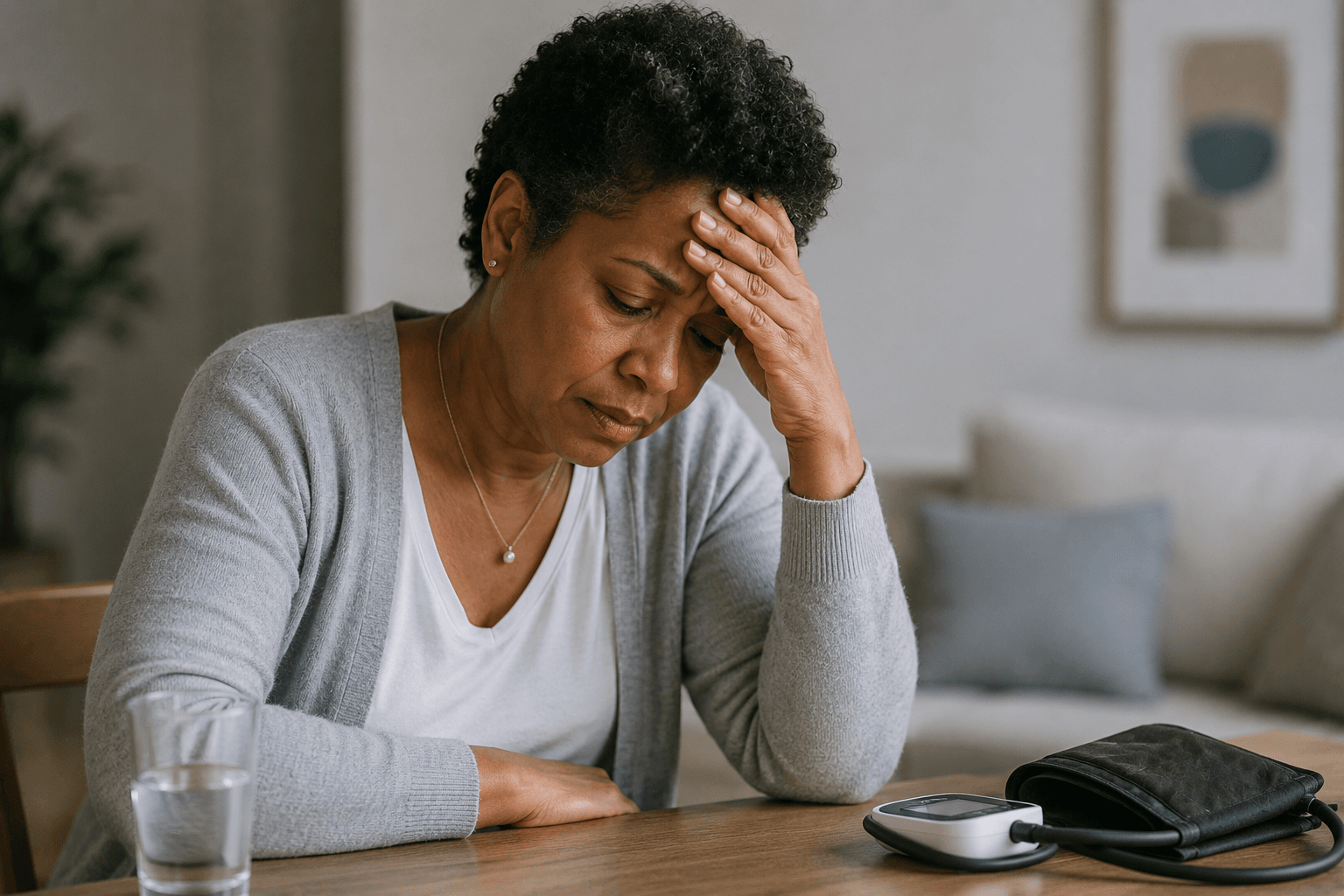
Most conversations about blood pressure focus on the dangers of readings that are too high. But blood pressure that drops too low, a condition called hypotension, can also cause real harm, especially when it falls suddenly or triggers symptoms that affect your brain, heart, or other vital organs.
The tricky part is that many people with low blood pressure feel perfectly fine. For them, a naturally lower reading is simply how their body works. The concern comes when blood pressure drops in a way that reduces blood flow to critical tissues, and certain warning signs can tell you when that line has been crossed.
Here is what to watch for, why it matters, and when to seek care.
What Is Low Blood Pressure?
Blood pressure is measured in two numbers: systolic (the pressure when your heart beats) over diastolic (the pressure between beats). A reading below roughly 90/60 mm Hg is generally considered low, though clinicians read numbers in context. An athlete with a naturally low resting pressure and no symptoms is in a very different situation than someone whose pressure suddenly drops after a medication change or an injury.
There are several recognized patterns of hypotension:
- Orthostatic (postural) hypotension: A drop in blood pressure that occurs when you stand up from sitting or lying down. It is one of the most common forms and can cause brief dizziness or lightheadedness.
- Postprandial hypotension: A drop after eating, as blood is redirected toward digestion. More common in older adults.
- Neurally mediated hypotension: A drop triggered by prolonged standing or emotional stress, linked to a miscommunication between the heart and brain.
- Severe or shock-related hypotension: A dangerous, often sudden drop caused by serious conditions such as significant blood loss, severe infection, a heart problem, or a severe allergic reaction.
Understanding which type you may be dealing with, and whether your symptoms fit a pattern that needs evaluation, is exactly the kind of conversation to have with your doctor or care team.
Everyday Symptoms vs. Red Flags
Not every symptom linked to low blood pressure is an emergency. Brief, mild lightheadedness when you rise quickly from a chair, for example, is very common and often passes within seconds. But some symptoms suggest that blood flow to the brain or other organs has dropped significantly, and those deserve prompt attention.
Red Flag #1: Fainting or Loss of Consciousness
Syncope, the medical term for fainting, happens when the brain does not receive enough blood flow, even briefly. A single fainting episode is not always a sign of something dangerous, but it should never be dismissed without evaluation. Falling during a faint can cause serious injury, and some causes of syncope, such as a heart rhythm problem, are potentially life-threatening. If you or someone nearby loses consciousness unexpectedly, contact a clinician or seek emergency care.
Red Flag #2: Sudden, Severe Dizziness or Vertigo
A moment of lightheadedness when you stand is one thing. Dizziness that is intense, comes on without warning, or lasts more than a few minutes is another. Severe dizziness can make it hard to stand or walk safely, which raises fall risk, particularly in older adults, for whom a fall can have serious consequences. If dizziness is disabling, recurring, or comes with other symptoms on this list, it warrants medical assessment.
Red Flag #3: Confusion or Difficulty Thinking Clearly
The brain is very sensitive to changes in blood supply. When blood pressure drops significantly, some people feel sudden mental fogginess, trouble concentrating, disorientation, or confusion that feels out of the ordinary. This is a meaningful warning sign. In older adults especially, a sudden change in mental clarity, sometimes called acute altered mental status, can be an early clue that something is wrong systemically, including inadequate blood pressure.
Red Flag #4: Blurred or Tunneling Vision
Vision that suddenly goes blurry, dims at the edges (tunnel vision), or briefly blacks out is a sign that the eyes and brain are not getting enough blood flow. This symptom often accompanies severe dizziness or comes just before fainting. Take it seriously, particularly when it is new, prolonged, or paired with other warning signs.
Red Flag #5: Rapid or Irregular Heartbeat
When blood pressure drops, the heart sometimes compensates by beating faster, which is a normal short-term response. But if you notice your heart pounding, racing, or beating irregularly alongside low blood pressure symptoms, that combination deserves medical evaluation. Certain heart rhythm disorders can both cause and result from significant blood pressure swings, and identifying them early matters.
Red Flag #6: Shortness of Breath
Difficulty breathing, especially at rest or with minimal activity, is not a typical feature of mild hypotension. When shortness of breath occurs alongside other signs of low blood pressure, it may mean the heart or lungs are under significant strain. This combination, particularly if it comes on suddenly, should prompt an urgent call to a healthcare provider or emergency services.
Red Flag #7: Chest Pain or Tightness
Chest discomfort in any form deserves serious attention. When it appears together with low blood pressure, the concern rises considerably, because that combination can point to conditions affecting the heart, including a heart attack or a significant arrhythmia. Do not wait to see if chest pain resolves on its own. Call emergency services.
Red Flag #8: Pale, Clammy, or Cold Skin
Skin that suddenly turns pale, cool, or damp and clammy, particularly alongside other symptoms, can be a sign that the body is diverting blood away from the skin to protect vital organs. This is a hallmark of shock, a life-threatening state in which blood pressure has dropped too low to sustain normal organ function. Other signs of shock include rapid shallow breathing, weakness, and confusion. This is a medical emergency. Call 911 immediately.
When Low Blood Pressure Becomes Shock
Shock is the most severe form of hypotension, and recognizing it can be life-saving. It can result from major blood loss (from trauma or internal bleeding, for example), a serious infection spreading through the bloodstream (septic shock), a severe allergic reaction (anaphylactic shock), or a significant cardiac event. The body's organs begin to fail when they are deprived of oxygenated blood for too long.
If you suspect someone is in shock (unconscious or barely responsive, breathing rapidly, with cold clammy skin and no obvious reason), call 911 immediately and stay with them until help arrives.
Populations Who May Be at Higher Risk
Some groups are more likely to experience clinically significant hypotension and its consequences:
- Older adults, whose blood pressure regulation tends to be less flexible and who face greater fall risk from dizziness
- People taking certain medications, including some blood pressure drugs, diuretics, antidepressants, and medications for Parkinson's disease or erectile dysfunction
- People with diabetes, particularly those with nerve damage (autonomic neuropathy) that affects blood pressure control
- People who are pregnant, as blood pressure commonly falls during the first and second trimesters
- Those recovering from illness, dehydration, or prolonged bed rest, when the body's ability to adjust blood pressure on standing may be temporarily reduced
If you fall into one of these groups and experience any of the red flags described above, reaching out to your care team promptly is especially important.
What You Can Do in the Moment
If you feel lightheaded or dizzy and suspect your blood pressure may have dropped:
- Sit or lie down immediately to reduce fall risk
- If lying down, you can raise your legs slightly to help return blood to your heart
- Sip water if you are able and are not feeling nauseated
- Avoid standing up quickly until the feeling passes
- If symptoms worsen, do not resolve within a few minutes, or include any of the red flags above, seek medical care
These steps are for mild, passing symptoms only. If you are experiencing chest pain, loss of consciousness, signs of shock, or severe shortness of breath, call 911 rather than waiting.
Talk to Your Doctor
Low blood pressure is not always a problem, but symptoms that affect your quality of life or safety deserve evaluation. A clinician can assess the pattern of your symptoms, review your medications, order relevant tests, and help identify whether an underlying condition is contributing. Do not try to self-diagnose or adjust medications on your own.
Knowing the difference between a routine dizzy spell and a genuine red flag is one of the most practical tools you have for protecting your health. When in doubt, ask a professional.