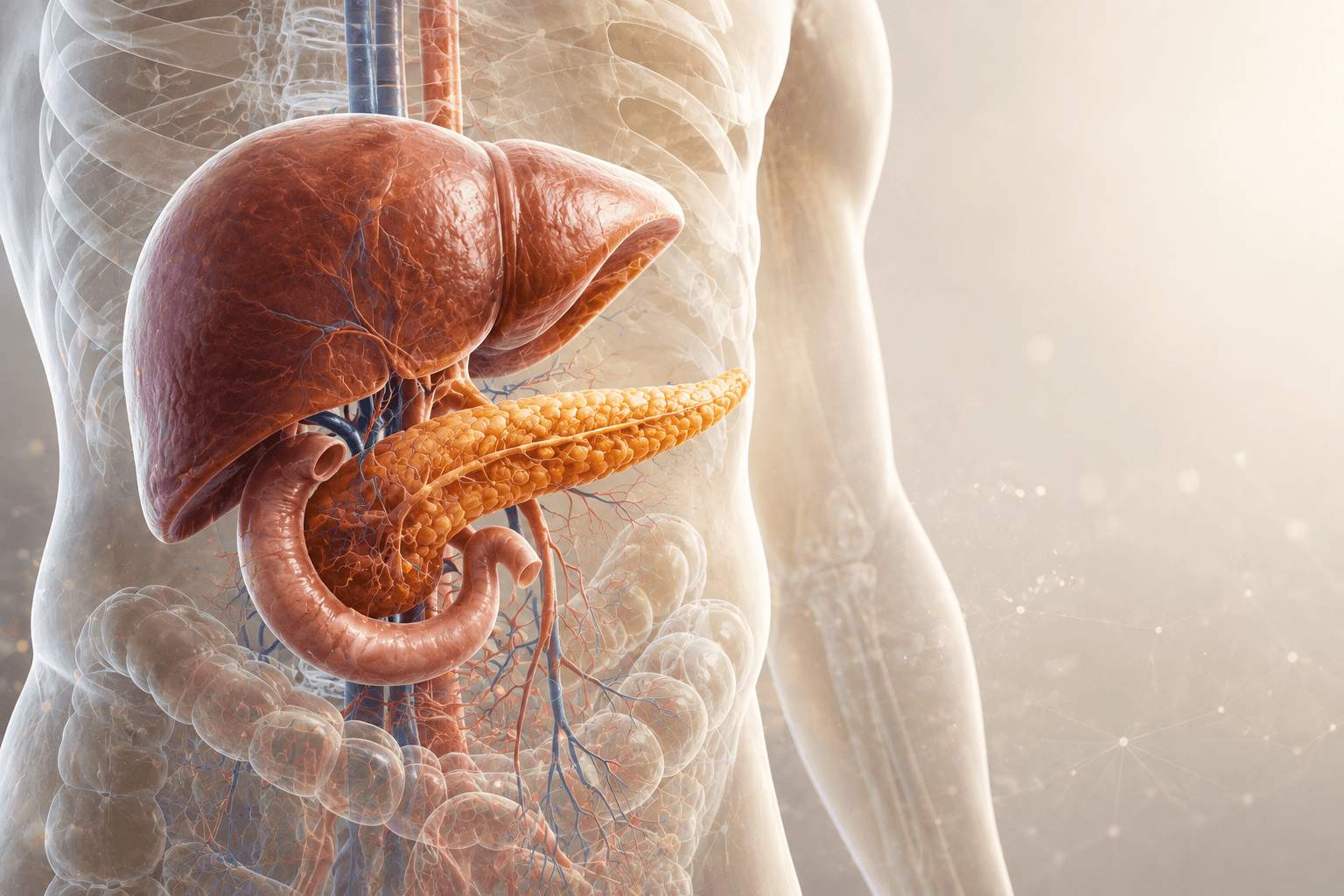
Insulin resistance happens when the body does not respond to insulin as well as it should. Insulin is a hormone that helps move sugar from the bloodstream into cells for energy. When cells become less responsive, the pancreas may need to make more insulin to keep blood sugar in a healthy range.
At first, insulin resistance may not cause obvious symptoms. Blood sugar may still look normal because the body is working harder to compensate. Over time, however, insulin resistance can raise the risk of prediabetes, type 2 diabetes, high triglycerides, fatty liver disease, high blood pressure, heart disease, stroke, and other metabolic complications.
Insulin resistance can often be improved. Reducing risk usually means paying attention to key health numbers, building sustainable lifestyle habits, and getting follow-up before blood sugar problems become more advanced.
What Is Insulin Resistance?
Insulin resistance means muscle, fat, and liver cells do not respond normally to insulin. Because insulin is less effective, glucose may have a harder time moving from the blood into cells. To keep up, the pancreas makes more insulin.
For a while, higher insulin levels may keep blood sugar from rising too much. But if the pancreas cannot keep up, blood sugar may increase. This can lead to prediabetes and, in some people, type 2 diabetes.
The National Institute of Diabetes and Digestive and Kidney Diseases explains that insulin resistance and prediabetes usually have no symptoms, and that people may have either condition for years without knowing it.
Why Complication Prevention Matters
Insulin resistance matters because it often appears alongside other risk factors. These may include excess abdominal weight, high blood pressure, high triglycerides, low HDL cholesterol, elevated fasting glucose, fatty liver disease, and inflammation.
When these risks cluster together, the chance of future diabetes and cardiovascular disease may increase. Prediabetes is also important because it raises the risk of type 2 diabetes, heart disease, and stroke. The CDC describes prediabetes as a serious health condition that increases the risk of developing type 2 diabetes, heart disease, and stroke.
Prevention works by catching changes early, improving the factors you can change, and using medical care when needed.
Key Number: Fasting Blood Sugar
Fasting blood sugar measures the amount of glucose in the blood after not eating for several hours, usually overnight. It can help identify whether blood sugar is in the normal, prediabetes, or diabetes range.
A single fasting glucose result should not be interpreted alone. Illness, stress, poor sleep, medications, recent meals, and lab timing can affect results. If a number is abnormal, a healthcare provider may repeat the test or order additional testing.
People with risk factors may need testing even if they feel well. NIDDK notes that healthcare professionals may order testing for prediabetes if a person is age 35 or older, or if they have overweight or obesity plus other risk factors for prediabetes or type 2 diabetes.
Key Number: A1C
A1C is a blood test that estimates average blood sugar over the past two to three months. It is commonly used to screen for prediabetes and diabetes and to monitor blood sugar patterns over time.
A1C is useful because insulin resistance can be present long before symptoms appear. However, A1C does not show daily highs and lows, and some medical conditions can affect accuracy. These may include anemia, kidney disease, recent blood loss, pregnancy, and certain blood disorders.
If A1C and symptoms do not match, ask your healthcare provider whether fasting glucose, oral glucose tolerance testing, or other evaluation is appropriate.
Key Number: Waist Circumference
Waist circumference is a practical way to estimate abdominal fat, which is closely linked with insulin resistance and metabolic risk. Fat stored around the abdomen, especially visceral fat around internal organs, can affect hormones, inflammation, blood sugar regulation, and blood fats.
A commonly used cutoff for increased metabolic risk is a waist measurement greater than 40 inches in men or greater than 35 inches in women. These numbers are general guidelines and may vary by ethnicity, body type, and clinical context.
Measure at about the level of the belly button after breathing out normally. Keep the tape snug but not tight. Tracking waist size over time can sometimes show progress even when scale weight changes slowly.
Key Number: Blood Pressure
Blood pressure is important because insulin resistance often appears with high blood pressure. When blood pressure stays high, it can damage blood vessels and increase the risk of heart disease, stroke, kidney disease, and other complications.
Home blood pressure monitoring may help identify patterns between office visits. Use the correct cuff size, sit quietly before measuring, keep your arm supported, and bring your readings to appointments.
If readings are often elevated, do not ignore them because you feel fine. High blood pressure often has no symptoms, but it can still increase long-term risk.
Key Number: Cholesterol and Triglycerides
Insulin resistance can affect blood fats. Many people with insulin resistance have higher triglycerides, lower HDL cholesterol, and changes in LDL cholesterol patterns.
A lipid panel usually measures total cholesterol, LDL cholesterol, HDL cholesterol, and triglycerides. These numbers help estimate cardiovascular risk and guide treatment decisions.
High triglycerides and low HDL cholesterol can be clues that the body is under metabolic strain. If your lipid panel is abnormal, ask your provider how it fits with your blood sugar, blood pressure, waist size, family history, and overall risk.
Key Number: Liver Health
Insulin resistance is closely linked with fatty liver disease, now often called metabolic dysfunction-associated steatotic liver disease. This can happen when excess fat builds up in the liver.
Fatty liver disease may not cause symptoms at first. Some people only learn about it through abnormal liver enzymes or imaging done for another reason. Over time, fatty liver can increase the risk of liver inflammation and scarring in some people.
A healthcare provider may check liver enzymes or recommend additional evaluation if you have insulin resistance, type 2 diabetes, obesity, high triglycerides, or other metabolic risk factors.
Build Meals Around Fiber and Protein
Food choices can affect blood sugar, insulin demand, fullness, triglycerides, and body weight. A practical starting point is to build meals around fiber-rich carbohydrates, lean or minimally processed protein, healthy fats, and plenty of non-starchy vegetables.
Fiber-rich foods include beans, lentils, vegetables, fruits, oats, barley, nuts, seeds, and whole grains. Protein sources may include fish, poultry, eggs, Greek yogurt, tofu, tempeh, legumes, and lean meats.
This does not mean every person needs the same diet. The best eating pattern depends on culture, preferences, medications, blood sugar response, kidney health, budget, and sustainability. A registered dietitian can help personalize the plan.
Reduce Sugary Drinks and Highly Processed Foods
Sugary drinks can raise blood sugar quickly and make it easier to consume excess calories without feeling full. Soda, sweet tea, energy drinks, sweetened coffee drinks, juice drinks, and frequent desserts may worsen metabolic risk for some people.
Highly processed foods can also make insulin resistance harder to manage when they replace higher-fiber, nutrient-dense meals. This is especially true when the overall pattern is high in refined starches, added sugars, and excess calories.
The realistic goal is a steady shift toward foods that support fullness, stable blood sugar, heart health, and habits you can keep, rather than a perfect diet.
Move More, Including After Meals
Physical activity helps muscles use glucose more effectively. It can improve insulin sensitivity, blood pressure, triglycerides, body composition, mood, sleep, and energy.
For many people, the best plan combines aerobic activity with resistance training. Walking, cycling, swimming, dancing, strength training, resistance bands, or bodyweight exercises can all be useful when matched to the person’s ability and safety needs.
Short walks after meals may also help some people manage post-meal blood sugar patterns. Start gradually if you have been inactive, have joint pain, heart disease, neuropathy, or other medical concerns.
Aim for Sustainable Weight Changes When Needed
For people with overweight, obesity, or excess abdominal fat, modest weight loss may improve insulin sensitivity and lower diabetes risk. NIDDK notes that the Diabetes Prevention Program showed that people at high risk for diabetes who lost 5% to 7% of their starting weight reduced their chance of developing diabetes.
That does not mean everyone should pursue rapid weight loss. Losing muscle, using extreme diets, or cycling through unsustainable plans can make long-term health harder.
A safer goal is a plan that preserves muscle, supports nutrition, improves key numbers, and can be maintained. For some people, this may include medical nutrition therapy, structured lifestyle programs, anti-obesity medication, or bariatric surgery evaluation.
Prioritize Sleep and Stress Management
Poor sleep can affect appetite, cravings, blood sugar, insulin sensitivity, blood pressure, and energy for physical activity. Chronic stress can also make meal planning, sleep, movement, and medication routines harder to maintain.
Sleep apnea is especially important. It is more common in people with insulin resistance and excess weight, and it can worsen blood pressure, fatigue, and metabolic health. Signs may include loud snoring, gasping during sleep, morning headaches, and daytime sleepiness.
If sleep is poor or stress feels unmanageable, include it in the care plan rather than treating it as separate from metabolic health.
Do Not Smoke or Vape
Smoking and nicotine exposure can worsen cardiovascular risk and may contribute to insulin resistance. NIDDK lists smoking, including tobacco products and e-cigarettes, or exposure to secondhand smoke, among factors that can increase the chance of developing insulin resistance or prediabetes.
If you smoke or vape, quitting is one of the most important steps for long-term heart, lung, and metabolic health. Ask about counseling, nicotine replacement, medications, quitlines, and support programs.
Quitting can be difficult, and many people need several attempts. Needing help is not a failure; it is a sign that the plan should match how nicotine dependence actually works.
Use Home Monitoring Thoughtfully
Home tools can support awareness, but they should not replace medical care. A body composition monitor may help track weight and estimated body fat trends. A blood pressure monitor can help identify cardiovascular risk patterns. A glucose meter or continuous glucose monitor may help some people understand blood sugar patterns, especially if recommended by a clinician.
Some people also use ketone monitors, especially when following specific nutrition plans or when advised by a provider. Ketone monitoring is not necessary for everyone with insulin resistance and should be used carefully if you take diabetes medications or have a history of ketoacidosis risk.
Monitoring works best when it helps you spot patterns that guide decisions, without turning into anxiety or a chase for perfect numbers.
Common Mistake: Waiting for Symptoms
Insulin resistance and prediabetes often have no symptoms. Waiting until symptoms appear can delay action until blood sugar is much higher.
Symptoms of high blood sugar may include increased thirst, frequent urination, blurry vision, fatigue, slow-healing wounds, or unexplained weight changes. But many people have insulin resistance long before these symptoms appear.
If you have risk factors, ask your healthcare provider how often to check blood sugar, A1C, blood pressure, cholesterol, triglycerides, waist size, and liver health.
Common Mistake: Focusing Only on Blood Sugar
Blood sugar matters, but insulin resistance complications are not limited to diabetes. Blood pressure, triglycerides, HDL cholesterol, waist size, fatty liver risk, sleep apnea, kidney function, and heart health also matter.
A person can have “borderline” blood sugar but still have high blood pressure, high triglycerides, low HDL cholesterol, or fatty liver. These are important warning signs.
A better approach is to look at the full metabolic picture instead of one number alone.
Common Mistake: Using Extreme Diets Without Guidance
Very restrictive diets can produce fast changes, but they are not always safe or sustainable. They may lead to nutrient gaps, fatigue, constipation, disordered eating patterns, or medication-related blood sugar problems.
This is especially important for people taking insulin, sulfonylureas, GLP-1 medications, SGLT2 inhibitors, blood pressure medicines, diuretics, or multiple prescriptions. Diet changes can affect medication needs and side effects.
Before starting a very low-calorie, ketogenic, fasting, or major weight-loss plan, ask a healthcare provider whether it is safe for your health history and medications.
Common Mistake: Ignoring Strength Training
Muscle is important for glucose use. If weight loss happens without enough protein and resistance training, some of the weight lost may be muscle. Losing muscle can make long-term metabolic health and mobility harder to maintain.
Resistance training may include bodyweight exercises, machines, resistance bands, free weights, or physical therapy. Start with a safe level and progress gradually.
For people with joint pain, neuropathy, heart disease, or balance problems, a supervised plan may be safer than trying to start alone.
When to Talk to a Healthcare Provider
Talk to a healthcare provider if you have risk factors for insulin resistance, including overweight or obesity, excess abdominal weight, family history of type 2 diabetes, high blood pressure, abnormal cholesterol or triglycerides, fatty liver disease, PCOS, history of gestational diabetes, low physical activity, or smoking.
You should also ask about testing if you are age 35 or older, or if you have symptoms such as increased thirst, frequent urination, blurry vision, fatigue, slow-healing wounds, unexplained weight changes, numbness or tingling, or recurrent infections.
A provider may recommend fasting glucose, A1C, lipid panel, blood pressure monitoring, liver enzymes, kidney function tests, waist measurement, medication review, or referral to a diabetes prevention program, registered dietitian, endocrinologist, or weight management specialist.
When to Seek Prompt Medical Care
Seek prompt medical care for symptoms of very high blood sugar, such as extreme thirst, frequent urination, nausea, vomiting, confusion, severe weakness, dehydration, fruity-smelling breath, or trouble breathing.
You should also seek care for chest pain, severe shortness of breath, fainting, stroke symptoms, severe abdominal pain, or signs of infection that are worsening or not healing.
Do not wait for a routine appointment if symptoms are severe, sudden, or could suggest a heart, stroke, diabetes, or infection emergency.
The Bottom Line
Insulin resistance can be silent for years, but it can raise the risk of prediabetes, type 2 diabetes, fatty liver disease, high blood pressure, abnormal cholesterol, heart disease, stroke, and other complications.
Lowering risk starts with knowing your numbers: fasting glucose, A1C, waist circumference, blood pressure, cholesterol, triglycerides, and sometimes liver and kidney markers. Home tools can help track patterns, but lab testing and clinical follow-up are still important.
The most effective plan usually combines nutrient-dense meals, fewer sugary drinks, regular activity, resistance training, sustainable weight changes when needed, better sleep, stress management, and no tobacco or vaping.
If you are concerned about insulin resistance, ask your healthcare provider which tests and lifestyle changes matter most for your personal risk profile.