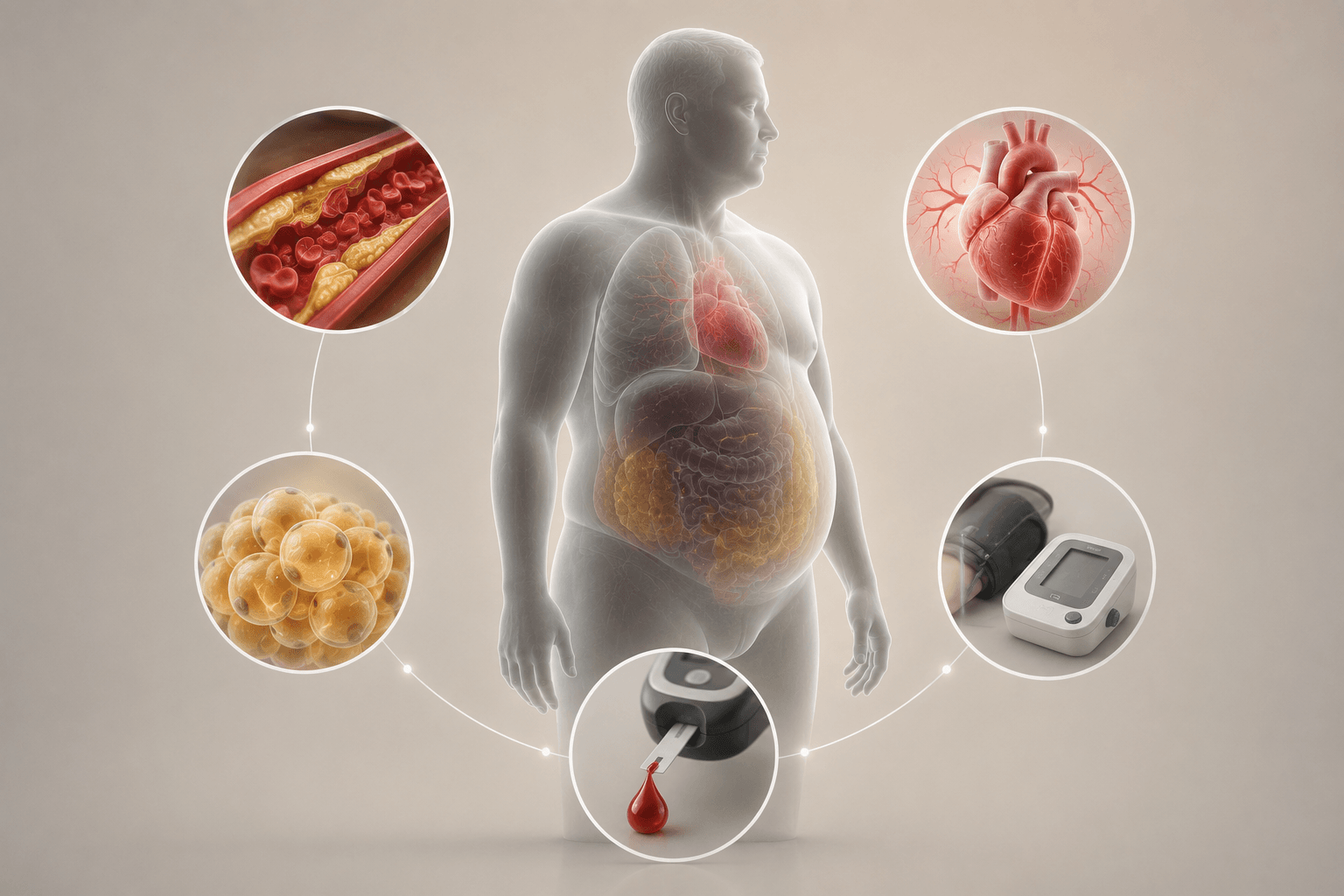
Metabolic syndrome is a group of health risk factors that tend to occur together. These risk factors include elevated blood pressure, high blood sugar, unhealthy cholesterol or triglyceride levels, and excess weight around the waist.
Having one of these risk factors does not always mean you have metabolic syndrome. But when several appear together, they can raise the risk of serious health problems, including type 2 diabetes, coronary heart disease, and stroke. The National Heart, Lung, and Blood Institute describes metabolic syndrome as a group of conditions that together increase the risk of coronary heart disease, diabetes, stroke, and other serious health problems.
Metabolic syndrome often does not cause obvious symptoms at first. Many people only learn they have it after a routine checkup, blood pressure reading, cholesterol test, or blood sugar test. Understanding the key numbers can help you know what to ask about and when to take action.
What Is Metabolic Syndrome?
Metabolic syndrome is not one single disease. It is a cluster of related risk factors that affect how the body handles blood sugar, blood fats, blood pressure, and body fat distribution.
It is sometimes called insulin resistance syndrome because insulin resistance often plays a major role. Insulin is a hormone that helps move sugar from the bloodstream into cells for energy. When the body becomes less responsive to insulin, blood sugar may rise, the body may store more fat around the abdomen, and cholesterol or triglyceride levels may become harder to manage.
Metabolic syndrome matters because the risk factors can reinforce one another. For example, excess abdominal fat may worsen insulin resistance. Insulin resistance may raise triglycerides and lower HDL cholesterol. High blood pressure may place extra strain on the heart and blood vessels. Together, these changes can increase long-term cardiometabolic risk.
The Five Key Numbers That Matter
Healthcare providers usually look for a pattern of metabolic risk factors rather than one isolated result. According to commonly used criteria, metabolic syndrome may be diagnosed when a person has three or more of the following risk factors, or is taking medication to manage them: a large waist circumference, high triglycerides, low HDL cholesterol, high blood pressure, and elevated fasting blood sugar.
1. Waist Circumference
Waist circumference is used as a rough marker of abdominal fat. Excess fat around the abdomen is more strongly linked with metabolic risk than fat stored in some other areas of the body.
A commonly used cutoff is a waist measurement of more than 40 inches for men or more than 35 inches for women. These numbers are general guidelines and may vary by ethnicity, body type, and clinical context.
To measure your waist, place a flexible tape measure around your abdomen at about the level of the belly button. Keep the tape snug but not tight, and measure after breathing out normally. Avoid pulling the tape in or measuring over bulky clothing.
2. Triglycerides
Triglycerides are a type of fat found in the blood. They can rise after eating, with high intake of refined carbohydrates or alcohol, with insulin resistance, and with certain medical conditions or medications.
A triglyceride level of 150 mg/dL or higher is commonly considered one of the metabolic syndrome criteria. If you are taking medication to treat high triglycerides, that may also count as a risk factor.
High triglycerides often do not cause symptoms. They are usually found through a lipid panel, the same blood test that measures cholesterol levels.
3. HDL Cholesterol
HDL cholesterol is often called "good" cholesterol because it helps transport cholesterol away from the arteries and back to the liver. Low HDL can be a sign of higher cardiometabolic risk, especially when it appears with high triglycerides, high blood sugar, or abdominal weight gain.
Common metabolic syndrome cutoffs are HDL cholesterol below 40 mg/dL in men or below 50 mg/dL in women. If you are taking medication to manage low HDL or related lipid problems, your provider may consider that in the overall diagnosis.
HDL is only one part of the cholesterol picture. LDL cholesterol, non-HDL cholesterol, and overall cardiovascular risk also matter, even though they are not always part of the metabolic syndrome checklist.
4. Blood Pressure
Blood pressure measures the force of blood against artery walls. When blood pressure stays elevated over time, it can damage blood vessels and increase the risk of heart disease, stroke, kidney disease, and other complications.
For metabolic syndrome, a blood pressure reading of 130/85 mmHg or higher is commonly used as one of the criteria. Taking medication for high blood pressure may also count.
Because blood pressure can change throughout the day, one high reading does not always tell the full story. Home blood pressure monitoring can help identify patterns, especially when readings are taken correctly and shared with a healthcare provider.
5. Fasting Blood Sugar
Fasting blood sugar measures the amount of glucose in the blood after not eating for several hours, usually overnight. Higher fasting blood sugar can suggest insulin resistance, prediabetes, or diabetes.
A fasting glucose level of 100 mg/dL or higher is commonly used as one of the metabolic syndrome criteria. Taking medication for elevated blood sugar may also count.
Some people may also have their A1C checked. A1C estimates average blood sugar over the past two to three months. It is not always part of the basic metabolic syndrome checklist, but it can provide useful information about diabetes and prediabetes risk.
Does Metabolic Syndrome Cause Symptoms?
Metabolic syndrome often develops quietly. Many people do not notice symptoms until one of the related conditions becomes more advanced.
Some signs may be visible or measurable, such as a larger waist size, higher body weight, or elevated blood pressure. Other changes, such as high triglycerides, low HDL cholesterol, or elevated fasting blood sugar, usually require blood testing.
When blood sugar is very high, symptoms may include increased thirst, frequent urination, blurry vision, fatigue, or slow-healing cuts. High blood pressure usually does not cause symptoms, which is why it is often called a silent risk factor. Cholesterol and triglyceride changes also usually have no obvious warning signs.
Who Is at Higher Risk?
Metabolic syndrome can affect adults of many ages and body types, but certain factors increase risk. These include excess abdominal weight, insulin resistance, low physical activity, diets high in ultra-processed foods or added sugars, poor sleep, smoking, heavy alcohol use, chronic stress, and a family history of type 2 diabetes or cardiovascular disease.
Age also matters. Metabolic risk tends to increase as people get older, though younger adults can develop metabolic syndrome too. Women may notice changes around menopause, when shifts in hormones, body composition, and insulin sensitivity can affect waist size, cholesterol, and blood sugar patterns.
Some medical conditions are also linked with higher risk, including polycystic ovary syndrome, fatty liver disease, sleep apnea, prediabetes, type 2 diabetes, and chronic inflammatory conditions.
Why Abdominal Fat Matters
Body weight alone does not tell the full story. Two people with the same weight or body mass index can have different metabolic risk depending on where fat is stored, how active they are, how much muscle they have, and what their blood pressure and lab results show.
Abdominal fat is important because it is more closely linked with insulin resistance and inflammation. Fat stored around the organs, sometimes called visceral fat, can affect hormones and chemical signals involved in appetite, blood sugar control, cholesterol metabolism, and blood pressure regulation.
This is why waist circumference can be useful. It is not a perfect measurement, but it gives another clue beyond the number on the scale.
How Metabolic Syndrome Is Diagnosed
A healthcare provider may diagnose metabolic syndrome by reviewing your medical history, family history, medications, physical measurements, blood pressure, and blood tests. The diagnosis is usually based on whether at least three of the key risk factors are present.
Testing may include a lipid panel to check triglycerides and cholesterol, a fasting glucose test, an A1C test, liver and kidney function tests, and sometimes additional markers depending on your symptoms and risk profile.
It is important not to self-diagnose based on one number. For example, a single high blood pressure reading may reflect stress, caffeine, pain, exercise, or measurement error. A single abnormal lab result may need to be repeated or interpreted alongside other results.
Home Monitoring Tools That May Help
Home monitoring cannot diagnose metabolic syndrome by itself, but it can help you track patterns and prepare for better conversations with your healthcare provider.
A home blood pressure monitor may be useful if you have elevated readings, a family history of hypertension, or are trying to understand how lifestyle changes affect your blood pressure. A body composition monitor may help track weight trends and estimated body fat, though these devices are not always perfectly accurate. Some people may also use a measuring tape to track waist circumference over time.
At-home glucose or ketone monitoring may be appropriate for certain people, especially those with diabetes, prediabetes, or medically guided nutrition plans. However, these tools should be used with guidance if you are taking medications or have a history of blood sugar problems.
Common Mistakes People Make
One common mistake is focusing only on weight. Weight matters, but metabolic syndrome is about a pattern of risk factors. Blood pressure, blood sugar, triglycerides, HDL cholesterol, waist circumference, sleep, activity, and family history all matter.
Another mistake is assuming there will be symptoms. Many people with high blood pressure, high triglycerides, low HDL, or elevated fasting glucose feel normal. Routine checkups and lab testing are important because metabolic risk can be silent.
A third mistake is trying to fix everything with supplements. Some products may support general wellness, but supplements cannot replace blood pressure control, blood sugar management, nutrition, exercise, sleep, and medical care when needed.
It is also a mistake to ignore one abnormal number just because the others look normal. Having one risk factor still matters and may be an opportunity to prevent the full pattern from developing.
How to Lower Metabolic Risk
For many people, lifestyle changes are the first step. A practical plan may include eating more vegetables, fruits, beans, whole grains, lean proteins, nuts, and seeds while reducing sugary drinks, heavily processed foods, and excess alcohol.
Regular physical activity can improve insulin sensitivity, blood pressure, triglycerides, HDL cholesterol, body composition, and energy levels. A mix of aerobic exercise and strength training is often helpful, but the best routine is one that is safe, realistic, and sustainable.
Sleep and stress also matter. Poor sleep and untreated sleep apnea can worsen blood pressure, appetite regulation, insulin resistance, and weight management. Chronic stress can make healthy eating, movement, and sleep harder to maintain.
Some people may also need medication to manage blood pressure, cholesterol, triglycerides, or blood sugar. Needing medication does not mean lifestyle changes have failed. It means the treatment plan should match the level of risk.
When to Talk to a Healthcare Provider
Talk to a healthcare provider if you have elevated blood pressure, high triglycerides, low HDL cholesterol, elevated fasting glucose, increasing waist circumference, or a family history of type 2 diabetes, heart disease, or stroke.
You should also seek medical advice if you have symptoms of high blood sugar, such as increased thirst, frequent urination, blurry vision, unexplained fatigue, or slow-healing wounds.
Seek urgent medical care for chest pain, severe shortness of breath, weakness on one side of the body, sudden confusion, sudden vision changes, fainting, or symptoms that could suggest a heart attack or stroke.
The Bottom Line
Metabolic syndrome is a cluster of risk factors that can raise the risk of type 2 diabetes, heart disease, and stroke. The key numbers to know are waist circumference, triglycerides, HDL cholesterol, blood pressure, and fasting blood sugar.
Because metabolic syndrome often has no obvious symptoms, routine measurements and lab testing are important. A person may feel well and still have elevated metabolic risk.
Metabolic risk can often be improved. Nutrition, physical activity, sleep, stress management, weight changes when appropriate, and medications when needed can all play a role.
If you are unsure about your numbers, ask your healthcare provider which measurements matter most for you and how often they should be checked.
Medical disclaimer: This content is for informational purposes only and is not a substitute for professional medical advice, diagnosis, or treatment. Always consult your physician or qualified health provider.