Most conversations about preventing type 2 diabetes focus on diet, exercise, and maintaining a healthy weight. Those factors genuinely matter. But one area that often gets overlooked in that conversation is what's happening inside your mouth.
Research over the past two decades has increasingly pointed to a two-way relationship between oral health and blood sugar regulation. That doesn't mean a toothbrush replaces medication or lifestyle change. It does mean that taking care of your teeth and gums may be a meaningful, low-cost layer of support in an overall prevention strategy, and one that's easy to build into your daily life.
Here's what the science suggests, and a practical checklist to help you act on it.
Why Your Mouth and Your Metabolic Health Are Connected
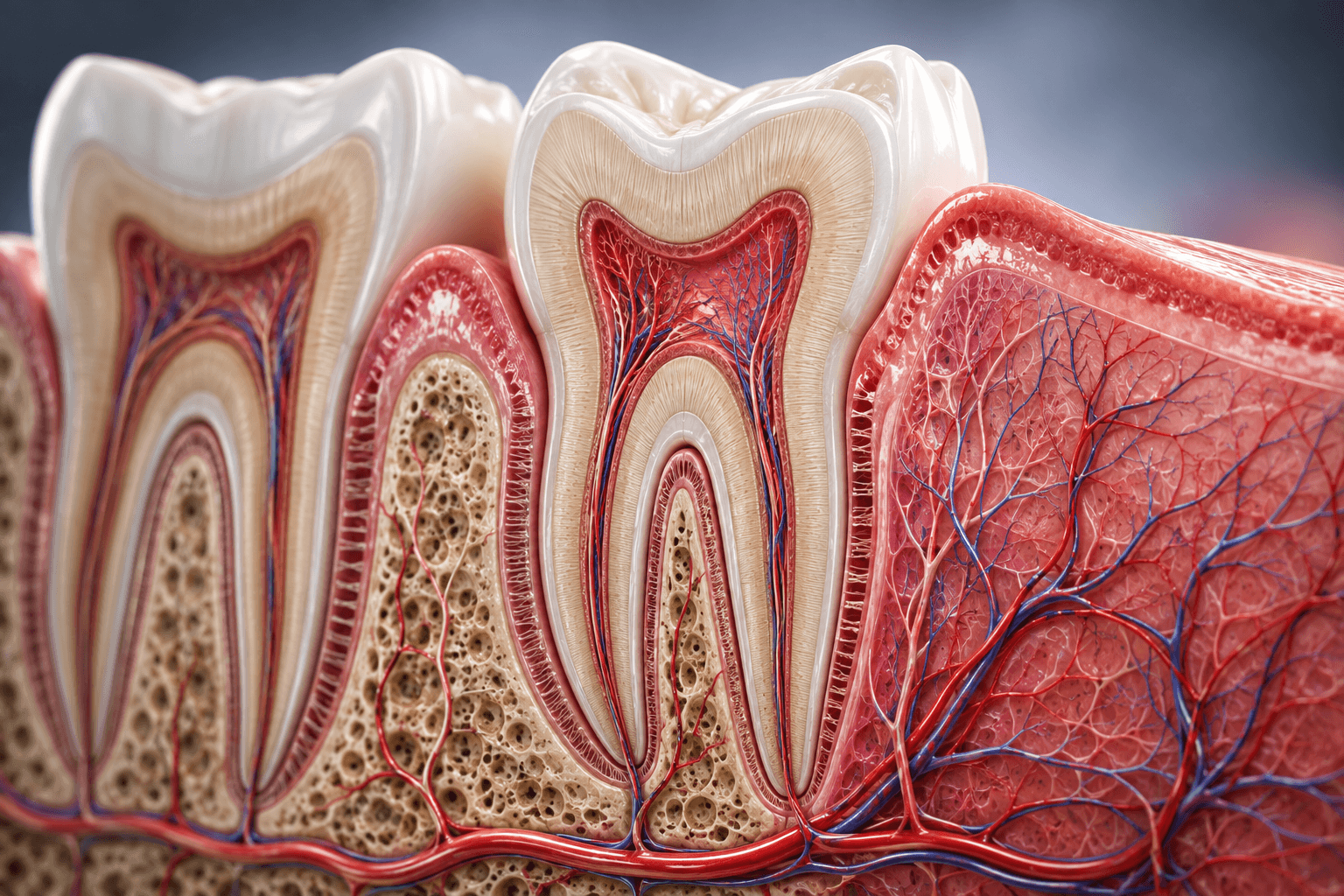
The link between oral health and diabetes isn't random. It runs through inflammation. Gum disease, clinically called periodontal disease, is essentially a chronic bacterial infection of the tissues supporting your teeth. When bacteria accumulate below the gum line, your immune system mounts a response, releasing inflammatory signals into the bloodstream.
That kind of persistent, low-grade inflammation is also a key feature of insulin resistance, the underlying driver of type 2 diabetes. In laboratory and observational research, scientists have found that the same inflammatory pathways involved in gum disease can interfere with the body's ability to use insulin effectively. The bacteria associated with periodontitis have also been found in other tissues, raising questions about wider systemic effects that researchers are still working to understand.
Importantly, this relationship appears to go in both directions: elevated blood sugar creates an environment in the mouth that favors harmful bacterial growth and slows healing, while gum disease may worsen blood sugar control. If you already have prediabetes or risk factors for type 2 diabetes, maintaining good oral hygiene isn't a minor detail; it's part of the larger picture.
That said, observational studies show associations, not guaranteed cause and effect. Talk to your doctor or dentist about what the evidence means for your personal situation.
The Checklist: Four Pillars of Oral Health for Metabolic Wellness
1. Brush Consistently and Correctly
Brushing your teeth removes the bacterial film called plaque before it hardens into tartar and drives gum inflammation. Most dental and medical organizations recommend brushing twice a day for two full minutes each session, once in the morning and once before bed.
A few technique tips that make a real difference:
- Use a soft-bristled toothbrush. Harder bristles can irritate gums and wear down enamel without removing more plaque.
- Hold the brush at a gentle angle toward the gum line, not flat against the teeth. This helps reach the area where plaque accumulates most.
- Use gentle, circular or back-and-forth strokes. Aggressive scrubbing can push gums back over time.
- Replace your toothbrush every three to four months, or sooner if the bristles are frayed. A worn brush is far less effective.
- Consider an electric toothbrush. Some clinical research suggests that oscillating electric toothbrushes may reduce plaque and gum inflammation more effectively than manual brushing for many people.
Fluoride toothpaste is the standard recommendation for most adults. If you have specific dental concerns, ask your dentist whether any specialized toothpaste is right for you.
2. Floss Daily, Even When It Feels Like a Chore
Brushing cleans the surfaces of your teeth but cannot reach the spaces between them. Plaque in those tight gaps is a primary driver of gum disease, because that's exactly where the bacteria that cause periodontal infection thrive.
Flossing once a day removes that interproximal plaque. The best time is whenever you'll actually do it consistently. Many people floss before bed, because it clears the day's buildup before sleep.
- Use enough floss: about 18 inches gives you a clean section for each tooth space.
- Curve the floss into a C-shape around each tooth and slide it gently under the gum line rather than snapping it straight down.
- Don't skip bleeding gums. Some bleeding when you first start flossing regularly is common; healthy gums typically stop bleeding once the habit is established. Persistent bleeding is worth mentioning to your dentist.
- Floss picks and water flossers are reasonable alternatives if traditional floss is difficult to use due to dexterity limitations or dental appliances. Ask your dentist which option fits your needs.
If you haven't been flossing regularly, starting now is what matters most. The relationship between flossing and reduced gum inflammation is one of the more consistent findings in dental hygiene research.
3. Stay Hydrated Throughout the Day
Saliva is your mouth's built-in defense system. It neutralizes acids, washes away food particles, delivers minerals to tooth enamel, and contains antimicrobial proteins that help keep harmful bacteria in check. When you're chronically dehydrated, or when certain medications or health conditions reduce saliva flow, the oral environment shifts in favor of the bacteria linked to cavities and gum disease.
There's also a direct connection to blood sugar: dry mouth is a known symptom of elevated blood glucose, and the bacteria that flourish in a dry mouth can contribute to the gum inflammation discussed above.
Practical hydration habits for oral health:
- Drink water throughout the day, not just at meals. Sipping water regularly keeps saliva flowing and rinses the mouth.
- Limit sugary drinks, including fruit juices and sweetened coffees and teas. These feed the bacteria that produce tooth-damaging acids and may also contribute to blood sugar spikes.
- Be mindful of acidic beverages like sparkling water with citrus or sports drinks, which can soften enamel. Rinsing with plain water afterward is a simple countermeasure.
- Mention dry mouth to your doctor or dentist if it's persistent. It can be a side effect of many common medications, and there are options to help manage it.
Adequate hydration supports saliva production, which in turn supports a healthier bacterial balance in the mouth. It's a small habit with compounding benefits.
4. See Your Dentist for Regular Checkups and Cleanings
No amount of diligent home care fully replaces professional dental care. Even with excellent brushing and flossing, tartar (the hardened form of plaque) builds up in areas that require professional instruments to remove. Left in place, tartar is a persistent source of gum inflammation.
Professional cleanings also allow a dentist or hygienist to spot early signs of gum disease, which often has no noticeable symptoms in its beginning stages. Catching and treating it early is far easier than managing advanced periodontal disease.
What to keep in mind about dental visits:
- Most adults benefit from a checkup and cleaning every six months, though your dentist may recommend a different schedule based on your individual risk level.
- Be honest about your health history. Let your dentist know if you've been told you have prediabetes, elevated blood sugar, or a family history of diabetes. This context shapes how they evaluate your gum health.
- Ask about gum disease screening. Periodontal pocket measurements are a standard part of many dental exams; don't hesitate to ask what your numbers mean.
- Address cost barriers proactively. Dental care costs are a real concern for many Americans. Community health centers, dental schools, and state or local assistance programs may offer reduced-cost care. Your local health department can point you toward options.
If you have been diagnosed with prediabetes or diabetes, mention it at every dental appointment. And if your dentist identifies significant gum disease, let your primary care provider know. These two parts of your health team don't always communicate automatically, so you can help bridge that gap.
Putting It All Together
Oral health is not a cure for diabetes, and this checklist is not a substitute for guidance from your doctor, dentist, or diabetes care team. What it is, is a set of low-risk, high-value habits that fit into your day without major disruption and that support your health through multiple pathways at once.
The evidence suggests that reducing chronic oral inflammation, maintaining good saliva flow, and catching gum disease early are all things worth doing, not just for a healthy smile but potentially for your broader metabolic resilience as well.
If any of these habits are new to you, start with one. Build the flossing habit before adding the hydration tracking. Small, consistent steps tend to stick better than overhauling everything at once.
And when in doubt, ask. Your dentist and your primary care provider are both good starting points for understanding how your oral health fits into your overall picture.