A diagnosis of osteoporosis — a condition in which bones lose density and become more prone to fracture — can feel unsettling. Many people want to do everything they can to protect themselves, and that often leads to questions about supportive devices: back braces, hip protectors, shoe inserts, canes, and walkers. Are they worth it? Do they actually prevent fractures, or are they just reassuring to wear?
The honest answer is that it depends on the device, the individual, and how the device fits into a broader care plan. Here is a look at what researchers have found so far.
Why Supportive Devices Come Up in Osteoporosis Care
Osteoporosis itself does not cause pain until a fracture happens. The most serious fractures — hip fractures and vertebral (spinal) compression fractures — can lead to significant loss of independence, chronic pain, and in older adults, a higher risk of complications. Because of this, a major goal of osteoporosis management is fracture prevention.
Medications that slow bone loss or stimulate bone formation are the cornerstone of treatment for many people with high fracture risk. But supportive devices are increasingly discussed as complementary tools — ways to reduce fall risk, protect vulnerable joints, or support posture when the spine has already been affected by compression fractures.
It is important to understand that most devices are not treatments for osteoporosis itself. They work by addressing consequences of the disease or by reducing the circumstances that lead to fractures in the first place.
Hip Protectors: A Mixed but Meaningful Picture
Hip fractures are among the most feared outcomes of osteoporosis, and hip protectors — padded undergarments designed to absorb or redirect impact energy during a fall — have been studied more extensively than almost any other supportive device in this population.
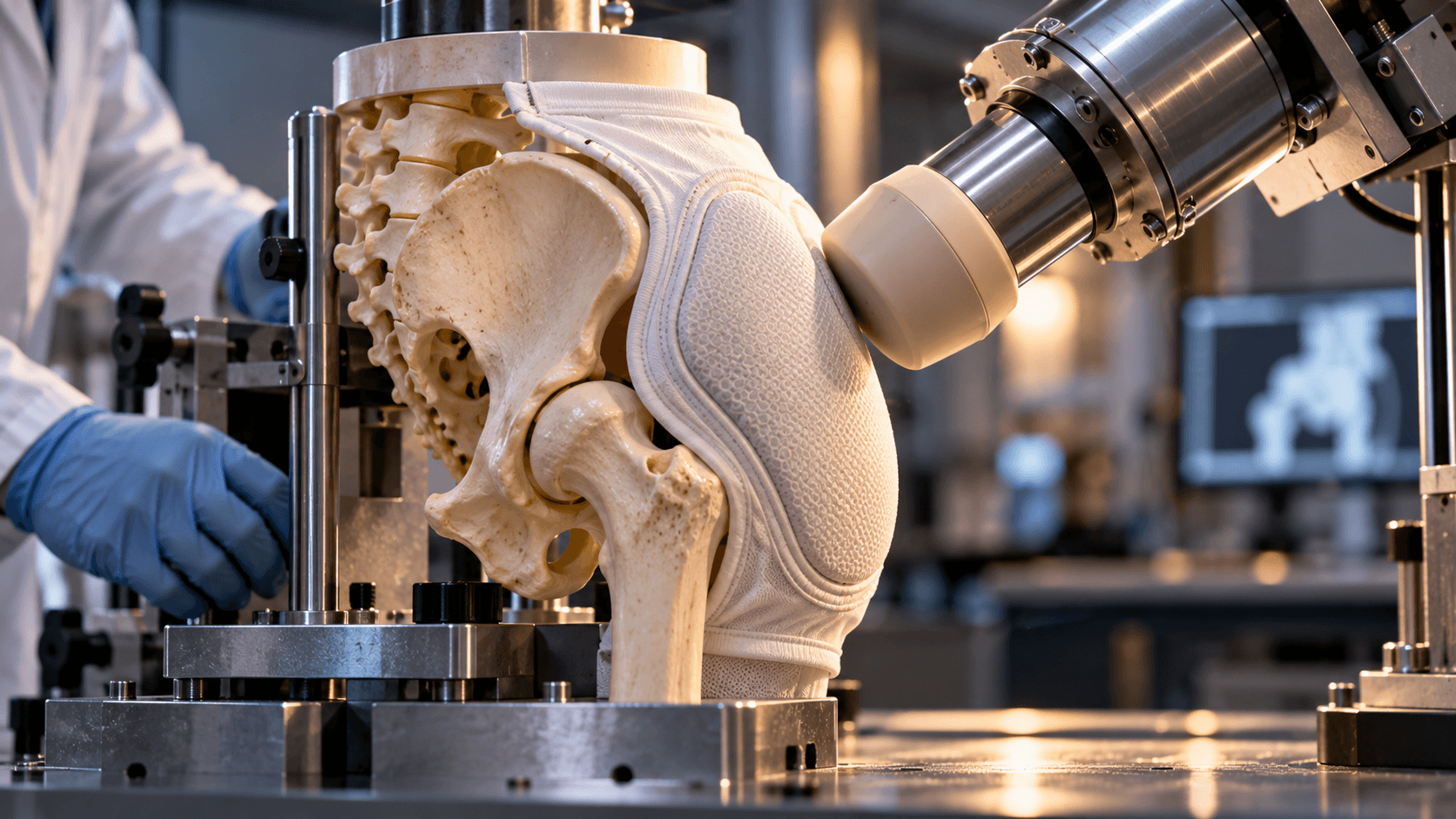
Early enthusiasm for hip protectors was high. Laboratory testing showed that a well-fitting protector can significantly reduce the force transmitted to the hip bone during a sideways fall. Biomechanical studies provided a plausible mechanism: by spreading impact energy away from the greater trochanter (the bony outer point of the hip), protectors might prevent the bone from receiving enough concentrated force to fracture.
Clinical trials, however, have painted a more complicated picture. Studies conducted in nursing home and assisted-living settings — where residents are at very high fall risk and staff can help with consistent use — have shown more promising results than trials conducted in community-dwelling older adults. The key obstacle that surfaces repeatedly in research is adherence: many people find hip protectors uncomfortable, bulky, or difficult to put on, and they simply stop wearing them, especially at night when a significant portion of falls occur.
The takeaway from current evidence is that hip protectors may offer meaningful protection for people in high-risk settings who are willing and able to wear them consistently. They are not a one-size-fits-all solution, and comfort and fit matter enormously. If your clinician suggests a hip protector, trying several styles and discussing strategies to build wearing into your routine can improve your chances of benefiting.
Spinal Orthotics and Back Braces
Vertebral compression fractures — small collapses in the bones of the spine — are the most common fractures associated with osteoporosis. They can cause a progressive rounding of the upper back (sometimes called a dowager's hump or kyphosis), chronic back pain, and reduced lung capacity in severe cases.
Spinal orthoses, or back braces, are sometimes prescribed to people who have experienced vertebral fractures. The proposed benefits include pain relief, postural support, and — in some designs — a mild resistance training effect on the back extensor muscles as the wearer works against the brace.
Research on spinal orthoses for osteoporosis-related fractures suggests they can help with pain management and functional activity in the short term for some patients. There is also interest in rigid and semi-rigid braces that are designed to reduce the mechanical load on fractured vertebrae while they heal. However, evidence on whether braces prevent new fractures or reverse kyphosis over the long term is more limited, and concerns exist that prolonged use of certain brace designs could lead to muscle weakening if the back muscles are not being actively engaged.
Newer designs — sometimes called postural trainers or dynamic braces — aim to encourage active muscle engagement rather than passively holding the spine. Early research on these designs is encouraging, but larger, longer-term studies are still needed.
If a brace has been recommended to you, ask your provider specifically what goal it is meant to serve — pain relief, postural correction, activity support during healing, or something else. That framing will help you evaluate whether it is working and when you might no longer need it.
Walking Aids: Canes and Walkers
Canes and walkers do not directly affect bone density, but they play an important role in fall prevention — and falls are the proximate cause of most osteoporotic fractures. Research on fall prevention consistently identifies assistive walking devices as useful tools for people with gait instability, muscle weakness, or balance problems.
A properly fitted cane can reduce the load on one side of the body and provide a third point of contact with the ground, improving stability. Walkers and rollators provide broader support and are often recommended when balance impairment is more significant. Studies suggest that people who use these aids appropriately tend to feel more confident walking, which can itself reduce the hesitation and shuffling gait patterns that increase fall risk.
The word appropriately matters here. Research has also found that improperly used or poorly fitted walking aids can actually increase fall risk — for example, a cane that is too tall or short, or a rollator that moves too freely for someone who cannot control it reliably. Occupational therapists and physical therapists are trained to assess which device is the right fit and to teach proper use.
Shoe Inserts, Footwear, and Anti-Slip Devices
Footwear is an underappreciated piece of the fall-prevention puzzle. Research in older adults has found associations between certain types of footwear — high heels, worn-out soles, slip-on shoes without heel support — and increased fall risk. Conversely, well-fitted shoes with low, broad heels, non-slip soles, and good ankle support are linked to greater stability.
Orthotic shoe inserts are sometimes recommended for people with foot deformities, leg-length discrepancies, or certain gait abnormalities that affect balance. There is evidence that custom orthotics can improve postural sway (a measure of how much a person sways while standing, which correlates with fall risk) in some populations. Whether off-the-shelf inserts provide similar benefits is less clear and likely varies by individual.
For people living in snowy or icy climates, removable anti-slip devices that attach to the bottom of shoes have been studied as outdoor fall-prevention tools. Some evidence supports their use for reducing falls on ice, though compliance — actually remembering to attach and remove them — is again a recurring practical barrier.
Putting It All Together: What This Means for You
If you or someone you love is navigating osteoporosis, here are some broader points to keep in mind as you consider supportive devices:
- No device replaces a comprehensive care plan. Medications (when appropriate), calcium and vitamin D intake, resistance and balance exercise, and fall-hazard reduction at home are all backed by substantial evidence. Devices work best as part of this larger picture.
- Fit and adherence determine real-world benefit. A hip protector you never wear or a brace that sits in the closet provides no protection. Work with your care team to find options that suit your body, lifestyle, and preferences.
- Physical therapy is often the most underutilized resource. A physical therapist can assess your fall risk, recommend appropriate walking aids, teach you safe movement strategies, and design an exercise program that strengthens the muscles that protect your bones.
- Ask specific questions. When a device is recommended, ask what outcome it is meant to achieve, how you will know whether it is helping, and what the expected duration of use is.
Osteoporosis management is not one decision but many small ones made over time. Supportive devices can be valuable pieces of that effort — but the evidence works best when paired with an honest conversation between you and a clinician who knows your full health picture.
When to Talk to Your Doctor or Care Team
If you have been diagnosed with osteoporosis or have risk factors for it, and you are curious about whether a supportive device might help you, bring it up at your next appointment. Your primary care provider, a rheumatologist, an endocrinologist, or a physiatrist (a physician specializing in physical medicine and rehabilitation) can help you weigh the options based on your fracture history, fall risk, activity level, and goals.
You do not need to wait for a fracture to have these conversations. In fact, many of the most useful interventions — building balance, reducing fall hazards at home, optimizing nutrition — are most effective when started before a fracture occurs.
Osteoporosis is a manageable condition, and the evidence, while sometimes imperfect, gives us a solid foundation for making thoughtful choices about the tools that support bone health and safety over time.