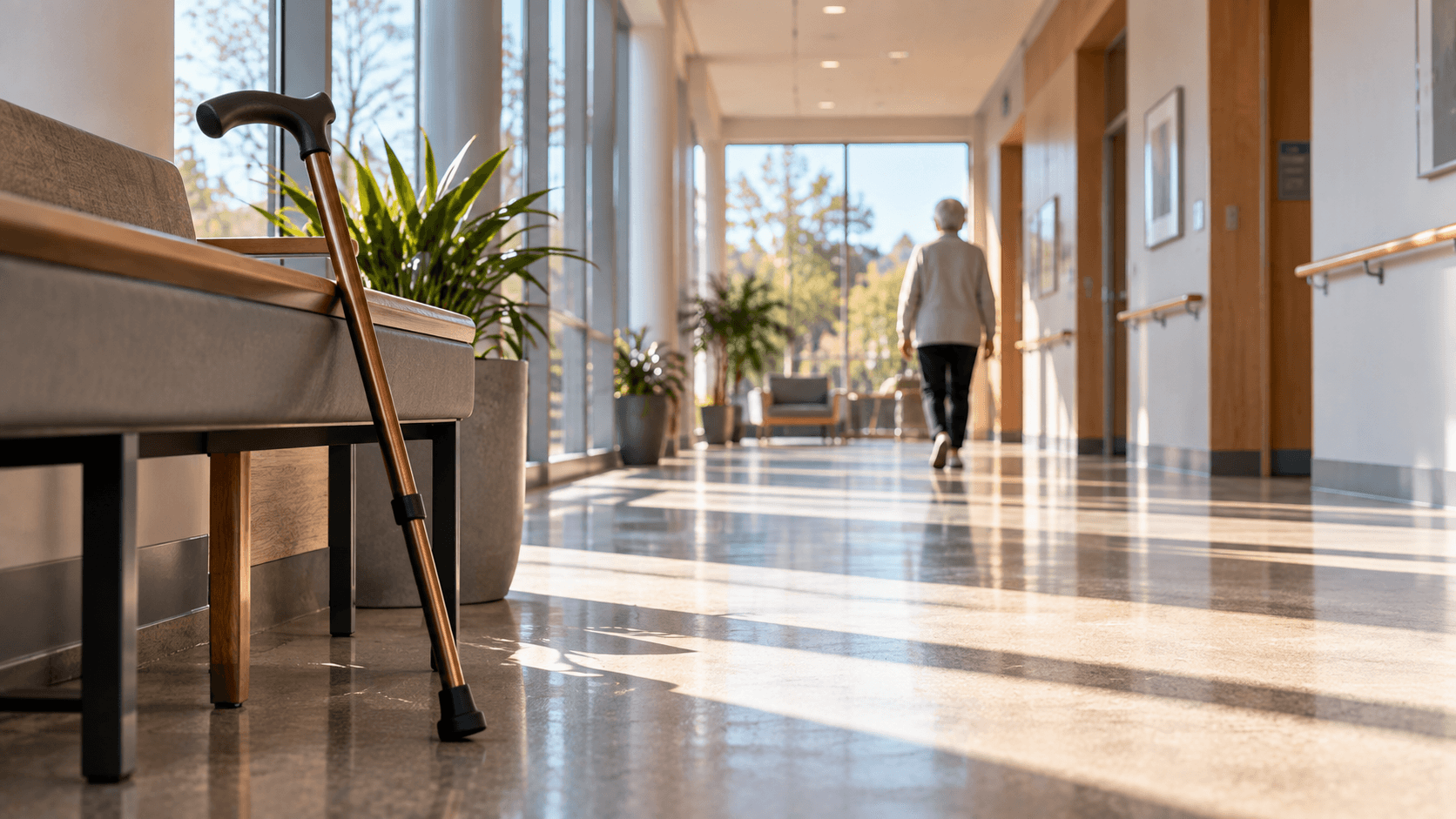
If you or someone you love has been diagnosed with osteoporosis, you've probably heard a lot about calcium, vitamin D, and bone-strengthening medications. But there's another category of tools that often gets less attention: supportive devices. Think back braces, walking canes, wrist splints, hip protectors, and walkers. These everyday aids can make a real difference in comfort, confidence, and safety — yet they are frequently misunderstood, both overestimated and underestimated.
Here's a grounded look at what supportive devices can genuinely offer people living with osteoporosis, and where their limitations lie.
Why Supportive Devices Come Into the Picture
Osteoporosis is a condition in which bones gradually lose density and structural strength, making them more vulnerable to fractures — sometimes from surprisingly minor stresses like a cough, a small stumble, or bending to lift a light object. The spine, hips, and wrists are among the most commonly affected areas.
Living with that level of fracture risk can affect more than physical health. Many people pull back from activities they enjoy, become more fearful of falling, or start to feel less independent. Supportive devices enter the picture as tools that can help bridge the gap between medical treatment and daily life — giving people more stability, reducing pain after fractures, and supporting movement while the underlying condition is managed.
Back Braces and Spinal Supports
Vertebral compression fractures are one of the most common and painful consequences of osteoporosis. When a vertebra collapses or compresses, it can cause sudden, severe back pain and, over time, the forward-curving posture sometimes called a dowager's hump (clinically known as kyphosis).
Spinal orthoses — rigid or semi-rigid back braces — are sometimes recommended after a compression fracture to reduce pain and limit the movements that put additional stress on the injured vertebra. Research generally suggests that bracing can help with short-term pain relief and may reduce the degree of forward spinal curvature when used consistently. Some people find that a brace gives them enough comfort to stay upright and mobile during recovery, which matters because prolonged bed rest can worsen bone loss.
What a back brace cannot do: It cannot heal the fractured bone, restore lost bone density, or prevent new fractures from occurring. Worn too long without guidance, a rigid brace may actually weaken the surrounding muscles by doing work the core muscles should be doing. Most clinicians recommend using a brace as a short-term aid alongside physical therapy rather than a permanent solution.
Canes and Walkers
Falls are the leading cause of fractures in people with osteoporosis, so anything that meaningfully reduces fall risk has real value. Canes and walkers — when properly fitted and used correctly — can improve balance, redistribute weight away from painful joints, and increase the user's confidence moving through their environment.
A single-point cane used on the opposite side from a weak or painful hip can reduce the load on that side considerably. A four-wheeled rollator walker offers a wider base of support and can be especially helpful for people whose balance is compromised by age, neurological changes, or deconditioning.
What canes and walkers cannot do: They are not substitutes for strength and balance training. In fact, using a mobility aid incorrectly — one that is the wrong height, or used as a crutch when it isn't needed — can subtly worsen posture and balance over time. A physical therapist can assess whether you need a mobility aid, which type suits your situation, and how to use it in a way that supports rather than undermines your strength.
The goal of a mobility aid isn't to do the walking for you — it's to make safe, confident movement possible while you work on the strength and balance that protect you long-term.
Hip Protectors
Hip fractures are among the most serious consequences of osteoporosis. They often require surgery, carry significant risks of complications, and can dramatically affect a person's independence. Hip protectors — padded undergarments designed to absorb and redirect the impact of a sideways fall — were developed with the straightforward idea of cushioning the hip bone in the event of a tumble.
Research on their effectiveness has been mixed. Studies suggest that hip protectors can reduce the force transmitted to the hip during a fall, and some evidence points to reduced fracture rates in certain settings, particularly in long-term care environments. However, a significant practical problem has emerged in the research: many people don't wear them consistently. They can feel bulky, uncomfortable, or difficult to put on — especially for older adults with limited dexterity. When they aren't worn, they obviously offer no protection.
What hip protectors cannot do: They cannot guarantee fracture prevention, and they won't help on days they're left in a drawer. They are also not a substitute for fall-prevention strategies such as removing trip hazards at home, reviewing medications that affect balance, and maintaining leg strength through exercise.
Wrist and Arm Supports
A natural instinct when falling is to reach out with the hands, which is why wrist fractures are common in people with osteoporosis. Wrist splints or casts are typically used after a fracture to immobilize the area while it heals. In certain situations, lightweight wrist supports may also be used by people who feel instability or mild discomfort during daily tasks.
What wrist supports cannot do: They are not proven to prevent wrist fractures before they happen in most everyday contexts. If you've had a wrist fracture, healing and return to function require a structured rehabilitation approach — a splint alone is only part of the picture.
Posture-Supporting Garments and Compression Vests
A newer category of supportive garments includes soft, flexible vests designed to gently encourage better posture and provide mild sensory feedback about spinal alignment. These are different from rigid braces and are generally considered more comfortable for longer daily wear. Some physical therapists use them as part of a broader program to address kyphosis and improve awareness of posture.
Evidence for these garments is still developing, and they should be thought of as supportive tools within a comprehensive program — not stand-alone treatments. Their comfort can make them easier to use consistently, which is an advantage, but consistency only matters if the device is appropriate for the individual's specific situation.
What Supportive Devices Cannot Replace
It's worth being clear about what no supportive device, however well designed, can accomplish on its own:
- Treating bone loss. Only lifestyle changes (adequate calcium and vitamin D, weight-bearing exercise, avoiding smoking and excess alcohol) and, where appropriate, prescribed medications can address the underlying bone density problem.
- Preventing all fractures. Devices reduce certain risks in certain situations. They cannot create the same protection as denser, stronger bone.
- Replacing physical therapy and exercise. Strength training, balance exercises, and targeted physical therapy are among the most evidence-supported approaches for reducing fall risk and improving function in osteoporosis. Devices work best alongside these strategies, not instead of them.
- Substituting for a clinician's guidance. The right device for one person may be wrong — or even counterproductive — for another. Individual factors like fracture history, mobility level, other health conditions, and home environment all matter.
Getting the Right Fit and Guidance
One of the most important and underappreciated points about supportive devices is that fit matters enormously. A cane adjusted to the wrong height, a brace that doesn't match your spinal anatomy, or a hip protector that fits poorly won't perform the way it's supposed to — and may cause its own problems.
Before purchasing any supportive device, especially for a condition as complex as osteoporosis, it's worth talking with your doctor, a physical therapist, or an occupational therapist. These professionals can assess your specific needs, recommend appropriate devices, and teach you how to use them correctly. Many also have experience connecting patients with resources for obtaining devices, some of which may be covered by insurance.
The Bottom Line
Supportive devices are genuinely useful tools in the osteoporosis management toolkit. At their best, they reduce pain, improve safety, support recovery from fractures, and help people stay active and independent — all of which matter enormously for quality of life. But they work best when they're part of a broader strategy that includes medical care, nutrition, appropriate exercise, and fall-prevention measures tailored to you.
If you have osteoporosis and are wondering whether a brace, cane, or other device might help you, bring it up at your next appointment. The right support, used the right way, can make a meaningful difference — and a clinician can help you figure out what that looks like for your life.