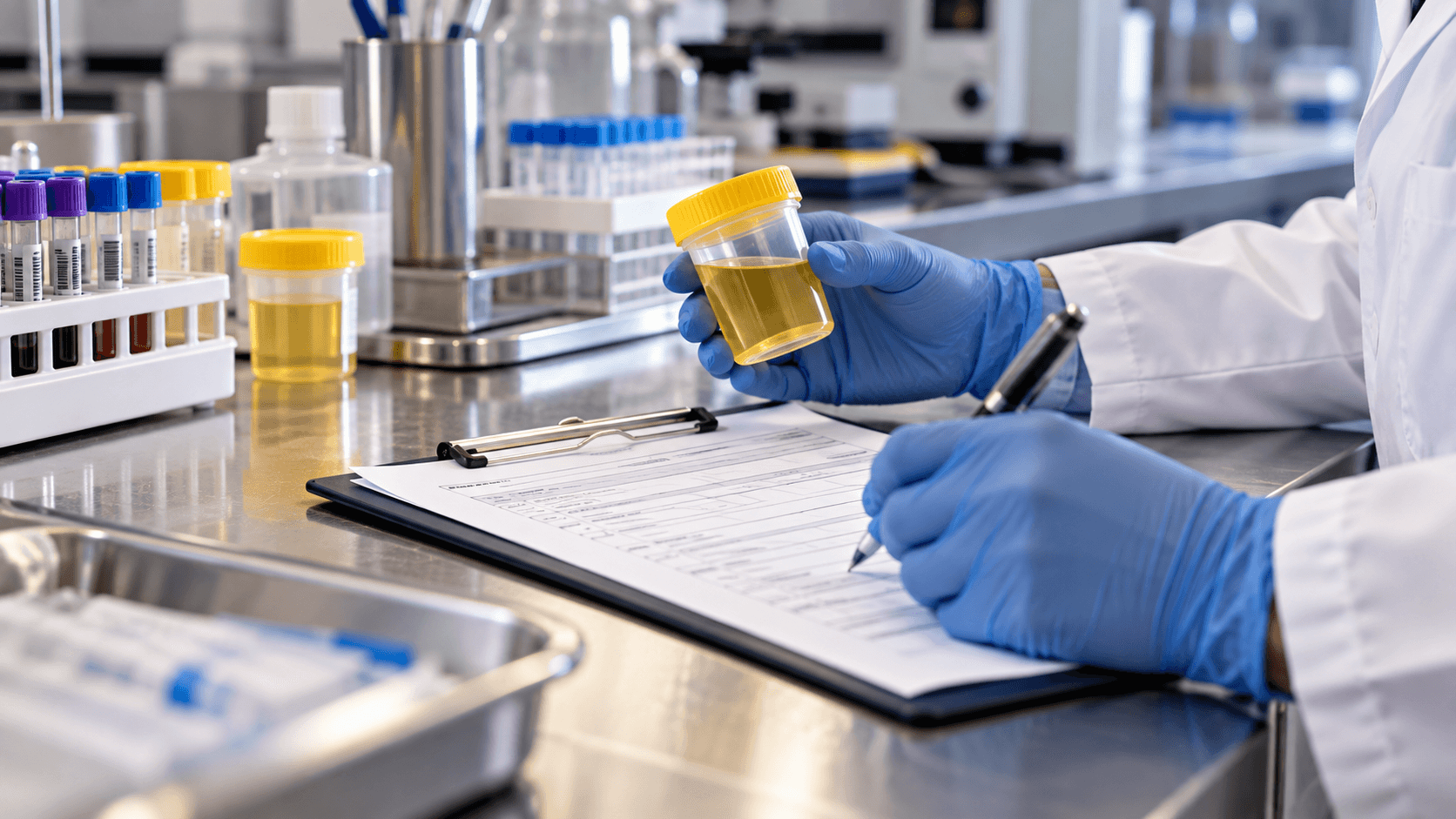
Drug screening can feel stressful even when you take medications exactly as prescribed. Many tests look for illegal drugs, certain prescription medications, or over-the-counter substances that can be misused. If you use prescription medicines, supplements, pain medicines, sleep aids, stimulants, cannabis products, or other substances, preparation matters.
The goal is not to “beat” a test or hide information. The goal is to make sure the testing process has accurate, complete information so results can be interpreted correctly. That means knowing what test is being done, following collection instructions, listing medications and supplements honestly, keeping documentation, and asking how confirmatory testing works if a result is unexpected.
This guide explains how to prepare for drug screening, what medication and supplement details to organize, what documentation may help, what not to do before testing, and when to ask for medical, legal, workplace, or privacy guidance.
What Drug Screening Can Look For
Drug testing may be used in medical care, pain management, substance use treatment, workplace programs, athletics, legal settings, school programs, or pre-procedure screening. The substances included depend on the test panel and the reason for testing.
MedlinePlus explains that a drug test looks for signs of illegal drugs or certain prescription or over-the-counter medicines that can be misused, and that drug testing may use urine, blood, saliva, hair, or sweat.
Because panels differ, do not assume one “drug test” checks for everything. Ask what type of sample is being collected, which substances are included, and whether the first result is a screening result or a confirmed result.
Why Medication and Supplement Lists Matter
Prescription drugs, over-the-counter medicines, and supplements can affect drug testing. Some may be expected to appear because they are prescribed. Others may contribute to unexpected or confusing results.
MedlinePlus advises telling the testing professional if you take prescription drugs, over-the-counter medicines, or supplements because these substances may affect test results. It also notes that the follow-up test after a false positive is called a confirmatory test.
A clear list helps the clinician, laboratory, or medical review process interpret the result in context. It also reduces the chance that you forget a medication when you are nervous or rushed.
What to Put on Your Medication List
Bring a current list instead of relying on memory. Include every medication you take, even if you use it only sometimes.
- Prescription medication name
- Dose and strength
- How often you take it
- When you last took it
- Prescribing clinician’s name
- Pharmacy name if documentation is needed
- Whether the medication is taken daily, as needed, or recently stopped
Examples may include opioids, benzodiazepines, stimulants, sleep medicines, antidepressants, seizure medicines, muscle relaxers, ADHD medicines, cough medicines, weight-management medicines, and medications used for pain, anxiety, sleep, or neurologic conditions.
Include Over-the-Counter Medicines Too
Over-the-counter medicines are easy to forget because they do not feel like “real medications.” But they can matter.
- Cold and flu medicines
- Cough syrups
- Sleep aids
- Antihistamines
- Decongestants
- Pain relievers
- Motion sickness medicines
- Any product used in the last several days or weeks, depending on the testing context
FDA notes that some over-the-counter medications contain amphetamines that cannot be distinguished from illegally abused amphetamines by certain testing approaches.
Include Supplements and Herbal Products
Supplements can create confusion because ingredients may vary, labels may be incomplete, and some products can contain substances not expected by the user. Include supplements even if they seem natural or unrelated.
- Pre-workout products
- Weight-loss products
- Sleep supplements
- CBD, hemp, or cannabis-derived products where legal
- Herbal products
- Energy products
- Hormone or bodybuilding supplements
- Vitamins or minerals if taken regularly
MedlinePlus provides information on prescription drugs, over-the-counter medicines, dietary supplements, and herbal remedies, including interactions and safety issues.
Do Not Stop Prescribed Medicine Without Guidance
Some people are tempted to stop medication before a drug screen. That can be unsafe and may also make the result harder to interpret.
- Do not stop prescribed opioids, benzodiazepines, stimulants, seizure medicines, psychiatric medicines, or other medications without medical guidance.
- Do not skip medication to avoid a positive result if the medication is legally prescribed and medically needed.
- Ask the prescriber what documentation is appropriate.
- Ask the testing program how prescription information is reviewed.
FDA’s home drug test guidance notes that medications are not drugs of abuse when taken according to a doctor’s instructions, and that a positive test for a prescription drug does not necessarily mean misuse.
Documentation to Gather Before the Test
You may not need to hand over every document at the collection site, but having records available can help if a result needs review.
- Current prescription bottles with your name, medication, dose, prescriber, and pharmacy
- Medication list from your patient portal
- Pharmacy printout or medication history
- Clinician note verifying a current prescription when appropriate
- Medication administration record if in a facility or supervised setting
- Supplement labels or photos of labels
- Proof of recent procedure, anesthesia, hospital medication, or emergency visit if relevant
For federally regulated workplace testing, SAMHSA’s Medical Review Officer guidance says a valid prescription can be documentation to support a legitimate medical explanation for a positive drug test result.
Know Who Should Receive Medication Information
Medication disclosure can be sensitive. Depending on the testing context, you may not need to disclose medication details to a supervisor, coach, school official, or nonmedical staff. In some workplace programs, prescription information is reviewed by a medical review officer, or MRO.
SAMHSA says federally regulated testing requires an HHS-certified laboratory and a Medical Review Officer to interpret results, which helps prevent inaccurate testing. SAMHSA also notes that workplace drug-testing programs are designed to detect alcohol, illicit drugs, or certain prescription drugs.
Ask: “Who reviews prescription documentation?” and “What information is shared with the employer, school, organization, or requesting party?”
Ask Whether the Result Is Screening or Confirmed
Many testing processes begin with a screening test. A screen can be fast and useful, but it may not be the final answer. Unexpected positives may require confirmatory testing using a more specific laboratory method.
- Ask whether positives are confirmed automatically.
- Ask what method is used for confirmation.
- Ask how long confirmation takes.
- Ask who contacts you if documentation is needed.
- Ask whether you can request review if the result does not match your history.
FDA explains that with drugs-of-abuse collection kits, the laboratory performs a quick screening test and, if the test suggests one or more drugs may be present, performs additional testing.
False Positives and False Negatives: What They Mean
A false positive means the test suggests a substance is present when it is not. A false negative means the test does not detect a substance that is actually present. Incorrect results can happen for several reasons, including test limitations, timing, sample problems, cross-reactivity, or collection issues.
- A screening result may need confirmation.
- Some medicines can affect results.
- Timing matters because detection windows vary.
- Sample handling matters.
- At-home tests should be followed according to instructions.
FDA’s home drug test page says many factors may cause a false positive result in a home test. MedlinePlus explains that a confirmatory test is used after a false positive result.
What to Do if a Result Is Unexpected
If a result does not match your medication history or substance use history, respond calmly and ask about the process.
- Ask whether the result was a screen or confirmed test.
- Ask whether confirmatory testing has been performed.
- Review your prescription, over-the-counter, and supplement list.
- Provide documentation through the correct medical review channel.
- Ask whether a split specimen, repeat test, or appeal process exists if applicable.
- Do not alter or discard medication records.
In workplace or legal settings, consider asking about policy, privacy, and rights. A health article cannot replace legal advice.
Prepare for the Collection Appointment
Follow instructions carefully. Collection mistakes can lead to delays, invalid results, or repeat testing.
- Bring required identification.
- Arrive within the requested time window.
- Follow instructions for urine, oral fluid, blood, hair, or other sample type.
- Do not bring unapproved items into the collection area.
- Tell the collector about medical issues that affect sample collection, such as urinary retention or mobility limitations.
- Ask how results will be reported and to whom.
FDA says home drug test kits should be used carefully according to the instructions, including information on sample collection, what to do if positive or negative, and where to call for help.
What Not to Do Before a Drug Screen
Trying to manipulate a test can create safety and credibility problems. It may also violate workplace, school, athletic, legal, or medical program rules.
- Do not use detox products or masking agents.
- Do not drink extreme amounts of water.
- Do not use someone else’s urine or sample.
- Do not stop prescribed medication without guidance.
- Do not hide supplements or cannabis-derived products.
- Do not assume an at-home test guarantees a laboratory result.
If you are concerned about a result, ask about documentation, confirmation, and medical review instead of trying to alter the sample.
Special Issue: Pain Management Testing
Drug testing in pain management may be used differently from workplace testing. It may check whether prescribed medicines are present, whether nonprescribed substances are present, or whether medication safety concerns need review.
- Bring all prescribed pain medicines.
- List last dose timing honestly.
- Report missed doses, side effects, or medication access problems.
- Tell the clinician about cannabis, alcohol, sleep medicines, benzodiazepines, or other sedating substances.
- Ask how results affect the pain treatment plan.
MedlinePlus notes that a provider may order a drug test for someone taking a prescription medicine that can be addictive, such as opioids for chronic pain, to make sure the medicine is being taken correctly.
Special Issue: Workplace Testing
Workplace testing rules vary by employer, industry, state, contract, and whether the program is federally regulated. Safety-sensitive work may have stricter rules.
- Ask for the written policy.
- Ask whether testing is federally regulated or employer-specific.
- Ask whether an MRO reviews nonnegative results.
- Ask how prescription documentation is submitted.
- Ask what information is reported to the employer.
SAMHSA explains that workplace drug-testing programs are designed to detect alcohol, illicit drugs, or certain prescription drugs, and that federal workplace programs use mandatory guidelines for urine and oral fluid testing.
Special Issue: Cannabis, CBD, and Hemp Products
Cannabis laws vary by location, and workplace, medical, athletic, or legal programs may treat cannabis differently even where use is legal. CBD or hemp products may also create risk if they contain THC or are mislabeled.
- Do not assume legal use means the test will be considered negative.
- Do not assume a CBD label means no THC exposure.
- Keep product labels and purchase records if relevant.
- Ask the testing program how cannabis is handled.
- Ask a clinician or pharmacist about interactions with medications.
Drug screening policies can be stricter than local legality. Get policy-specific guidance if the result could affect employment, licensing, custody, probation, athletics, or medical treatment.
Special Issue: Recent Medical Care or Procedures
Hospital care, dental procedures, emergency treatment, anesthesia, or prescribed short-term pain medicines can affect drug testing. Keep documentation from recent care.
- Discharge instructions
- Procedure notes
- Medication administration record if available
- Prescription labels
- Pharmacy receipt or fill history
- Clinician contact information
Documenting recent medical care can help explain why a medication appears on a test, especially if the prescription was short-term or given during a procedure.
Privacy Questions to Ask
Drug testing often involves sensitive health information. Ask privacy questions before you provide more information than necessary to the wrong person.
- Who receives the result?
- Who reviews prescription documentation?
- Will the result say the specific medication or only verified negative/nonnegative?
- How long are records kept?
- Can I provide documentation to an MRO or clinician instead of a nonmedical supervisor?
- What is the appeal or correction process?
SAMHSA’s federal drug-free workplace resources state that employers should refrain from asking employees about legal prescription drug use as part of the pre-hiring or pre-promotion drug-testing process.
What to Bring if You Are Supporting Someone Else
If you are helping a minor, older adult, patient, or family member prepare for testing, focus on accuracy and consent.
- Current medication list
- Prescribing clinician information
- Pharmacy history if available
- Supplement and over-the-counter product list
- Documentation of recent medical procedures
- Legal guardianship or authorization documents if needed
Do not pressure someone to hide substances or alter a test. If substance use, medication misuse, or safety concerns are present, ask for medical support.
Common Mistake: Only Listing Prescription Medicines
Over-the-counter medicines, supplements, herbal products, CBD, sleep aids, and pre-workout products can matter too.
Write down everything used recently.
Bring labels or photos if ingredients are unclear.
Common Mistake: Waiting Until After an Unexpected Result to Find Documentation
Finding prescription records after a stressful result can be difficult.
Organize documentation before the test.
Keep pharmacy records and clinician contact information available.
Common Mistake: Telling the Wrong Person Too Much
Medication information is private health information. In many testing contexts, it should be reviewed through a medical process rather than shared broadly.
Ask who should receive prescription documentation.
Use the official review process when available.
Common Mistake: Assuming a Home Test Is Final
Home tests can be useful for limited purposes, but false positives and false negatives can happen. Laboratory confirmation may be needed.
Follow the instructions carefully.
Use confirmatory testing when results are unexpected or important.
Common Mistake: Stopping Medication to Avoid a Result
Stopping prescribed medication can cause withdrawal, seizures, pain flares, mood changes, blood pressure problems, or other safety issues depending on the medicine.
Ask the prescriber what to do.
Use documentation instead of unsafe medication changes.
When to Talk to a Clinician or Pharmacist
Talk to a clinician or pharmacist before drug screening if you take controlled substances, opioids, benzodiazepines, stimulants, sleep medicines, seizure medicines, psychiatric medicines, cannabis products, supplements with unclear ingredients, or multiple sedating medications.
You should also ask for help if you are unsure whether a medication is prescribed correctly, if you have taken someone else’s medication, if you are worried about withdrawal, if you cannot stop a substance safely, or if testing is connected to pain management, surgery, pregnancy, employment, legal supervision, school, athletics, or substance use treatment.
A clinician or pharmacist may help verify medication names, explain possible interactions, update the medication list, document prescriptions, identify safety risks, or refer to substance use or mental health support when needed.
When to Seek Urgent or Emergency Care
Seek urgent or emergency care for overdose symptoms, severe sleepiness, slow or difficult breathing, chest pain, severe confusion, seizure, loss of consciousness, severe agitation, suicidal thoughts, severe withdrawal symptoms, or symptoms that feel life-threatening.
Seek urgent help if you cannot safely stop alcohol, benzodiazepines, opioids, or other substances, or if you are mixing sedating medications with alcohol or other depressants and feel unsafe.
A drug screen is not the priority during a medical emergency. Safety comes first.
The Bottom Line
Preparing for drug screening is mostly about accuracy. Bring a complete list of prescription medicines, over-the-counter medicines, supplements, herbal products, cannabis or CBD products where relevant, and recent medical procedures. Keep prescription bottles, pharmacy records, clinician notes, and supplement labels available if documentation is needed.
Ask whether the result is a screening test or a confirmed result, who reviews prescription documentation, what information is shared, and how unexpected results are handled. Do not stop prescribed medicines, use detox products, or try to alter a sample.
The most common mistakes are only listing prescription medicines, waiting until after an unexpected result to find documentation, telling the wrong person too much, assuming a home test is final, and stopping medication to avoid a result.
Use the official medical review process whenever possible. If results do not match your medication history, ask about confirmatory testing and provide documentation through the correct channel.
Medical disclaimer: This content is for informational purposes only and is not a substitute for professional medical advice, laboratory interpretation, medication management, workplace policy guidance, legal advice, substance use treatment, privacy advice, or emergency care. Always consult your physician, pharmacist, testing program, medical review officer, employer policy representative, attorney, substance use professional, or qualified health provider before changing medications, stopping substances, submitting documentation, or responding to a disputed result. If you have overdose symptoms, slow or difficult breathing, severe sleepiness, chest pain, seizure, loss of consciousness, severe confusion, severe withdrawal symptoms, suicidal thoughts, or another emergency, seek urgent medical care right away.