Back pain flare-ups can be frustrating, especially when they return after you thought the problem had improved. A flare-up may happen after lifting something awkwardly, sitting too long, sleeping poorly, overdoing exercise, or returning to activity too quickly after an injury.
The good news is that many back pain episodes improve with time, self-care, and safer movement habits. Preventing reinjury usually doesn't mean avoiding movement completely. More often, it means building strength, improving mobility, pacing activity, using better lifting mechanics, and knowing which warning signs need medical attention.
This guide explains common back pain triggers, how to lower the risk of flare-ups, which home tools may help, and when recurring pain should be checked by a healthcare provider.
What Is a Back Pain Flare-Up?
A back pain flare-up is a temporary increase in pain, stiffness, tightness, or reduced movement. It may happen suddenly after a specific movement, or it may build gradually after several days of strain, stress, poor sleep, or reduced activity.
Flare-ups can affect the lower back, upper back, or neck area, although low back pain is especially common. Pain may feel dull, sharp, aching, tight, burning, or shooting. It may stay in one area or travel into the buttock, hip, or leg.
A flare-up does not always mean serious damage has occurred. However, pain that is severe, worsening, spreading down the leg, associated with weakness or numbness, or linked to a fall or injury should be taken more seriously.
Common Triggers for Back Pain Flare-Ups
Back pain triggers vary from person to person. Some people flare after lifting. Others flare after long sitting, standing, bending, twisting, stress, poor sleep, or sudden increases in activity.
Common triggers include lifting while twisting, carrying heavy objects away from the body, sitting for long periods, poor workstation setup, weak core or hip muscles, tight hips or hamstrings, sudden intense exercise after inactivity, repetitive bending, poor sleep, stress, smoking, and excess body weight.
The National Institute of Arthritis and Musculoskeletal and Skin Diseases notes that back pain risk can increase with overdoing exercise after inactivity, weight gain, job tasks involving lifting, pushing, pulling, or twisting, desk work with poor posture, stress, poor sleep, depression, anxiety, age, and some hereditary factors.
Prevention Starts With Movement, Not Bed Rest
When back pain flares, it is natural to want to rest. Short periods of relative rest may help during severe pain, but staying still for too long can make stiffness, weakness, and fear of movement worse.
For many people, gentle movement is part of recovery. Walking, easy stretching, changing positions, and returning gradually to normal activity may help the back calm down without losing strength or mobility.
Don't push through sharp pain. Stay as active as you safely can while avoiding movements that clearly worsen symptoms. If walking, bending, or standing causes increasing pain, a healthcare provider or physical therapist can help adjust the plan.
Build Strength to Reduce Reinjury Risk
Strong muscles help support the spine during daily activities. The back does not work alone. The hips, glutes, abdomen, legs, and upper back all help control movement and reduce strain.
A back-friendly strengthening plan may include exercises for the core, glutes, hips, legs, and posture muscles. Examples may include bridges, modified planks, bird dogs, side steps, sit-to-stand practice, rows, and supervised resistance exercises.
Start gradually, especially if you have been inactive or recently had pain. NIAMS recommends regular exercise to keep back muscles strong and notes that balance and strength exercises can reduce fall and back injury risk. It also recommends warming up before exercise or other physical activities.
Practice Safer Lifting Habits
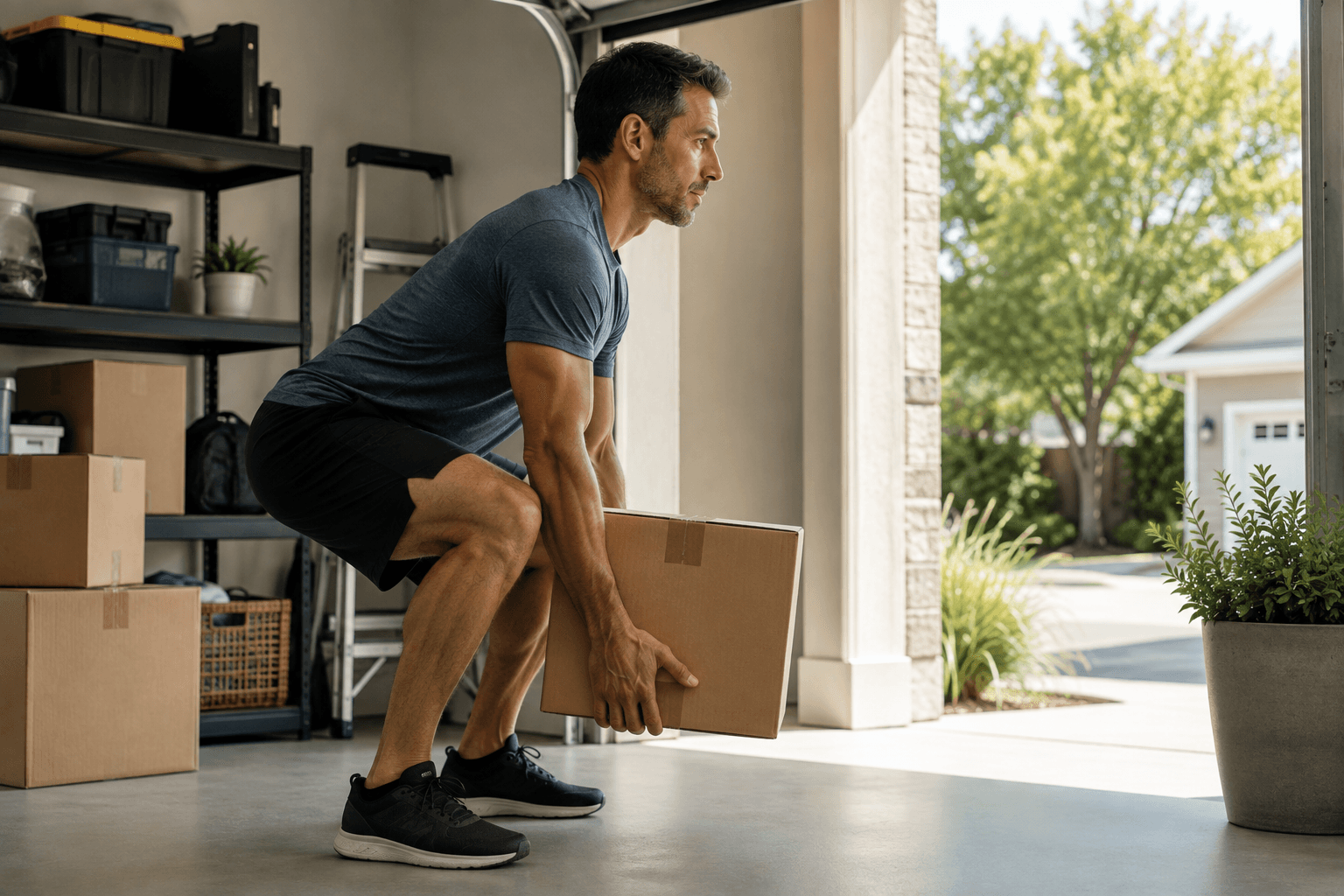
Lifting is one of the most common ways people reinjure their backs. The risk is higher when the load is heavy, far from the body, lifted from the floor, or combined with twisting.
When lifting, get close to the object, keep it near your body, tighten your abdomen gently, bend through your hips and knees when possible, and avoid twisting while holding the load. Turn your whole body with your feet instead of rotating through your back.
If an item is too heavy, awkward, or high-risk, ask for help or use equipment. NIAMS recommends avoiding heavy lifting when possible and using the leg and abdominal muscles rather than the back when lifting heavy items.
Improve Posture Without Trying to Be Perfect
Posture matters, but there is no single perfect position that prevents all back pain. The bigger issue is staying in one position too long or using positions that repeatedly overload the same tissues.
If you sit for long periods, support your back, keep your feet flat when possible, bring your screen to a comfortable height, and change positions often. Standing breaks, short walks, and gentle mobility exercises may help reduce stiffness.
If your work involves standing, lifting, driving, or repetitive movement, prevention may involve different strategies: supportive footwear, task rotation, lifting aids, scheduled breaks, and strength training. The best posture is often the next posture: regular movement helps more than forcing one rigid position all day.
Use Pacing to Avoid Doing Too Much Too Soon
Many flare-ups happen when activity increases faster than the back can tolerate. This may happen after a weekend of yardwork, moving furniture, returning to the gym, cleaning the house, or restarting a sport after time off.
Pacing means breaking activities into smaller sessions, adding rest breaks, and increasing intensity gradually. Instead of doing all heavy chores in one day, spread them out. Instead of returning to your old workout immediately, build back step by step.
A useful rule is to increase activity only when symptoms stay stable during and after the activity. Pain that spikes later that day or the next morning may mean the dose was too high.
Do Not Ignore Sleep and Stress
Back pain is not only mechanical. Poor sleep, chronic stress, anxiety, and low mood can make pain feel more frequent and more severe. They can also make it harder to exercise, recover, and stay consistent with healthy habits.
NIAMS lists chronic poor sleep, depression, and anxiety as factors that can make back pain more frequent and severe.
Improving sleep routines, managing stress, and addressing mental health are not "extra" steps. They can be part of a real back pain prevention plan. If pain is disrupting sleep or mood, tell a healthcare provider.
Healthy Habits That Support the Back
Several everyday habits can affect back pain risk. Regular physical activity, strength training, maintaining a healthy weight, not smoking, eating a balanced diet, and getting enough sleep can all support spine health and recovery.
Excess weight can place more strain on the back. Smoking may affect blood flow and healing. Low physical activity can reduce strength and mobility. Poor nutrition can affect bone, muscle, and overall recovery.
NIAMS recommends healthy habits such as regular sleep, a healthy diet, quitting smoking, maintaining a healthy weight, practicing good posture, and getting enough calcium and vitamin D to help keep the spine strong.
Home Tools That May Help
Home tools can support prevention and comfort, but they should not replace diagnosis or rehabilitation when symptoms are persistent or severe.
A back support may help some people during short periods of lifting, travel, or flare-ups, but relying on a brace all day may not address weakness, stiffness, or movement habits. A TENS unit may provide temporary pain relief for some people, but it does not fix the underlying cause of recurring pain.
Other useful tools may include a supportive chair, adjustable workstation, heat pack, cold pack, foam roller, exercise mat, resistance bands, and comfortable walking shoes. The right tool depends on what triggers your pain and what your provider recommends.
Common Mistake: Resting Too Long
Rest can feel protective, but too much rest may slow recovery. Long periods of inactivity can lead to stiffness, weaker muscles, lower confidence, and more sensitivity when movement resumes.
A better approach is relative rest: avoid the movements that sharply worsen symptoms while keeping gentle activity in your day. Walking, light household tasks, and comfortable mobility work may be more helpful than staying in bed.
If you cannot walk, stand, or move without severe pain, or if pain is not improving, get medical guidance.
Common Mistake: Stretching Aggressively
Stretching can help some types of back stiffness, but aggressive stretching during a flare-up can make symptoms worse. More intensity is not always better.
Gentle mobility is usually safer than forcing deep stretches. Stop if a stretch causes sharp pain, numbness, tingling, or pain that travels farther down the leg.
If you repeatedly feel the need to stretch but the pain keeps returning, the problem may involve strength, load tolerance, nerve irritation, hip mobility, work setup, or movement habits rather than simple tightness.
Common Mistake: Returning to Heavy Activity Too Soon
Another common mistake is returning to heavy lifting, running, sports, or long work shifts as soon as pain improves. Less pain does not always mean the back is ready for full load.
Return gradually. Start with lower intensity, shorter duration, and simpler movements. Increase only when symptoms remain stable. If pain returns every time activity increases, a physical therapist can help identify what needs to be rebuilt.
Reinjury prevention often depends on restoring strength, endurance, mobility, and confidence, not just waiting for pain to fade.
Common Mistake: Ignoring Leg Symptoms
Back pain that travels into the buttock, hip, or leg may suggest nerve irritation, especially if it comes with numbness, tingling, weakness, or pain below the knee.
Not all leg pain is dangerous, but it should be taken seriously when it is worsening, one-sided, associated with weakness, or interfering with walking.
Mayo Clinic advises contacting a healthcare professional for back pain that spreads down one or both legs, especially if it goes below the knee, or pain that causes weakness, numbness, or tingling in one or both legs.
When to Talk to a Healthcare Provider
Talk to a healthcare provider if back pain lasts longer than a few weeks, keeps coming back, interferes with work or sleep, spreads into the leg, or does not improve with appropriate self-care.
You should also get checked if pain started after a fall, car accident, sports injury, or lifting injury, or if you have a history of osteoporosis, cancer, infection risk, steroid use, unexplained weight loss, or immune system problems.
A provider may recommend physical therapy, medication review, imaging only when appropriate, work modifications, exercise guidance, or evaluation for nerve involvement or another underlying condition.
When to Seek Urgent Care
Seek urgent medical care for back pain with trouble urinating, loss of bladder or bowel control, numbness in the groin or saddle area, fever, unexplained weight loss, severe pain that does not improve, or weakness, pain, numbness, or tingling in the legs.
NIAMS recommends seeing a doctor if back pain does not improve or appears with tingling or numbness, severe pain that does not improve with treatment, pain after a fall or injury, trouble urinating, weakness, pain, or numbness in the legs, fever, or unexplained weight loss.
Call emergency services if back pain occurs with chest pain, fainting, severe weakness, symptoms of stroke, major trauma, or signs of a serious medical emergency.
The Bottom Line
Preventing back pain flare-ups and reinjury usually requires more than avoiding pain triggers. It means building strength, staying mobile, pacing activity, lifting safely, changing positions often, managing sleep and stress, and knowing when symptoms need medical care.
Most back pain episodes improve with time and appropriate self-care, but recurring or worsening pain should not be ignored. Leg symptoms, numbness, weakness, fever, urinary problems, unexplained weight loss, or pain after injury need medical evaluation.
If back pain keeps returning, ask a healthcare provider or physical therapist what specific movements, strength gaps, work habits, or health factors may be contributing to the pattern.