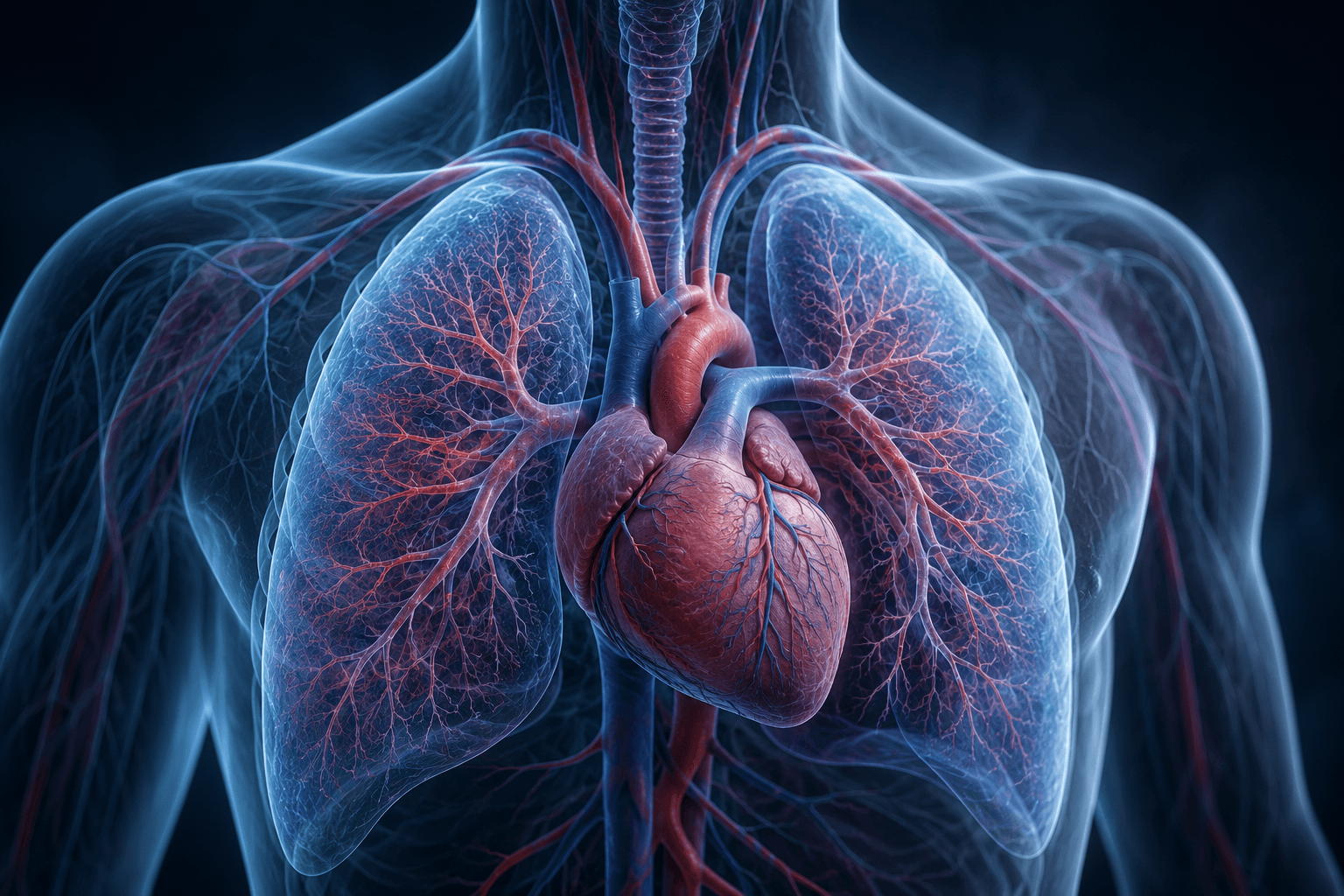
Shortness of breath is one of the most common complaints doctors hear. Most of the time it has a straightforward explanation: a respiratory infection, allergies, or being out of shape. But sometimes breathlessness is the first clue to something that affects how the heart and lungs work together, a condition called pulmonary hypertension.
Pulmonary hypertension often goes undiagnosed for months or even years, because its early symptoms look a lot like everyday fatigue or ordinary breathing trouble. Knowing what it is, how it feels, and when to see a doctor can affect how well it is managed.
What Is Pulmonary Hypertension?
The word "pulmonary" means related to the lungs. Hypertension means high blood pressure. So pulmonary hypertension (PH) is high blood pressure specifically in the arteries that carry blood from the heart to the lungs.
In a healthy circulatory system, the right side of the heart pumps blood through the pulmonary arteries to pick up oxygen in the lungs. This part of the circulatory circuit normally operates at a much lower pressure than the rest of the body. When the small blood vessels inside the lungs become narrowed, stiff, or blocked, pressure builds up. The right side of the heart has to work harder to push blood through, and over time this extra strain can weaken the heart muscle.
Pulmonary hypertension is not one single disease. Doctors classify it into several groups depending on the underlying cause. These range from a rare form called pulmonary arterial hypertension (PAH), in which the vessel walls themselves are affected, to PH caused by left-sided heart disease, chronic lung conditions like COPD or interstitial lung disease, blood clots in the lungs, or other medical conditions. The cause matters because it shapes the treatment approach.
Why Is It So Often Missed?
One reason pulmonary hypertension goes unnoticed is that the body adapts well, at least for a while. In the early stages, you may feel fine at rest and only notice symptoms when you push yourself physically. People often chalk this up to aging, deconditioning, stress, or anxiety.
There is also no simple screening blood test the way there is for, say, high cholesterol. Confirming pulmonary hypertension typically requires specialized testing, including an echocardiogram (an ultrasound of the heart) and sometimes a right heart catheterization, a procedure in which a thin, flexible tube is threaded into the right side of the heart to measure pressures directly. This means the diagnosis usually depends on a clinician recognizing the pattern of symptoms first.
Common Symptoms to Know
The symptoms of pulmonary hypertension can be subtle early on and become more noticeable as the condition progresses. Here are the most important ones to be aware of:
- Shortness of breath with activity. This is usually the first symptom people notice. Tasks that never used to wind you, like climbing a flight of stairs, carrying groceries, or walking briskly, start to feel harder than expected. Initially this happens only during exertion, but as PH advances it can occur at rest.
- Fatigue and tiredness. Persistent, unexplained tiredness is one of the most reported symptoms. Because the heart and lungs are under stress, the body's muscles and organs may not receive the oxygen-rich blood they need during activity, leaving you feeling drained.
- Dizziness or lightheadedness. Some people feel dizzy during or after physical effort. In some cases this can lead to fainting (called syncope), which is a symptom that should always be evaluated by a clinician promptly.
- Chest pain or pressure. A sensation of tightness or discomfort in the chest, especially during exertion, can occur when the right side of the heart is under strain. This symptom overlaps with many other conditions and always warrants medical evaluation.
- A racing or pounding heartbeat. Some people notice palpitations, the feeling that the heart is fluttering, skipping beats, or beating unusually fast. This can happen because the heart is working harder or because rhythm changes develop over time.
- Swelling in the ankles, legs, or abdomen. When the right side of the heart struggles to pump effectively, fluid can back up into the body's tissues, causing swelling (edema). Noticeable leg swelling or a feeling of abdominal bloating or fullness can be a sign that the heart is under significant pressure.
- Lips or skin that appear bluish. A bluish tint to the lips, fingertips, or skin, called cyanosis, signals that blood oxygen levels have dropped. This is a more advanced sign that needs urgent attention.
Warning Signs That Need Prompt Medical Attention
Some symptoms deserve a same-day call to a doctor or a trip to urgent care or the emergency room. Do not wait and see if these appear:
- Fainting or near-fainting, especially during physical activity
- Sudden, severe shortness of breath that comes on at rest
- Chest pain that is new, worsening, or accompanied by sweating or nausea
- Coughing up blood
- Rapid swelling of the legs or abdomen that develops over days
- Bluish coloring of the lips or fingernails
A note on the overlap with other conditions: Every symptom listed above can also be caused by conditions other than pulmonary hypertension, including heart failure, asthma, anemia, and anxiety disorders. This is why a clinician's evaluation matters. The list is meant to help you recognize patterns that deserve professional attention.
Who Is at Higher Risk?
Pulmonary hypertension can affect anyone, but certain factors are associated with a higher likelihood of developing it. Knowing about these can help you and your doctor stay alert.
- A family history of pulmonary arterial hypertension. The rare form known as heritable PAH can run in families and has been linked to changes in specific genes. If a close relative has been diagnosed, mention it to your doctor.
- Certain connective tissue diseases. Conditions such as scleroderma (systemic sclerosis), lupus, and mixed connective tissue disease are associated with a notably higher risk of developing PH. Regular monitoring is often part of the care plan for people with these diagnoses.
- Congenital heart disease. Heart defects present from birth that affect blood flow can, over time, raise pressure in the pulmonary arteries.
- Chronic liver disease. A form of PH called portopulmonary hypertension can develop in people with significant liver disease and high pressure in the liver's blood vessels.
- HIV infection. People living with HIV have a somewhat elevated risk of developing pulmonary arterial hypertension, though the overall numbers remain small.
- Prior pulmonary embolism (blood clots in the lungs). In a subset of people who have had blood clots in the lung arteries, a form of PH called chronic thromboembolic pulmonary hypertension (CTEPH) can develop, even months or years later.
- Use of certain medications or substances. Some appetite-suppressants used in the past were found to increase PH risk. Stimulant drug use has also been linked to the condition. If you have concerns, talk openly with your doctor about your history.
How Is It Diagnosed?
If your doctor suspects pulmonary hypertension based on your symptoms, history, and a physical exam, they will likely order a series of tests to build a clearer picture. These may include a chest X-ray, an electrocardiogram (ECG) to look at heart rhythm and electrical activity, pulmonary function tests to assess how well your lungs move air, and blood tests to check for underlying conditions. An echocardiogram is often an early step because it can estimate pressures on the right side of the heart non-invasively.
If the echocardiogram raises concern, the standard next step is a referral to a specialist, typically a pulmonologist (lung specialist) or cardiologist with experience in pulmonary hypertension. Confirming a diagnosis and determining the exact type of PH often requires that right heart catheterization mentioned earlier.
What Can Be Done
The treatment of pulmonary hypertension depends heavily on its underlying cause and type. Some forms are treated mainly by addressing the root condition, such as managing heart failure, treating sleep apnea, or anticoagulating blood clots. The rarer form, pulmonary arterial hypertension, now has a range of medications specifically approved to target the pathways that cause blood vessel narrowing and stiffening. Surgical and procedural options exist for selected patients with certain types.
Early diagnosis consistently allows for more treatment options and a better chance of slowing progression. This is the strongest argument for paying attention to symptoms and seeking evaluation rather than assuming breathlessness is just part of getting older.
The Bottom Line
Pulmonary hypertension is serious but treatable, and it is too often diagnosed late because its early symptoms are easy to dismiss. Unexplained shortness of breath with activity, persistent fatigue, dizziness, or leg swelling are worth discussing with a doctor, especially in someone with relevant risk factors.
You know your body. If something feels off, trust that instinct and get it checked out. And if you have already been diagnosed with a condition known to raise PH risk, ask your care team how and when they monitor for it.
This article is for general informational purposes only and is not a substitute for professional medical advice, diagnosis, or treatment. Always consult a qualified healthcare provider about any symptoms or medical concerns you have.