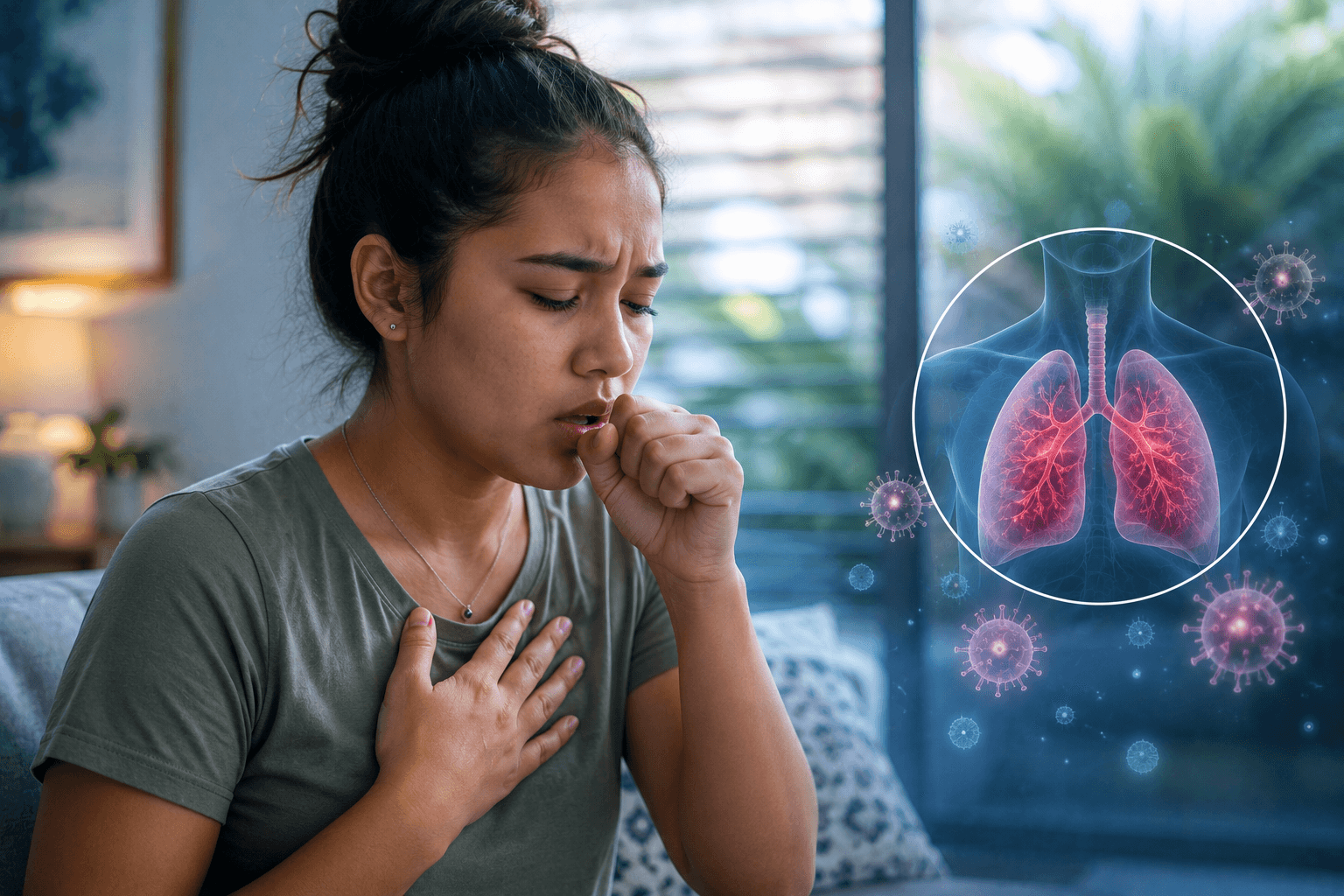
Most of us have experienced it: a scratchy throat one morning, a cough that settles in by afternoon, and by evening a general sense that something is off. Respiratory infections are among the most common reasons people visit a clinic or urgent care facility, and they range from mildly inconvenient to genuinely serious. Understanding what's happening in your airways, and recognizing the symptoms that call for prompt attention, can help you make better decisions about your health.
What Is a Respiratory Infection?
A respiratory infection is an illness caused by a pathogen, most often a virus but sometimes a bacterium or, less commonly, a fungus, that takes hold somewhere along the respiratory tract. Clinicians typically divide these infections into two broad categories:
- Upper respiratory infections (URIs) affect the nose, sinuses, throat, and larynx. The common cold and most cases of sinusitis or pharyngitis fall here.
- Lower respiratory infections (LRIs) involve the airways below the voice box: the bronchi, bronchioles, and lungs. Bronchitis, bronchiolitis, and pneumonia are examples.
The distinction matters clinically because lower respiratory infections tend to carry a higher risk of serious complications, particularly for older adults, young children, and people with underlying health conditions.
Common Symptoms to Know
Symptoms can vary widely depending on where the infection is located and how your immune system is responding. That said, several signs appear often across respiratory illnesses:
- Cough: may be dry and irritating at first, then become productive (bringing up mucus) as the illness progresses
- Nasal congestion or runny nose: common with upper respiratory infections
- Sore or scratchy throat: often an early sign
- Fever: the body's immune response generating heat to slow pathogen replication
- Fatigue and body aches: driven partly by inflammatory signaling molecules called cytokines
- Headache: can result from sinus pressure or the systemic effects of infection
- Shortness of breath or wheezing: more associated with lower respiratory involvement and worth noting carefully
- Chest tightness or pain: particularly relevant if it worsens with deep breathing or coughing
Overlapping symptoms make it hard, even for clinicians, to identify the specific pathogen without testing. A fever and cough could point to influenza, COVID-19, respiratory syncytial virus (RSV), or a number of other infections. That's one reason diagnosis and treatment decisions are best made with a healthcare provider.
What Triggers Respiratory Infections?
The most direct trigger is exposure to a pathogen, but several factors influence both the likelihood of getting infected and how your body handles it once you are.
Viral and Bacterial Causes
Viruses cause the vast majority of respiratory infections. Influenza viruses, rhinoviruses (responsible for many common colds), coronaviruses, RSV, and adenoviruses are among the most frequently implicated. Bacterial infections, such as those caused by Streptococcus pneumoniae or Mycoplasma pneumoniae, are less common but can be more severe and may require antibiotics. It's worth not assuming antibiotics are needed: using them for a viral illness won't help and can contribute to antibiotic resistance.
Seasonal and Environmental Factors
Respiratory infections spike in fall and winter in the United States, a pattern researchers attribute to several overlapping factors: people spend more time indoors in close contact, cold air may affect the mucous membranes that serve as the respiratory tract's first line of defense, and some viruses survive longer at lower humidity. Air quality also plays a role: exposure to smoke, pollution, or allergens can inflame and irritate airway tissues, which may make them more vulnerable to infection.
Individual Risk Factors
Certain people face a higher risk of developing serious respiratory infections or complications:
- Adults over 65 and children under 5, whose immune systems may respond less robustly
- People with chronic lung conditions such as asthma or COPD, whose airways are already inflamed or structurally changed
- Those with heart disease, diabetes, or weakened immune systems
- Smokers and people exposed to secondhand smoke over time, as smoking damages the cilia (the tiny hair-like structures that help sweep pathogens out of the airways)
- People who are pregnant, due to natural shifts in immune function
Understanding your personal risk profile is one of the most useful things you can discuss with a primary care provider, especially heading into respiratory illness season.
How the Body Responds
When a pathogen enters the respiratory tract, the immune system mounts a defense that is, in many ways, responsible for the symptoms you feel. Inflammation in the nasal passages produces congestion. Mucus production increases to trap and expel pathogens. Fever raises core body temperature in ways that can impair viral replication. The cough reflex, triggered by irritation in the airways, helps clear mucus and debris.
This is why, in many mild cases, supportive care (rest, fluids, and over-the-counter symptom relief where appropriate) is the main approach. You're largely letting your immune system do its job. However, this normal response can sometimes go further than it should, leading to complications like pneumonia, bronchospasm, or in rare cases, more systemic illness.
When Breathing Changes Deserve Immediate Attention
Most respiratory infections resolve on their own, but certain changes in breathing or other symptoms are signals to seek care, sometimes emergency care, without delay.
Call 911 or go to an emergency room if you or someone with you experiences: severe difficulty breathing or an inability to catch your breath, bluish or grayish coloring of the lips or fingertips (called cyanosis), confusion or altered mental status that comes on suddenly, chest pain that is severe or persistent, or an inability to stay awake.
These can be signs that the body is not getting enough oxygen, a medical emergency that needs prompt evaluation.
Beyond emergencies, there are also symptoms that warrant a same-day or next-day call to your doctor or a visit to an urgent care clinic:
- Shortness of breath that is new, worsening, or occurs at rest
- A fever that is very high, persists beyond a few days, or returns after seeming to improve
- Coughing up blood or a significant amount of discolored mucus
- Symptoms that seem to improve and then suddenly worsen (sometimes called a "secondary dip"), which can signal a bacterial superinfection on top of a viral illness
- Persistent chest pain or pressure
- Symptoms in an infant, an elderly person, or anyone with a serious chronic condition that appear to be worsening
When It's Likely Safe to Monitor at Home
For otherwise healthy adults, many upper respiratory infections and mild cases of bronchitis can be managed at home with rest, adequate hydration, and over-the-counter medications to manage symptoms like congestion, cough, or fever. Staying home while you're contagious, and covering coughs and sneezes, also helps protect the people around you.
Keep in mind that some symptoms, like a cough, can linger for weeks after the acute phase of a respiratory infection has resolved. A post-viral cough is common and doesn't always indicate an ongoing infection, though a persistent or worsening cough is worth discussing with a clinician to rule out complications or underlying conditions.
Prevention: What the Evidence Supports
No strategy eliminates risk entirely, but several measures have strong evidence behind them:
- Vaccination: Annual influenza vaccines and vaccines for COVID-19, RSV (available for older adults, infants, and pregnant people), and pneumococcal disease are among the most effective tools for reducing serious respiratory illness. Talk to your doctor about which vaccines are recommended for your age and health status.
- Hand hygiene: Frequent handwashing with soap and water, particularly after touching shared surfaces or before touching your face, reduces transmission of many respiratory pathogens.
- Avoiding close contact with sick individuals and staying home when you are sick
- Not smoking: Quitting smoking can meaningfully improve airway health over time, even for long-term smokers
- Managing underlying conditions: Keeping asthma, COPD, or other chronic lung conditions well controlled reduces vulnerability to severe infection
A Note on Seeking Care
It can be genuinely hard to know when a cough is just a cough and when it's something more. If you're unsure, that uncertainty itself is a good reason to reach out to a healthcare provider. Telehealth options have made it easier than ever to get a professional opinion quickly, especially for initial symptom assessment.
No article, including this one, can substitute for a clinician who knows your health history, can ask follow-up questions, and can examine you. Think of the information here as a starting point for understanding what's happening in your body and for having a more informed conversation with the people who care for your health.