If you run marathons, shoot weekend hoops, or just try to stay active a few times a week, a sports injury is always a possibility. Sprains, strains, stress fractures, and overuse injuries can sideline beginners and seasoned athletes alike. Research consistently shows that a meaningful portion of sports injuries are preventable, and the strategies involved are neither complicated nor expensive.
This checklist walks through four evidence-informed pillars of injury prevention: movement quality, ergonomics and equipment, strength and conditioning, and rest and recovery. It is a starting point, not a rulebook. Your body, your sport, and your circumstances are your own, so use it to open a conversation with your doctor, physical therapist, or certified athletic trainer.
Pillar 1: Movement Quality
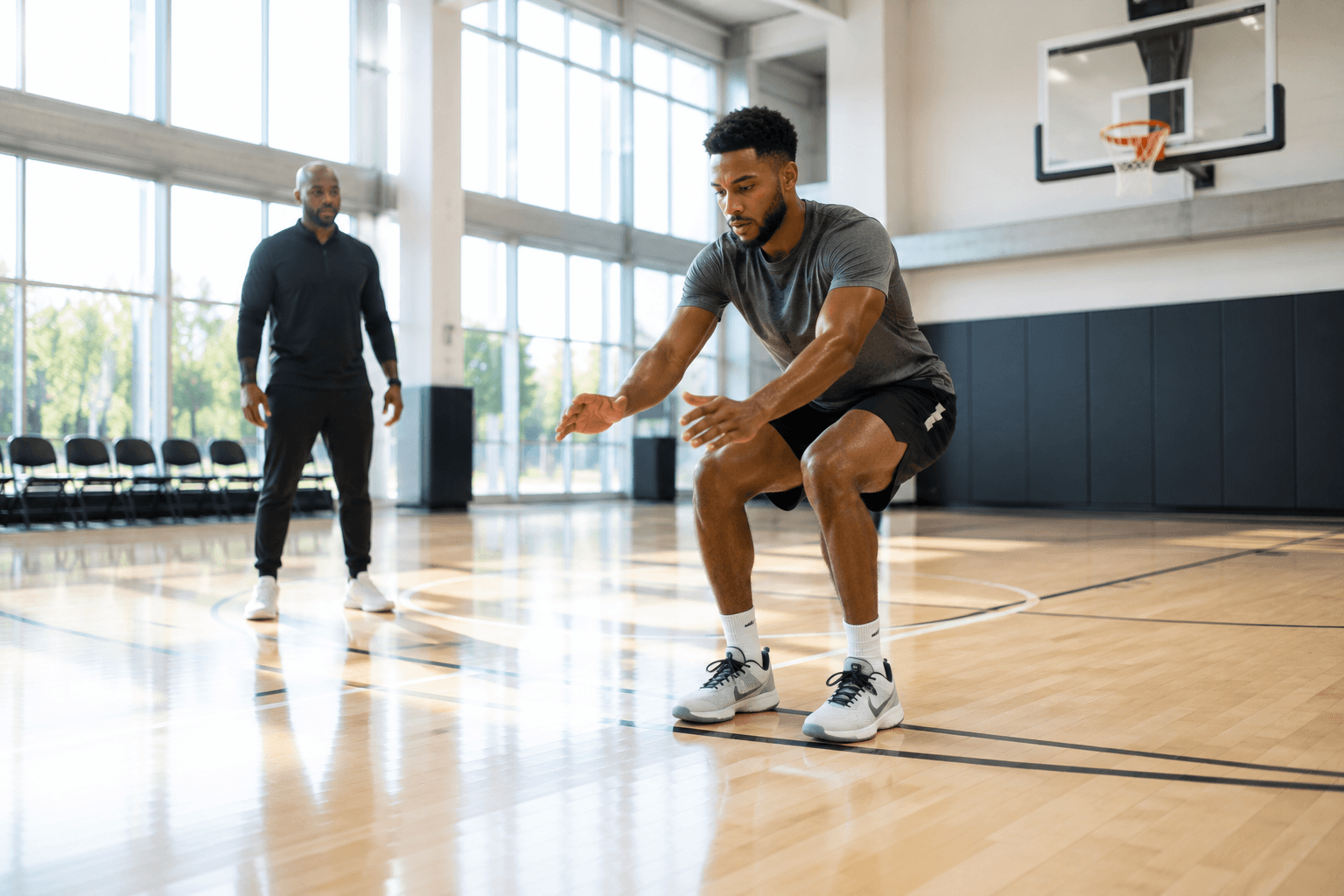
How you move matters just as much as how much you move. Poor mechanics place repetitive stress on structures that are not built to absorb it: a knee that caves inward during a squat, a running stride that overloads one side of the body, or a throwing motion that strains the shoulder.
- Warm up deliberately. A dynamic warm-up (leg swings, arm circles, light jogging, bodyweight lunges) raises core temperature, increases blood flow to working muscles, and primes the nervous system. Research comparing dynamic warm-ups to static stretching before activity generally favors dynamic approaches for reducing acute injury risk, though brief static stretching after activity can still support flexibility over time.
- Learn and rehearse sport-specific patterns. If you play tennis, practice controlled deceleration after a sprint. If you lift weights, spend time with lighter loads to groove proper form before adding intensity. Neuromuscular training, which teaches the body how to land, pivot, and change direction safely, has a well-documented track record of reducing lower-extremity injuries, particularly ACL tears in sports that involve cutting movements.
- Listen to compensatory signals. Limping slightly to protect a sore hip, favoring one arm, or arching the lower back to finish a rep are all signs the body is compensating. Compensation patterns shift load to structures that weren't designed to carry it, raising downstream injury risk. If you notice persistent compensation, scale back intensity and seek a professional assessment.
- Cool down and move through full range of motion. Ending activity with a gradual cool-down, light movement followed by gentle stretching, helps the cardiovascular system transition safely and may support joint mobility over the longer term.
Pillar 2: Ergonomics and Equipment
Ergonomics is often associated with desk jobs, but the principle applies equally to sport: your body and your equipment should work together, not against each other.
- Choose footwear that fits your foot type and activity. Running shoes are engineered differently from court shoes, trail shoes, or cleats. Worn-down soles, improper arch support, or shoes that don't match your gait pattern can contribute to plantar fasciitis, shin splints, and knee pain. A specialty running or athletic retailer can often do a basic gait assessment to help guide your choice.
- Check protective gear fit regularly. Helmets, pads, braces, and supports only do their job when properly fitted. A helmet that sits too high or a knee brace that has stretched out over time offers diminished protection. Replace gear according to manufacturer guidelines or after any significant impact.
- Set up your training environment thoughtfully. For cyclists, a professional bike fit can dramatically reduce repetitive stress on the knees, back, and neck. For weightlifters, bench height and bar placement matter. For swimmers, lane-sharing and flip-turn technique affect shoulder load. A little time spent optimizing your setup pays off over months and years of training.
- Respect surface variation. Transitioning abruptly from soft surfaces (grass, a track) to harder ones (pavement, concrete) increases impact forces on joints and connective tissue. Gradual transitions give the body time to adapt.
Pillar 3: Strength and Conditioning
A well-conditioned body is more resilient. Muscles absorb force that would otherwise travel directly to tendons, ligaments, and bones. But conditioning also means building capacity progressively and strategically, not simply doing more.
- Follow a structured progression. One of the most cited principles in sports medicine is the idea of gradual load progression: increasing training volume, intensity, or frequency incrementally rather than making large jumps. A common guideline used by coaches and trainers is to limit weekly increases in training load to manageable increments, though the ideal rate varies by individual and sport. Sudden spikes in load are closely associated with overuse injury development.
- Strengthen the posterior chain and stabilizers. The muscles of the back, glutes, hamstrings, and deep core are frequently undertrained relative to the muscles we see in a mirror. Weakness in these areas contributes to instability at the knee, hip, and lumbar spine. Exercises like Romanian deadlifts, glute bridges, rows, and dead bugs target these often-neglected areas.
- Include balance and proprioception work. Proprioception is the body's sense of its own position in space, and it is a key injury-prevention mechanism. Single-leg stands, balance board work, and exercises that challenge stability all help train the neuromuscular pathways that protect joints during unpredictable movements. Studies in sports medicine have found that proprioceptive training is particularly effective at reducing ankle sprain recurrence.
- Cross-train to distribute stress. Repeating the same movement pattern day after day concentrates stress on the same tissues. Swimmers who also strength train, runners who also cycle, and tennis players who also practice yoga are distributing mechanical load across a wider variety of tissues, reducing the cumulative strain on any single structure.
- Address asymmetries. Most people have some difference in strength or mobility between their dominant and non-dominant sides. Significant asymmetry can increase injury risk by causing one side to overcompensate. Unilateral exercises such as single-leg squats and single-arm rows help identify and gradually correct these imbalances.
Pillar 4: Rest and Recovery
Training breaks down tissue. Recovery is when that tissue rebuilds, stronger than before. Without adequate recovery, the breakdown-to-rebuild cycle tips out of balance, and overuse injuries, fatigue, and burnout follow.
- Prioritize sleep above almost everything else. Sleep is when the body releases growth hormone, repairs micro-tears in muscle tissue, and consolidates motor learning. Research on athlete populations links short sleep duration and poor sleep quality to higher injury rates and slower recovery. Most adults need seven to nine hours, and competitive athletes may benefit from even more. If you are consistently sleeping fewer than seven hours, that gap is likely limiting both your performance and your protection against injury.
- Schedule intentional rest days. Rest days are part of the training, not a lapse in discipline. Active recovery days (light walking, gentle yoga, easy swimming) promote circulation without adding significant load. Full rest days let the nervous system and connective tissue recover in ways active recovery alone cannot.
- Fuel and hydrate adequately. Under-fueling, whether from calorie restriction, poor meal timing, or too little protein, impairs tissue repair and lowers the tolerance of bones, tendons, and ligaments to mechanical stress. Relative Energy Deficiency in Sport (RED-S), a condition in which energy intake does not meet the demands of training, is associated with increased stress fracture risk and hormonal disruption. Staying well-hydrated also supports joint lubrication and reduces the risk of muscle cramping.
- Manage training monotony and psychological fatigue. Mental fatigue can impair reaction time and decision-making, both of which are protective during physical activity. Varying your training, taking breaks from competitive pressure, and monitoring mood alongside physical metrics are all worthwhile practices.
- Respond to pain promptly and proportionately. Not all pain signals the same thing. Mild muscle soreness after an unfamiliar workout is normal. Sharp, localized, or persistent pain warrants rest and a professional evaluation, especially when it worsens during activity or disrupts sleep. Playing through significant pain rarely speeds healing and often makes injuries more complex.
When to Seek Professional Guidance
This checklist is a general educational resource, not a substitute for individualized care. Consider scheduling an evaluation with a sports medicine physician, physical therapist, or certified athletic trainer if you:
- Have a history of recurring injuries in the same area
- Are significantly increasing your training volume or intensity
- Are returning to sport after a break of several months or more
- Notice persistent pain, swelling, instability, or reduced range of motion
- Are uncertain about your movement mechanics or equipment fit
You cannot eliminate risk entirely. Injury prevention is about making thoughtful choices that shift the odds in your favor, day after day.
Weave movement quality, appropriate equipment, progressive conditioning, and real recovery into your routine, and you build a foundation for performance now and for years of active, healthy living ahead.