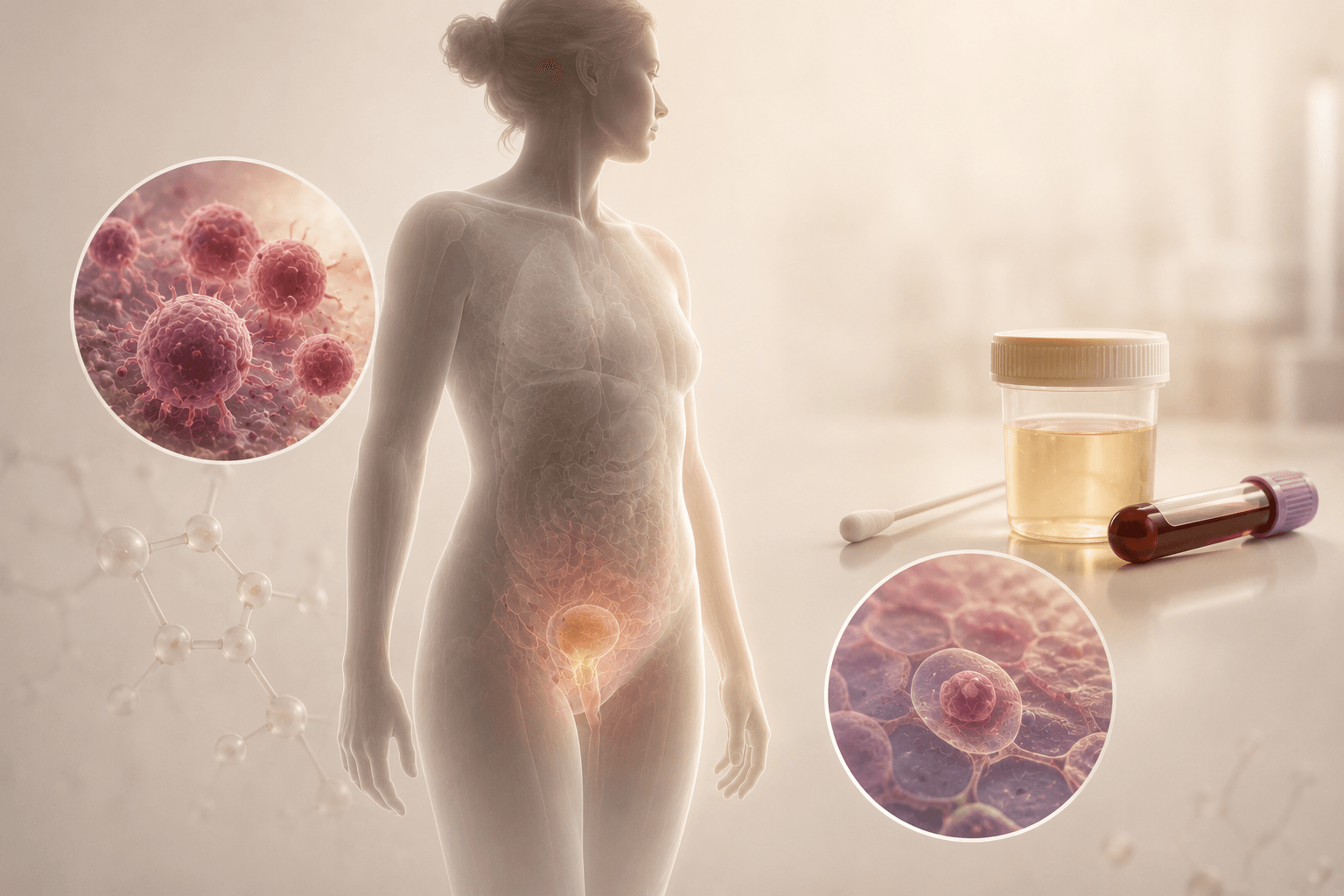
Sexually transmitted infections (STIs) are among the most common health conditions in the United States, affecting people of every age, background, and relationship status. Yet stigma and misinformation continue to keep many people from getting tested or seeking care. Routine screening is straightforward, widely available, and, for most infections, highly treatable when caught early. This guide breaks down what you need to know, from recognizing possible symptoms to understanding your privacy rights.
Why Screening Matters Even When You Feel Fine
One of the most important things to understand about STIs is that many of them cause no noticeable symptoms, sometimes for months or years. Chlamydia, gonorrhea, and early HIV infection, for example, are frequently described by clinicians as "silent" infections. A person can be living with one of these infections, and unknowingly passing it to partners, without ever feeling sick.
This is why public health guidelines from organizations like the Centers for Disease Control and Prevention (CDC) recommend routine screening based on age, sexual behavior, and other risk factors, rather than waiting for symptoms to appear. Screening is a proactive health habit, similar to checking your blood pressure or getting a cholesterol panel. It does not mean anything is wrong. It means you are taking your health seriously.
Common STIs and What They Can Look Like
When symptoms do occur, they vary widely depending on the infection. Below is a general overview. Keep in mind that this list is not exhaustive, and symptoms can overlap with many other conditions. Only a clinician and appropriate testing can confirm a diagnosis.
- Chlamydia and gonorrhea: Often produce no symptoms. When they do, symptoms may include unusual discharge, burning during urination, or pelvic discomfort. Both can affect the genitals, rectum, and throat.
- Syphilis: Progresses through stages. The first stage typically involves a painless sore (called a chancre) at the infection site. Later stages can cause a rash, flu-like symptoms, or, if untreated over years, serious organ damage.
- Herpes (HSV-1 and HSV-2): May cause blisters or sores around the mouth or genitals, but many people have mild or no symptoms and may not know they carry the virus.
- Human papillomavirus (HPV): The most common STI. Most infections clear on their own without symptoms. Certain strains can cause genital warts; others are linked to several cancers, which is why HPV vaccination and cervical cancer screening (Pap and HPV tests) are so important.
- HIV: Early infection sometimes causes a brief flu-like illness. After that, HIV often causes no symptoms for years while still progressing. Testing is the only reliable way to know your status.
- Trichomoniasis: A parasitic infection that may cause itching, burning, redness, or unusual discharge, though many people have no symptoms at all.
If you notice any unusual changes in your body, such as new sores, rashes, discharge, or discomfort in the genital or anal area, it is worth talking to a clinician promptly, even if you think there may be another explanation.
How STI Testing Actually Works
Testing methods depend on which infections are being screened for. Understanding this can help ease anxiety about the process.
- Blood tests are used to detect HIV, syphilis, and herpes antibodies (though herpes blood testing has some limitations your clinician can explain).
- Urine tests or swabs are typically used for chlamydia and gonorrhea. Swabs may be taken from the urethra, cervix, throat, or rectum depending on a person's sexual practices, so it is important to be open with your provider about the types of sex you have so the right sites are tested.
- Visual examination may be part of screening for genital warts or sores, sometimes combined with additional tests.
- Pap smears and HPV tests are used in cervical cancer screening programs for people with a cervix.
A routine STI panel does not automatically test for everything. Many clinics have a standard set of tests they run unless you ask for something specific. Being direct with your provider, for example saying "I'd like to be tested for all common STIs, including HIV," makes sure you get comprehensive screening. There is no judgment in asking.
At-home test kits for certain STIs (including HIV and some bacterial infections) are also available and can be a useful option for people who prefer privacy or have limited clinic access. A positive at-home result should always be confirmed by a clinician, who can also guide next steps.
Who Should Get Tested and How Often
There is no single schedule that applies to everyone, but evidence-based guidelines offer helpful starting points:
- Sexually active women under 25 are generally recommended to be screened for chlamydia and gonorrhea at least once a year, based on higher rates of infection in this group.
- Adults 25 and older should discuss screening frequency with a clinician based on their number of partners, condom use, and other factors.
- Men who have sex with men (MSM) are often recommended to screen more frequently, sometimes every three to six months, for HIV, syphilis, gonorrhea, and chlamydia, reflecting higher prevalence in this population.
- Pregnant people are routinely screened for several STIs as part of prenatal care, because some infections can affect pregnancy outcomes or be transmitted to a newborn.
- Anyone with a new partner or multiple partners may benefit from more frequent testing regardless of their demographic group.
If you are unsure what is right for you, a primary care provider, gynecologist, or sexual health clinic can help you figure out a sensible schedule based on your individual situation.
Understanding Your Privacy Rights
Concerns about privacy are one of the most common reasons people avoid STI testing, and they are understandable. Here is what you should know:
Medical privacy laws (including HIPAA in the United States) generally protect your health information from being shared without your consent. Your STI test results are part of your confidential medical record.
There are a few nuances worth understanding, though:
- Certain STIs are reportable conditions. Public health laws in every state require clinicians and labs to report confirmed cases of specific infections, such as HIV, syphilis, gonorrhea, and chlamydia, to local or state health departments. This is done to track disease trends and enable public health follow-up. Your name may be included in these reports, but public health agencies are bound by strict confidentiality rules about how they use this information.
- Partner notification. If you test positive for certain infections, a health department may conduct partner notification (sometimes called "contact tracing"). This process notifies partners that they may have been exposed without necessarily revealing your identity. You can often work with a health department or your clinician to manage this process in a way that feels manageable for you.
- Insurance and billing. If you use health insurance to pay for testing, your insurer may receive a record of the services. If you are on a parent's or spouse's plan and prefer privacy, you may want to pay out of pocket or use a community health center, Planned Parenthood, or similar clinic that offers confidential or sliding-scale services.
- Minors and confidentiality. In most states, minors can consent to STI testing and treatment without parental involvement. Laws vary by state, so checking local rules or asking a clinic directly can clarify what applies in your area.
Where to Get Tested
Testing is more accessible than many people realize. Options include:
- Your primary care provider or OB-GYN
- Community health centers and federally qualified health centers, which often offer income-based sliding-scale fees
- Sexual health and reproductive health clinics
- Local or county health department clinics
- College or university student health services
- Telehealth services that can order lab tests and mail at-home kits
If cost is a barrier, many clinics offer free or low-cost testing, and programs exist specifically to expand access to HIV testing and prevention services. Do not let cost be the reason you skip screening. Reach out to a local clinic to ask about available options.
When to Seek Care Without Waiting for a Scheduled Visit
Some situations call for contacting a clinician sooner rather than later:
- You notice a new sore, ulcer, blister, or unusual rash in the genital, anal, or oral area
- You have unusual discharge or unexplained pain during urination or sex
- A sexual partner has told you they tested positive for an STI
- You had a condom break or experienced a potential exposure to HIV and are within 72 hours of that exposure (post-exposure prophylaxis, or PEP, may be an option, but it must be started quickly)
- You are pregnant and have not been screened recently
In any of these situations, prompt evaluation is important. A possible HIV exposure within the past 72 hours is time-sensitive: contact a clinician, urgent care center, or emergency department as soon as possible.
A Note on Treatment and Moving Forward
A positive STI result can feel alarming, but most STIs are either curable with medication or very manageable with treatment. Bacterial infections like chlamydia, gonorrhea, and syphilis are generally treated with antibiotics. Viral infections like HIV and herpes are not curable, but effective treatments allow people to live healthy lives and, in the case of HIV, reduce transmission risk to near zero when viral load is suppressed.
Getting tested, and treated if needed, is an act of care for yourself and your partners. It is also one of the most effective tools we have for reducing the overall burden of STIs in communities.
This article is intended for general informational purposes only and does not constitute medical advice. Talk with a qualified healthcare provider about your individual screening needs, symptoms, or concerns.