Surviving a stroke is a major turning point. The days, weeks, and months that follow are filled with rehabilitation, adjustment, and, understandably, anxiety about what comes next. For many survivors and their families, one of the most pressing worries is the possibility of another stroke. Research consistently shows that lifestyle changes and careful medical follow-up can make a real difference in reducing that risk.
This article walks through the heart-healthy habits that matter most during stroke recovery, explaining not only what to do but why these steps are thought to help, in plain, practical terms. As always, any decisions about your specific care should be made in partnership with your medical team.
Understanding Why a Second Stroke Is a Key Concern
A stroke occurs when blood flow to part of the brain is interrupted, either by a clot (ischemic stroke, the most common type) or by a burst blood vessel (hemorrhagic stroke). Once someone has had a stroke, certain underlying conditions, such as high blood pressure, atrial fibrillation, or narrowed arteries, often remain present. That is why the period after a stroke is considered a particularly important window for risk reduction.
The encouraging finding from decades of research is that many of the same factors that contribute to a first stroke are modifiable. That means there are meaningful actions survivors can take.
Blood Pressure Management: The Foundation of Post-Stroke Care
High blood pressure (hypertension) is the single most important modifiable risk factor for stroke. It damages arterial walls over time and makes it easier for clots to form or vessels to rupture. After a stroke, keeping blood pressure within a healthy range is a cornerstone of recovery and risk reduction.
Managing blood pressure typically involves a combination of:
- Prescribed medications, which your doctor will tailor to your situation
- Reducing sodium intake, since excess salt causes the body to retain fluid, which raises blood pressure
- Regular physical activity, which helps blood vessels stay more flexible
- Limiting alcohol, as heavy drinking is linked to elevated blood pressure
- Stress reduction practices, since chronic stress can contribute to sustained high blood pressure over time
Monitoring your blood pressure at home with a validated cuff, and sharing those readings with your care team, gives you and your clinician a clearer picture than an occasional office visit alone.
Heart-Healthy Eating: What the Pattern Looks Like
No single food prevents stroke, but an overall dietary pattern matters. Research on dietary approaches, including the DASH diet (Dietary Approaches to Stop Hypertension) and Mediterranean-style eating, suggests these patterns are associated with better cardiovascular outcomes, including lower blood pressure and improved cholesterol profiles.
A heart-healthy eating pattern generally emphasizes:
- Vegetables, fruits, and whole grains as the base of most meals
- Legumes and nuts as protein sources alongside lean poultry and fish
- Healthy fats like olive oil in place of saturated fats found in fatty meats and full-fat dairy
- Limited processed and ultra-processed foods, which tend to be high in sodium, added sugars, and refined carbohydrates
- Modest portions of red meat, especially processed varieties like sausage and deli meats
After a stroke, some survivors have difficulty swallowing (dysphagia) or managing food textures, which can complicate eating well. A speech-language pathologist or registered dietitian who works with stroke patients can be an invaluable guide in adapting these principles to your specific needs.
Physical Activity: Moving Again After Stroke
Regular physical activity improves cardiovascular health in several connected ways. It helps lower blood pressure, supports healthy blood sugar and cholesterol levels, aids weight management, and benefits mood and cognition. For stroke survivors, movement also plays a direct role in neurological recovery, helping the brain reorganize and rebuild function through a process called neuroplasticity.
The key is starting where you are. Many stroke survivors face physical limitations, and that's completely normal. Rehabilitation programs, often including physical therapy, occupational therapy, or cardiac rehabilitation, are designed to help survivors build activity gradually and safely.
Even modest increases in movement, such as daily walks that grow longer over time, can be meaningful. Your doctor or physical therapist can help determine what level and type of activity is appropriate for your recovery stage. Do not begin a new exercise program after stroke without first consulting your care team.
Not Smoking, and Getting Support to Quit
Smoking significantly raises stroke risk by promoting arterial damage, increasing blood clot formation, and contributing to atherosclerosis (plaque buildup in arteries). Stopping smoking is one of the highest-impact changes a stroke survivor can make.
Quitting is genuinely difficult, since nicotine is highly addictive, but it is far more achievable with support. Evidence-based options include behavioral counseling, nicotine replacement therapies, and prescription medications. Ask your healthcare provider about programs or resources available in your area. The brain and cardiovascular system begin benefiting relatively quickly after someone quits, though full risk reduction takes longer.
Managing Cholesterol and Blood Sugar
Elevated LDL cholesterol contributes to the buildup of plaques in arteries, which can restrict blood flow to the brain. After an ischemic stroke, many people are prescribed statin medications to help manage cholesterol, in addition to dietary approaches. It's important to take these as directed and to discuss any concerns about side effects with your doctor rather than stopping medication on your own.
Blood sugar management is equally important for survivors who have diabetes or prediabetes. High blood sugar over time damages blood vessels throughout the body, including those supplying the brain. A combination of dietary changes, physical activity, and medication (when prescribed) works together to keep glucose levels in a healthy range.
Addressing Atrial Fibrillation (AFib)
Atrial fibrillation is an irregular heart rhythm that causes blood to pool in the heart, significantly increasing the risk of clot formation. Those clots can travel to the brain and cause a stroke. AFib is a common underlying cause of stroke, and it can be silent, meaning some people don't know they have it.
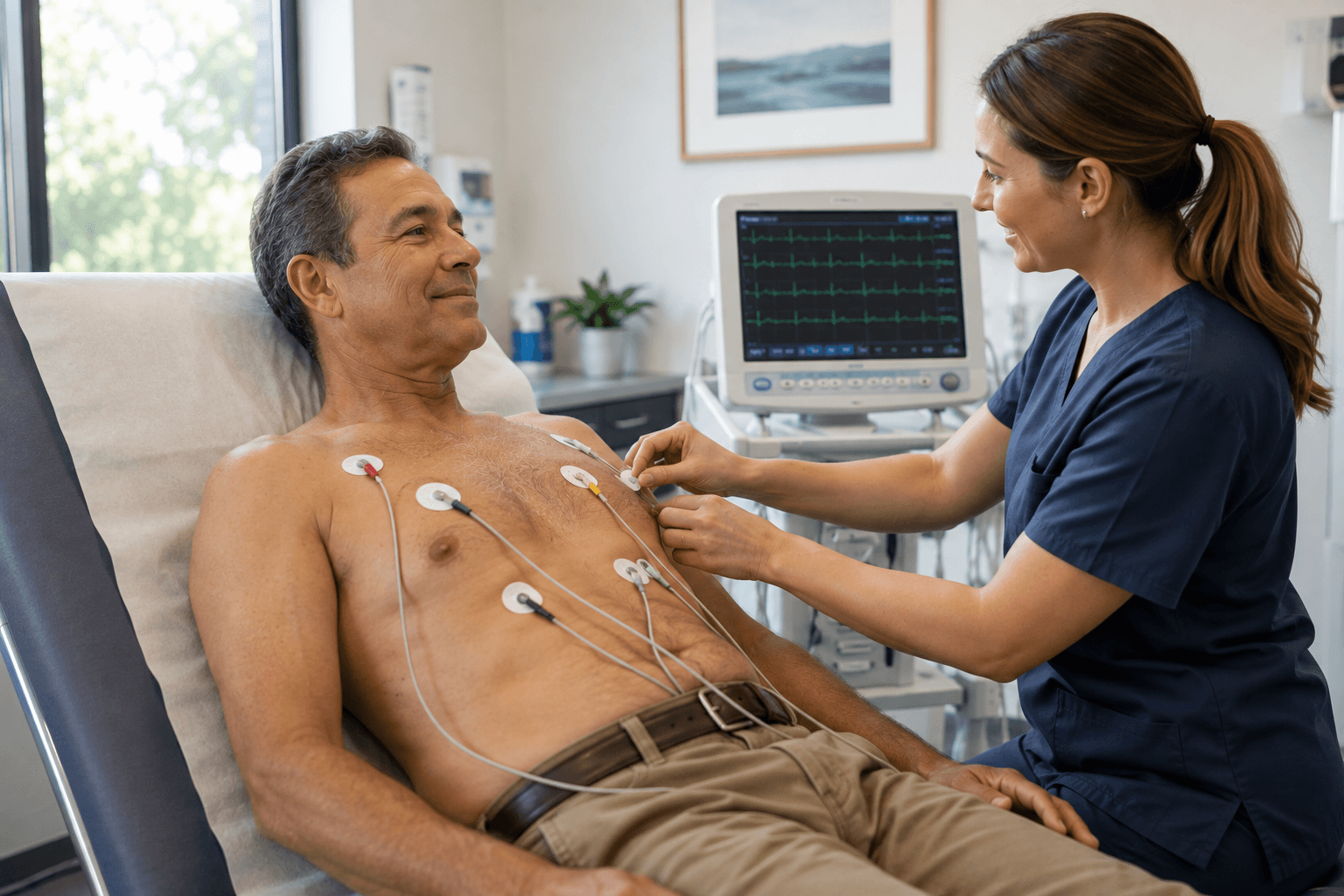
If you've been diagnosed with AFib, your cardiologist or neurologist may recommend blood-thinning medications (anticoagulants) to reduce clot risk. These medications require careful monitoring, and it's important not to stop or adjust them without medical guidance. Regular follow-up appointments and, in some cases, heart rhythm monitoring help ensure AFib is being managed appropriately.
Mental Health Is Part of Recovery, Too
Post-stroke depression is extremely common and often underrecognized. It affects quality of life, and research suggests it may also be linked to worse recovery outcomes and, potentially, poorer adherence to healthy habits. Anxiety, grief, and emotional lability (sudden shifts in emotion) are also frequently experienced after stroke.
Mental health support is part of comprehensive stroke care, not an extra. Options include:
- Talking to your primary care physician or neurologist about how you're feeling emotionally
- Referral to a psychologist, counselor, or psychiatrist who has experience with neurological conditions
- Stroke support groups, which connect survivors and caregivers with others who understand the experience firsthand
Taking care of your emotional health supports your physical recovery, and both deserve attention.
Medication Adherence: Taking Prescribed Treatments Seriously
After a stroke, many people are prescribed a combination of medications: blood pressure drugs, blood thinners, statins, diabetes medications, and others. Research consistently shows that stopping or skipping these medications increases the risk of a second stroke. Yet adherence is one of the most common challenges in long-term post-stroke care.
If cost, side effects, or complexity are making it hard to take your medications as prescribed, bring that up with your care team. There may be generic alternatives, assistance programs, or simplified regimens that can help. Never stop a prescribed medication without discussing it with your doctor first.
Follow-Up Care: The Appointments Matter
Routine follow-up with your neurologist, primary care physician, and any specialists involved in your care is a critical part of recovery, not an optional one. These visits allow your team to monitor blood pressure, review lab work, adjust medications, assess your recovery progress, and catch warning signs early.
It can help to come prepared: write down your questions ahead of time, bring a list of all your medications, and consider bringing a family member or trusted person to help you remember what was discussed.
Recognizing Warning Signs and Acting Fast
Even with the best preventive habits, stroke survivors and their caregivers need to know the warning signs of a recurrent stroke. The FAST acronym is a widely used reminder:
- F: Face drooping on one side
- A: Arm weakness or numbness
- S: Speech difficulty or slurring
- T: Time to call 911 immediately
Time is brain: the faster treatment begins, the better the outcome in most cases. Don't wait to see if symptoms improve on their own.
A Final Word
Stroke recovery unfolds differently for every person. The habits outlined here, such as managing blood pressure, eating well, staying active, quitting smoking, taking medications as prescribed, and tending to your mental health, are not quick fixes. They are sustainable practices that, over time, can meaningfully shift the odds in your favor.
You don't have to get everything right immediately. Aim for steady progress rather than perfection. Work with your care team to identify the one or two changes that make the most sense to start with, and build from there. You have more influence over your health than it may sometimes feel, and that matters.