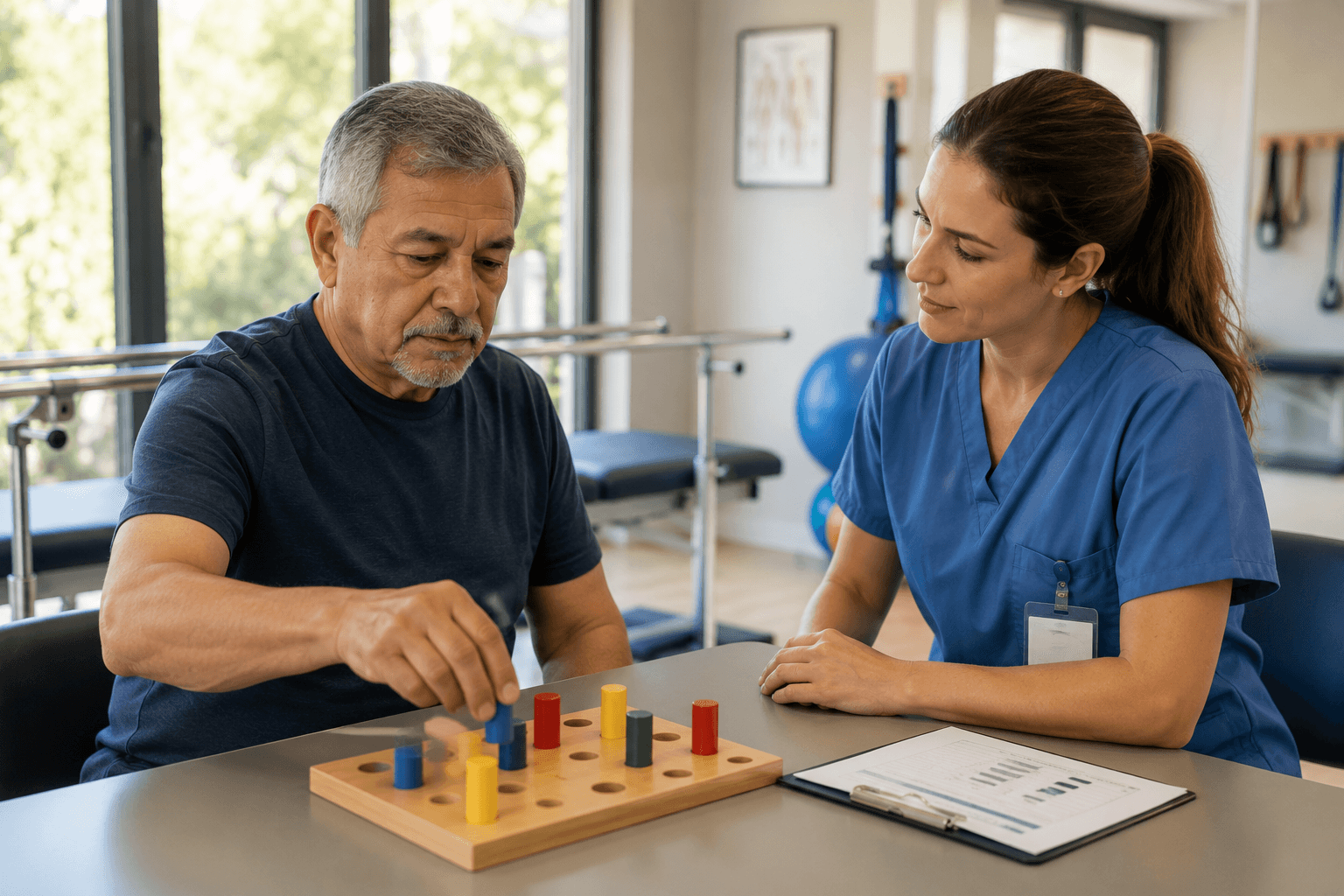
Stroke recovery does not end when a person leaves the hospital. After a stroke, many people need follow-up care, rehabilitation, medication management, home safety planning, and regular tracking of health numbers that may affect the risk of another stroke.
A stroke happens when blood flow to part of the brain is blocked or when a blood vessel in the brain bursts. The effects depend on which part of the brain was affected, how severe the stroke was, how quickly treatment started, and what health conditions were present before the stroke.
Recovery can include physical, cognitive, emotional, speech, vision, swallowing, and daily-living changes. Some symptoms improve quickly. Others take months or longer. A clear post-stroke care plan can help survivors and caregivers know what to monitor, when to ask for help, and which numbers matter most.
What Happens After a Stroke?
After the emergency phase, the focus usually shifts to recovery and prevention. Recovery means rebuilding as much function as possible. Prevention means reducing the chance of another stroke or related heart and blood vessel problem.
Stroke recovery often involves a team. This may include a primary care provider, neurologist, rehabilitation doctor, physical therapist, occupational therapist, speech-language pathologist, dietitian, pharmacist, mental health professional, and caregiver support team.
Rehabilitation can help rebuild strength, balance, coordination, speech, swallowing, thinking skills, and confidence with daily activities. The American Stroke Association notes that rehabilitation can build strength, capability, and confidence and help stroke survivors continue daily activities despite the effects of stroke.
Common Post-Stroke Symptoms
Post-stroke symptoms vary widely. Some people have mild symptoms and return to many usual activities quickly. Others need long-term support for movement, communication, memory, mood, or self-care.
Common symptoms may include weakness on one side of the body, numbness, poor balance, trouble walking, stiffness, pain, fatigue, vision changes, speech problems, trouble understanding language, memory problems, attention difficulties, swallowing problems, bladder or bowel changes, sleep problems, depression, anxiety, irritability, and personality changes.
Symptoms may also change during recovery. Fatigue can make weakness, speech, mood, or thinking problems more noticeable. Illness, poor sleep, dehydration, pain, medication changes, or stress may also make recovery symptoms feel worse temporarily.
Stroke Warning Signs: When It Could Be Another Stroke
Any new stroke-like symptom should be treated as an emergency. During a stroke, every minute counts, and fast treatment can reduce brain damage. The CDC lists warning signs such as sudden trouble walking, dizziness, loss of balance or coordination, sudden trouble seeing, sudden numbness or weakness in the face, arm, or leg, sudden confusion or trouble speaking, and sudden severe headache with no known cause.
A helpful memory tool is B.E. F.A.S.T.: balance loss, eye or vision changes, face drooping, arm weakness, speech difficulty, and time to call emergency services. Do not wait to see if symptoms go away.
Call emergency services right away for new facial drooping, arm weakness, speech trouble, sudden confusion, sudden vision loss, severe dizziness, sudden loss of balance, sudden numbness on one side, or a sudden severe headache. This is especially important for someone who has already had a stroke or transient ischemic attack, often called a TIA.
Why Post-Stroke Follow-Up Matters
After a stroke, the risk of another stroke can be higher, especially in the first days, weeks, and months. Follow-up care helps identify the likely cause of the stroke and reduce modifiable risk factors.
The American Stroke Association’s secondary prevention checklist notes that about 23% of strokes each year are recurrent and that the risk of recurrent stroke or TIA can be reduced with appropriate prevention strategies. It also emphasizes diagnostic evaluation to understand the cause of the stroke and guide prevention.
Post-stroke care may include medications, blood pressure management, cholesterol treatment, diabetes screening or management, heart rhythm monitoring, smoking cessation, nutrition changes, physical activity, sleep apnea evaluation, and rehabilitation.
Key Number: Blood Pressure
Blood pressure is one of the most important numbers to track after a stroke. High blood pressure can damage blood vessels and is a major risk factor for both first and recurrent stroke.
Many stroke survivors are asked to monitor blood pressure at home. Home readings can help identify patterns that may not show up during office visits. They can also help the care team adjust medications safely.
The American Stroke Association checklist states that treatment of hypertension is possibly the most important intervention for secondary prevention of ischemic stroke and that an office blood pressure goal below 130/80 mmHg is recommended for most patients.
Key Number: Cholesterol
Cholesterol levels can affect the risk of plaque buildup in arteries, which can contribute to stroke and heart disease. After an ischemic stroke or TIA, many people need cholesterol-lowering treatment even if they did not think of themselves as having a cholesterol problem before.
A lipid panel usually includes LDL cholesterol, HDL cholesterol, triglycerides, and total cholesterol. LDL cholesterol is often a major treatment target because it is linked with artery plaque.
The American Stroke Association checklist notes that some patients with ischemic stroke or TIA and atherosclerotic disease should be treated to an LDL cholesterol goal below 70 mg/dL, depending on stroke type and clinical context.
Key Number: Blood Sugar and A1C
Diabetes and prediabetes can increase the risk of stroke and may affect recovery. High blood sugar can damage blood vessels over time and often appears alongside high blood pressure, abnormal cholesterol, and excess abdominal weight.
Post-stroke follow-up may include screening for diabetes with fasting glucose, A1C, or other tests. A1C estimates average blood sugar over the past two to three months.
The American Stroke Association checklist notes that diabetes is an independent risk factor for stroke recurrence and recommends screening for diabetes after a TIA or ischemic stroke as part of the basic laboratory evaluation. It also states that for most patients, a goal A1C of 7% or less is recommended.
Other Numbers and Checks That May Matter
Blood pressure, cholesterol, and blood sugar are central, but they are not the only numbers that may matter after a stroke. Depending on the stroke type and health history, a provider may also monitor weight, waist circumference, kidney function, liver function, medication levels, heart rhythm, oxygen levels, sleep apnea symptoms, and blood thinner safety labs.
Some stroke survivors may need monitoring for atrial fibrillation, a heart rhythm problem that can increase stroke risk. Others may need follow-up imaging, vascular testing, or medication review to understand why the stroke happened and how to lower risk going forward.
Ask the care team which numbers should be checked at home, which should be checked in the clinic, and how often each one matters.
Home Monitoring Tools That May Help
Home monitoring can support post-stroke care when used as part of a medical plan. A home blood pressure monitor is often one of the most useful tools. Some people may also use a scale, medication organizer, pulse oximeter, glucose monitor, mobility aid, fall alert device, or wearable activity tracker.
The goal is not to collect perfect data. The goal is to notice patterns that can help the care team make safer decisions. Bring home blood pressure logs, glucose readings, medication lists, symptoms, falls, and therapy progress notes to follow-up visits.
Caregivers can help by checking that devices are used correctly, medications are taken as prescribed, and warning signs are not ignored.
Common Risk Factors for Another Stroke
Some risk factors cannot be changed, such as age, prior stroke, family history, and some genetic or structural conditions. But many stroke risks can be managed.
Common modifiable risk factors include high blood pressure, high cholesterol, diabetes, smoking, physical inactivity, unhealthy eating patterns, obesity, atrial fibrillation, sleep apnea, heavy alcohol use, and not taking prescribed medications.
The American Stroke Association advises stroke survivors to work with their doctor on a secondary prevention plan that may include knowing the cause of the stroke, managing blood pressure, controlling cholesterol, reducing blood sugar, being active, eating better, losing weight when appropriate, stopping smoking, taking medications as prescribed, and joining programs that include exercise, education, and counseling.
Common Mistake: Assuming Recovery Is Only Physical
Many people focus on walking, arm strength, or balance after a stroke. These are important, but recovery can also involve speech, swallowing, thinking, memory, attention, vision, mood, fatigue, and relationships.
Depression, anxiety, emotional changes, and frustration are common after stroke and should not be ignored. Cognitive changes may also affect medication use, driving, finances, work, and safety at home.
If mood, thinking, speech, swallowing, or daily function changes are affecting recovery, ask for a referral to the appropriate rehabilitation or mental health professional.
Common Mistake: Stopping Medications When You Feel Better
Stroke prevention medications are often used to reduce future risk, not just to treat symptoms. This may include blood pressure medications, cholesterol medications, antiplatelet medications, anticoagulants, diabetes medications, or other prescriptions depending on the cause of the stroke.
Stopping medications without medical guidance can increase risk. If side effects, cost, confusion, swallowing problems, or schedule issues make it hard to take medications, tell the care team. There may be safer alternatives or support tools.
A medication list should be reviewed at follow-up visits and after hospital discharge, especially if prescriptions changed during the stroke admission.
Common Mistake: Ignoring Falls and Home Safety
Falls are a major concern after stroke, especially when weakness, numbness, vision changes, dizziness, poor balance, or medications affect stability.
Home safety changes may include removing loose rugs, improving lighting, adding grab bars, using non-slip mats, arranging furniture for clear walking paths, using recommended mobility aids, and reviewing medications that may cause dizziness or sleepiness.
A physical or occupational therapist can help identify risks and recommend practical changes for the home, bathroom, stairs, kitchen, and bedroom.
Common Mistake: Waiting Too Long to Report New Symptoms
Stroke survivors and caregivers may hesitate to call for help because they are unsure whether a symptom is serious. But new neurological symptoms should be treated urgently.
Do not wait for a scheduled appointment if there is new weakness, numbness, speech trouble, confusion, vision loss, severe dizziness, severe headache, chest pain, fainting, or trouble breathing.
It is better to be checked and told it is not a stroke than to miss the treatment window for a serious event.
When to Check Your Numbers
Follow the schedule given by the stroke care team. In general, blood pressure may need to be checked regularly at home, especially after medication changes or if readings have been high. Cholesterol and A1C are usually checked through periodic lab testing.
Check blood pressure if symptoms such as headache, dizziness, chest discomfort, shortness of breath, or unusual weakness occur, but do not rely on numbers alone to decide whether stroke symptoms are serious. Stroke symptoms require emergency care even if blood pressure is not extremely high.
If you have diabetes, follow your glucose monitoring plan and ask when high or low readings should prompt a call. If you take blood thinners, ask whether you need routine lab checks, what bleeding symptoms to watch for, and what to do after a fall.
When to Talk to a Healthcare Provider
Talk to a healthcare provider if blood pressure readings are often above the target range, cholesterol or blood sugar numbers are not at goal, medications are causing side effects, therapy progress has stalled, or symptoms are interfering with sleep, mood, eating, walking, speech, or daily life.
You should also ask for help if there are falls, near-falls, swallowing problems, choking, weight loss, depression, anxiety, caregiver burnout, medication confusion, or difficulty getting to follow-up appointments.
Post-stroke care works best when problems are reported early, before they lead to injury, missed medications, poor nutrition, or another emergency.
When to Seek Emergency Care
Call emergency services immediately for any new stroke warning sign: face drooping, arm weakness, speech difficulty, sudden confusion, sudden vision trouble, sudden dizziness or loss of balance, sudden numbness on one side, or sudden severe headache.
Also seek urgent care for chest pain, severe shortness of breath, fainting, seizure, serious fall or head injury, uncontrolled bleeding, signs of severe dehydration, or symptoms of very high or very low blood sugar.
Do not drive yourself or the person having symptoms. Emergency services can begin assessment and route the person to the appropriate hospital quickly.
The Bottom Line
Stroke recovery includes more than rehabilitation. It also includes preventing another stroke, managing risk factors, checking key numbers, taking medications as prescribed, and knowing when symptoms are urgent.
The most important numbers often include blood pressure, cholesterol, and blood sugar. Depending on the stroke cause, heart rhythm, weight, kidney function, medication safety, and sleep apnea risk may also matter.
Post-stroke symptoms can affect movement, speech, swallowing, vision, memory, mood, fatigue, and daily function. Report new, worsening, or disruptive symptoms to the care team.
If stroke warning signs return, call emergency services immediately. Time matters, and fast treatment can reduce the chance of lasting damage.