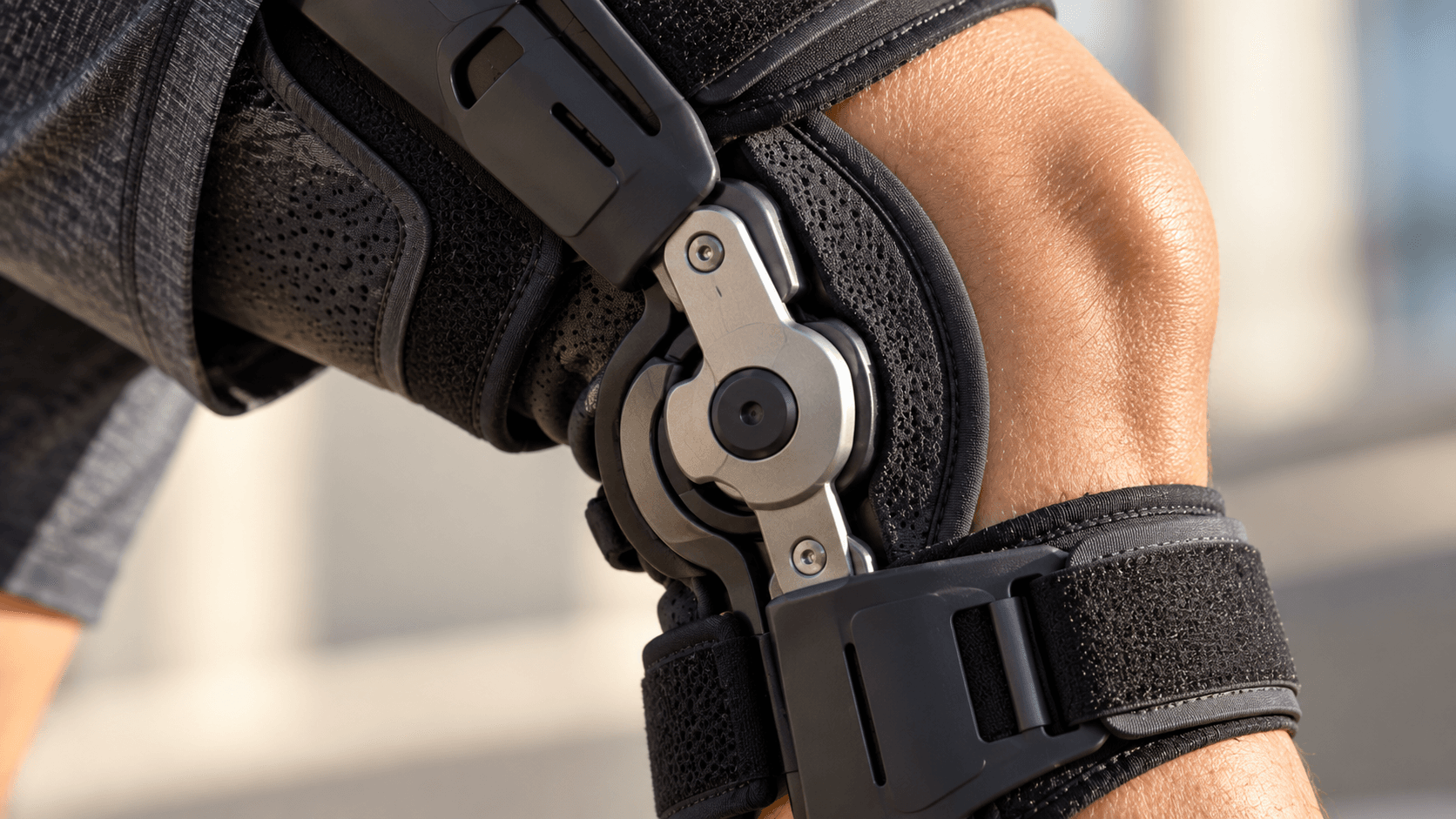
Supportive devices can make recovery after surgery safer and more manageable. A walker, cane, crutches, brace, shower chair, raised toilet seat, reacher, compression garment, or home monitoring tool may help reduce fall risk, protect the surgical area, support movement, and make daily tasks easier.
But supportive devices only help when they match the surgery, the recovery stage, the person’s strength and balance, and the surgeon’s instructions. The wrong device, poor fit, unsafe home setup, or overconfidence can increase risk.
This guide explains how supportive devices fit into recovery after surgery, what to ask before buying, how to use them safely, and when symptoms should prompt medical attention.
Start With the Discharge Plan
The best device is the one your surgical team, physical therapist, or occupational therapist recommends for your specific procedure. Recovery after joint replacement, spine surgery, abdominal surgery, foot surgery, shoulder surgery, or hand surgery can require very different supports.
AAOS advises people preparing for joint replacement to plan ahead for home safety and, when possible, practice using a walker, cane, or crutches before surgery. It also recommends considering bathroom modifications such as a shower chair, grab bar, or raised toilet seat when appropriate.
Before leaving the hospital or surgery center, ask which devices you need, how long to use them, what movements to avoid, how much weight you can put on the operated area, and who to call if the device does not feel safe.
Device 1: Walkers
A walker provides more support than a cane and may be used after hip, knee, foot, ankle, spine, or other surgeries when balance, pain, weakness, or weight-bearing limits make walking unsafe without assistance.
- May improve stability during early walking
- Can help reduce load on the surgical area
- Requires correct height and safe technique
- May be difficult in narrow rooms, cluttered hallways, or stairs
MedlinePlus notes that it is important to start walking soon after a leg injury or surgery, and advises asking a provider or therapist for help if you are having problems using a walker.
Walker Buying Checklist
Choose a walker based on safety, fit, and the environment where it will be used.
- Correct height for your arm position
- Stable frame that does not wobble
- Rubber tips or wheels appropriate for your surface
- Easy folding if it must be transported
- Comfortable hand grips
- Enough width for your body, but not so wide that it cannot fit through doorways
- Therapist approval if weight-bearing restrictions apply
Do not add baskets, bags, or accessories that make the walker unstable unless your therapist confirms they are safe.
Device 2: Canes
A cane may be useful later in recovery when less support is needed. It can help with balance and mild unloading, but it is not enough for everyone.
- Best for mild support when balance is mostly stable
- Often used when transitioning away from a walker or crutches
- Requires correct hand placement and height
- May be unsafe if pain, weakness, or balance problems are significant
MedlinePlus explains that the type of cane depends on how much support is needed and advises talking with a provider or therapist if there is a lot of pain, weakness, or balance trouble, because crutches or a walker may be better.
Cane Buying Checklist
A cane should feel stable and match the level of support needed.
- Correct height
- Comfortable grip
- Non-slip rubber tip
- Single-point or quad base based on balance needs
- Weight capacity appropriate for the user
- Clear instructions for which side to use it on
If the cane makes you lean heavily, limp more, or feel unsafe, it may be the wrong device for this stage of recovery.
Device 3: Crutches
Crutches may be used after leg, ankle, foot, or knee procedures when weight-bearing is limited. They require more strength, coordination, and balance than a walker.
- May help with partial or non-weight-bearing instructions
- Can be useful on stairs when taught correctly
- Can cause underarm, wrist, or shoulder pain if fitted poorly
- May not be safe for people with balance problems or upper-body weakness
MedlinePlus says crutches may be a good choice after a leg injury or surgery if only a little help with balance and stability is needed, but a walker may be better if there is a lot of pain, weakness, or balance difficulty.
Crutch Safety Checklist
Crutches should be fitted and practiced before relying on them alone.
- Correct height and hand grip position
- No pressure directly into the armpits
- Good rubber tips
- Clear instructions for stairs, chairs, and bathroom transfers
- Enough upper-body strength and balance
- Backup plan if pain, fatigue, or dizziness makes crutches unsafe
Do not improvise stair technique after surgery. Ask a therapist to teach and observe it.
Device 4: Braces, Splints, and Immobilizers
Braces, splints, and immobilizers may protect a surgical repair, limit motion, support alignment, or remind you not to move too far too soon.
- Knee immobilizer after selected knee procedures
- Shoulder sling after shoulder surgery
- Wrist or hand splint after hand surgery
- Boot after foot or ankle surgery
- Back brace after selected spine procedures
Use these exactly as instructed. Too little support can risk the repair; too much unnecessary immobilization can contribute to stiffness, weakness, skin problems, or delayed functional recovery.
Brace and Splint Safety Checklist
A brace should protect without causing new problems.
- Correct size and fit
- No numbness, tingling, or color change below the brace
- No pressure sores, blisters, or skin breakdown
- Clear instructions for sleeping, showering, dressing, and therapy
- Clear instructions for when to remove it, if removal is allowed
Call your surgical team if a brace feels too tight, rubs the incision, causes swelling, or changes circulation or sensation.
Device 5: Shower Chairs and Grab Bars
Bathrooms are high-risk areas after surgery because wet floors, pain medicine, dizziness, weakness, and limited mobility can increase fall risk. A shower chair, grab bar, handheld shower head, and non-slip mat may make hygiene safer.
- Shower chair or tub bench for sitting while washing
- Grab bars installed securely into the wall
- Non-slip bath mat
- Handheld shower head if reaching is limited
- Clear instructions about when showering is allowed
AAOS includes shower chairs, gripping bars, and raised toilet seats among bathroom modifications to consider before joint replacement recovery.
Bathroom Safety Checklist
Bathroom devices must be stable and properly installed.
- Do not rely on towel racks as grab bars.
- Check weight capacity for shower chairs and toilet seats.
- Keep floors dry and clutter-free.
- Use non-slip footwear when allowed.
- Ask when the incision can get wet.
- Have help nearby for the first showers if balance is uncertain.
Do not shower until your surgeon says it is safe for your incision and dressing plan.
Device 6: Raised Toilet Seats and Bedside Commodes
After hip, knee, spine, abdominal, or pelvic surgery, sitting down and standing up can be painful or restricted. Raised toilet seats or bedside commodes may reduce bending and make transfers safer.
- Raised toilet seat for reduced bending
- Toilet safety frame for hand support
- Bedside commode if bathroom access is difficult
- Stable base and correct height
- Easy cleaning
MedlinePlus advises practicing with a cane, walker, crutches, or wheelchair while sitting down to use the toilet and standing up after using it when preparing the home after a hospital stay.
Device 7: Reachers, Sock Aids, and Dressing Tools
Small tools can reduce bending, twisting, and reaching during daily tasks. They are especially useful after hip, spine, knee, shoulder, or abdominal procedures when certain movements are limited.
- Long-handled reacher
- Sock aid
- Long-handled shoehorn
- Elastic shoelaces
- Button hook or dressing stick
AAOS recommends arranging in advance for help with daily activities and obtaining assistive items such as a shower bench, handrails, or a long-handled reacher when appropriate for joint replacement recovery.
Device 8: Compression Garments and Pumps
Some people are prescribed compression stockings, wraps, or pumps after surgery to support swelling control or blood clot prevention. These should be used only as directed.
- Use the exact type and pressure recommended.
- Check skin daily.
- Do not roll stockings into tight bands.
- Report new calf pain, sudden swelling, redness, warmth, or shortness of breath.
- Ask whether compression is safe if you have circulation problems, wounds, neuropathy, or skin disease.
Compression that is too tight or used incorrectly can irritate skin or affect circulation. Follow the surgical team’s instructions.
Device 9: Ice, Heat, and Cold Therapy Units
Cold therapy may be used after some surgeries to reduce pain and swelling. Heat may be useful later for muscle stiffness in some cases, but it is not always safe near fresh incisions or numb skin.
- Use cold therapy only for the time and frequency recommended.
- Keep a protective layer between ice and skin.
- Do not sleep with ice or cold units running unless specifically instructed.
- Avoid heat over fresh incisions, swelling, infection, or numb areas.
- Stop for burning, blistering, severe redness, numbness, or skin color changes.
People with neuropathy, poor circulation, diabetes-related foot problems, fragile skin, or reduced sensation should ask before using heat or cold.
Device 10: Home Monitoring Tools
Some people need home monitoring after surgery, especially if they have heart disease, lung disease, diabetes, sleep apnea, infection risk, or medication changes.
- Thermometer for fever checks if instructed
- Blood pressure monitor if blood pressure or medication changes matter
- Pulse oximeter if oxygen monitoring is recommended
- Glucose monitor if diabetes care requires it
- Medication organizer or reminder system
FDA advises that home medical devices must be used safely in the home environment and notes that hazards such as poor lighting, clutter, slippery floors, and trouble moving with a walker, crutch, or cane can increase fall risk.
Home Setup Matters More Than the Device Alone
A supportive device cannot overcome an unsafe environment. Prepare the home before surgery when possible.
- Remove loose rugs and cords from walking paths.
- Move frequently used items to waist or counter height.
- Create clear paths wide enough for a walker.
- Improve lighting, especially at night.
- Keep a phone, water, medicines, and emergency numbers nearby.
- Set up a sleeping area that avoids unnecessary stairs if needed.
MedlinePlus recommends setting up the home before surgery so recovery is easier when returning home, including practicing with mobility devices and arranging help if needed.
Buying Checklist: Before You Purchase
Before buying or renting supportive devices, ask practical questions.
- Did the surgeon, physical therapist, or occupational therapist recommend this device?
- Does it match my weight-bearing status?
- Is it the correct size and height?
- Does it fit through my doorways and bathroom?
- Can I use it while taking pain medicine?
- Can I clean it safely?
- Can someone help me set it up?
- Is rental, insurance coverage, or hospital discharge equipment available?
Do not wait until after surgery to discover that a walker does not fit through the bathroom door or that a shower chair does not fit the tub.
Buying Checklist: Warning Signs in Product Claims
Be cautious with products that promise more than a supportive device can deliver.
- Claims to “speed healing” without evidence
- Claims to replace physical therapy
- One-size-fits-all braces for complex surgery
- No weight limit or sizing information
- No cleaning instructions
- No return policy for fit problems
- No safety warnings for skin, circulation, or implanted devices when relevant
Supportive devices should protect recovery and make movement safer. They should not encourage you to ignore surgical restrictions.
How to Use Devices Without Becoming Dependent
Some devices are temporary. Others may be needed longer because of the surgery, age, strength, balance, or medical conditions. The goal is safe progress, not rushing.
- Use the device for as long as your care team recommends.
- Do not stop a walker, crutches, brace, or sling early because you feel impatient.
- Do not keep using a device that causes pain, skin damage, or unsafe movement.
- Ask when and how to transition to less support.
MedlinePlus notes that after knee replacement, the surgeon and physical therapist will help decide when crutches, a cane, or a walker are no longer needed.
What to Track During Recovery
A short recovery log can help your care team understand whether a device is helping.
- Device use: walker, cane, crutches, brace, shower chair, compression, or other tool
- Function: walking distance, stairs, transfers, bathroom use, dressing, and sleep
- Pain: pain before and after activity or therapy
- Skin: redness, blisters, pressure marks, wound drainage, or irritation
- Swelling: location, severity, and whether it changes with elevation or activity
- Safety: near-falls, dizziness, confusion, or difficulty using the device
Bring the log to follow-up visits, especially if pain, swelling, or mobility is not improving as expected.
Common Mistake: Buying the Device After Surgery
Waiting until you are home can make recovery harder and less safe.
Ask before surgery what you need.
Practice with the device when possible.
Common Mistake: Using the Wrong Mobility Aid
A cane may not be enough if balance is poor. Crutches may be too difficult if upper-body strength is limited. A walker may be safer early in recovery.
Match the device to your weight-bearing status, pain, strength, and balance.
Ask a therapist before switching devices.
Common Mistake: Ignoring Skin and Circulation
Braces, boots, compression, slings, cold wraps, and splints can cause pressure problems.
Check skin daily.
Call for numbness, tingling, blue or pale skin, worsening swelling, blisters, drainage, or pressure sores.
Common Mistake: Treating the Device as Permission to Overdo It
A brace or walker does not mean the tissue is fully healed. Surgery recovery still requires pacing, restrictions, and follow-up.
Use the device to move safely.
Do not use it to push past pain, fatigue, dizziness, or surgical limits.
Common Mistake: Skipping Physical or Occupational Therapy Guidance
Physical therapists and occupational therapists help match devices to real daily tasks: walking, stairs, bathing, dressing, cooking, and getting in and out of bed or chairs.
A device that looks simple can still be used incorrectly.
Ask for instruction before relying on it.
When to Call the Surgical Team
Call your surgical team if a device does not fit, you feel unsafe using it, pain suddenly worsens, swelling increases, the incision opens or drains more, fever develops, a brace rubs the incision, or you have new numbness, tingling, weakness, color change, or skin breakdown.
You should also call if you cannot follow weight-bearing restrictions, cannot safely get to the bathroom, have repeated near-falls, cannot manage stairs, cannot obtain needed equipment, or are unsure when to transition away from a device.
The care team may adjust the device, change therapy instructions, check the wound, order imaging, review medications, arrange home health, or recommend urgent evaluation depending on symptoms.
When to Seek Urgent or Emergency Care
Seek urgent or emergency care for chest pain, severe shortness of breath, fainting, confusion, stroke symptoms, severe allergic reaction, uncontrolled bleeding, sudden severe pain, new inability to move or feel a limb, or symptoms that feel life-threatening.
Seek urgent care for signs of possible blood clot or infection, such as new one-sided calf pain, sudden leg swelling, redness, warmth, fever, shaking chills, pus-like wound drainage, rapidly worsening wound redness, or shortness of breath with chest pain.
Do not wait for a supportive device, brace adjustment, or routine follow-up if symptoms could signal infection, blood clot, surgical complication, heart problem, stroke, or another emergency.
The Bottom Line
Supportive devices can play an important role in recovery after surgery. Walkers, canes, crutches, braces, shower chairs, raised toilet seats, reachers, compression, cold therapy tools, and home monitors may help protect the surgical area, reduce fall risk, support daily tasks, and improve communication with the care team.
The safest device is the one matched to your surgery, restrictions, balance, strength, home setup, and recovery stage. Fit, technique, skin checks, cleaning, weight limits, and therapist instruction matter.
The most common mistakes are buying devices too late, using the wrong mobility aid, ignoring skin and circulation, treating the device as permission to overdo it, and skipping physical or occupational therapy guidance.
Use supportive devices as part of a recovery plan, not as a replacement for follow-up. If a device causes new symptoms, feels unsafe, or does not help you function more safely, call your surgical team.
Medical disclaimer: This content is for informational purposes only and is not a substitute for professional medical advice, surgical instructions, physical therapy, occupational therapy, wound care, medication management, device fitting, rehabilitation, or emergency care. Always consult your surgeon, physician, physical therapist, occupational therapist, nurse, pharmacist, or qualified health provider before using or changing supportive devices after surgery. If you have chest pain, severe shortness of breath, fainting, confusion, stroke symptoms, uncontrolled bleeding, sudden severe pain, new inability to move or feel a limb, signs of blood clot, signs of infection, or another emergency, seek urgent medical care right away.