Urinary tract infections are among the most common bacterial infections in the United States, affecting people of all ages and backgrounds, though they occur more often in women. Most UTIs are uncomfortable but straightforward to treat. The harder part is knowing when to get tested, which test makes sense for your situation, and how to read what comes back from the lab. This guide walks you through all three.
What Is a UTI, and Why Does Testing Matter?
A UTI happens when bacteria, most often Escherichia coli from the digestive tract, enter the urinary tract and multiply. The infection can involve the urethra (urethritis), the bladder (cystitis), or, in more serious cases, the kidneys (pyelonephritis). Symptoms commonly include a burning sensation when urinating, a frequent or urgent need to go, cloudy or strong-smelling urine, and pelvic discomfort.
Testing matters for two reasons. First, several other conditions can produce very similar symptoms, including sexually transmitted infections, overactive bladder, and interstitial cystitis, so confirming that bacteria are actually present helps make sure you get the right treatment. Second, not all bacteria respond to the same antibiotics. A proper test can identify which bacteria is causing the infection and which medications are most likely to clear it, which reduces the risk of treatment failure or antibiotic resistance.
When Should You Get Tested?
Timing your test correctly can make a real difference in the accuracy of your results.
- Test when symptoms appear. If you notice the classic signs of a UTI, such as burning urination, urgency, frequency, or pelvic pressure, that is generally the right moment to seek testing. Waiting several days can let the infection worsen and spread upward to the kidneys.
- Don't test too early after a recent infection. If you recently completed a course of antibiotics for a UTI, your urine may still contain traces of the antibiotic, which can suppress bacteria and produce a false-negative result. Most clinicians recommend waiting at least a few days after finishing treatment before a test-of-cure sample is collected, if one is ordered at all.
- Consider testing even without classic symptoms if you are pregnant. Pregnant people are routinely screened for asymptomatic bacteriuria, meaning bacteria in the urine with no obvious symptoms, because it carries a higher risk of progressing to a kidney infection during pregnancy. This is one situation where testing is recommended even when you feel fine.
- Recurrent infections warrant earlier and more thorough testing. If you get frequent UTIs, your clinician may recommend a culture each time rather than relying on a quick dipstick result, so any pattern of antibiotic resistance can be detected.
Types of UTI Tests Explained
There is no single "UTI test." Several different methods are used, each with its own strengths and limitations.
Dipstick Urinalysis
This is typically the first test used in a clinic or urgent care setting. A chemically treated strip is dipped into a urine sample and changes color to indicate the presence of certain substances.
- Nitrites are a byproduct produced when certain bacteria (primarily gram-negative bacteria like E. coli) break down compounds in urine. A positive nitrite result is a fairly strong signal of bacterial infection.
- Leukocyte esterase is an enzyme released by white blood cells. Its presence suggests inflammation, which may indicate infection.
Dipstick tests are fast, with results in minutes, and widely available. But their accuracy is imperfect. They can miss infections caused by bacteria that do not produce nitrites, and inflammatory conditions unrelated to bacteria can trigger a positive leukocyte esterase result. Many clinicians use the dipstick as a starting point rather than a definitive answer.
Urine Culture
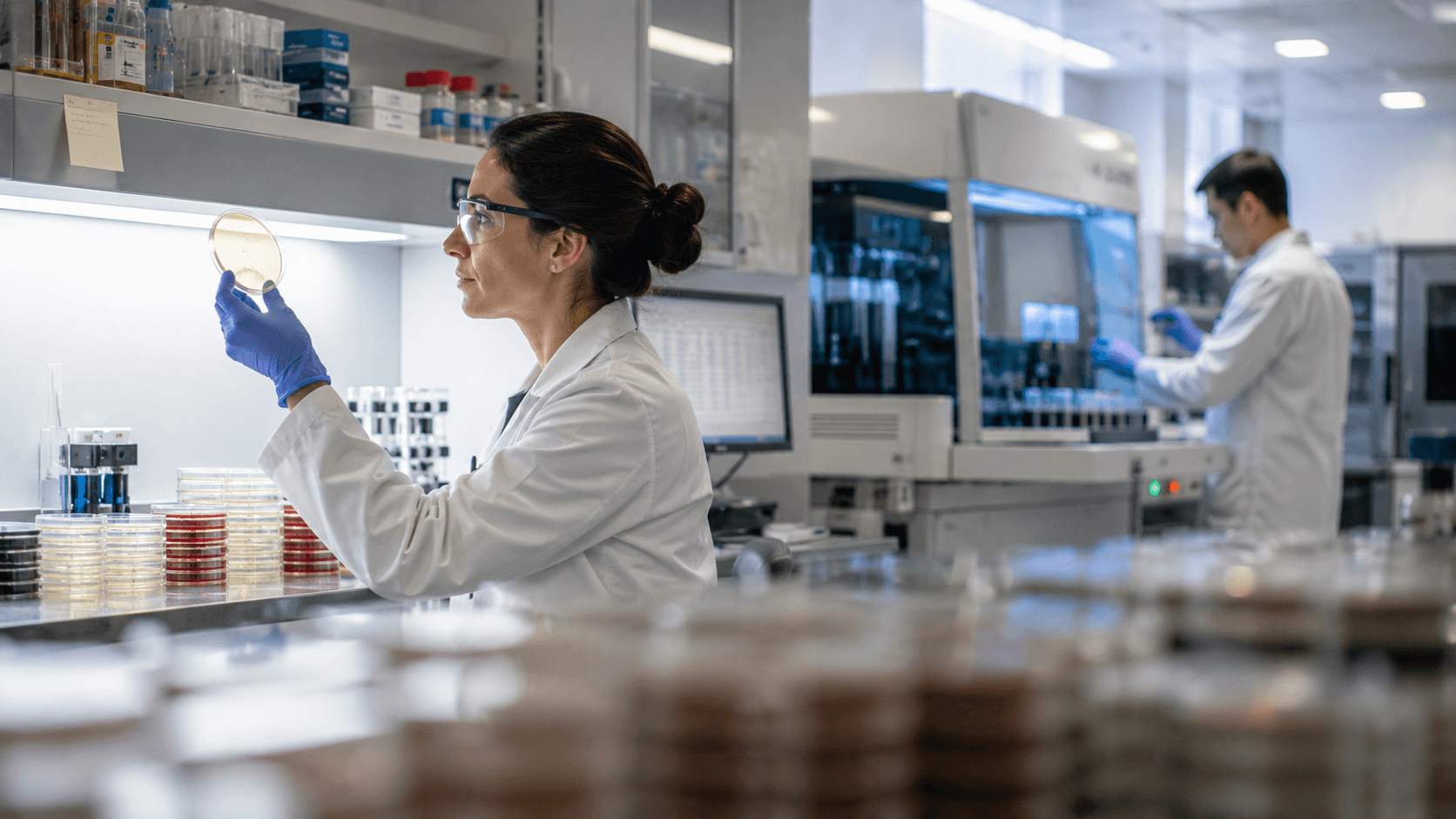
A urine culture is the gold standard for diagnosing a UTI. The collected sample is placed in a laboratory environment that encourages bacterial growth. After incubation, typically 24 to 48 hours, lab technicians can identify the specific organism present and test it against various antibiotics to determine which treatment is most likely to work. This process is called sensitivity testing or an antibiogram.
The main advantage of a culture is precision. The main drawback is time, since you usually will not have results for one to two days. In uncomplicated cases, many clinicians will begin treatment based on dipstick findings or clinical judgment while awaiting culture results, and then adjust the antibiotic if the culture reveals something unexpected.
Microscopic Urinalysis
In this test, a technician examines urine under a microscope, looking for white blood cells, red blood cells, bacteria, and other elements. It provides more detail than a dipstick but is still not as definitive as a full culture. It is often performed alongside the dipstick as part of a routine urinalysis panel.
At-Home UTI Test Strips
Over-the-counter dipstick strips are sold at pharmacies and let you check for nitrites and leukocyte esterase at home. They work on the same chemical principles as the strips used in clinics. They can be a convenient first check when symptoms strike at an inconvenient time, but they share the same limitations as clinical dipsticks, and a positive home test should still prompt a call or visit to a clinician, not self-treatment. A negative result does not rule out infection if your symptoms are significant.
How to Collect a Clean-Catch Urine Sample
The accuracy of any urine test depends heavily on the quality of the sample. Contamination from skin bacteria is one of the most common reasons for misleading results. The clean-catch midstream method is designed to minimize that risk:
- Wash your hands thoroughly before you begin.
- Clean the genital area with the provided wipe, wiping front to back.
- Begin urinating into the toilet, then move the collection cup into the stream to capture the middle portion of urine. Finish urinating into the toilet.
- Seal the cup and deliver it to the lab promptly, or refrigerate it briefly if there will be a short delay.
If a sample is contaminated, meaning it contains skin cells or non-urinary bacteria, the lab may flag it and ask for a repeat collection. This is not unusual and is not a cause for concern.
Understanding Your Results
Results from UTI testing fall into a few broad categories, each with a different implication.
- Positive dipstick / pending culture: Your clinician may begin antibiotic treatment now and adjust based on culture results. This is a common and reasonable approach for uncomplicated cases.
- Positive culture with sensitivity results: The lab has identified the bacteria and determined which antibiotics should work. If you are already on an antibiotic, your clinician will confirm it matches the sensitivity profile or switch you to a more effective option.
- Negative test with ongoing symptoms: A negative result does not always mean no infection. Some bacteria produce negative dipstick results, and sample contamination can obscure culture results. Your clinician may repeat the test, consider other diagnoses, or order additional workup depending on your history.
- Bacteria found without symptoms (asymptomatic bacteriuria): In most healthy, non-pregnant adults, bacteria detected incidentally in the urine without symptoms does not require antibiotic treatment. Treating it unnecessarily can contribute to antibiotic resistance. Exceptions include pregnancy and certain pre-surgical situations, and your clinician will guide you.
Follow-Up: What Happens After a UTI Diagnosis
For most uncomplicated bladder infections, treatment is a short course of antibiotics, and symptoms typically begin to improve within a day or two. Here is what good follow-up looks like:
- Complete your full antibiotic course even if you feel better early. Stopping treatment prematurely can allow surviving bacteria to rebound, sometimes with greater resistance.
- Stay well hydrated. Drinking plenty of fluids helps flush bacteria from the urinary tract and may ease discomfort.
- Return if symptoms do not improve or worsen. Fever, chills, back or flank pain, nausea, or vomiting after a UTI diagnosis can be signs that the infection has spread to the kidneys and requires more intensive care.
- Discuss recurrence with your clinician. If you experience three or more UTIs in a year, or two or more in six months, there are evidence-based strategies that can reduce how often infections occur, including low-dose preventive antibiotics, vaginal estrogen for postmenopausal individuals, and behavioral changes.
- A test-of-cure is not always needed. Routine follow-up cultures after an uncomplicated UTI are generally not recommended for otherwise healthy people whose symptoms have resolved. However, a follow-up culture is typically recommended during pregnancy, after a kidney infection, or when the initial infection involved a resistant organism.
When to Seek Care Right Away
Most UTIs are manageable in an outpatient setting, but some situations call for prompt medical attention:
- High fever or shaking chills alongside urinary symptoms
- Pain in your lower back or sides (flank pain), which can signal a kidney infection
- Symptoms in a young child, an older adult, or someone who is pregnant
- No improvement after two to three days of antibiotic treatment
- A UTI in someone with a catheter, a structural urinary tract abnormality, or a weakened immune system
These situations are considered complicated UTIs and may require different antibiotics, intravenous treatment, or further imaging.
The Bottom Line
Getting tested for a UTI at the right time, with the right method, and following up appropriately can mean the difference between a quick recovery and a drawn-out or recurring problem. If you suspect a UTI, reach out to a clinician rather than waiting it out or self-treating, and if your symptoms keep coming back, have that conversation about why and what can be done to prevent the next one.
This article is for general informational purposes only and is not a substitute for professional medical advice, diagnosis, or treatment. Always talk to a qualified health care provider about your specific situation.