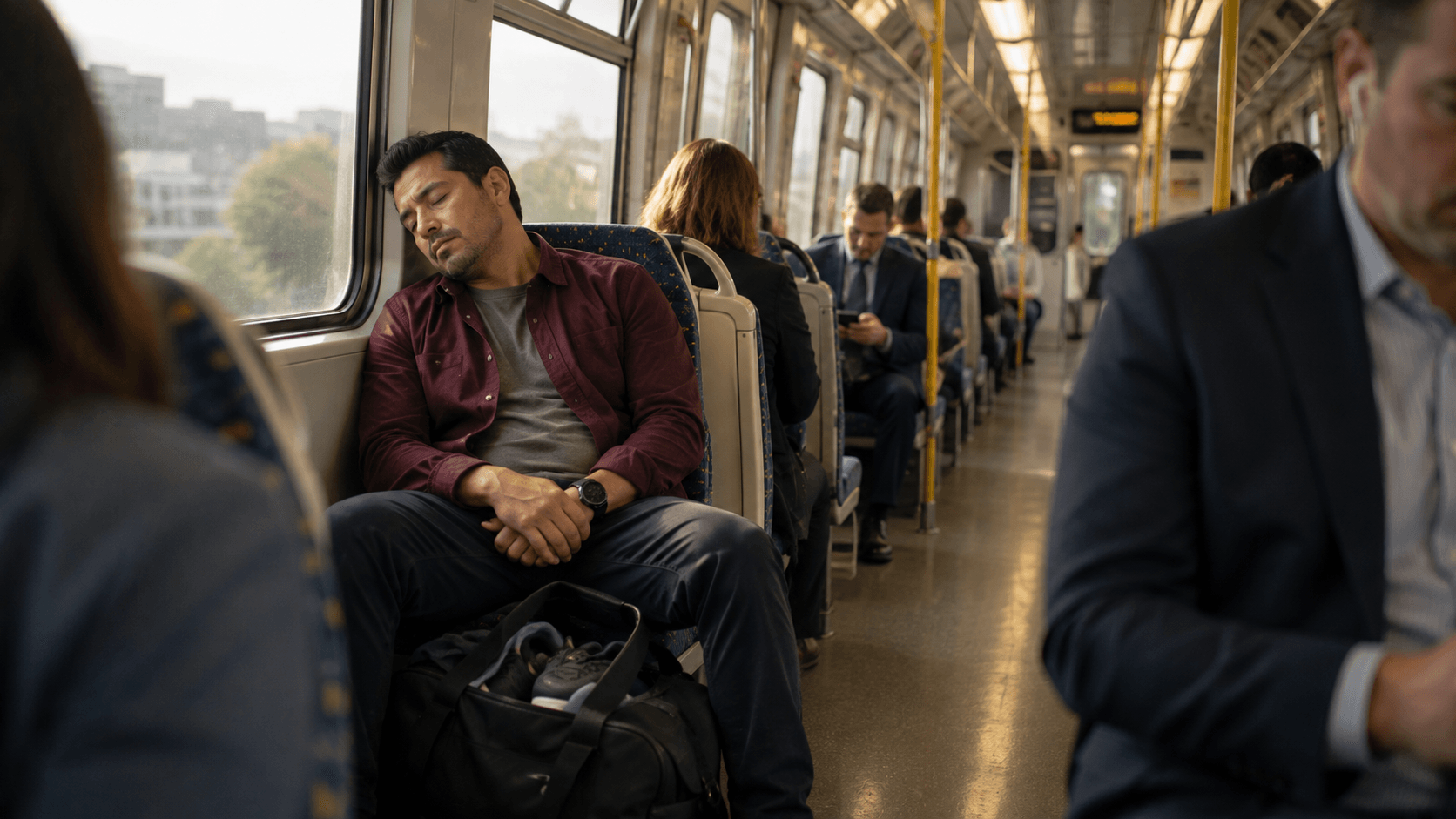
Exercise is one of the most well-supported tools we have for improving physical and mental health. But there's a point, one that's easier to cross than most people realize, where doing more starts working against you. If you've been training consistently and notice that you feel worse instead of better, you may be experiencing the effects of too much exercise without enough recovery.
This isn't about being soft or making excuses. It's about understanding a real physiological phenomenon that affects recreational exercisers and elite athletes alike. Knowing the warning signs can help you protect your health, avoid injury, and actually get more out of your workouts in the long run.
Why More Exercise Isn't Always More Benefit
Every workout creates a small amount of stress on your muscles, cardiovascular system, and nervous system. That's not a bad thing. It's literally how fitness improves. Your body adapts to that stress during recovery, coming back a little stronger or more efficient than before.
The problem arises when the stress consistently outpaces the recovery. When your body doesn't have enough time to repair and adapt between sessions, the accumulated load starts to degrade performance and health rather than improve it. Researchers sometimes describe a spectrum here: overreaching is a short-term state that resolves with a few days of rest, while overtraining syndrome is a more serious, longer-lasting condition that can take weeks or months to recover from fully.
You don't have to be training for a marathon to end up on the wrong side of this equation. Busy life stress, poor sleep, and inadequate nutrition can all lower the threshold at which normal exercise becomes too much for your body to handle.
Physical Warning Signs to Watch For
Your body sends signals well before things get serious. The challenge is learning to distinguish normal post-workout soreness from something worth paying attention to.
- Persistent fatigue that rest doesn't fix. Feeling tired after a hard week of training is expected. Feeling chronically exhausted even after rest days, the kind of tiredness that lingers in your bones, is a red flag. This kind of fatigue often reflects strain on the autonomic nervous system, which regulates your body's stress and recovery responses.
- Declining performance despite continued effort. If your pace is slowing, your weights feel heavier than they used to, or workouts that once felt manageable now feel grueling, your body may be signaling that it needs a break rather than more training load.
- Increased susceptibility to illness. Intense or prolonged exercise can temporarily suppress certain aspects of immune function. If you find yourself catching colds more often or taking longer to recover from minor illnesses, it's worth considering whether your training load is a contributing factor.
- Nagging injuries that don't fully heal. Overuse injuries such as stress fractures, tendinitis, and persistent joint pain are a common consequence of training without adequate recovery. If an injury keeps flaring up before it has a chance to heal, continuing to push through may be making it worse.
- Elevated resting heart rate. Many athletes and regular exercisers track their resting heart rate. A notably higher reading than your personal baseline, especially over several consecutive days, can indicate that your body is still in a stressed state and hasn't fully recovered.
- Disrupted sleep. This one can feel counterintuitive. You'd expect heavy exercise to make you sleep better, and moderate exercise generally does. But overtraining can dysregulate the nervous system in ways that interfere with sleep, making it harder to fall asleep, stay asleep, or feel rested in the morning.
Mental and Emotional Warning Signs
Overtraining doesn't only show up in the body. It has a well-documented psychological dimension that is sometimes the first or most prominent sign that something is off.
- Mood changes, irritability, or anxiety. A shift in hormones, including stress hormones like cortisol, that comes with chronic overtraining can affect your mood significantly. People often describe feeling unusually irritable, anxious, or emotionally flat during periods of excessive training.
- Loss of motivation or enjoyment. If an activity you used to love starts feeling like a chore, or you dread workouts rather than looking forward to them, that psychological resistance may be your nervous system waving a flag. This is different from normal motivational ebbs. It tends to feel deeper and more persistent.
- Difficulty concentrating. Brain fog, trouble focusing at work, or a general feeling of mental sluggishness can accompany physical overtraining. The same systems that regulate physical recovery are intertwined with cognitive function.
- Increased perception of effort. Research in this area suggests that how hard exercise feels, what scientists call rating of perceived exertion, often rises during overtraining even when the actual workload hasn't changed. If everything feels harder than it should, that perception is data worth taking seriously.
Who Is Most at Risk?
Overtraining can affect anyone who exercises regularly, but certain situations raise the risk:
- Rapidly increasing training volume or intensity, such as doubling your weekly mileage in a short period
- Training through illness or injury instead of resting
- Under-fueling: not eating enough overall, or not getting adequate protein and carbohydrates to support the training you're doing
- Chronic life stress from work, relationships, or major life events, which competes with the same recovery resources your body uses after exercise
- Prioritizing training over sleep on a regular basis
People who tie their self-worth tightly to athletic performance or physical appearance may also find it harder to recognize or act on these signals, because rest can feel like failure. If that resonates, it's worth reflecting on, and possibly worth discussing with a mental health professional.
What You Can Do
If several of the warning signs above sound familiar, the most important first step is honest self-assessment. Consider keeping a simple training log that tracks not just what you did, but how you felt during and after: energy levels, mood, sleep quality, and soreness. Patterns often become visible over time that are easy to miss day to day.
Some practical steps that exercise scientists and clinicians commonly recommend:
- Build in planned recovery. Rest days and easier weeks aren't signs of weakness. They're part of training. Many structured programs intentionally include a lower-volume week every few weeks for exactly this reason.
- Prioritize sleep. Sleep is arguably the most powerful recovery tool available. During sleep, the body repairs muscle tissue, regulates hormones, and consolidates the neurological adaptations that make you fitter.
- Fuel your training. Exercising in a significant calorie deficit, or consistently under-eating carbohydrates and protein, impairs recovery in well-documented ways. If you're training hard and also restricting food intake heavily, talk to a registered dietitian familiar with sports nutrition.
- Vary the intensity. Not every workout should be a maximum effort. Lower-intensity sessions allow your body to stay active while still recovering from harder efforts.
- Listen to the signals earlier rather than later. Overreaching is much easier to recover from than full overtraining syndrome. Acting on early warning signs, by pulling back for a few days, can prevent a much longer setback.
When to Talk to a Doctor
Most mild cases of overdoing it resolve with a week or two of reduced training and better sleep. But certain situations warrant a conversation with a clinician:
- Symptoms that persist for several weeks despite rest
- Significant unexplained weight changes
- Heart palpitations or chest discomfort during exercise
- Signs of an eating disorder or compulsive relationship with exercise
- Injuries that are not improving
A physician can rule out other causes (thyroid issues, anemia, and other conditions can mimic overtraining symptoms) and help you build a recovery plan. A sports medicine physician or physical therapist may be particularly well-suited to help if your symptoms are performance- or injury-related.
The Bottom Line
Exercise is genuinely good for you, and the goal here isn't to make you afraid of working hard. It's to help you recognize that recovery is not the opposite of training. It's part of it. The adaptation that makes you fitter, stronger, and healthier happens during rest, not during the workout itself.
If your body is sending you consistent signals that something is off, those signals deserve your attention. Resting when you need to isn't giving up. It's training smarter, and it's the approach most likely to keep you healthy and active for the long haul.
If you're concerned about your training load, persistent fatigue, or any of the symptoms described here, talk to your primary care physician or a sports medicine professional. They can help you find a sustainable path forward.