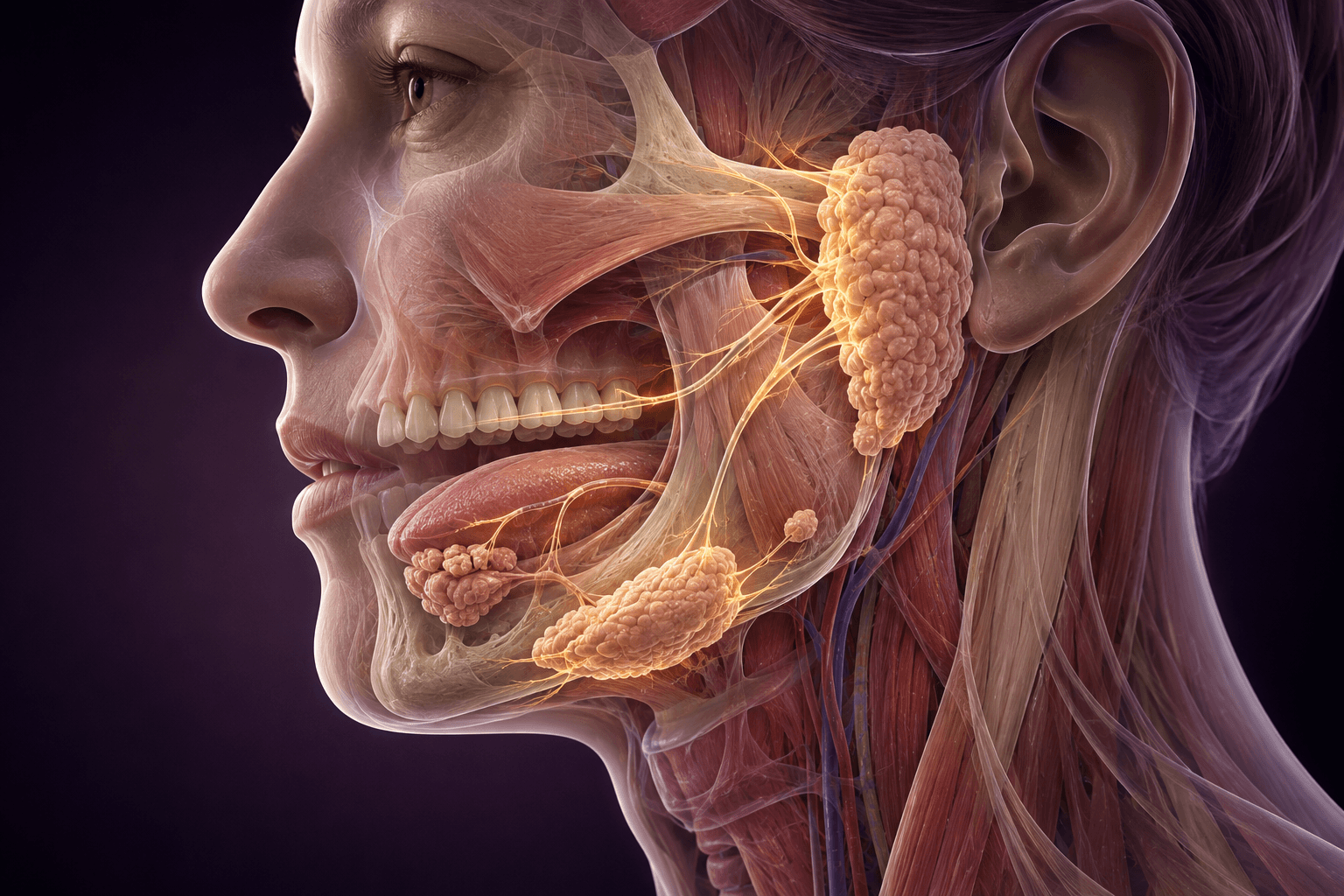
Dry mouth, the persistent feeling that your mouth just doesn't have enough moisture, is more than an inconvenience. Saliva plays a surprisingly important role in protecting your teeth, helping you chew and swallow, and even supporting your sense of taste. When saliva production drops or changes in quality, the consequences can ripple through your oral and overall health in ways many people don't expect.
Your dentist is one of your best allies in managing dry mouth. But like any medical appointment, you'll get more out of the visit if you come prepared. Below is a practical checklist of questions, with some context to help you understand why each one matters.
First, a Quick Word on Why Dry Mouth Happens
Before the checklist, it helps to understand that dry mouth (clinically called xerostomia) is almost always a symptom of something else rather than a standalone condition. The most common culprit is medication. Hundreds of prescription and over-the-counter drugs list reduced saliva flow as a side effect, including many antihistamines, antidepressants, blood pressure medications, and diuretics. Other contributors include autoimmune conditions such as Sjögren's syndrome, cancer treatments like radiation to the head and neck, mouth breathing, dehydration, and tobacco use.
Knowing this background helps frame your conversation with your dentist. The goal is to relieve the dryness and, just as important, to understand what's driving it so the right approach can be taken.
Before Your Appointment: Gather This Information
Your dentist will ask questions, and the more specific your answers, the more useful the visit will be. Try to bring:
- A list of all medications and supplements you take, including doses and how long you've been taking them. Include vitamins and herbal products, since these count too.
- A rough sense of when the dryness started and whether it's gotten worse over time or seems tied to specific circumstances (time of day, after meals, during sleep).
- Notes on other symptoms you've noticed, such as difficulty swallowing, a burning tongue, changes in taste, frequent thirst, or trouble speaking for long periods.
- Any recent changes in your health or care, such as a new diagnosis, a course of chemotherapy or radiation, or a change in your sleep habits.
Your Checklist: Questions to Ask at the Appointment
1. Could my medications be causing this?
This is often the most important question, and it's one your dentist is well-positioned to help with. Bring your medication list and ask whether any of your current drugs are known to reduce saliva flow. Your dentist may be able to flag likely culprits and suggest that you follow up with your prescribing physician about alternatives or dosage timing. For example, taking a drying medication earlier in the day rather than at night may reduce nighttime symptoms for some people. This is a conversation to have with your doctor, not a reason to stop any medication on your own.
2. What signs of dry mouth damage do you see in my mouth?
Dentists look for specific clues during an exam: sticky or frothy saliva, redness along the gum line, a dry or cracked tongue, early-stage cavities appearing in unusual locations (like along the gumline or on smooth tooth surfaces), and signs of oral thrush, a fungal infection that becomes more common when saliva decreases. Asking your dentist to walk you through what they're observing gives you a clearer picture of how much the dryness is already affecting your oral health.
3. How is dry mouth affecting my cavity risk?
Saliva is a natural defense system. It neutralizes acids produced by bacteria, washes away food particles, and contains minerals that help remineralize tooth enamel. When saliva flow decreases, that protective buffer weakens, and cavity risk can increase, sometimes significantly. Ask your dentist whether your current level of dryness warrants a change in your prevention strategy, such as more frequent cleanings, fluoride treatments, or a prescription-strength fluoride toothpaste.
4. Should I be using a different toothpaste or mouthwash?
Not all oral care products are created equal for people with dry mouth. Some mouthwashes contain alcohol, which can dry tissues further. Your dentist can recommend alcohol-free rinses, saliva substitutes formulated to mimic natural saliva, or products that contain ingredients designed to support a healthier oral environment. There are also toothpastes formulated specifically for dry mouth that may be worth discussing.
5. Is there anything I can do at home to stimulate saliva?
There are several evidence-informed strategies that may help prompt the salivary glands to produce more saliva, though how well they work varies by the underlying cause. Ask about:
- Sugar-free gum or lozenges containing xylitol, a sugar alcohol that stimulates saliva flow and may also help reduce cavity-causing bacteria.
- Staying well hydrated throughout the day, sipping water frequently rather than drinking large amounts at once.
- Breathing through your nose when possible, since mouth breathing accelerates moisture loss.
- Using a humidifier at night if nighttime dryness and waking with a parched mouth are particular problems.
Your dentist can help you figure out which of these approaches makes the most sense given your specific situation.
6. Do I need a referral to another specialist?
Dry mouth sometimes points toward a condition that needs attention beyond the dental chair. If your dentist suspects an autoimmune cause, significant salivary gland dysfunction, or other systemic involvement, they may recommend seeing a rheumatologist, an ear-nose-and-throat specialist (otolaryngologist), or your primary care provider. Don't hesitate to ask directly: Is this something you think needs further workup?
7. Are there prescription treatments that might help me?
In some cases, a physician can prescribe medications that work on the salivary glands to increase saliva production. These are not appropriate for everyone (they have their own side effects and aren't recommended if the salivary glands themselves have been significantly damaged), but they are an option worth knowing about. Your dentist can help you understand whether a conversation with your doctor about this route makes sense for your situation.
8. How often should I be coming in for checkups?
The standard twice-yearly visit schedule may not be frequent enough if dry mouth is actively increasing your cavity risk. Some people with significant xerostomia benefit from more frequent professional cleanings and monitoring. Ask your dentist what interval makes sense for you right now, and whether that recommendation might change as you try new management strategies.
9. What warning signs should prompt me to call sooner?
It's useful to know what to watch for between appointments. Signs that may warrant an earlier call to your dental office include: a new or spreading white or red patch in your mouth, significant pain, sudden worsening of dryness, or new difficulty swallowing. Your dentist can give you a personalized sense of what to look out for based on your overall oral health picture.
A Few Things to Keep in Mind
Dry mouth management is rarely a one-size-fits-all situation, and it often requires teamwork between your dentist, your primary care provider, and any specialists involved in your care. Being upfront about all your symptoms, even ones that feel unrelated, helps your dental team give you better guidance.
If dry mouth is affecting your sleep, your eating, your social comfort, or your confidence, those are all worth mentioning. Quality of life matters, and your dental provider wants to know.
Finally, don't be discouraged if improvement takes time or experimentation. The right combination of hydration habits, oral care products, dental monitoring, and (when appropriate) medical treatment can make a meaningful difference for most people. The first step is simply starting the conversation, and now you have a checklist to help you do exactly that.
This article is intended for general informational purposes and does not constitute medical or dental advice. Please speak with your dentist or a qualified healthcare provider about your individual circumstances.