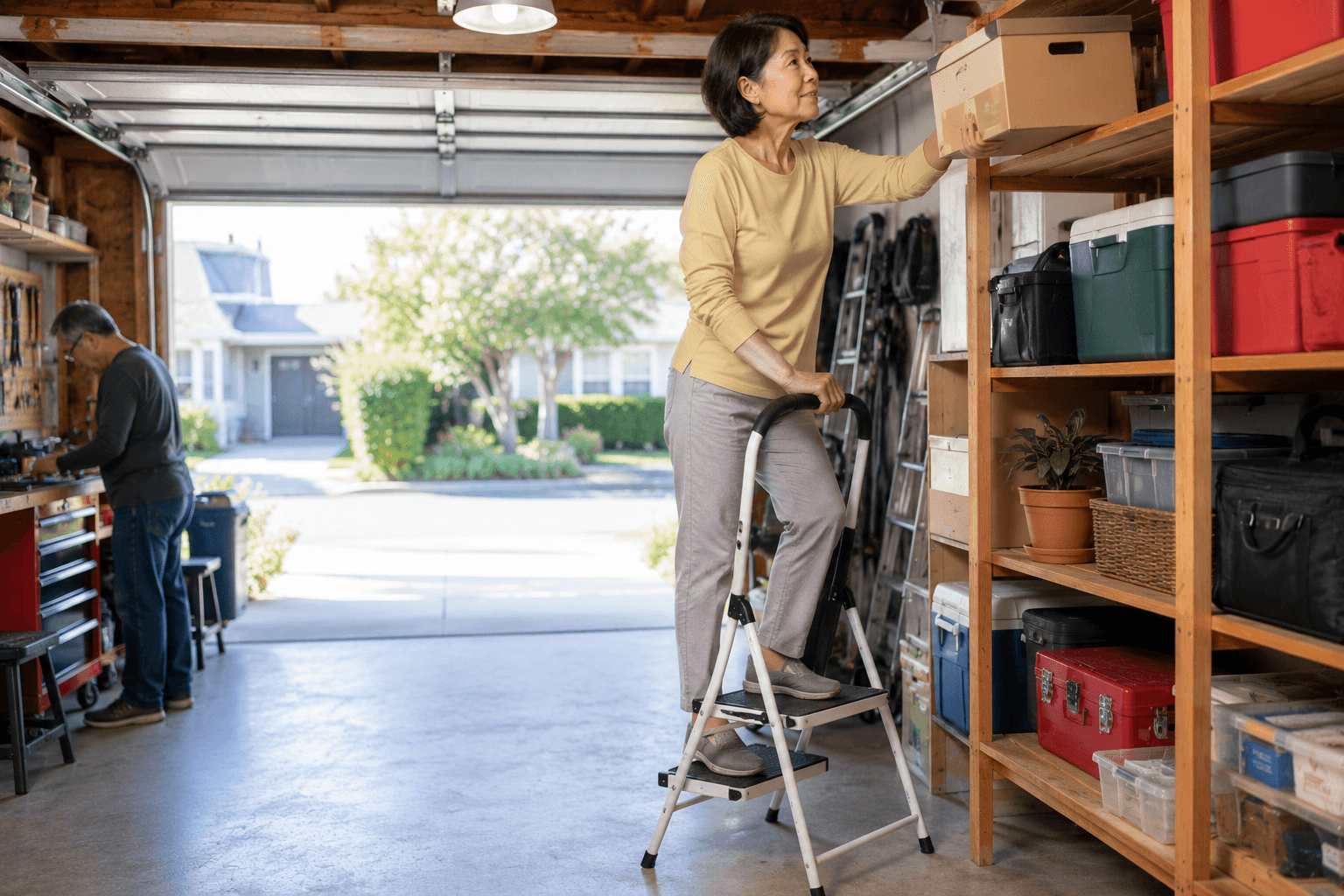
An osteoporosis diagnosis can feel overwhelming. You may leave your doctor's office with a prescription, a referral, and a lot of unanswered questions, especially if physical therapy is part of your care plan. A skilled physical therapist (PT) can be one of your most useful partners in managing bone health, reducing fracture risk, and helping you move through daily life with more confidence.
Like any healthcare appointment, you'll get more out of it if you show up prepared. The questions below can help you start useful conversations with your PT, understand your treatment, and stay safe as you work toward stronger bones.
First: Why Physical Therapy for Osteoporosis?
Physical therapy is not only for recovering from injuries. For people with osteoporosis or low bone density, a PT can design a personalized exercise program aimed at the factors most connected to fracture prevention: bone strength, muscle strength, balance, and posture. Research consistently shows that certain types of weight-bearing and resistance exercise can help slow bone loss and improve the neuromuscular coordination that keeps us from falling in the first place. A PT is trained to guide you through that kind of exercise safely, taking your health history into account.
Questions About Your Assessment
Your first few sessions should include a thorough evaluation. Don't hesitate to ask:
- What is my current fracture risk, and how did you assess it? A good PT will evaluate your posture, strength, balance, gait, and mobility, and will want the results of any bone density scans (DEXA scans) you've had.
- Do I have any movement patterns or postures that are putting me at higher risk? Rounded upper back (sometimes called kyphosis) is common with osteoporosis and can increase the risk of vertebral fractures. Your PT can identify this and work with you on it.
- How is my balance, and how does that affect my fall risk? Falls are the leading cause of fractures in people with osteoporosis. Ask your PT to explain what they found during your balance assessment and what it means for your day-to-day life.
- Are there any movements I should avoid entirely? This is critical. Certain movements, such as deep forward bending at the spine, high-impact twisting, or heavy loading in the wrong positions, may increase fracture risk for some people with osteoporosis. Your PT should give you clear, specific guidance based on your bone density and overall health.
Questions About Your Exercise Program
Exercise is the core of physical therapy for osteoporosis, but not all exercise is equally useful. Here's what to ask:
- What types of exercise are most beneficial for my bones, and why? Weight-bearing exercise (where your skeleton supports your body weight, like walking or standing) and resistance training (using weights, bands, or your own body weight) are generally considered the most effective for bone health. Your PT should explain which specific activities they're recommending and what the reasoning is.
- How will this program be tailored to me specifically? A program for someone with mild osteopenia is different from one for someone who has already had a fracture. Make sure your PT is accounting for your bone density results, any prior fractures, other health conditions, and your current fitness level.
- How will I know if I'm doing the exercises correctly? Form matters enormously with osteoporosis exercise. Ask your PT to watch you perform each exercise, give real-time feedback, and explain what correct technique feels like so you can self-monitor at home.
- How often should I do these exercises, and at what intensity? Frequency, duration, and load all affect outcomes. Ask for a written home exercise program with clear instructions so you're not guessing between sessions.
- How will the program change as I get stronger? A well-designed program should progress over time. Ask how your PT will know when to advance your exercises and what that progression might look like.
Questions About Fall Prevention
Preventing falls is just as important as building bone. For many people with osteoporosis, staying upright is the single most effective way to avoid a fracture.
- What balance or coordination exercises should I be doing? Balance training, such as standing on one leg, tandem walking, or specific stability exercises, can meaningfully reduce fall risk over time. Ask your PT which approaches are right for you.
- Are there changes I should make at home to reduce fall hazards? Your PT may be able to offer a home safety checklist or refer you to someone who can do a home assessment. Common recommendations include removing loose rugs, improving lighting, and adding grab bars in the bathroom.
- Should I be using a walking aid? Some people with osteoporosis benefit from a cane or walker, at least in certain situations. If you've been avoiding this conversation, your PT is a good person to have it with, without judgment.
- Are there everyday activities or situations where I should be especially careful? Navigating icy sidewalks, getting in and out of a car, bending to pick something up: your PT can coach you on safe movement strategies for everyday situations.
Questions About Pain and Symptoms
Osteoporosis itself doesn't usually cause pain unless a fracture has occurred, but many people with the condition do experience back pain, postural changes, or discomfort from previous compression fractures.
- Can physical therapy help with my back pain, and how? If you have pain from a compression fracture or postural changes, your PT may use a combination of targeted strengthening, manual therapy, and postural retraining to help manage it.
- What should I do if I experience new pain during or after exercise? Ask your PT to give you a clear framework: what level of discomfort is normal muscle soreness, and what kind of pain should prompt you to stop and call someone.
- Are there symptoms I should watch for that might indicate a new fracture? Sudden, sharp back pain, especially after a minor movement or bump, can sometimes signal a vertebral compression fracture. Your PT can help you understand when to seek prompt medical evaluation.
Questions About Coordination With the Rest of Your Care Team
Physical therapy works best when it's part of a coordinated plan. Ask:
- Are you communicating with my doctor or specialist about my progress? Especially if you're working with an endocrinologist, rheumatologist, or orthopedic specialist, it helps for all your providers to be on the same page.
- Does my medication affect what we can do in PT? Some osteoporosis medications have implications for fracture healing and exercise response. Your PT should be aware of what you're taking and factor it into your plan.
- What other members of the healthcare team should I consider seeing? Depending on your situation, your PT might suggest a registered dietitian (for calcium and vitamin D guidance), an occupational therapist (for adaptive strategies at home), or other specialists.
Questions About the Long Term
- What are realistic goals for someone in my situation? PT can't reverse osteoporosis, but it can meaningfully reduce fall and fracture risk, improve function, and support quality of life. Ask your PT to help you set goals that are honest and motivating.
- How will I transition to exercising independently? Most people won't be in physical therapy forever. Ask your PT how they'll help you build the knowledge and confidence to maintain an exercise routine on your own, and when that transition might happen.
- What should I do if my condition changes? If you have a fall, a new fracture, or a change in your bone density results, ask your PT when it makes sense to come back for a reassessment.
One More Thing: You Don't Have to Figure This Out Alone
Managing osteoporosis can feel like a lot to navigate, but you have more support than you might realize. Physical therapists who specialize in bone health work with people at every stage, whether you're newly diagnosed, returning after a fracture, or simply trying to stay active and independent as you age.
Bring this checklist to your next appointment, jot down the answers, and don't be afraid to ask follow-up questions. The more you understand your own care, the more effectively you and your PT can work together.
If you haven't yet been referred to a physical therapist and you have osteoporosis or low bone density, it's worth asking your doctor whether PT might be appropriate for you. It won't be the right fit for everyone, but for many people, it's one of the most practical, evidence-supported steps they can take for their bone health.