1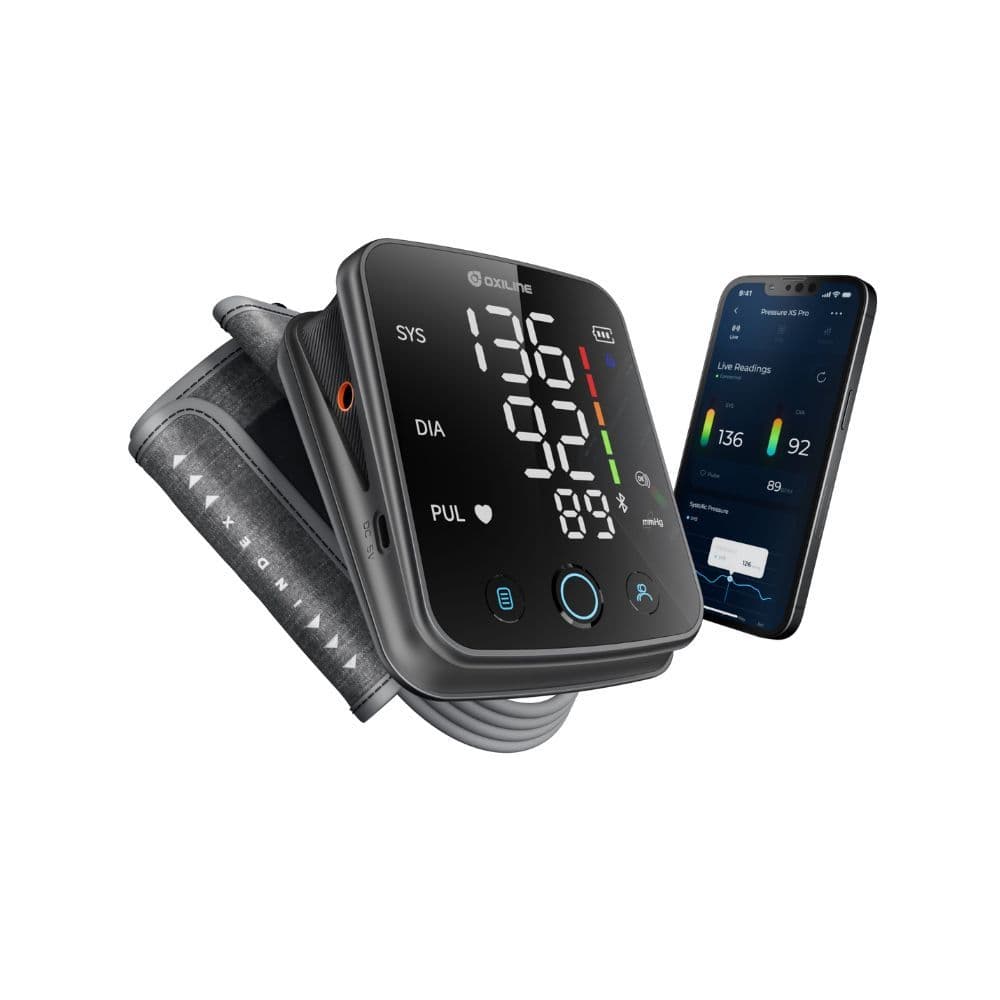
Oxiline Pressure XS Pro
FDA ClearedAAMI StandardConnected
- 98Accuracy
- 96Ease of Use
- 95Cuff Comfort
96/1004.8$99
Side-by-side testing · products for atrial fibrillation (afib)& home bp monitoring
Hypertension is the leading modifiable risk factor for AFib, which makes a reliable blood pressure monitor a key tool. Daily monitoring shows whether treatment is working and catches the BP spikes that can trigger episodes. Monitors with validated irregular-heartbeat detection can also screen for AFib between doctor visits, flagging possible episodes for clinical follow-up.
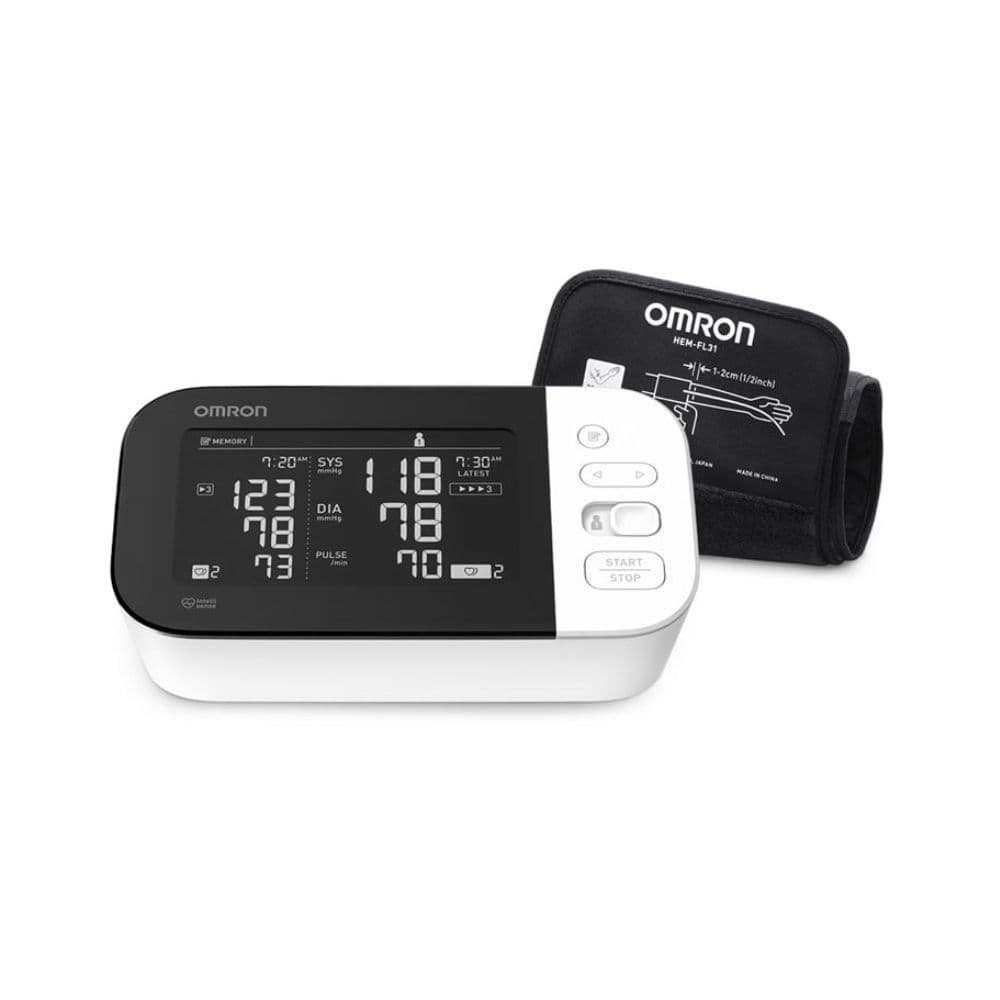
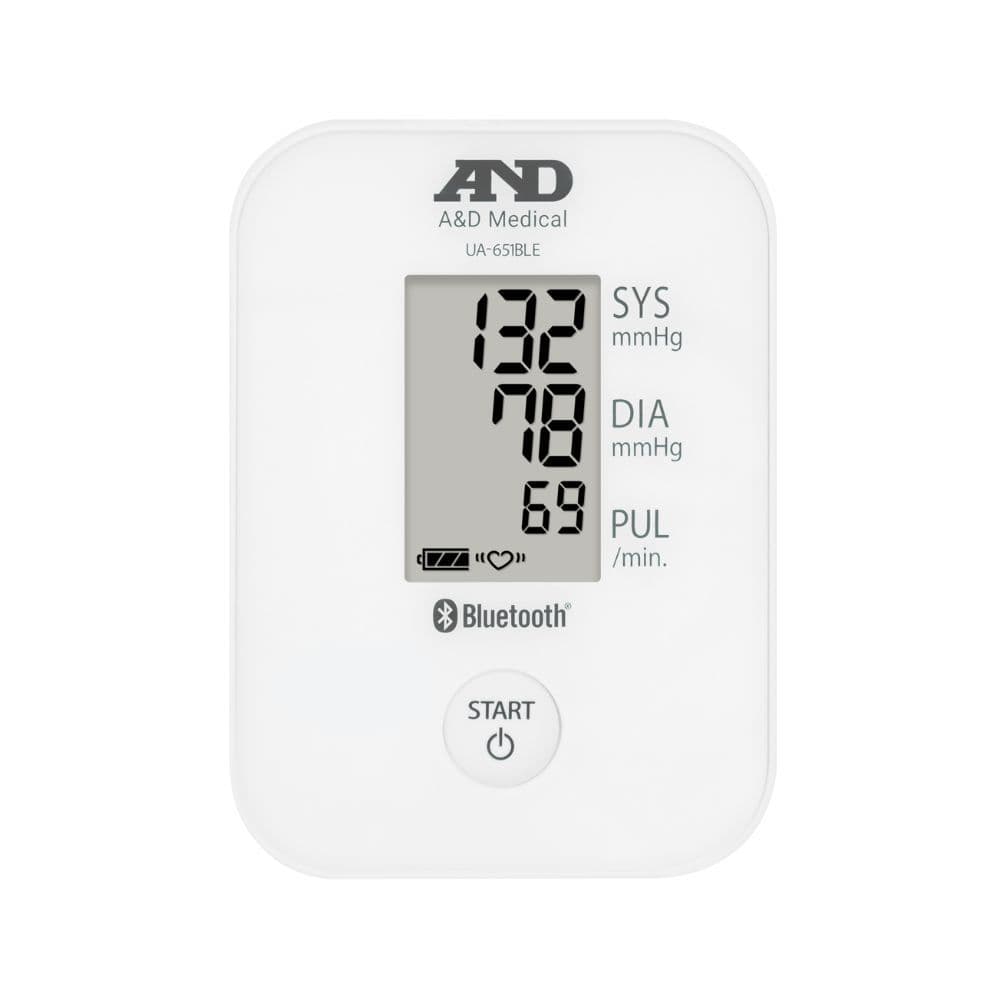
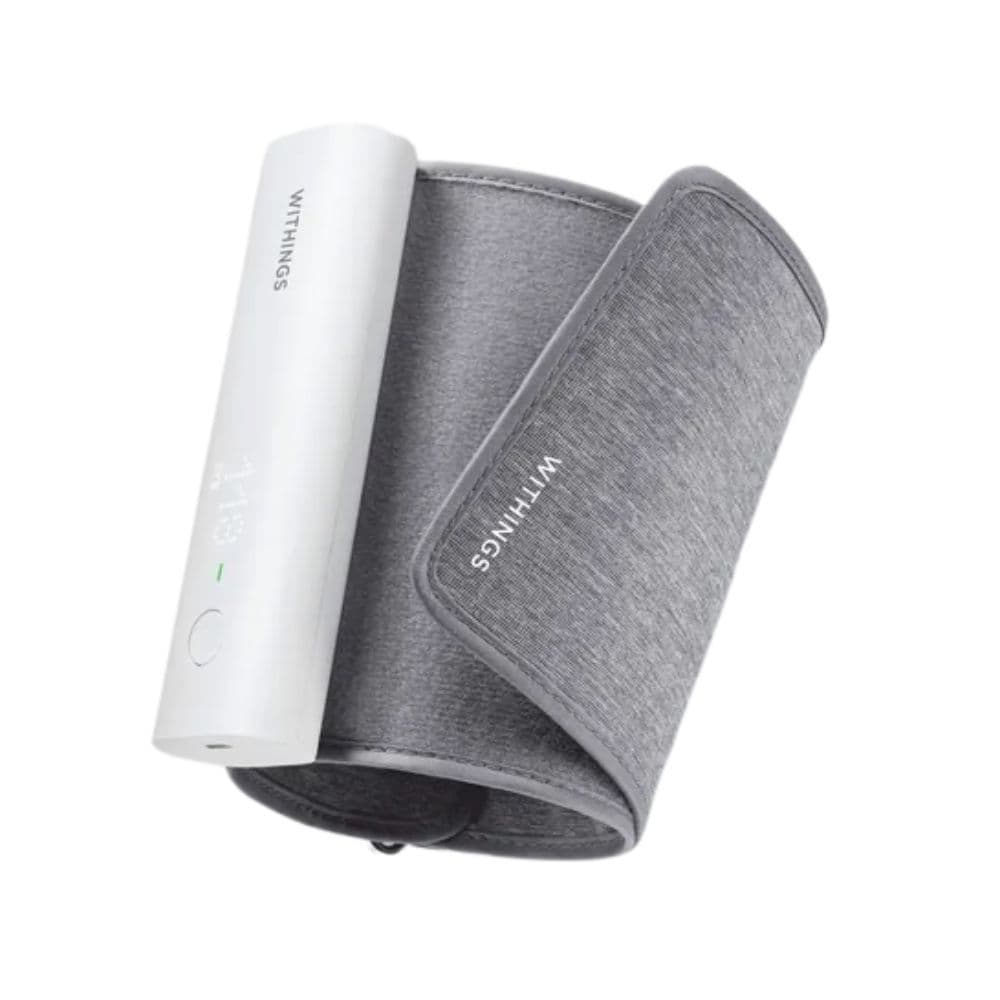
Which model came first on each thing we scored.
Every model scored on the same criteria, out of 100. Best in each row is highlighted.
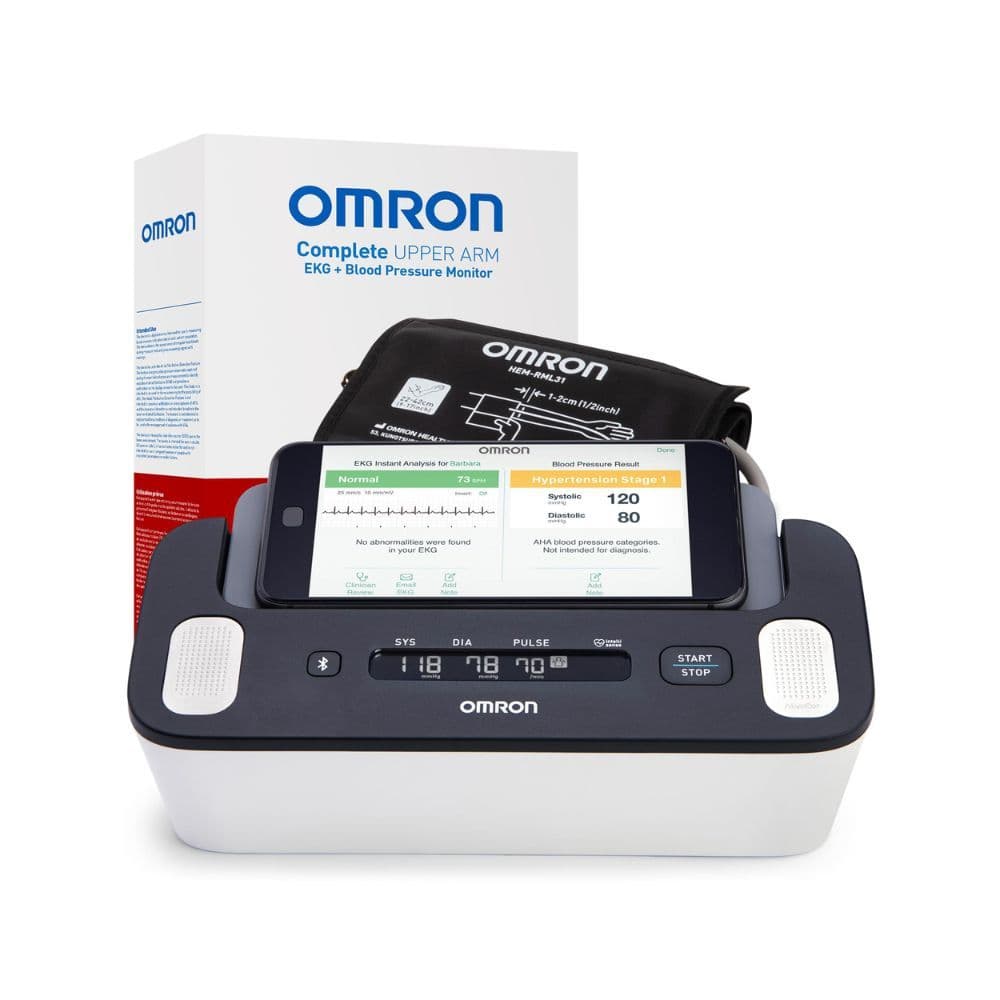
| Criterion | Oxiline Pressure XS Pro | Omron Platinum BP5450 | A&D Medical UA-651BLE | Withings BPM Connect | Omron Complete 2-in-1 BP Monitor + EKG |
|---|---|---|---|---|---|
| Accuracy | 98 | 98 | 86 | 93 | 95 |
| Ease of Use | 96 | 95 | 80 | 90 | 94 |
| Cuff Comfort | 95 | 92 | — | 88 | — |
| App & Sync | 94 | 90 | 84 | 98 | 92 |
| Build Quality | 96 | 94 | 80 | 91 | — |
| Display | — | 95 | — | 92 | 93 |
| Value | 97 | — | 78 | — | 82 |
| Overall | 96 | 96 | 80 | 92 | 90 |
What each one costs against what it scored. Lower cost per point is better value.
| Model | Price | Overall score | Cost per point |
|---|---|---|---|
| Oxiline Pressure XS Pro | $99 | 96 | $1.03 |
| Omron Platinum BP5450 | $89 | 96 | $0.93 |
| A&D Medical UA-651BLE | $50 | 80 | $0.63 |
| Withings BPM Connect | $99 | 92 | $1.08 |
| Omron Complete 2-in-1 BP Monitor + EKG | $115 | 90 | $1.28 |
| Spec | Oxiline Pressure XS Pro | Omron Platinum BP5450 | A&D Medical UA-651BLE | Withings BPM Connect | Omron Complete 2-in-1 BP Monitor + EKG |
|---|---|---|---|---|---|
| Cuff Size | 22–48 cm (8.7"–18.9") — Wide-Range XL | Standard (9–17") | 8.6"–14.2" | Standard (9–17") | 9"–17" |
| Memory | Unlimited (cloud) + 120 × 2 users on device | 200 × 2 users | 30 readings | Unlimited (cloud) | — |
| Bluetooth | — | Yes | Yes (BLE) | Yes + Wi-Fi | Yes |
| AFib Detection | Yes — 91% sensitivity in testing | Yes | — | No | — |
| Validated | — | AHA / ESH / AAMI | — | AHA / ESH | FDA / AHA |
| Power | USB-C rechargeable + 4 AAA battery backup | — | 4 AAA | — | — |
Our top overall blood pressure monitor. The Oxiline Pressure XS Pro scored 9.6/10 across 8 weeks of testing, with lab-grade accuracy that held up against reference readings. Accuracy data, pros and cons, and our verdict are below.
Top scores across the metrics that matter most — accuracy, build, and ease of use.
Reliable wireless sync, deeper analytics, and integrations with health apps.
Adds richer signals — EKG documentation, physician sharing, or clinical-grade testing.
Solid daily-use performance at the lowest price in our lineup.
Prices checked Sep 10, 2026 and change often — treat them as a guide, not a quote. We may earn a commission from links on this page, which never affects how a product scores.
Modern BP monitors with AFib detection use algorithms that analyze the pulse wave pattern during cuff inflation. Irregular intervals between heartbeats are flagged as potential atrial fibrillation. This is a screening tool — not a diagnostic one — so a positive flag should always be followed up with your cardiologist and a clinical EKG. The Omron Complete (#2 on our list) goes further by including a single-lead EKG that provides a rhythm strip your doctor can actually review.
No. A home BP monitor checks for AFib only during the brief measurement window (30–60 seconds). A Holter monitor records your heart rhythm continuously for 24–48 hours. Home monitors are useful for daily screening between cardiology visits, but they cannot replace clinical monitoring prescribed by your cardiologist.
The American Heart Association recommends AFib patients monitor their blood pressure at least twice daily — morning and evening. Consistent home monitoring helps your cardiologist adjust rate-control and anticoagulation medications more precisely. Use the TruRead or triple-measurement averaging feature if your monitor has one, as AFib can cause reading-to-reading variability.
Not necessarily. Irregular heartbeat flags can be triggered by premature atrial contractions (PACs), premature ventricular contractions (PVCs), or even movement artifacts. These are common and usually benign. However, if your monitor flags irregular heartbeats frequently, you should discuss this with your cardiologist for proper evaluation.
Wrist monitors are generally not recommended for AFib patients. The irregular pulse of AFib makes wrist readings less reliable because proper positioning (wrist at heart level) is critical and harder to maintain. Upper-arm cuff monitors provide significantly more consistent readings for patients with irregular heart rhythms. All five monitors on our list are upper-arm style for this reason.
Every model in this comparison was scored on the same criteria — Accuracy, Ease of Use, Cuff Comfort, App & Sync, Build Quality, Display, Value — using the same tests, so the numbers are directly comparable. Scores are ours; we buy the products we test and no manufacturer sees a review before it publishes.