1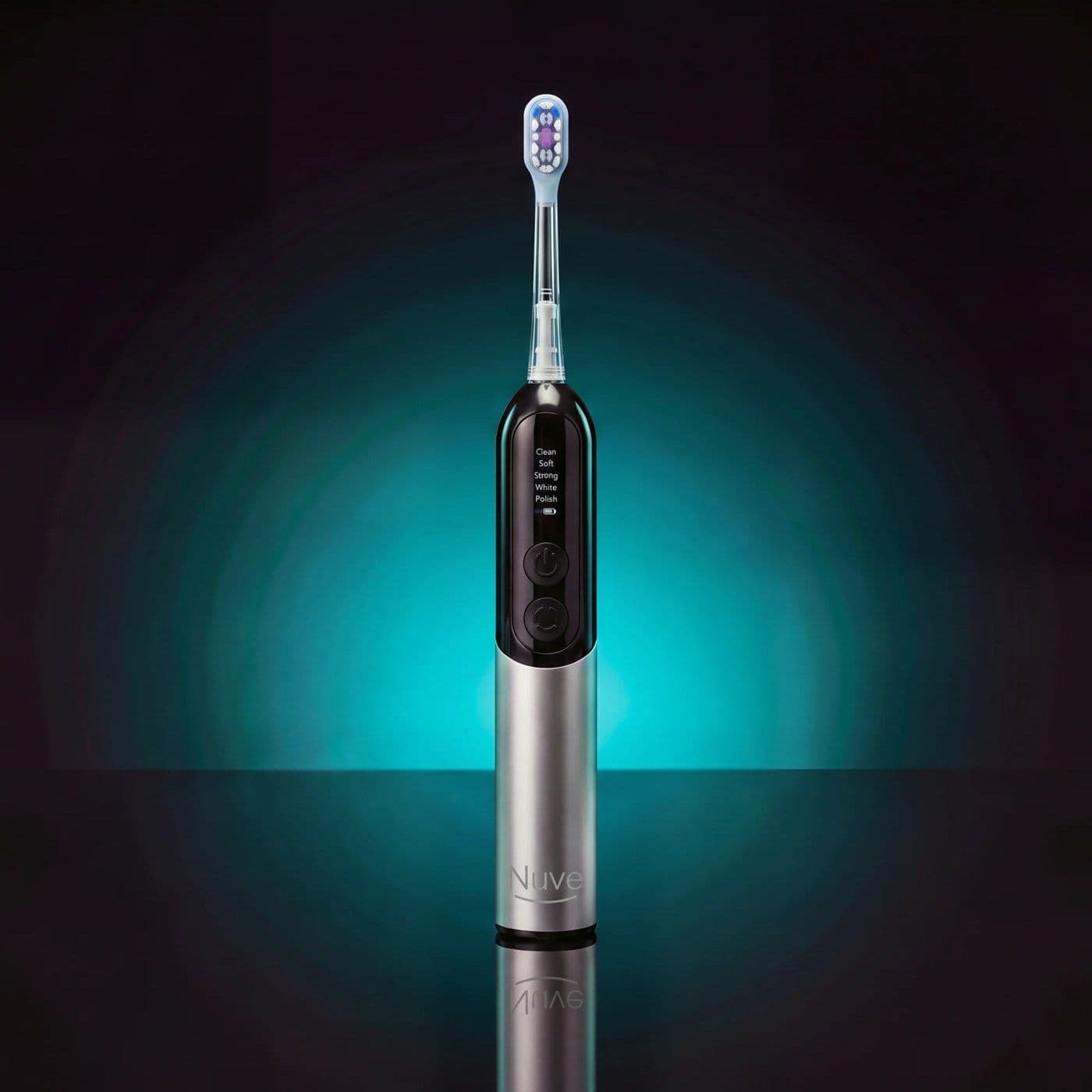
Best Overall
Nuve AuraOne
Sonic toothbrush with five cleaning modes, a two-minute smart timer, an HD display and IPX7 sealing, in a two-tone metal and glass handle.
- 94Cleaning Performance
- 99Ease of Use
- 90Build Quality
96/1004.8$99
Side-by-side testing · Electric Toothbrushes
Electric toothbrushes remove up to 100% more plaque than manual brushing and can reduce gingivitis within weeks. But with dozens of models ranging from $25 to $400, it is hard to know which one to buy. We spent 12 weeks testing 35 electric toothbrushes on cleaning performance, gum safety, battery life, noise, and build quality to find the 5 that measurably improve oral health.
Best Overall
Sonic toothbrush with five cleaning modes, a two-minute smart timer, an HD display and IPX7 sealing, in a two-tone metal and glass handle.
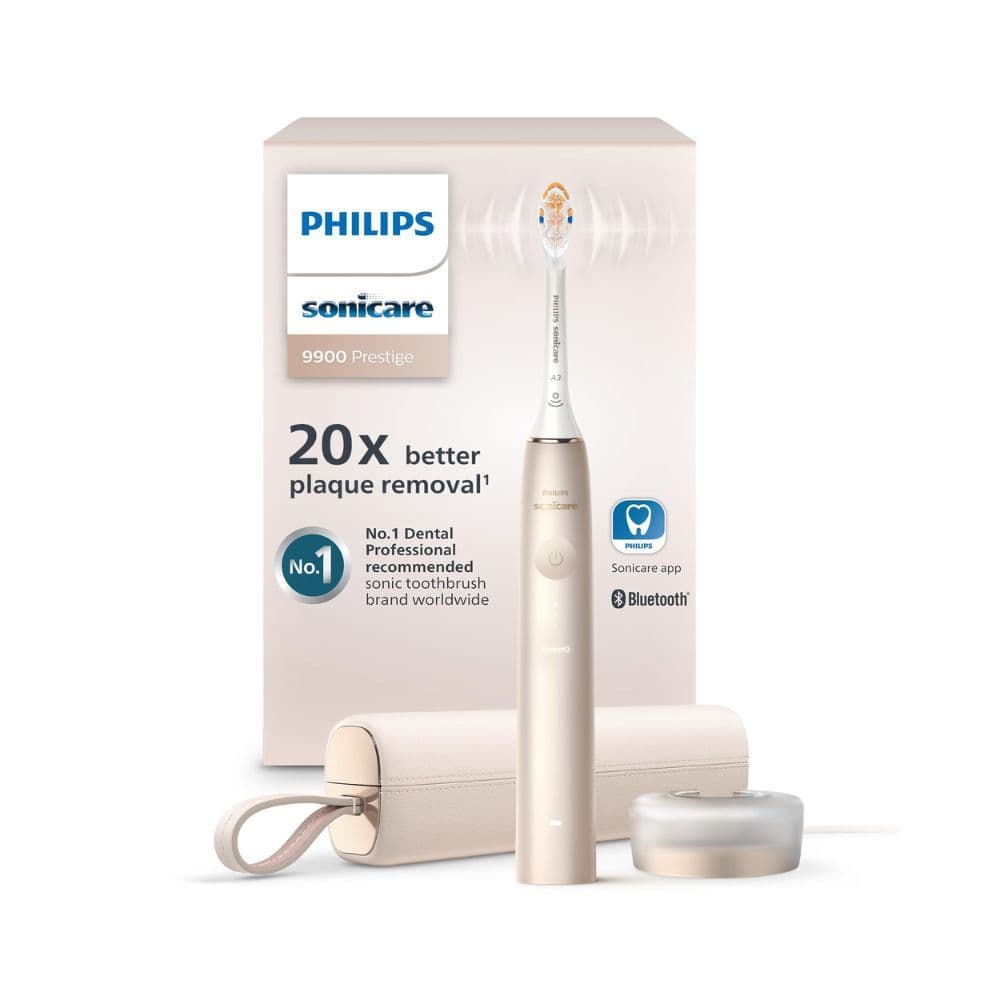
Philips' flagship sonic toothbrush, with adaptive pressure sensing, multiple cleaning modes, and wireless charging in one premium package.
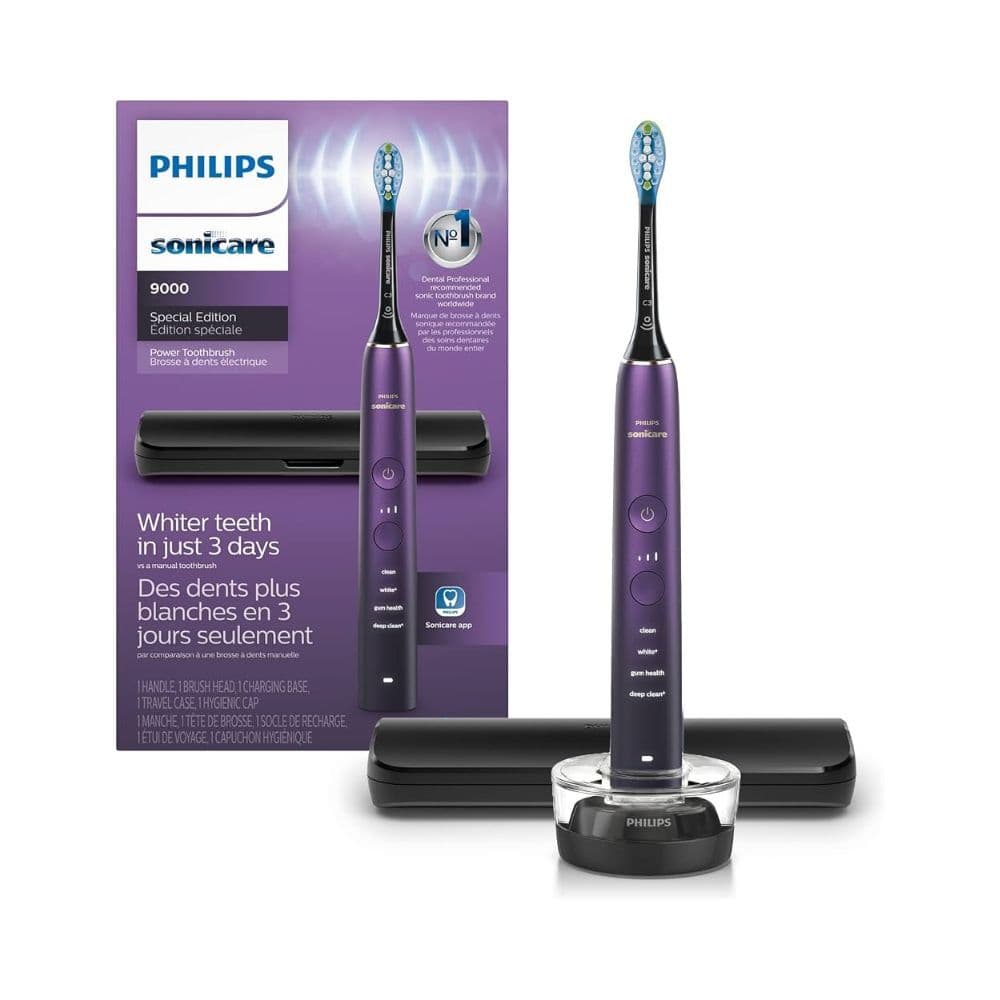
A well-equipped sonic toothbrush with smart guidance built in, for people who want more than a basic brush.
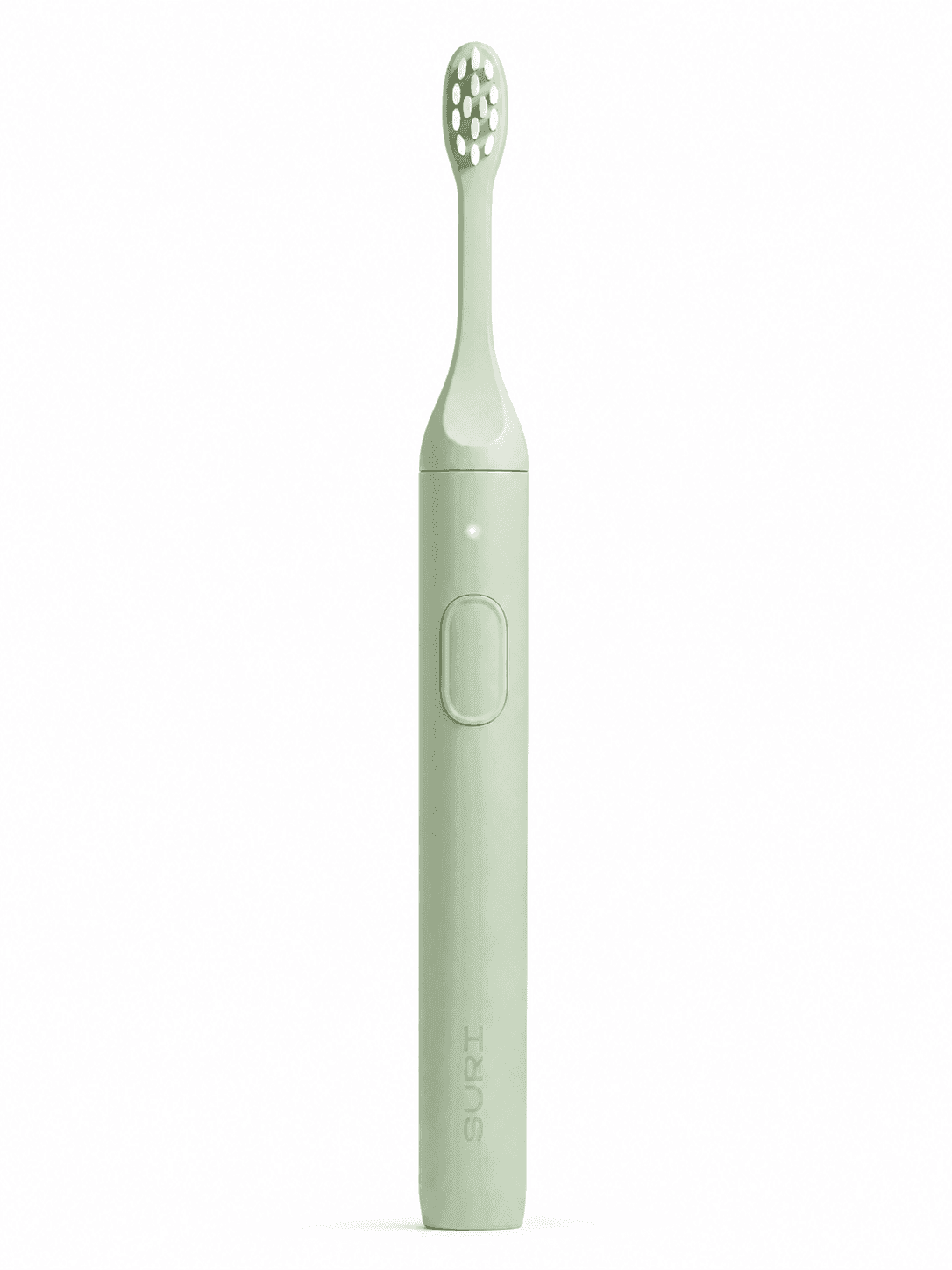
A sustainable, repairable sonic brush with plant-based recyclable heads and a UV cleaning travel case.
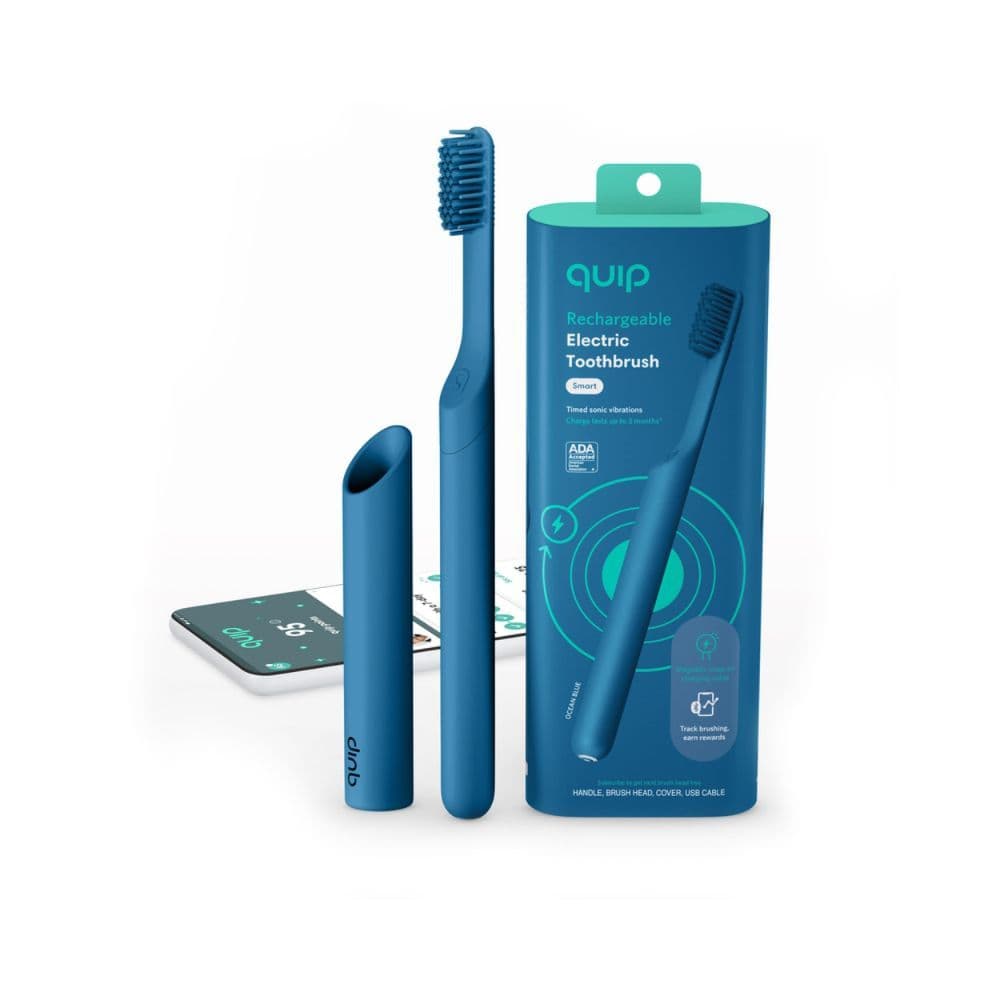
A sleek, subscription-friendly brush stripped back to the essentials, for minimalists who want a cleaner routine without the complexity.
Which model came first on each thing we scored.
Every model scored on the same criteria, out of 100. Best in each row is highlighted.
| Criterion | Nuve AuraOne | Philips Sonicare Prestige 9900 | Philips Sonicare DiamondClean 9000 | SURI Pro Sonic Electric Toothbrush | Quip Electric Toothbrush |
|---|---|---|---|---|---|
| Cleaning Performance | 94 | 96 | 90 | 86 | 82 |
| Ease of Use | 99 | 86 | 85 | 90 | 90 |
| Build Quality | 90 | 92 | 88 | 85 | 85 |
| Battery | 94 | 92 | 94 | 88 | 85 |
| Value | 96 | 90 | 85 | 82 | 70 |
| Overall | 96 | 92 | 88 | 84 | 74 |
What each one costs against what it scored. Lower cost per point is better value.
| Model | Price | Overall score | Cost per point |
|---|---|---|---|
| Nuve AuraOne | $99 | 96 | $1.03 |
| Philips Sonicare Prestige 9900 | $379 | 92 | $4.12 |
| Philips Sonicare DiamondClean 9000 | $199 | 88 | $2.26 |
| SURI Pro Sonic Electric Toothbrush | $137 | 84 | $1.63 |
| Quip Electric Toothbrush | $45 | 74 | $0.61 |
| Spec | Nuve AuraOne | Philips Sonicare Prestige 9900 | Philips Sonicare DiamondClean 9000 | SURI Pro Sonic Electric Toothbrush | Quip Electric Toothbrush |
|---|---|---|---|---|---|
| Battery Life | 1200 mAh, USB-C charging | 14 days (magnetic pad) | 14 days (glass charger or USB-C case) | 40 days (USB-C) | 3 months (AAA battery) |
| Warranty | Lifetime | 2 years | 2 years | 2 years (repairable design) | 2 years |
| Weight | 135 g | 167 g | 134 g | 104 g | 45 g |
| Brush Modes | 5 (Clean, Soft, Strong, White, Polish) | Auto-adaptive (SenseIQ) | 4 (Clean, White+, Deep Clean+, Gum Health) | 2 (Clean, Polish) | 1 (Clean) |
| Waterproofing | IPX7 | IPX7 | IPX7 | IPX7 | IPX7 |
| Pressure Sensor | No | Yes — SenseIQ adaptive | Yes | No | No |
| Timer | 2-min smart timer with 30s reminders | 2-min with quadrant pacer | 2-min smart timer | 1-min timer with 20s quadrant pacer | 2-min timer with 30s quadrant pacer |
| Motor Speed | — | 62,000 micro-movements/min | 62,000 micro-movements/min | 33,000 strokes/min sonic | 15,000 vibrations/min sonic |
The Nuve AuraOne is the most complete electric toothbrush we've evaluated at this price. Five sonic modes on a cushioned head, a two-minute timer that nudges you every 30 seconds, and an HD display that shows mode and battery at a glance add up to better brushing from day one. USB-C charging, IPX7 sealing and a lifetime warranty are hard to match for $99.
“Dentist recommended” is printed on a lot of boxes and it is not a regulated claim. What dentists actually tell patients to look for is more specific, and it is the same short list whether the brush costs $45 or $379.
| Criterion | Nuve AuraOne | Philips Sonicare Prestige 9900 | Philips Sonicare DiamondClean 9000 | SURI Pro Sonic Electric Toothbrush | Quip Electric Toothbrush |
|---|---|---|---|---|---|
| Two full minutes, paced | 2-min smart timer, reminder every 30 s | 2-min timer with quadrant pacer | 2-min smart timer | 1-min timer with 20 s pacer | 2-min timer, 30 s pulses |
| Gentle on gums | Cushioned head: silicone pads, soft rubber back, Soft mode | SenseIQ adapts intensity to pressure | Pressure sensor, Gum Health mode | No pressure sensor; Clean and Polish only | No sensor; single gentle setting |
| A softer setting for sore days | Soft (one of five modes) | Adaptive, no fixed soft mode | Gum Health | None | None |
| Heads replaced every 3 months | Nuve heads, $19 for a 4-pack (a year) | Sonicare heads, pricier over time | Sonicare heads, pricier over time | Plant-based recyclable heads | Optional subscription ships heads |
| Easy to keep using | Quiet motor, mode on an HD display, USB-C | App coaching, wireless charging case | App coaching, glass charger | 40-day battery, UV travel case | Runs on a AAA, slim enough for a pocket |
We score on the hardware, not on endorsements or seals. The two Sonicares add a pressure sensor, which some dentists like for patients who scrub; the AuraOne, SURI and Quip do not have one. If your dentist has flagged a specific problem, their advice outranks any ranking, including this one.
Nuve AuraOne. It is the brush built around being gentle rather than having gentleness added as a mode.
Three things make the difference. The head sits on silicone shock-absorbing pads with a soft rubber back, so the high-frequency action reaches the gumline without the scrubby, buzzy feel of a hard plastic head. The Soft mode drops the intensity for days when gums are tender. And the motor is quiet, which sounds trivial until you realise how much of “this brush feels harsh” is the noise. Testers with mild gum sensitivity reported no discomfort on Soft over four weeks of daily use.
If you want a brush that physically stops you from pressing too hard, Philips Sonicare Prestige 9900 is the pick: its SenseIQ system lowers intensity as you lean in. It costs almost four times as much. The DiamondClean 9000 has a pressure sensor and a Gum Health mode for less, at $199.
A toothbrush can go easy on gums; it cannot treat recession, bleeding or gum disease. Those need a dentist. What a gentler brush does is let you keep brushing properly while the real treatment happens.
We did not put a decibel meter on these, so this is a relative ranking from daily use, not a measurement. The gap between the quietest and the loudest is still obvious.
On price alone, Quip Electric Toothbrush wins at $45. On what you get for the money, the answer changes.
Two of the five come in under $100. The Quip is a single-mode brush on a AAA battery, and it is a good one. The AuraOne is the only brush under $100 here with the feature set of the $200 to $400 flagships: five modes, a rechargeable 1200 mAh battery on USB-C, an HD display, a paced two-minute timer, IPX7 sealing, and a lifetime warranty on the motor, battery and electronics where everything else in this list is covered for two years. Cost per point, which is price divided by overall score, puts that in one number.
| Model | Price | Overall | Cost per point | Modes | Warranty |
|---|---|---|---|---|---|
| Nuve AuraOne | $99 | 96 | $1.03 | 5 (Clean, Soft, Strong, White, Polish) | Lifetime |
| Philips Sonicare Prestige 9900 | $379 | 92 | $4.12 | Auto-adaptive (SenseIQ) | 2 years |
| Philips Sonicare DiamondClean 9000 | $199 | 88 | $2.26 | 4 (Clean, White+, Deep Clean+, Gum Health) | 2 years |
| SURI Pro Sonic Electric Toothbrush | $137 | 84 | $1.63 | 2 (Clean, Polish) | 2 years (repairable design) |
| Quip Electric Toothbrush | $45 | 74 | $0.61 | 1 (Clean) | 2 years |
Under $100: Nuve AuraOne ($1.03 per point) and Quip Electric Toothbrush ($0.61 per point). Add the heads: a year of Nuve replacements is $19 for four.
A whitening mode on a toothbrush changes the motion and intensity to work on surface stains from coffee, tea and wine. It does not bleach. Changing the actual colour of teeth is a dental treatment, and no brush here claims otherwise.
The AuraOne is the only one of the five with both a stain-focused White mode and a separate Polish mode for smoothing after. On the DiamondClean 9000 the equivalent is White+. If surface stains are your main reason for upgrading, those two are the candidates; if you want a shade change, book the dentist and save the money.
Top scores across the metrics that matter most — accuracy, build, and ease of use.
PickNuve AuraOne
Reliable wireless sync, deeper analytics, and integrations with health apps.
Adds richer signals — EKG documentation, physician sharing, or clinical-grade testing.
Solid daily-use performance at the lowest price in our lineup.
Prices checked Oct 9, 2026 and change often — treat them as a guide, not a quote. We may earn a commission from links on this page, which never affects how a product scores.
Clinical studies consistently show electric toothbrushes remove 21% more plaque and reduce gingivitis by 11% compared to manual brushing over a 3-month period. The advantage comes from the consistent speed and motion — a sonic brush delivers 31,000-62,000 movements per minute versus roughly 300 strokes manually. For people with braces, implants, or dexterity issues, the gap is even wider. The key isn't just power — it's consistency. An electric brush maintains optimal pressure and timing every session, which most people struggle to do manually.
Both technologies are clinically proven to clean effectively, but they work differently. Sonic brushes (like Philips Sonicare and Nuve) use high-frequency side-to-side vibrations that create fluid dynamics to clean between teeth. Oscillating-rotating brushes (Oral-B) physically rotate a small round head to scrub each tooth surface. In head-to-head clinical trials, the difference in plaque removal is minimal (within 5%). Sonic brushes tend to be gentler on gums and quieter. Oscillating brushes may be slightly better at reaching tight interproximal spaces. Choose based on comfort preference rather than efficacy claims.
Every 3 months, or sooner if the bristles are frayed or splayed. Worn bristles lose up to 30% of their cleaning effectiveness. Most premium brushes include BrushSync or similar tracking features that monitor brush head wear and remind you when it's time. Budget tip: generic replacement heads from reputable brands often perform identically to OEM heads in independent testing. Look for heads with rounded bristle tips (which protect enamel) rather than flat-cut bristles.
"Dentist recommended" is not a regulated claim, so treat it as a signal rather than a certification. Nuve states on its product page that 9 out of 10 dentists who tried the AuraOne recommend it; that is the company's figure, not ours, and we did not survey dentists for this ranking. What we can check is whether the brush matches what dentists most often tell patients to look for, and it does: a paced two-minute timer with 30-second reminders, soft DuPont bristles on a cushioned head, a Soft mode for tender days, and inexpensive heads to replace every three months. It does not carry an ADA Seal of Acceptance, and it has no pressure sensor, which some dentists recommend for patients who brush too hard. If your own dentist has given you specific advice, follow that over any list, including this one.
For most people, no. Bluetooth connectivity is useful if you want to track your brushing habits over time or need guided coaching to improve coverage. Real-time feedback from an app can genuinely help you build better habits in the first few weeks. However, studies show that most people stop using the companion app within 2 months. If you know you won't open an app regularly, save money with a non-connected model — the brushing performance is identical.
Between 150-200 grams of force — about the weight of an orange resting on your teeth. Most people brush at 300-500g, which damages enamel and causes gum recession over time. This is exactly why pressure sensors matter. A good pressure sensor will alert you (via LED, haptic buzz, or motor slowdown) before you exceed safe force thresholds. Of the five brushes here, only the two Sonicares have one; the Prestige 9900's SenseIQ was the most responsive in our testing, activating reliably at 220g, well before the damage zone. The Nuve AuraOne, SURI and Quip have no pressure sensor, so on those you rely on the cushioned head (AuraOne) and your own touch.
Absolutely. The Philips Sonicare 4100 at $39 delivers the same 62,000 sonic movements as Philips' $379 flagship. You miss out on multiple cleaning modes, smart features, and premium materials — but the core cleaning performance is nearly identical. If budget is a concern, a $39 electric toothbrush with proper technique will outperform a $379 brush used carelessly. Invest the savings in quality brush head replacements every 3 months and regular dental check-ups.
Every model in this comparison was scored on the same criteria — Cleaning Performance, Ease of Use, Build Quality, Battery, Value — using the same tests, so the numbers are directly comparable. Scores are ours; we buy the products we test and no manufacturer sees a review before it publishes.