Cavities — the dental term is caries — remain one of the most common chronic health conditions in the United States. They form when bacteria in the mouth feed on sugars, produce acids, and gradually erode tooth enamel. The single most important thing you can do to interrupt that process is to remove the bacterial film, called plaque, consistently and thoroughly. That is where your choice of tools starts to matter.
Manual toothbrushes, used correctly, can do a respectable job. But many of us do not use the correct technique, do not brush long enough, or miss the same spots day after day. Electric toothbrushes and water irrigators (also called oral irrigators or water flossers) were designed to compensate for some of those gaps. Understanding which features are backed by good evidence — and which are largely marketing — can help you shop more wisely and talk to your dentist from a more informed position.
How Dental Caries Actually Develop
Before evaluating any tool, it helps to know what you are fighting. Plaque is a sticky, colorless biofilm that clings to teeth and gumlines. When it is not removed regularly, the bacteria inside it metabolize dietary sugars and release acids that demineralize enamel. Over time, that demineralization creates a cavity.
Plaque also accumulates between teeth and just below the gumline — two areas that are notoriously difficult to clean with a flat brush head. That anatomical reality explains why both powered brushing and interdental cleaning are considered important by dental professionals, rather than one approach alone.
Electric Toothbrushes: The Features Worth Paying Attention To
Electric toothbrushes come in two broad categories: oscillating-rotating models (the brush head spins back and forth in small circles) and sonic or ultrasonic models (the brush vibrates at very high frequencies, generating fluid dynamics that can disrupt plaque slightly beyond the bristle tips). Both have been studied more extensively than most other consumer health devices.
Clinical reviews comparing powered and manual brushes generally find that electric toothbrushes reduce plaque and gingivitis more effectively, with oscillating-rotating designs showing a consistent edge in many of those comparisons. However, the differences, while real, are modest — and technique and consistency still matter enormously regardless of which brush you use.
Brushing Modes
Many mid- and high-range electric toothbrushes advertise multiple modes: daily clean, sensitive, whitening, gum care, and so on. For cavity prevention specifically, the relevant distinction is whether a mode delivers adequate mechanical action at the gumline and tooth surface without being so aggressive that it damages enamel or recedes gums. A sensitive mode may be appropriate for people with exposed roots or thin enamel, but the research on mode-specific caries outcomes is limited. For most adults, a standard cleaning mode used consistently is the priority.
Brush Head Shape and Bristle Design
Smaller, rounded brush heads — particularly those designed for oscillating-rotating motion — can access the curved surfaces around individual teeth more precisely than large flat heads. Soft bristles are universally recommended by dental organizations because medium or hard bristles can abrade enamel and irritate gums over time, potentially creating new problems. Tapered or end-rounded bristles may improve access to the gumline, where early caries and gum disease both tend to start.
Pressure Sensors
Brushing too hard is surprisingly common and can wear enamel and push gums back, making teeth more vulnerable to sensitivity and decay at the root surface. Pressure sensors — which alert you visually or by changing the motor's behavior when you are pressing too firmly — are a genuinely useful feature, particularly for people who tend to scrub rather than guide the brush.
Built-in Timers
Dental guidelines generally recommend two minutes of brushing, twice a day. Studies consistently show that people underestimate how long they have been brushing. A two-minute timer, often with 30-second quadrant intervals, addresses a real and documented gap in home care. This is one of the most evidence-aligned features an electric toothbrush can offer.
Battery Life and Connectivity
Long battery life matters for travel consistency — skipping brushing when a charger is unavailable is a real risk. Bluetooth-connected brushes that sync with smartphone apps can provide real-time feedback on coverage and duration. Some research suggests that guided brushing apps modestly improve technique, though this is an area where longer-term caries outcome data is still emerging. These features may be particularly useful for children or people who have been told by their dentist that they are missing specific areas.
Water Irrigators: What They Do and What They Do Not Do
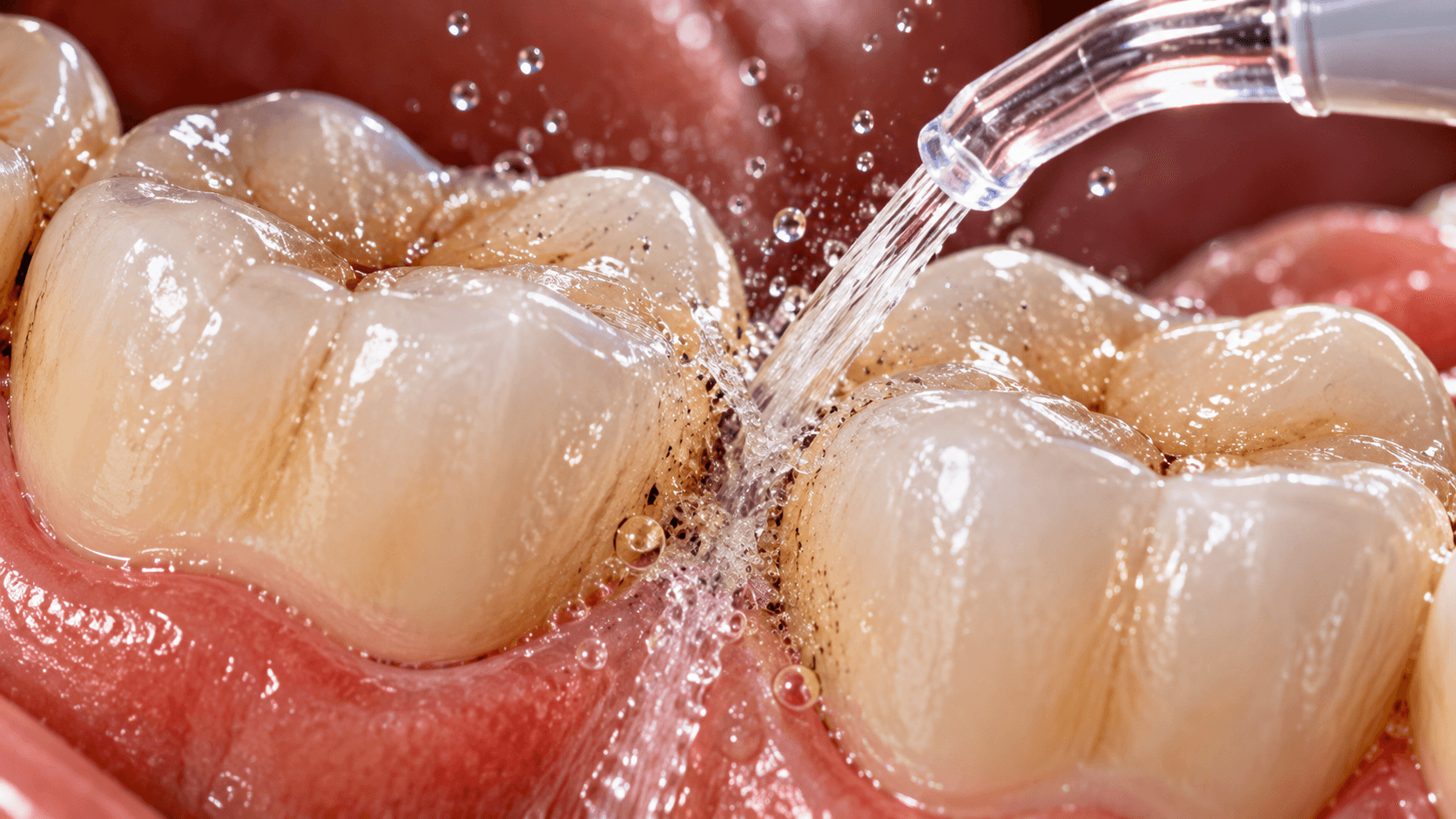
Water irrigators use a pressurized stream of water to flush debris and disrupt plaque from between teeth and below the gumline. They are sometimes marketed as a replacement for flossing, but the evidence picture is more nuanced than that framing suggests.
Traditional string floss, when used correctly, physically removes plaque through a scraping action against the tooth surface. Water irrigators work differently — they disrupt and flush rather than scrape. Studies have found that water irrigators can reduce gingival bleeding and inflammation and may be particularly effective at cleaning around orthodontic brackets, implants, bridges, and crowded teeth where string floss is difficult to use. Whether they prevent caries as effectively as flossing in otherwise healthy mouths is less clearly established.
That said, water irrigators are not without value for caries risk. Flushing food debris from between teeth reduces the substrate available to bacteria. And for people who simply will not floss consistently — a very large share of the population — a water irrigator used regularly is likely better than no interdental cleaning at all.
Pressure Settings
Adjustable pressure is one of the most clinically relevant features on a water irrigator. Starting at a lower pressure and gradually increasing as the gums adapt reduces the risk of discomfort and tissue trauma. People with gum disease, dental implants, or recent oral surgery should ask their dentist or periodontist about appropriate pressure levels before use.
Reservoir Size and Tip Design
A larger reservoir allows you to complete a full cleaning session without refilling, which reduces the temptation to cut the routine short. Different tip designs serve different purposes: standard tips for general use, orthodontic tips for braces, pocket tips designed to deliver water just below the gumline for people managing periodontal disease, and tongue scrapers. If your dentist has identified deep gum pockets or periodontal concerns, a specialized subgingival tip may be worth discussing.
Countertop vs. Cordless Models
Countertop models tend to have larger reservoirs and more pressure range, making them better suited for people with complex dental situations. Cordless models sacrifice some capacity for portability. Neither is inherently superior for caries prevention — the best model is the one you will actually use every day.
Using These Tools Together
Electric toothbrushes and water irrigators address overlapping but not identical cleaning tasks. An electric toothbrush excels at removing plaque from exposed tooth surfaces and the gumline. A water irrigator is most useful for flushing the spaces between teeth and, with the right tip, slightly below the gumline. Many dental professionals suggest using the irrigator before brushing so that loosened debris can then be swept away.
Neither device eliminates the need for regular professional cleanings. Tartar — calcified plaque — cannot be removed at home by any consumer device and requires professional instruments. Regular dental visits also allow your clinician to catch early caries before they require more invasive treatment.
Who Might Benefit Most
While anyone can benefit from better oral hygiene tools, certain groups may find powered devices especially valuable:
- People with limited dexterity, including older adults or those with arthritis, who may find it difficult to achieve consistent manual technique
- Orthodontic patients, because brackets and wires create many hard-to-clean surfaces where plaque accumulates
- People with a history of frequent cavities, who may benefit from the more thorough cleaning that guided or timed electric brushing can provide
- Those with dental implants or bridgework, where water irrigators can clean areas that neither a brush nor floss can easily reach
- Children and teenagers, who may engage more with a brushing app or enjoy a powered brush, improving compliance
A Note on Making Decisions
The best oral care routine is one you will follow consistently — with the right tools for your specific anatomy, dental history, and risk factors.
Features like pressure sensors, timers, and adjustable water pressure are grounded in real clinical reasoning. Premium connectivity features may offer modest benefits for some users. But no device compensates entirely for infrequent use, a high-sugar diet, or skipped dental appointments.
If you are unsure which tools are right for you — especially if you have a history of cavities, gum disease, implants, or are managing orthodontic treatment — your dentist or dental hygienist is the best starting point. They can assess your individual plaque patterns, gum health, and anatomy, and recommend features that address your actual needs rather than a generalized list.
Investing in better tools is a worthwhile step. Pairing them with professional guidance makes that investment count.