Periodontal disease—commonly called gum disease—is one of the most widespread chronic conditions affecting adults in the United States. It ranges from mild inflammation of the gums (gingivitis) to more serious forms that can damage the soft tissue and bone supporting your teeth. The good news: consistent, well-chosen home care habits can meaningfully slow its progression and support whatever treatment your dental team recommends.
This guide walks through the building blocks of a home care routine designed around how gum disease actually works. Think of it as a complement to professional care, not a replacement for it.
Understand What You're Working With
Before building any routine, it helps to understand the basic mechanism of gum disease. The primary driver is dental plaque—a soft, sticky film of bacteria that forms continuously on teeth and along the gumline. When plaque is not regularly disrupted and removed, the bacteria within it produce byproducts that trigger inflammation in gum tissue. Over time, that inflammation can cause the gums to pull away from the teeth, creating pockets where more bacteria accumulate and cause deeper damage.
When plaque is left undisturbed long enough, it hardens into tartar (also called calculus), which cannot be removed by brushing or flossing at home—only a dental professional can scale it away. This is why home care and professional cleanings work as a team: home care controls daily plaque buildup, while professional care addresses what home care cannot reach or remove.
If you have been diagnosed with periodontal disease, your dentist or periodontist has likely discussed a specific treatment plan. Your home routine should align with that plan. When in doubt about any step below, ask your dental provider what is appropriate for your stage of disease and your individual anatomy.
Step 1: Choose the Right Toothbrush and Technique
For most people with gum disease, a soft-bristled toothbrush is the safest choice. Medium or firm bristles can aggravate already-sensitive gum tissue and contribute to gum recession over time. Whether you prefer a manual or electric toothbrush, research consistently suggests that powered toothbrushes with an oscillating-rotating action may have a slight edge in removing plaque and reducing gum inflammation—but the most important factor is technique and consistency.
A widely recommended method is the modified Bass technique:
- Hold the brush at roughly a 45-degree angle toward the gumline.
- Use short, gentle back-and-forth strokes or small circular motions, keeping the bristles aimed where teeth meet gums.
- Work systematically around all surfaces—outer, inner, and chewing surfaces of every tooth.
- Spend at least two minutes brushing, twice a day.
Aggressive scrubbing is counterproductive. More pressure does not mean more plaque removed—it often means more tissue damage. Think of brushing as a massage for your gums, not a scrubbing mission.
Step 2: Make Flossing (or an Alternative) Non-Negotiable
Brushing alone cannot reach the spaces between teeth or below the gumline where periodontal pockets tend to form. Interdental cleaning is essential for anyone managing gum disease.
Traditional floss remains a gold standard, but it is not the only option. People with wide interdental spaces, dexterity challenges, or periodontal pockets may find other tools work better:
- Dental floss: Gently slide the floss between teeth, curve it into a C-shape around each tooth, and move it below the gumline before sliding it up and down. Never snap floss into the gums.
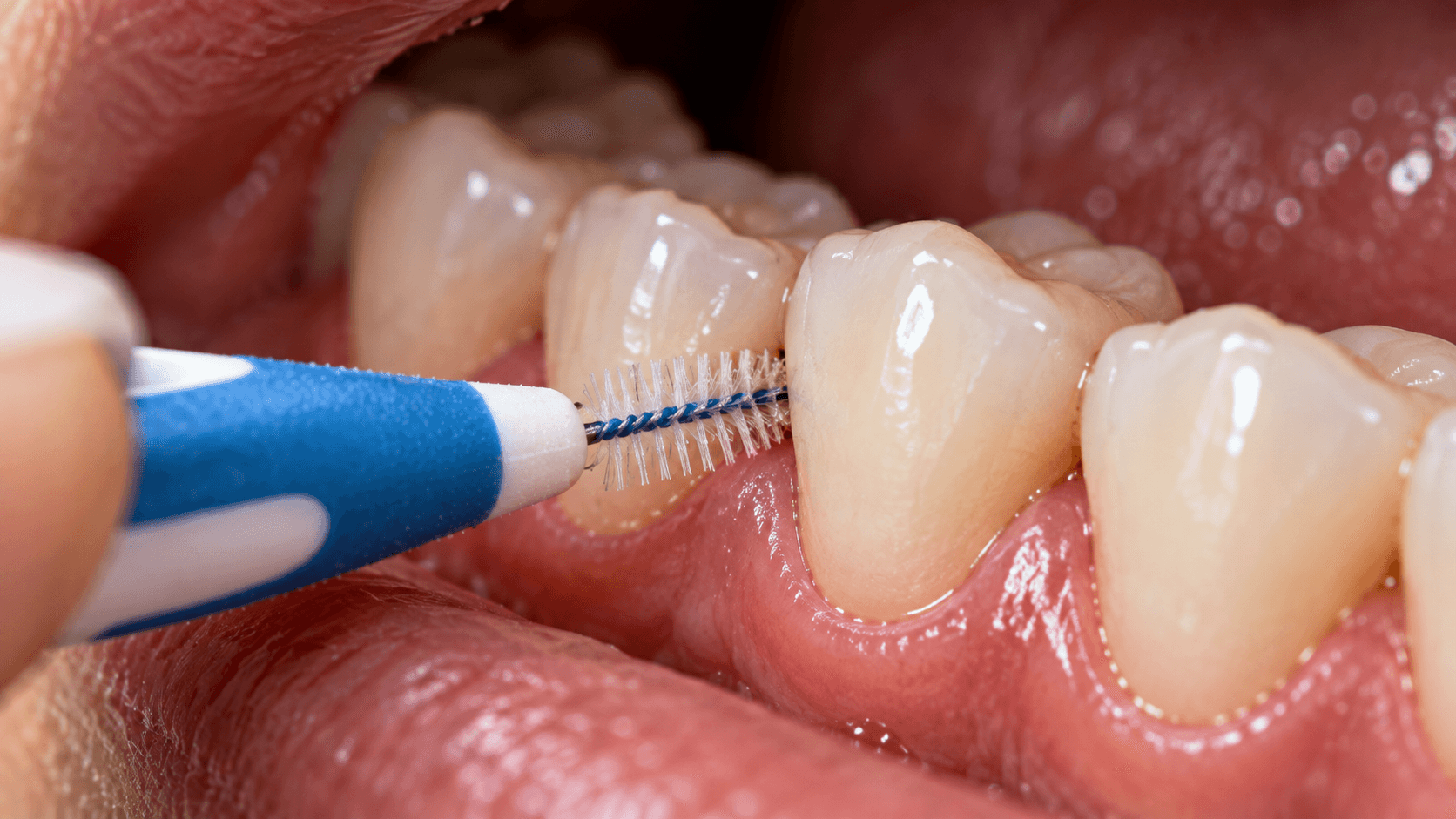
- Interdental brushes (proxy brushes): Small cylindrical brushes that fit between teeth. Many periodontists favor these for patients with moderate to advanced gum disease because they can access pockets and wider spaces effectively.
- Water flossers: Devices that use a pressurized stream of water to flush debris from between teeth and below the gumline. Clinical studies suggest they can reduce plaque and gingivitis, and they may be especially useful for people with braces, implants, or limited hand mobility. They are generally considered a complement to, rather than a full replacement for, mechanical interdental cleaning.
Aim to clean between your teeth at least once daily—ideally before your evening brushing so loosened debris can be brushed away.
Step 3: Consider an Antimicrobial Rinse
Therapeutic mouth rinses are not the same as cosmetic ones. For people with gum disease, a dentist may recommend an antimicrobial rinse—most notably those containing chlorhexidine gluconate—to help reduce bacterial load in the mouth. These are typically used for a defined period rather than indefinitely, because long-term use can stain teeth and alter taste perception.
Over-the-counter rinses with ingredients like cetylpyridinium chloride or essential oils (such as those in certain commercial brands) have some evidence supporting their role in gingivitis management, though they are generally considered less potent than prescription options.
Do not add a rinse to your routine without discussing it with your dental provider. The right product depends on your specific situation, and rinsing at the wrong time (for instance, right after fluoride toothpaste) can reduce the effectiveness of both products.
Step 4: Pay Attention to Toothpaste
For most adults, a fluoride toothpaste is the foundational recommendation—fluoride strengthens tooth enamel and helps guard against cavities, which people with gum disease can be more vulnerable to as gums recede. Some toothpastes are also formulated with ingredients intended to help with sensitivity (a common issue when gums have pulled back) or to reduce tartar buildup.
Be cautious with highly abrasive whitening toothpastes if you have exposed root surfaces or sensitive gums, as they can cause additional wear. Your dental team can recommend a formulation that suits your needs.
Step 5: Adjust Your Diet and Lifestyle
What you eat and certain lifestyle factors can influence gum health in meaningful ways.
- Limit sugary and starchy foods and beverages: Sugar feeds the oral bacteria that produce the acids and inflammatory byproducts driving gum disease. Reducing frequent exposure—especially between meals—gives your mouth more recovery time.
- Stay hydrated: Saliva is a natural defense against bacteria. Dry mouth (from certain medications, mouth breathing, or dehydration) reduces this protection. Drinking water throughout the day helps, as does discussing dry mouth with your doctor if it is medication-related.
- Eat a nutrient-rich diet: Research points to nutrients like vitamin C and vitamin D as playing roles in gum tissue integrity and immune response. A varied diet with plenty of vegetables, fruits, lean proteins, and whole grains supports overall immune health, which in turn affects how your body manages gum inflammation.
- Quit smoking or using tobacco: Tobacco use is one of the most significant risk factors for periodontal disease. It impairs blood flow to the gums, blunts the immune response, and makes gum disease harder to treat. Quitting—even partially—is one of the highest-impact steps a person with gum disease can take. Talk to your doctor about cessation support resources.
- Manage blood sugar if you have diabetes: There is a well-established two-way relationship between periodontal disease and diabetes. Poor blood sugar control can worsen gum disease, and untreated gum disease may make blood sugar harder to control. If you have diabetes, keeping it well-managed is a meaningful part of your gum health strategy.
Step 6: Keep Your Professional Appointments
This cannot be overstated: home care alone cannot treat established periodontal disease. Professional cleanings—and for more advanced disease, procedures like scaling and root planing—physically remove hardened tartar and bacterial deposits that no toothbrush or floss can reach.
People with active or recently treated periodontal disease are typically placed on a periodontal maintenance schedule, often with cleaning appointments every three to four months rather than the standard twice-yearly cadence. This more frequent schedule reflects how quickly plaque can re-colonize periodontal pockets. Sticking to it is a core part of keeping gum disease from progressing.
Home care controls what happens between appointments. Professional care controls what home care cannot. Both are necessary.
Building the Routine: Putting It All Together
A practical daily framework might look something like this:
- Morning: Brush for two minutes with a soft-bristled toothbrush and fluoride toothpaste using proper technique. Use a recommended mouth rinse if your dental provider has advised one (at the appropriate time relative to brushing).
- After meals or snacks: Rinse with water to help clear food debris and reduce acid exposure.
- Evening: Clean between all teeth using your preferred interdental tool. Brush for two minutes. Use any prescribed or recommended rinse as directed.
Consistency matters far more than perfection. Missing a night of flossing is not a crisis—but making it a habit to skip is. Small, sustainable actions performed reliably are what move the needle in gum health over months and years.
A Final Word
Managing periodontal disease at home is genuinely achievable, but it works best as part of a partnership with your dental team. If you have been diagnosed with gum disease—or suspect you may have it—please schedule an appointment with your dentist or ask for a referral to a periodontist. They can assess the extent of your condition, provide appropriate treatment, and help you tailor a home care plan to your specific needs. This article offers general guidance and is not a substitute for personalized professional advice.