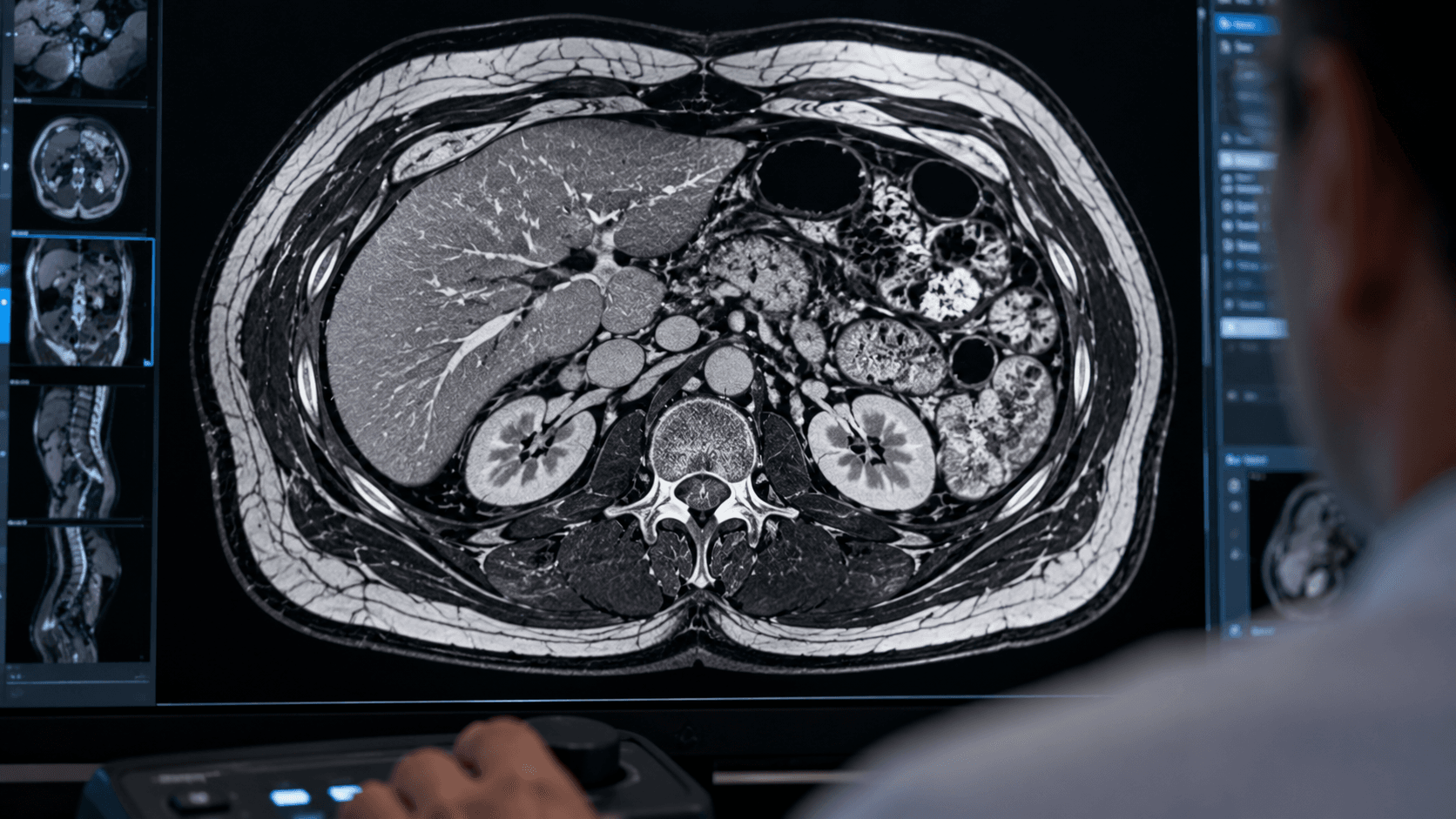
Home health measurements can reveal useful patterns about metabolic risk. A scale, tape measure, blood pressure monitor, glucose meter, activity tracker, sleep log, or body composition monitor may help you notice trends between clinic visits. These tools can support earlier conversations about insulin resistance, prediabetes, high blood pressure, cholesterol patterns, weight changes, and cardiovascular risk.
But home measurements do not diagnose metabolic syndrome, diabetes, heart disease, fatty liver disease, kidney disease, or hormone problems by themselves. Many important metabolic markers still require lab testing and clinical interpretation, including A1C, fasting glucose, triglycerides, HDL cholesterol, LDL cholesterol, liver enzymes, kidney function, and urine albumin.
This guide explains which home measurements can help you understand metabolic risk, what each one can and cannot reveal, and when to follow up with a clinician.
What Metabolic Risk Means
Metabolic risk refers to a pattern of factors that can raise the chance of developing conditions such as type 2 diabetes, heart disease, stroke, fatty liver disease, and kidney problems. The American Heart Association describes metabolic syndrome as a group of risk factors that can include high blood glucose, low HDL cholesterol, high triglycerides, large waist circumference, and high blood pressure.
A 2026 AHA/ACC/ADA/ASN guideline defines metabolic syndrome as the presence of 3 or more of the following: elevated waist circumference, low HDL cholesterol, triglycerides at or above 150 mg/dL, elevated blood pressure, and fasting blood glucose at or above 100 mg/dL.
Home measurements can track some of these factors directly, such as waist size and blood pressure. Others, such as triglycerides and HDL cholesterol, need lab testing.
Measurement 1: Waist Circumference
Waist circumference can provide information about central adiposity, or fat carried around the abdomen. This matters because abdominal fat patterns are linked with insulin resistance and cardiometabolic risk.
- Use a flexible tape measure.
- Measure at the same location each time.
- Stand relaxed and measure after a normal exhale.
- Track monthly rather than daily.
- Record the number with weight, blood pressure, and lab results when available.
NIDDK notes that extra fat around the waist can increase the risk for health problems and that BMI and waist size can help identify whether someone may have higher risk for obesity-related conditions such as diabetes, high blood pressure, and unhealthy cholesterol or triglyceride levels.
What Waist Circumference Can and Cannot Reveal
Waist size can show trends in abdominal size, but it cannot identify exactly how much visceral fat is present or diagnose insulin resistance. It also needs context: height, sex, ethnicity, age, pregnancy history, bloating, posture, muscle mass, and medical conditions can affect interpretation.
- A rising waist trend may suggest increasing metabolic risk.
- A falling waist trend may suggest reduced abdominal size.
- Waist size should be interpreted with blood pressure, glucose markers, cholesterol, activity, sleep, and family history.
Do not use waist size as a shame tool. Use it as one health marker among several.
Measurement 2: Body Weight Trend
Body weight is easy to track, but it is often overinterpreted. Daily weight can change because of water, salt, carbohydrate intake, bowel changes, menstrual cycle, travel, illness, exercise, and medication changes.
- Use the same scale.
- Weigh at the same time of day if tracking.
- Look at weekly or monthly trends rather than single readings.
- Track energy, sleep, strength, waist, and labs too.
- Stop frequent weighing if it increases anxiety or disordered eating patterns.
NIDDK explains that overweight and obesity may increase the risk of health problems, especially when extra fat is carried around the waist. It also lists high blood pressure, high blood cholesterol, and high blood glucose among conditions linked with excess weight.
What Weight Can and Cannot Reveal
Weight trend can help identify changes over time, but it does not show whether the change is fat, muscle, water, inflammation, food volume, or fluid retention.
- Weight gain may reflect fat gain, muscle gain, fluid, or medication effects.
- Weight loss may reflect fat loss, water loss, muscle loss, illness, under-fueling, or dehydration.
- Stable weight does not guarantee stable metabolic health.
- Metabolic risk can exist at many body sizes.
CDC notes that people do not have to have overweight or obesity to have insulin resistance, even though these are risk factors.
Measurement 3: Home Blood Pressure
Blood pressure is one of the most useful home measurements because high blood pressure often has no symptoms and is a major cardiovascular risk marker.
- Use an automatic upper-arm cuff when possible.
- Choose the correct cuff size.
- Sit quietly before measuring.
- Keep your feet flat, back supported, and arm supported at heart level.
- Record systolic, diastolic, pulse, date, time, and symptoms.
CDC advises people to talk with their health care team about measuring blood pressure at home and describes correct technique, including sitting with back supported, feet flat, arm supported at chest height, and the cuff on bare skin.
What Blood Pressure Can and Cannot Reveal
Home blood pressure can show whether readings are repeatedly above or below your target range, whether medication timing matters, and whether stress, sleep, pain, caffeine, or activity affects readings.
- Repeated high readings may suggest higher metabolic and cardiovascular risk.
- Repeated low readings with dizziness may need medication or hydration review.
- A single reading does not diagnose the whole problem.
- Blood pressure does not show cholesterol, glucose, kidney function, or plaque in arteries.
The American Heart Association includes high blood pressure as one of the five risk factors linked with metabolic syndrome.
Measurement 4: Resting Heart Rate
Resting heart rate can reflect fitness, stress, sleep, illness, caffeine, dehydration, medications, thyroid status, anemia, and heart rhythm changes. It is not a direct metabolic syndrome marker, but it can add context.
- Measure at rest, not right after activity.
- Track trends rather than single readings.
- Record illness, poor sleep, caffeine, alcohol, stress, and medication changes.
- Report symptoms such as palpitations, fainting, chest pain, or severe dizziness.
Resting heart rate is most useful when paired with how you feel and what is changing in your routine.
Measurement 5: Home Glucose Readings
Some people use a glucose meter or continuous glucose monitor because they have diabetes, prediabetes, gestational diabetes history, medication changes, or clinician-directed monitoring. Others use glucose devices for curiosity. The meaning depends heavily on the person and the timing.
- Fasting glucose can show morning patterns.
- After-meal glucose can show food and activity response.
- Readings can be affected by illness, stress, sleep, medications, exercise, and device technique.
- Home glucose readings should not replace lab testing when diagnosis is needed.
NIDDK lists A1C, fasting plasma glucose, and the 2-hour oral glucose tolerance test as recommended tests for identifying prediabetes.
What Glucose Readings Can and Cannot Reveal
Home glucose readings can show patterns, but they do not always diagnose diabetes or prediabetes by themselves.
- Repeated high readings should prompt clinical follow-up.
- Low readings with symptoms need prompt guidance, especially if using glucose-lowering medication.
- Normal readings do not rule out prediabetes if testing is incomplete or timing is limited.
- A1C and lab testing may still be needed.
CDC explains that A1C measures average blood sugar over the past 2 to 3 months, while blood sugar tests can also be used to detect diabetes and prediabetes.
Measurement 6: Body Composition Monitor Readings
Home body composition monitors often estimate body fat, lean mass, muscle mass, or body water using bioelectrical impedance. These estimates can be affected by hydration, meals, exercise, alcohol, temperature, and device equations.
- Use the same device under similar conditions.
- Avoid measuring right after exercise, sauna, alcohol, or large meals.
- Use 4- to 8-week trends rather than daily changes.
- Compare with waist, strength, activity, and lab markers.
Body composition monitors can be helpful for broad patterns, but they should not be treated as precise measures of visceral fat, insulin resistance, or disease risk.
Measurement 7: Activity and Step Trends
Activity level can influence weight, insulin sensitivity, blood pressure, triglycerides, HDL cholesterol, sleep, and mood. A step counter or activity tracker can help show whether daily movement is increasing or decreasing.
- Track steps or active minutes.
- Record strength training and aerobic activity separately.
- Look for patterns during workdays, weekends, travel, and illness.
- Use activity data to support gradual change, not guilt.
The American Heart Association says metabolic syndrome risk can be reduced by increasing physical activity, eating a heart-healthy diet, and working with a health care team to monitor and manage blood glucose, cholesterol, and blood pressure.
Measurement 8: Sleep Patterns
Sleep is not always treated like a metabolic measurement, but it should be part of the picture. Poor sleep and possible sleep apnea can affect blood pressure, glucose regulation, appetite, fatigue, and activity.
- Track sleep duration and sleep quality.
- Note snoring, pauses in breathing, morning headaches, or daytime sleepiness.
- Record caffeine, alcohol, stress, late meals, and screen habits.
- Ask about sleep apnea evaluation if symptoms are present.
Sleep tracking cannot diagnose sleep apnea. Symptoms such as loud snoring, witnessed pauses in breathing, and daytime sleepiness should prompt clinical discussion.
Measurement 9: Food Pattern and Alcohol Tracking
You do not need to track every calorie to understand metabolic risk. Simple pattern tracking can reveal useful information.
- How often meals include vegetables, fiber-rich carbohydrates, protein, and unsaturated fats
- How often sugary drinks, desserts, refined snacks, or large late meals occur
- Alcohol frequency and amount
- Restaurant and packaged food patterns
- Whether hunger, cravings, or binge episodes are present
Food logs should be used to identify patterns, not create shame. If tracking increases anxiety or disordered eating, stop and ask for support.
Measurement 10: Symptoms and Physical Clues
Some symptoms and physical changes can suggest metabolic issues, though they are not diagnostic by themselves.
- Increased thirst or frequent urination
- Blurred vision or unusual fatigue
- Skin darkening in folds, sometimes called acanthosis nigricans
- Irregular periods, acne, or excess hair growth that may suggest PCOS
- Snoring, daytime sleepiness, or morning headaches
- Right upper abdominal discomfort or abnormal liver labs when available
NIDDK lists conditions associated with insulin resistance, such as acanthosis nigricans, nonalcoholic steatohepatitis, and polycystic ovary syndrome, among diabetes risk factors.
Measurements That Still Require Lab Testing
Home measurements are useful, but they cannot replace lab work. Ask your clinician which labs fit your risk profile.
- A1C
- Fasting plasma glucose
- Oral glucose tolerance test when appropriate
- Lipid panel, including triglycerides, HDL, LDL, and total cholesterol
- Liver enzymes
- Kidney function, such as creatinine and eGFR
- Urine albumin-to-creatinine ratio when indicated
- Thyroid, PCOS, or hormone testing when symptoms suggest it
NIDDK states that A1C, fasting plasma glucose, and 2-hour oral glucose challenge testing are recommended methods to identify prediabetes. The AHA also describes low HDL cholesterol and high triglycerides as part of the metabolic syndrome risk-factor pattern.
Home Tools That May Help
A simple home metabolic-risk toolkit may include a tape measure, upper-arm blood pressure monitor, scale if appropriate, activity tracker or step counter, sleep log, symptom diary, and lab-result folder. Some people may also use a glucose meter, continuous glucose monitor, or body composition monitor if recommended or useful for their plan.
The most useful tool is the one that leads to a better question: “Should I check my A1C?” “Is my blood pressure repeatedly high?” “Are my triglycerides and HDL changing?” “Could sleep apnea be affecting my risk?” “Are my home readings reliable?”
Do not buy more devices if the next step is clearly a clinician visit or lab follow-up.
How to Build a Simple Weekly Dashboard
Keep the dashboard short enough to maintain.
- Weekly: average blood pressure if recommended, weight trend if appropriate, activity minutes, sleep average, and symptoms
- Monthly: waist circumference, body composition trend if used, and medication or supplement changes
- Every visit: lab results, medication list, family history updates, and questions
Highlight changes rather than tracking everything forever. A 3-month trend is often more useful than scattered daily numbers.
Common Mistake: Focusing Only on Weight
Weight is one marker, but metabolic risk is broader. Blood pressure, waist size, glucose, triglycerides, HDL cholesterol, sleep, activity, medications, family history, and symptoms all matter.
Do not assume weight loss automatically means metabolic health is improving.
Do not assume stable weight means risk is stable.
Common Mistake: Treating Home Devices as Diagnostic Tests
Home tools can reveal trends, but they do not diagnose metabolic syndrome or diabetes by themselves.
Use them to guide better follow-up.
Bring readings to a clinician and ask what lab testing is needed.
Common Mistake: Measuring Too Often
Daily or repeated checking can create anxiety and make normal fluctuations look like problems.
Measure on a schedule that fits the marker. Blood pressure may be checked more often if recommended. Waist size is usually better tracked monthly. Weight may be tracked weekly or daily depending on your plan and mental health.
If tracking increases stress or disordered eating, simplify it.
Common Mistake: Ignoring Technique
Bad technique creates bad data. A loose blood pressure cuff, a waist measurement taken in different locations, a scale on carpet, or a glucose reading taken with unwashed hands can mislead you.
Follow instructions and use consistent conditions.
Bring devices to visits when possible.
Common Mistake: Waiting for Symptoms
Metabolic risk can be silent. High blood pressure, prediabetes, and high triglycerides often do not cause obvious symptoms early.
CDC notes that a blood test is needed to find out whether someone has prediabetes or diabetes.
Use home measurements and routine labs to catch patterns earlier.
When to Talk to a Clinician
Talk to a clinician if home blood pressure readings are repeatedly high, waist size is increasing, glucose readings are repeatedly elevated, weight changes are unexplained, activity tolerance is declining, sleep apnea symptoms are present, or symptoms such as increased thirst, frequent urination, blurred vision, chest discomfort, shortness of breath, or severe fatigue occur.
You should also ask for guidance if you have a family history of type 2 diabetes, early heart disease, stroke, fatty liver disease, PCOS, gestational diabetes, kidney disease, or if you take medications that affect weight, glucose, blood pressure, appetite, or cholesterol.
A clinician may recommend A1C, fasting glucose, lipid panel, liver testing, kidney testing, urine albumin testing, blood pressure monitoring, sleep apnea evaluation, nutrition support, physical activity guidance, diabetes prevention programs, or medication in selected situations.
When to Seek Urgent or Emergency Care
Seek urgent or emergency care for chest pain or pressure, severe shortness of breath, fainting, stroke symptoms, confusion, severe weakness, severe dehydration, persistent vomiting, severe abdominal pain, or symptoms that feel life-threatening.
Seek prompt care for symptoms that could suggest very high blood sugar, such as extreme thirst, frequent urination, vomiting, abdominal pain, fruity-smelling breath, deep or rapid breathing, severe fatigue, or confusion.
Do not wait for a routine metabolic visit if symptoms suggest heart attack, stroke, severe hyperglycemia, dehydration, infection, or another emergency.
The Bottom Line
Home health measurements can reveal useful patterns about metabolic risk, especially waist circumference, blood pressure, weight trends, activity, sleep, glucose readings when recommended, and symptom changes. These measurements can help identify trends that deserve lab testing or clinical follow-up.
They cannot replace labs such as A1C, fasting glucose, triglycerides, HDL cholesterol, LDL cholesterol, liver enzymes, kidney function, and urine albumin when those tests are needed. They also cannot diagnose metabolic syndrome, diabetes, fatty liver disease, kidney disease, or heart disease by themselves.
The most common mistakes are focusing only on weight, treating home devices as diagnostic tests, measuring too often, ignoring technique, and waiting for symptoms.
Use home measurements to prepare for better visits. Bring your trends, not just single numbers, and ask which markers matter most for your risk profile.
Medical disclaimer: This content is for informational purposes only and is not a substitute for professional medical advice, diagnosis, metabolic syndrome evaluation, diabetes screening, blood pressure treatment, nutrition therapy, medication management, lab interpretation, cardiovascular care, liver care, kidney care, mental health care, or emergency care. Always consult your physician, primary care clinician, endocrinologist, registered dietitian, pharmacist, cardiologist, or qualified health provider before making decisions based on home health measurements. If you have chest pain, severe shortness of breath, fainting, stroke symptoms, confusion, persistent vomiting, severe abdominal pain, severe dehydration, or another emergency, seek urgent medical care right away.