Diabetes & Metabolic Health
Blood sugar, insulin resistance, weight, and bariatric care.
All Diabetes & Metabolic Health articles
47 articles
Medical Causes of Weight Change: Thyroid, Medications, Sleep, and More
When the scale moves for reasons that have nothing to do with what you're eating or how much you're exercising, your body may be sending a signal worth investigating.

Exercise With Type 1 Diabetes: Preventing Lows, Highs, and Ketones
A practical guide to exercising with type 1 diabetes, including glucose checks, carbohydrate planning, insulin timing, ketone safety, and when to stop

Meal Timing, Sleep, and Strength Training: A Practical Insulin Resistance Plan
A practical guide to building an insulin resistance plan around consistent meals, better sleep, strength training, and safer metabolic tracking

Reintroducing Carbs After Keto: How to Watch Symptoms and Weight Rebound
A practical guide to adding carbohydrates back after keto, tracking symptoms without panic, and knowing when weight regain or glucose changes need medical review

Body Composition After Bariatric Surgery: Muscle Loss vs Fat Loss
A practical guide to understanding body composition changes after bariatric surgery, protecting muscle, and knowing when weight loss needs medical review

A High Cholesterol Result With No Symptoms: Why It Still Matters
A practical guide to understanding why high cholesterol can matter even when you feel fine, which numbers to review, and what to ask next
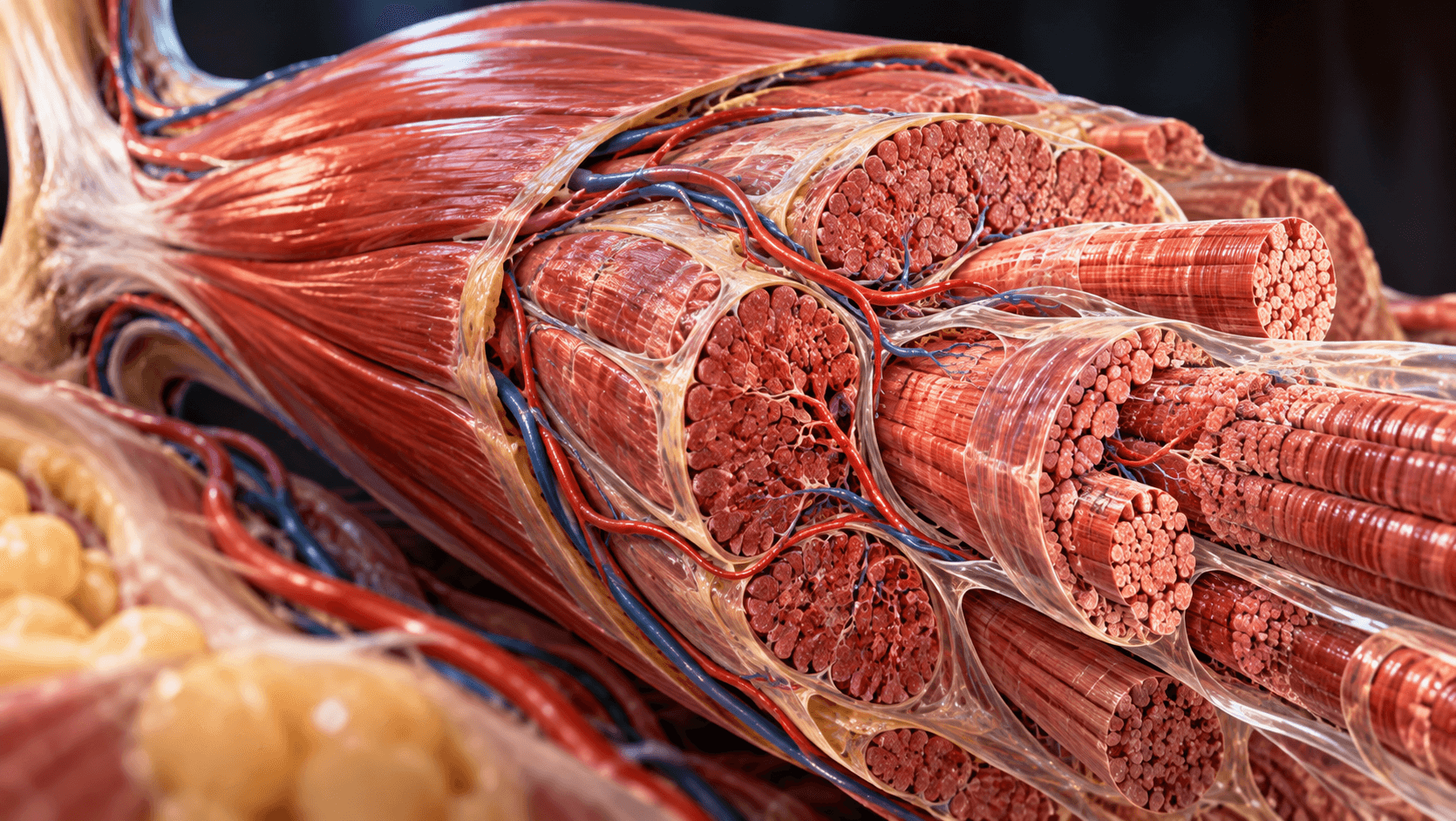
Metabolic Syndrome in Midlife: Why Prevention Still Works
A practical guide to understanding metabolic syndrome in midlife, which numbers matter, and why prevention can still lower future heart and diabetes risk

At-Home Metabolic Tracking for Type 2 Diabetes: Devices, Tests, and Safety Tips
A practical guide to tracking glucose, blood pressure, weight, symptoms, and lab markers at home without confusing data for diagnosis

Body Composition Monitors and BCAA Supplements for Sarcopenia: What Helps, What Doesn't, and When to Stop
A practical guide to tracking muscle health, comparing body composition tools, understanding BCAA supplement limits, and knowing when to seek care

Ketone Monitors for Type 1 Diabetes and DKA: Features That Matter for Home Tracking
A practical guide to choosing ketone monitoring tools for type 1 diabetes, using them during illness or high glucose, and knowing when to seek urgent care

Metabolic Health Measures Beyond the Scale
Your weight is just one data point. Here's what else matters—and why.
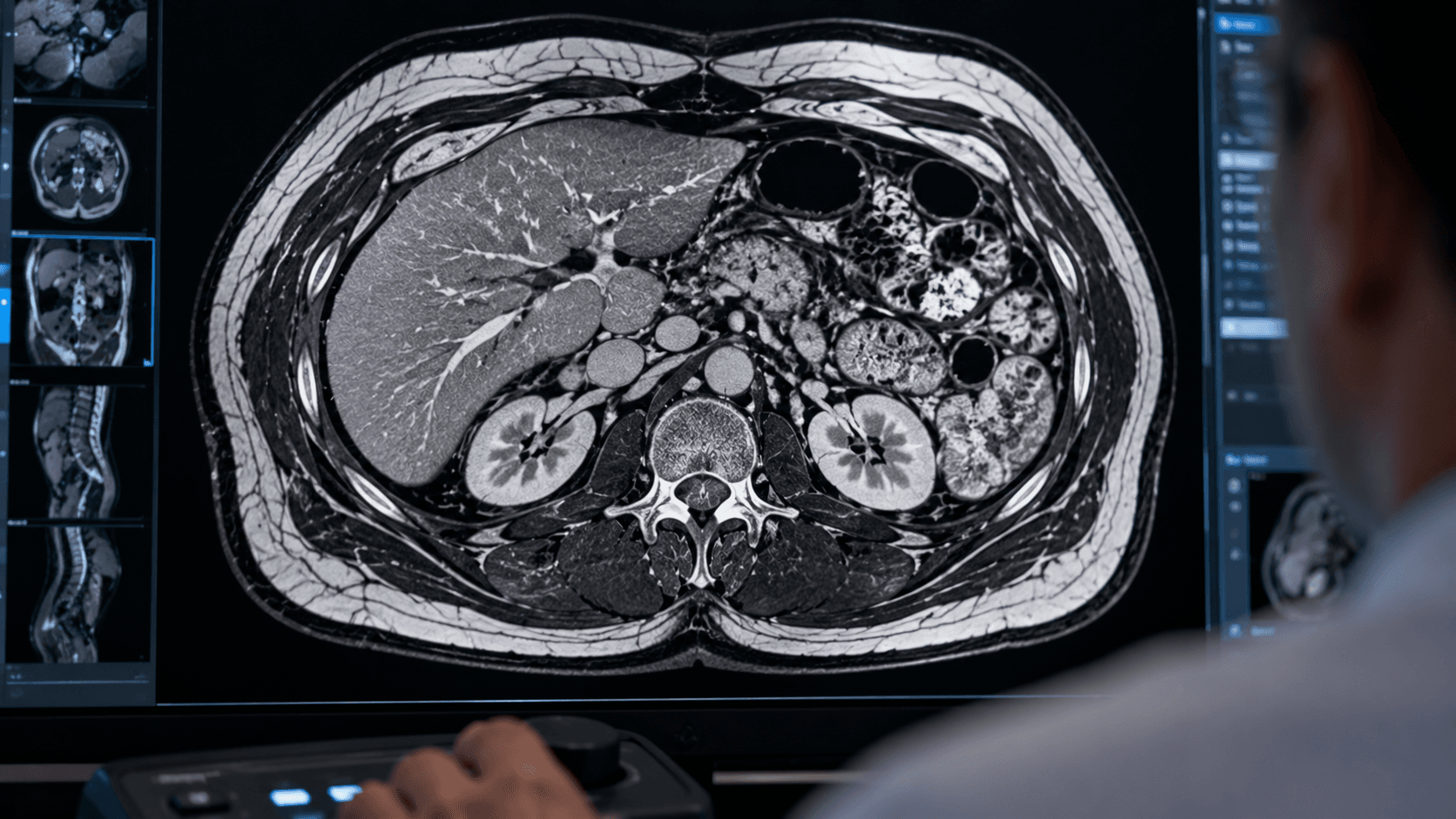
What Home Health Measurements Can Reveal About Metabolic Risk
A practical guide to the home measurements that can help you understand metabolic risk, what they cannot diagnose, and when to follow up with a clinician

Understanding Ketone Readings and Body Composition Changes
A practical guide to what ketone readings can show, why body composition can change on low-carb diets, and when results need medical follow-up

Key Metabolic Markers to Understand With Insulin Resistance
A practical guide to the blood tests, measurements, and warning signs that can help you understand insulin resistance and metabolic risk

At-Home Metabolic Tracking for Bariatric Follow-Up: Devices, Tests, and Safety Tips
After weight-loss surgery, staying connected to your metabolic health between clinic visits can make a real difference — here's how to do it safely.

How to Track Weight, Blood Pressure, and Metabolic Markers for Type 2 Diabetes
Type 2 diabetes, weight tracking, blood pressure, A1C, glucose monitoring, cholesterol, triglycerides, kidney health, medications, lifestyle habits, and metabolic risk

How to Track Weight, Blood Pressure, and Metabolic Markers for Type 1 Diabetes and DKA
Knowing which numbers to watch—and what they mean—can help people with Type 1 diabetes stay ahead of serious complications like diabetic ketoacidosis.

How Diabetes Affects Your Teeth, Gums, and Oral Health
The connection between blood sugar and your mouth is stronger than most people realize — here's what to know and how to protect yourself.

Obesity and Overweight Tracking Log: What to Record at Home and What to Bring to Visits
A practical guide to tracking weight-related health patterns, home measurements, daily habits, symptoms, medications, and lab results before your next visit

Understanding the Health Risks of Metabolic Syndrome
What this cluster of conditions means for your body — and why catching it early matters

What to Ask Your Clinician About Bariatric Follow-Up: A Practical Visit Checklist
Walking into your post-surgery appointments prepared can make a real difference in your long-term health outcomes.

Type 2 Diabetes Risk-Reduction Checklist: Food, Movement, Sleep, and Follow-Up
Understanding how daily habits, screening, and follow-up can help lower the risk of type 2 diabetes and related complications

Bariatric Follow-Up Tracking Log: What to Record at Home and What to Bring to Visits
A practical guide to tracking weight-loss surgery recovery, nutrition, symptoms, supplements, labs, medications, and daily habits between bariatric visits
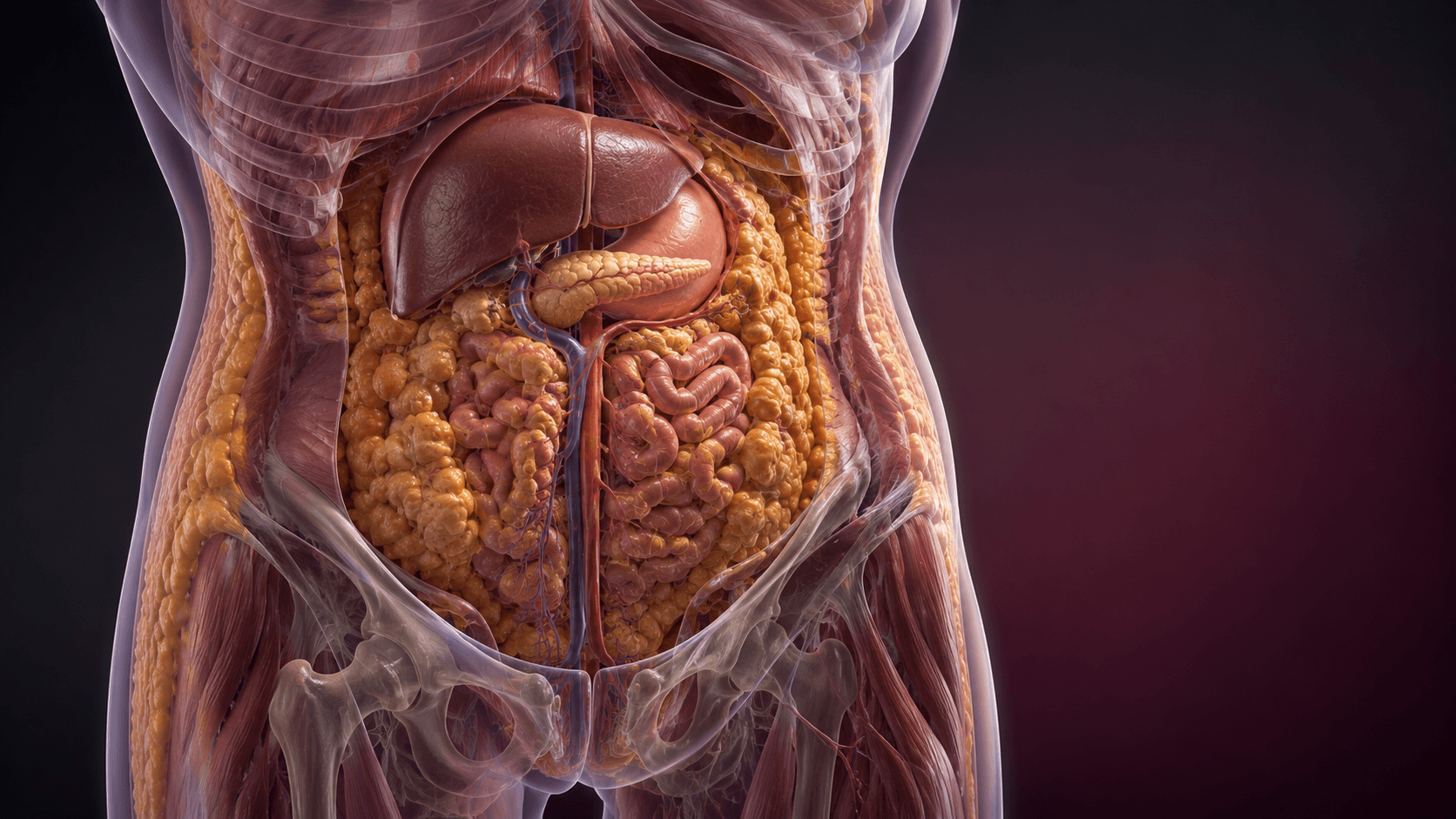
Metabolic Syndrome Care Guide: Labs, Measurements, and Follow-Up Questions
A practical guide to the numbers, labs, measurements, and clinician questions that help track metabolic syndrome risk and progress

Type 2 Diabetes: Key Numbers, Symptoms, and Risk Factors
Understanding your blood sugar, recognizing early warning signs, and knowing what raises your risk can help you take action sooner.

Obesity and Overweight: A Plain-English Guide to Labs, Measurements, and Warning Signs
Understanding BMI, waist size, body composition, blood pressure, cholesterol, blood sugar, and the signs that weight may be affecting health

Ketogenic Diet Risk-Reduction Checklist: Food, Movement, Sleep, and Follow-Up
Understanding how to approach a ketogenic diet more safely, which risks to watch for, and when medical follow-up is important

How to Lower Your Risk of Obesity and Overweight Complications
Practical, evidence-informed steps that can help protect your health, wherever you're starting from.

Type 1 Diabetes and DKA Care Guide: Labs, Measurements, and Follow-Up Questions
Understanding the key tests, body measurements, and conversations that help people with Type 1 diabetes and their care teams stay ahead of diabetic ketoacidosis.

Weight Management and Metabolic Health: Key Numbers to Track Over Time
Beyond the scale: the metabolic markers that give you a fuller picture of your health
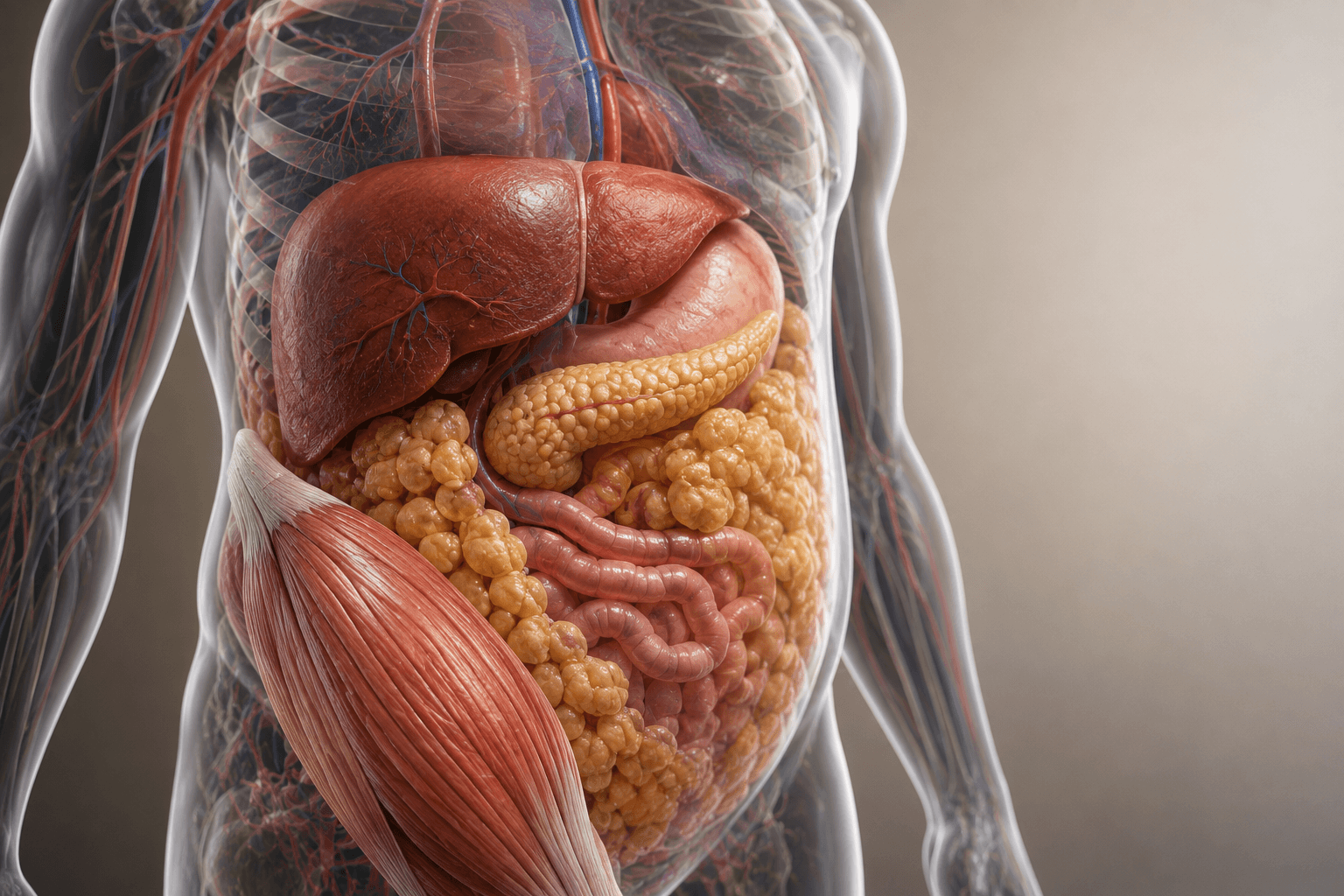
Metabolic Syndrome Risk-Reduction Checklist: Food, Movement, Sleep, and Follow-Up
Understanding the key numbers behind metabolic syndrome and the daily habits that may help lower long-term risk

Slow Healing, Mouth Infections, or Sensitive Gums? Dental Red Flags in Diabetes
People with diabetes face a higher risk of serious oral health problems, and the mouth may show warning signs before you realize anything is wrong.

Bariatric Follow-Up Risk-Reduction Checklist: Food, Movement, Sleep, and Follow-Up
A practical guide to protecting your health after weight-loss surgery: nutrition, physical activity, sleep, and ongoing medical care.

Oral Health in Diabetes Prevention: A Practical Checklist
How brushing, flossing, staying hydrated, and seeing your dentist regularly may support your metabolic health

Type 2 Diabetes: What Your Doctor Doesn't Have Time to Explain
A complete, plain-language guide to understanding insulin resistance, A1C targets, and how to build a daily routine that keeps numbers stable.
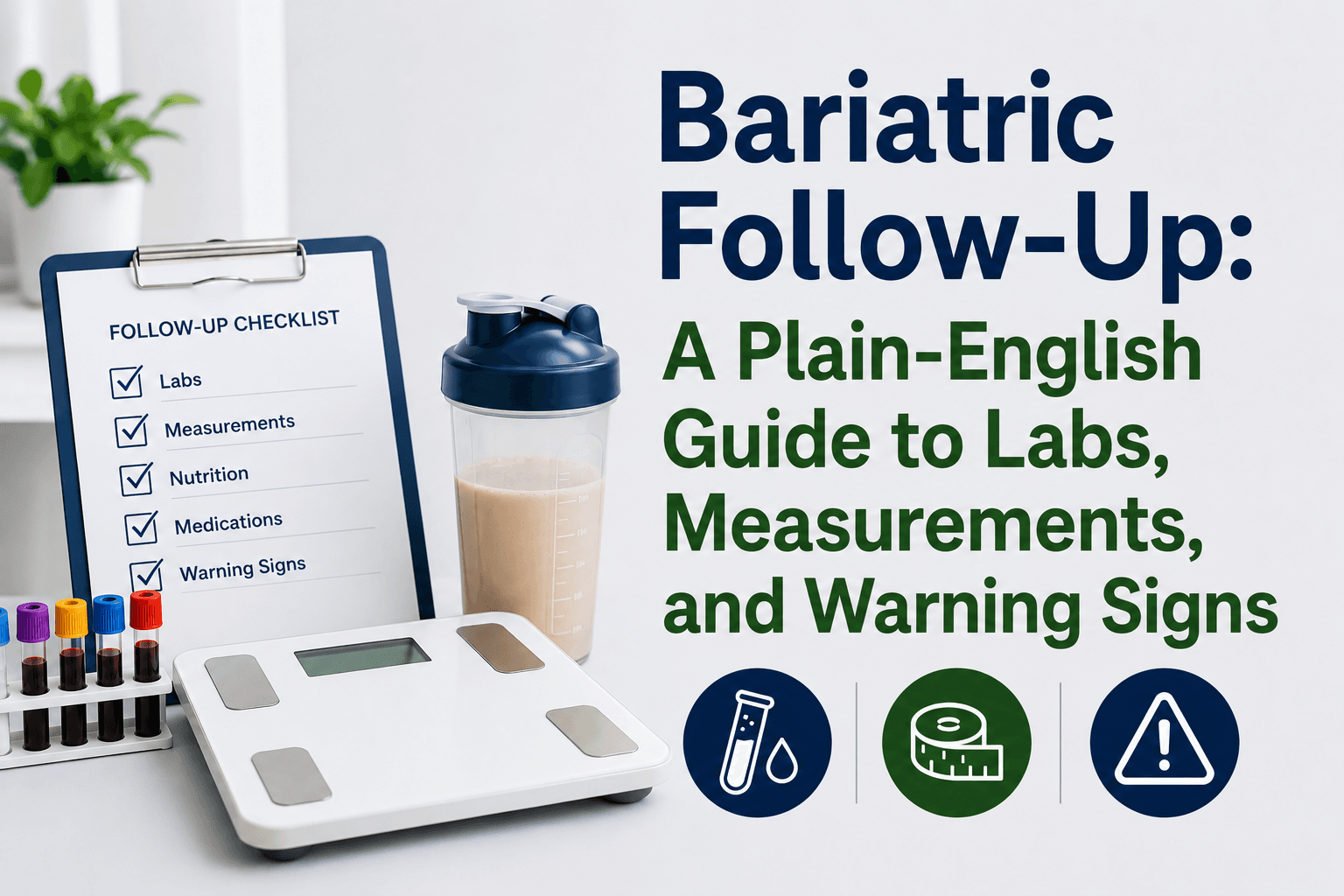
Bariatric Follow-Up: A Plain-English Guide to Labs, Measurements, and Warning Signs
Understanding the essential monitoring and care needed after weight loss surgery

Insulin Resistance: Key Numbers, Symptoms, and Risk Factors
Understanding the warning signs and health markers that may signal insulin resistance

How Doctors Track Type 2 Diabetes Over Time
From A1C tests to kidney checks, here's what your care team is watching — and why it matters
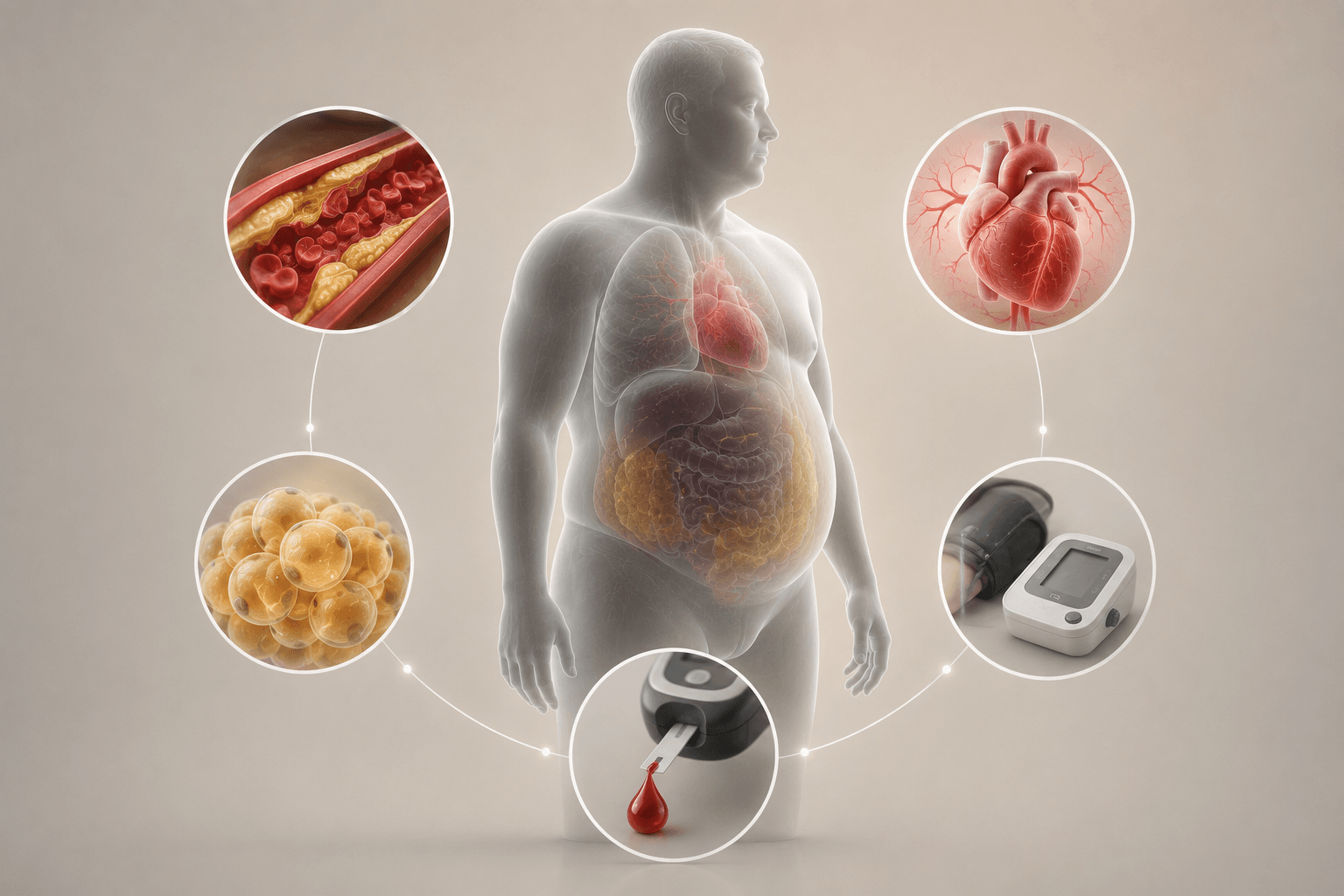
Metabolic Syndrome: Key Numbers, Symptoms, and Risk Factors
Understanding the blood pressure, blood sugar, cholesterol, triglyceride, and waist measurements that may signal higher metabolic risk

What to Ask Your Doctor About Obesity and Overweight: A Practical Visit Checklist
A practical checklist of questions to bring to a weight-related health visit so you can understand your numbers, risk factors, treatment options, and next steps

Oral Health in Diabetes: Signs, Causes, and When to See a Dentist
People living with diabetes face a higher risk of gum disease, dry mouth, and other dental problems. Here's what to watch for, and why your mouth matters for your overall health.

Type 1 Diabetes and DKA: Key Numbers, Symptoms, and Risk Factors
Understanding the blood sugar and ketone numbers that matter, early DKA symptoms, and when high glucose becomes an emergency

Insulin Resistance Tracking Log: What to Record at Home and What to Bring to Visits
A practical guide to tracking the home habits, measurements, symptoms, and lab results that help guide insulin resistance follow-up
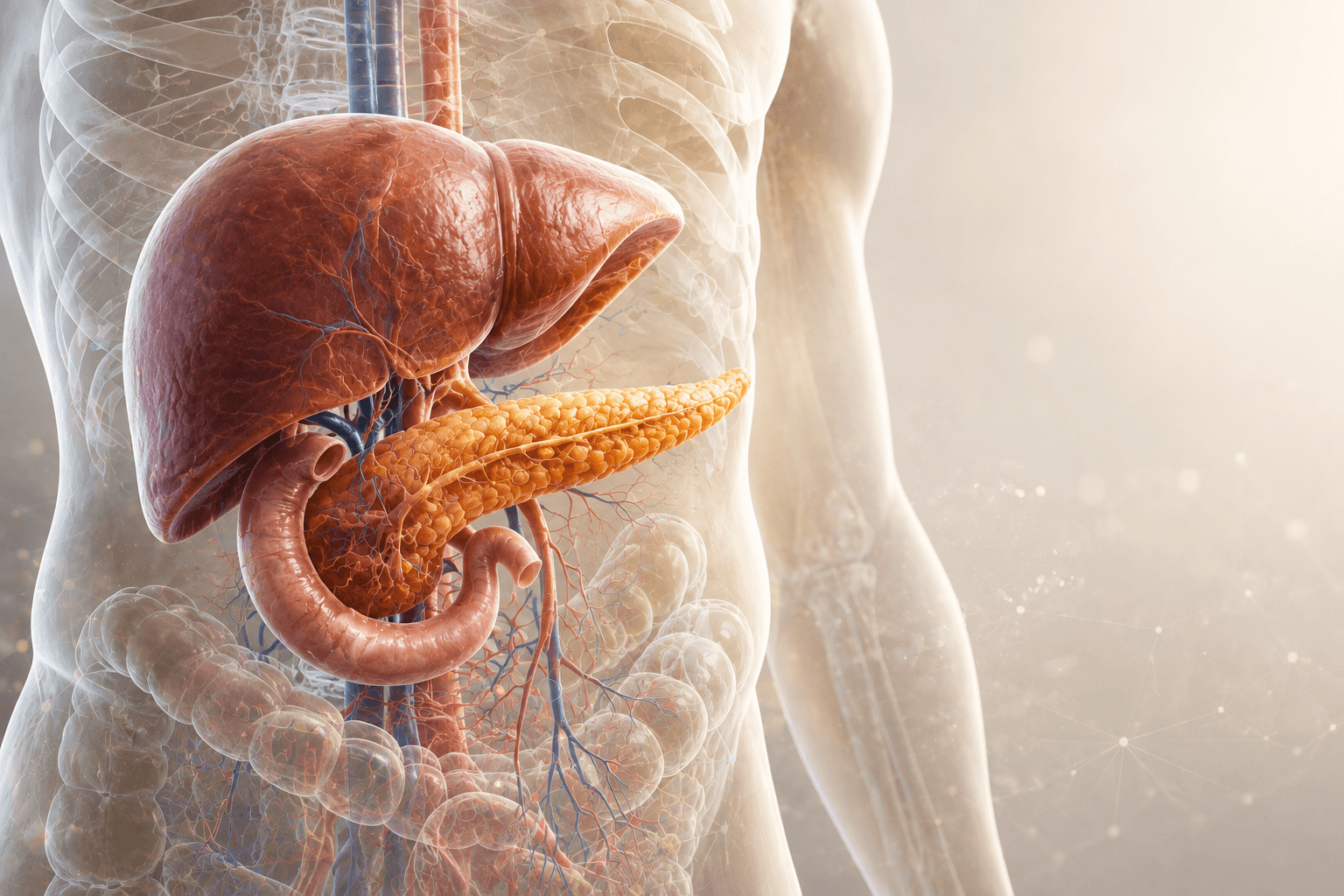
How to Lower Your Risk of Insulin Resistance Complications
Understanding how insulin resistance affects the body, which numbers to monitor, and which habits may help lower long-term risk

How to Lower Your Risk of Type 1 Diabetes and DKA Complications
Understanding what can and cannot be prevented in type 1 diabetes, how to reduce DKA risk, and when high ketones need urgent care

How to Improve Weight Management Safely Without Overtraining
Sustainable results come from finding the right balance, not from pushing your body to its limits every day.

What to Ask Your Clinician About Insulin Resistance: A Practical Visit Checklist
A practical checklist of questions to bring to an insulin resistance visit so you can understand your numbers, risk factors, treatment options, and follow-up plan