All Mental Health & Sleep articles
15 articles
Making Sleep Apnea Treatment Livable: Mask Fit, Cleaning, and Bedtime Routines
CPAP therapy works — but only if you actually use it. Here's how to build habits that make treatment feel less like a chore and more like a routine.

When Sleep Apnea Symptoms Need Re-Evaluation
Already diagnosed with sleep apnea? Here's why ongoing symptoms may be a sign your treatment plan needs a second look.

How Home Support Tools Fit Into Depression Care
Apps, routines, and wellness devices can play a real role in managing depression—but they work best alongside professional treatment, not instead of it.

Understanding Oxidative Stress Over Time
What happens inside your cells as the years pass — and what the science says about protecting them
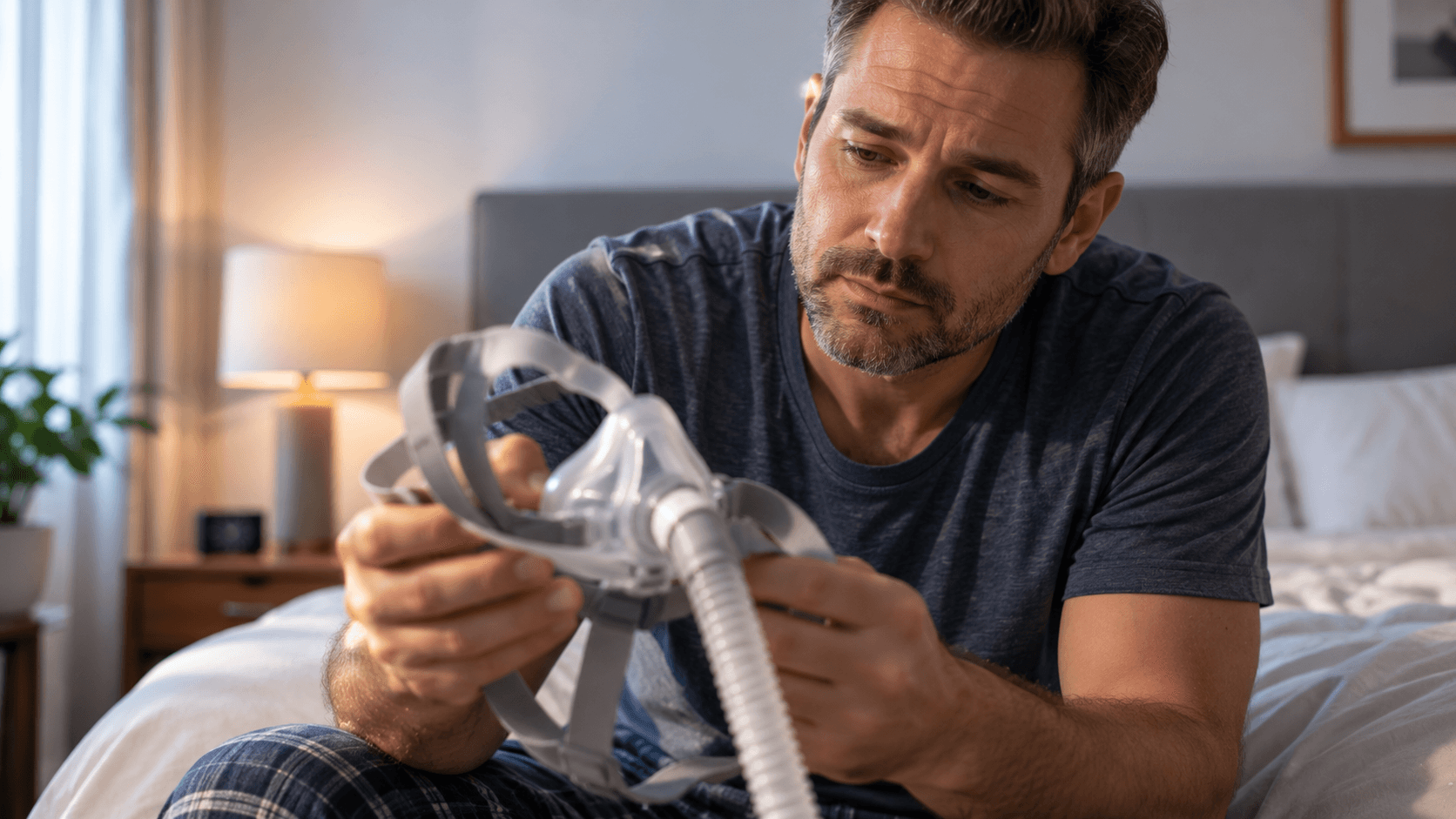
Sleep Apnea: What to Ask Your Doctor About Snoring, Fatigue, and Better Sleep
Loud snoring and daytime exhaustion can be easy to brush off, but they may point to a treatable condition worth discussing with your clinician.

Anxiety and blood pressure: are you measuring stress or a real problem?
White-coat syndrome is real. Learn how to get accurate readings at home and when high numbers actually warrant concern.
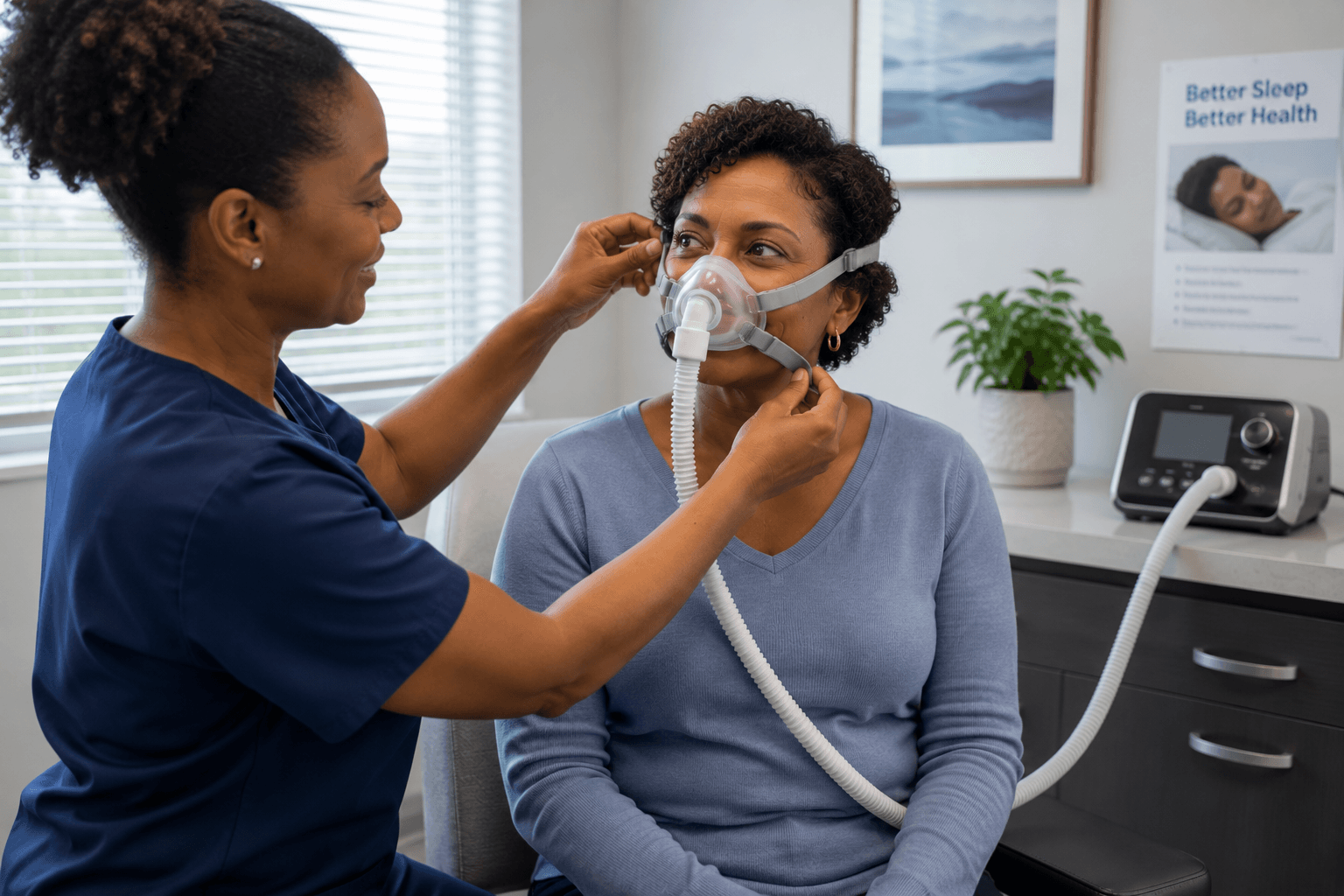
How to Prevent Sleep Apnea Flare-Ups and Respiratory Complications
Practical, evidence-informed strategies to help you breathe easier at night and protect your long-term health
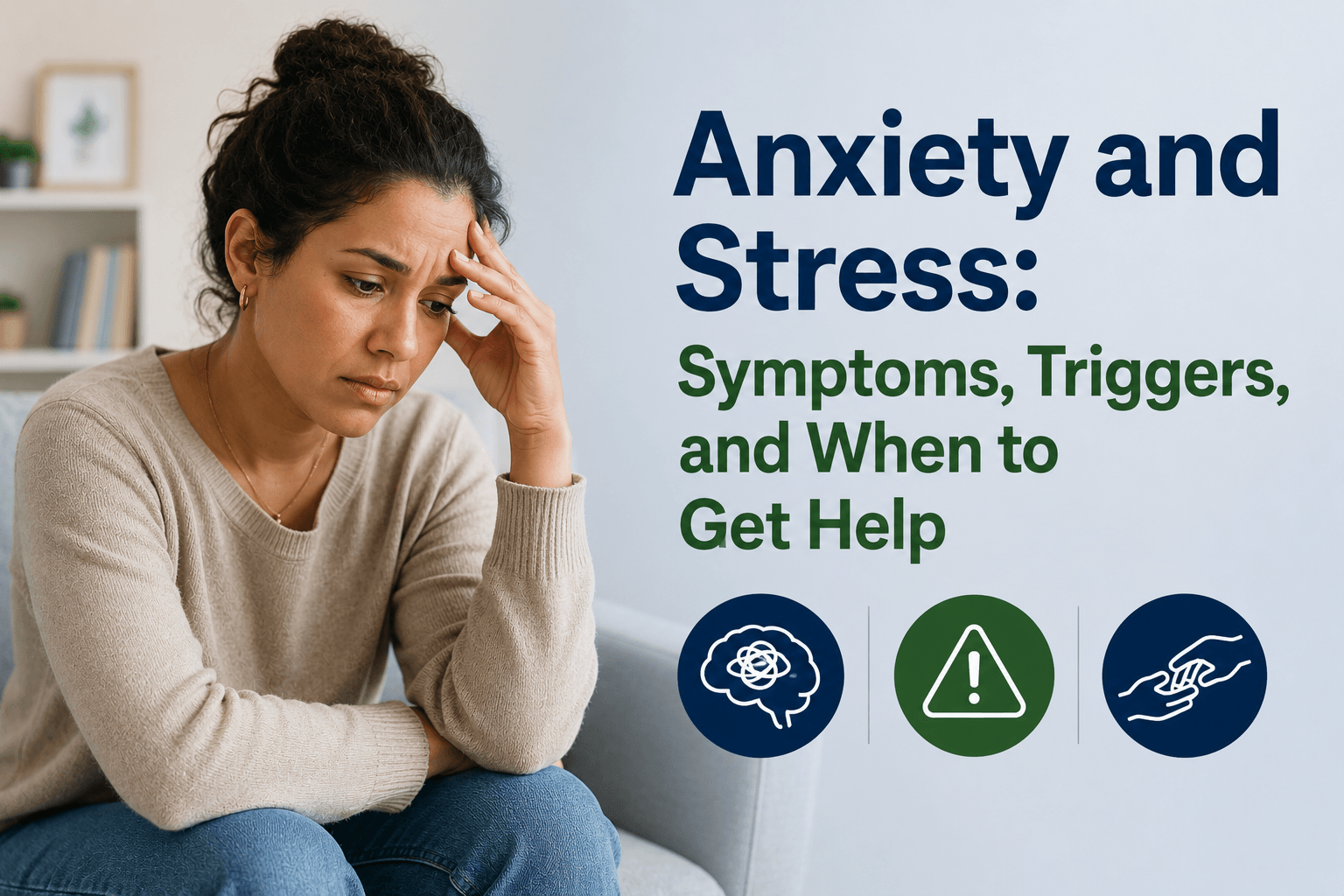
Anxiety and Stress: Symptoms, Triggers, and When to Get Help
Understanding the difference between normal stress and anxiety disorders can help you recognize when professional support may be beneficial

How to Reduce Anxiety and Stress Flare-Ups and Safety Risks
Practical, evidence-informed strategies to calm your nervous system, prevent escalation, and stay safer when stress peaks
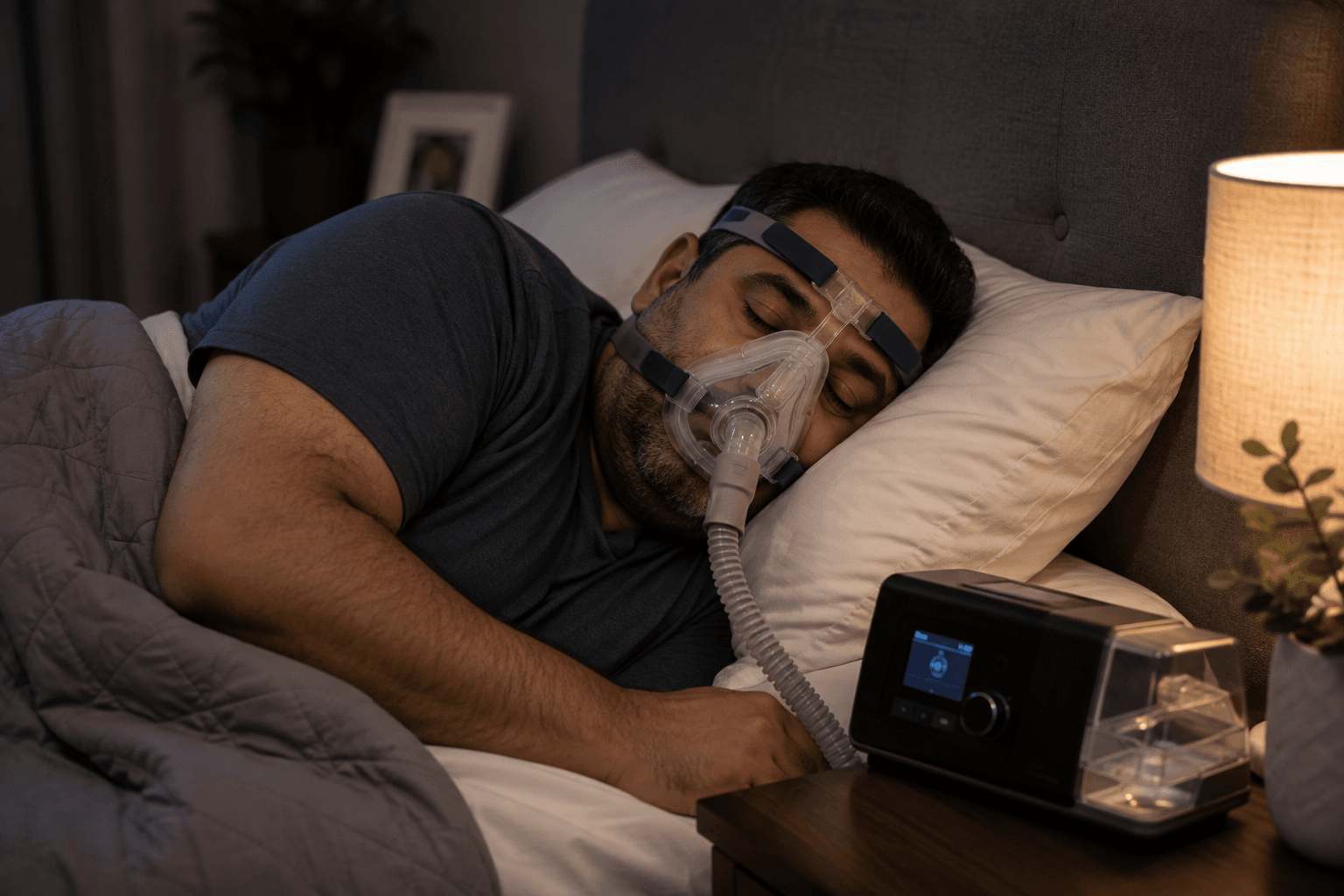
Sleep Apnea: Symptoms, Triggers, and When Breathing Changes Need Care
Interrupted sleep isn't always just restlessness. It can point to a condition that affects breathing, rest, and long-term health.

Anxiety and Stress Care Guide: Tracking Symptoms, Medications, and Follow-Up
A practical roadmap for understanding your anxiety, staying on top of treatment, and knowing when to reach out to your care team
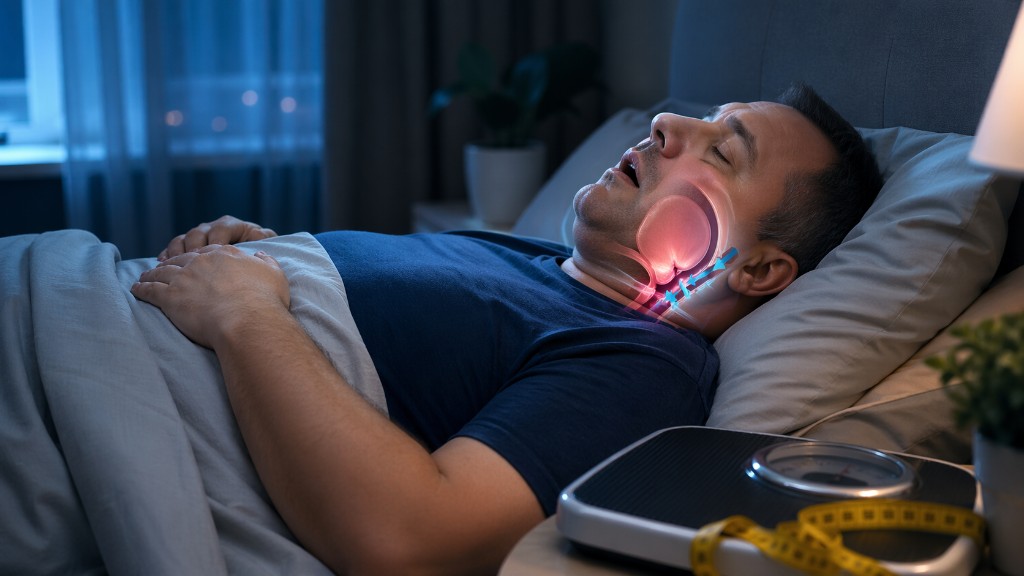
Sleep apnea and weight: the cycle nobody talks about
How sleep disruption drives weight gain, and how weight gain worsens sleep apnea. Plus practical strategies to break the loop.

Depression Support: Symptoms, Triggers, and When to Get Help
Understanding what depression looks and feels like, and how to take the next step toward feeling better.

Anxiety and Stress Symptom Tracker: What to Record Before Your Next Visit
Walking into your appointment with a clear picture of your symptoms can help your clinician help you faster. Here's exactly what to write down.

How to Reduce Depression Flare-Ups and Stay Safer Between Episodes
Practical, evidence-informed strategies to help you recognize warning signs early, build a safety plan, and work with your care team to protect your well-being.