Heart & Cardiovascular
Blood pressure, heart rhythm, cholesterol, and stroke prevention.
All Heart & Cardiovascular articles
52 articles
Why Pulse and Blood Pressure Do Not Always Match in AFib
A practical guide to understanding why pulse and blood pressure readings can look confusing in AFib, what to track, and when symptoms need care

Salt Sensitivity and Blood Pressure: How to Test Your Own Patterns Safely
Not everyone's blood pressure responds to sodium the same way. Here's what salt sensitivity means, why it matters, and how to explore your own patterns with your doctor's guidance.

Daily Weight in Heart Failure: When a Change May Matter
A practical guide to daily weight tracking in heart failure, including which changes may signal fluid buildup and when to call the care team

Heat, Illness, and Low Blood Pressure: How to Plan Safer Days
If you live with hypotension or a chronic condition, hot weather demands extra planning — here's what to know before the temperature climbs.

Blood Pressure After Stroke: Which Readings Belong in the Follow-Up Note
A practical guide to organizing home blood pressure readings after stroke so follow-up visits focus on patterns, symptoms, medication timing, and safety

Pulse, Skin Changes, and Walking Distance: PAD Clues to Track at Home
A practical guide to tracking leg symptoms, walking limits, foot changes, and warning signs that may suggest peripheral artery disease needs medical care

Blood Pressure Monitors for Stroke Recovery and Post-Stroke Care: How to Choose and Use Them Safely
A practical guide to choosing a home blood pressure monitor after stroke, measuring correctly, tracking patterns, and knowing when readings or symptoms need urgent care

Pulse Oximeters and Leg Supports for Peripheral Artery Disease (PAD): How to Choose and Use Them Safely
Understanding the right tools can help you monitor your circulation and stay comfortable — but knowing their limits is just as important.

Blood Pressure Monitors for Low Blood Pressure (Hypotension): How to Choose and Use Them Safely
If dizziness or fainting has you wondering about your readings, here's what to look for in a home monitor—and how to get accurate results.

Hypertension and Heart Health Beyond a Single Blood Pressure Reading
A practical guide to understanding blood pressure patterns, heart-risk context, home monitoring, and when readings or symptoms need medical follow-up
Understanding Heart Risk Beyond Cholesterol Numbers
Your LDL result is just one piece of a much larger puzzle. Here's what else your doctor may be looking at — and why it matters.

At-Home Heart Monitoring for Heart Failure (CHF): Features, Safety Tips, and Follow-Up
A practical guide to choosing heart failure monitoring tools, tracking daily changes safely, and knowing when symptoms need medical attention

Blood Pressure Monitors and Pulse Oximeters for Coronary Artery Disease: How to Choose and Use Them Safely
Coronary artery disease, CAD, blood pressure monitors, pulse oximeters, oxygen saturation, heart rate, home monitoring, chest pain, shortness of breath, medication tracking, and safety tips

At-Home Heart Monitoring for Atrial Fibrillation (AFib): Features, Safety Tips, and Follow-Up
Atrial fibrillation, AFib, at-home heart monitoring, pulse tracking, wearable ECG, smartwatch alerts, blood pressure monitors, heart rate, symptoms, anticoagulants, and follow-up care

How to Track Blood Pressure, Pulse, and Symptoms With Stroke Recovery and Post-Stroke Care
A practical guide to tracking blood pressure, pulse, symptoms, medications, recovery changes, and warning signs after a stroke

How to Track Blood Pressure, Pulse, and Symptoms With Peripheral Artery Disease (PAD)
Monitoring the right numbers at home can help you and your care team spot changes early and manage PAD more effectively.

How Pulmonary Hypertension Affects Breathing and Circulation
High blood pressure in the lungs is different from everyday hypertension — and understanding how it disrupts the heart and lungs can help you recognize warning signs earlier.

Blood Pressure Patterns and Symptoms of Low Blood Pressure (Hypotension)
Understanding how hypotension feels, why it happens, and when to talk to a doctor
Blood Pressure Trends and What They May Mean
A single reading tells you surprisingly little. Here's why tracking patterns over time matters far more.

High Cholesterol Tracking Log: What to Record Daily, Weekly, and During Symptoms
High cholesterol, LDL cholesterol, HDL cholesterol, triglycerides, lipid panel tracking, statins, medication side effects, blood pressure, lifestyle habits, and heart attack or stroke warning signs

Heart Failure at Home: How to Track Weight, Edema, and Exercise Tolerance
Simple daily monitoring habits can help you and your care team catch warning signs early — before a hospital visit becomes necessary.

Your Cholesterol Numbers Are High. Now What? A Clinician Visit Checklist
High cholesterol, LDL, HDL, triglycerides, ApoB, lipoprotein(a), ASCVD risk, statins, lifestyle changes, and follow-up questions
Heart Failure (CHF) Prevention Checklist: Home Habits, Screening, and Follow-Up
Understanding daily habits, key health numbers, screening conversations, and warning signs that may help lower heart failure risk

Heart Failure (CHF): Symptoms, Risk Factors, and When to Check Your Numbers
Understanding congestive heart failure: what it is, how it develops, and the warning signs that mean it's time to talk to a doctor.
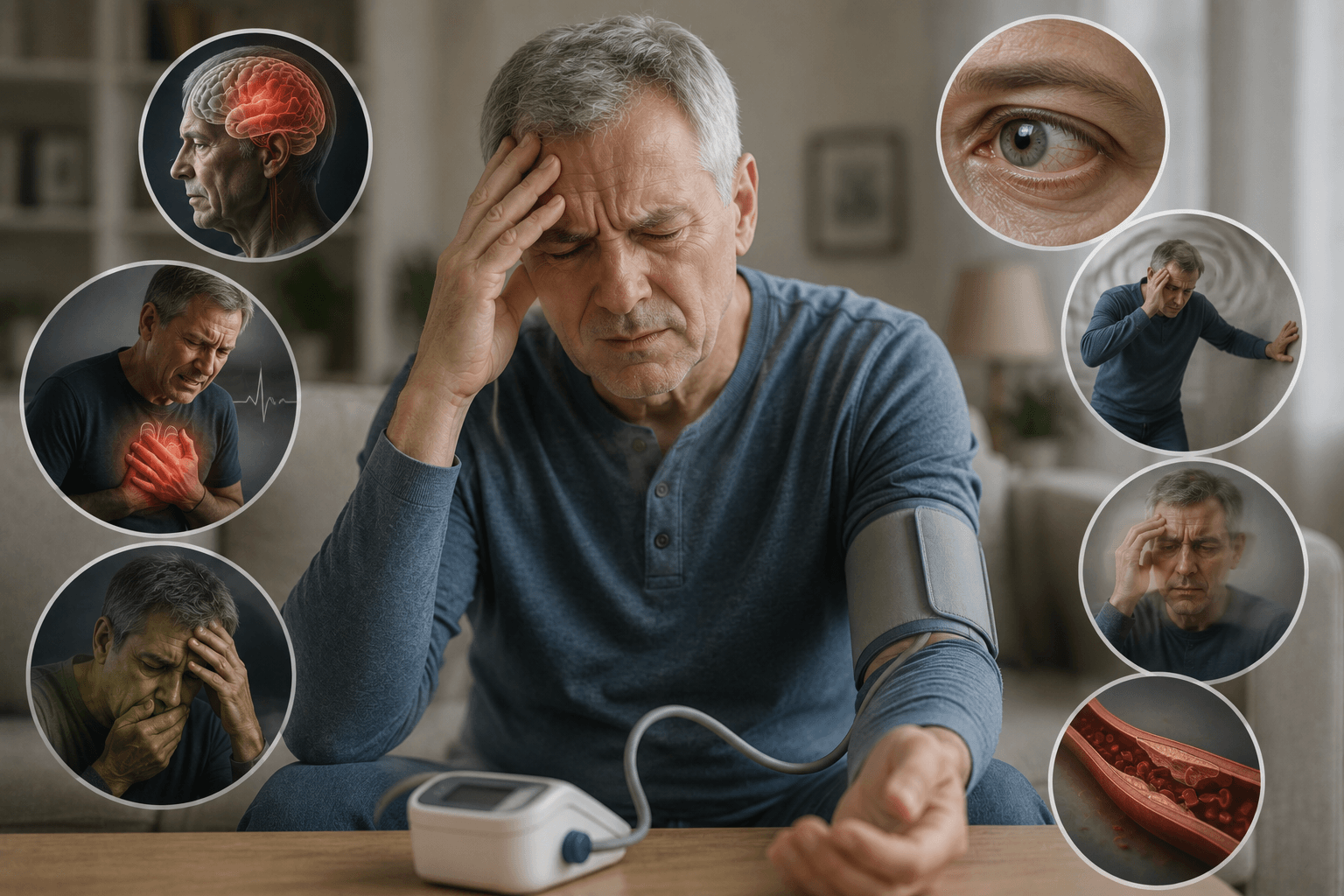
High Blood Pressure (Hypertension): Symptoms You Should Not Ignore
Hypertension is often called the "silent killer," but your body sometimes does send warning signals. Here's what to watch for and when to act.
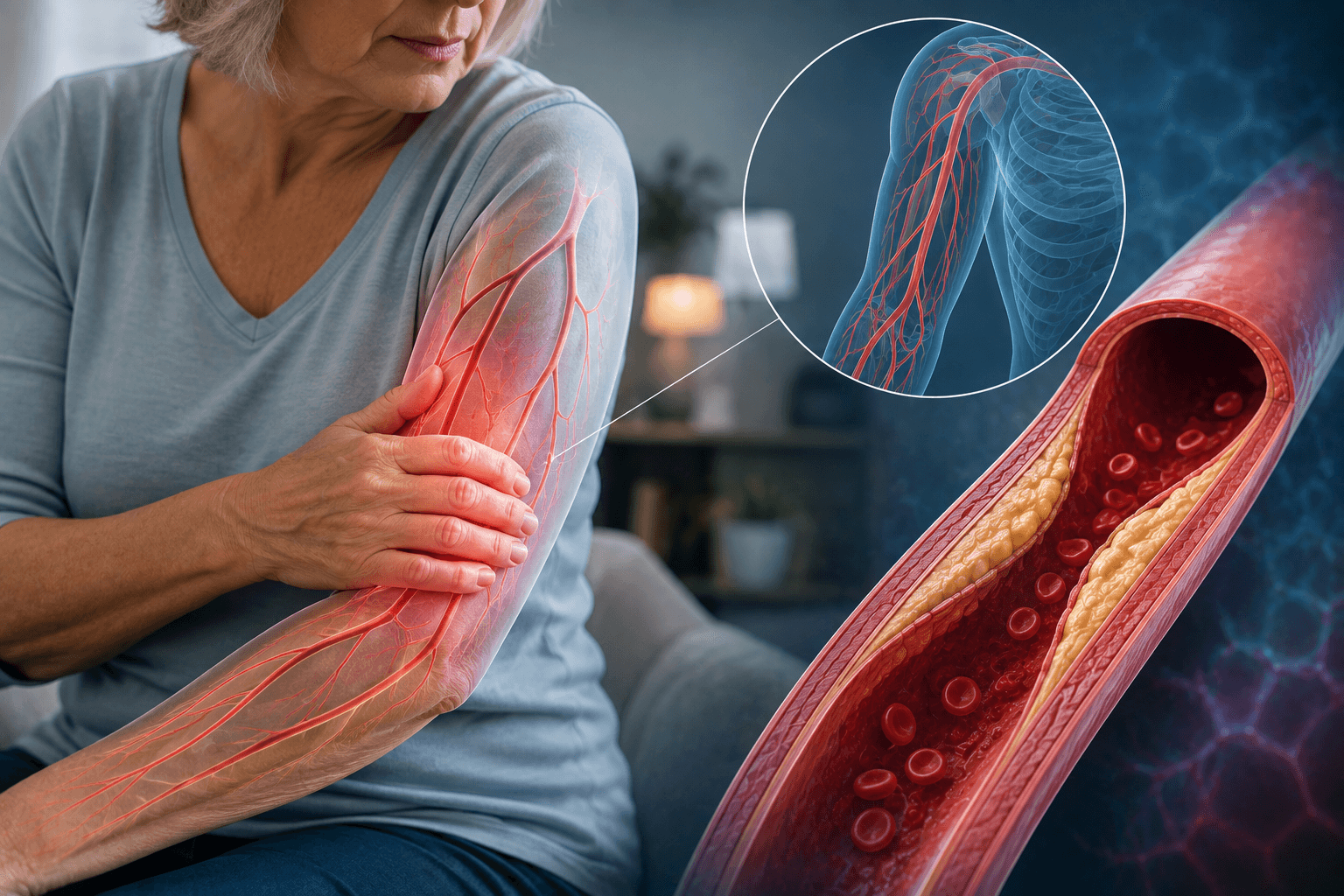
Peripheral Artery Disease (PAD) Red Flags: Symptoms You Should Not Ignore
PAD is underdiagnosed and underestimated, but catching it early can protect your legs, your heart, and your life.

What to Ask Your Doctor About Atrial Fibrillation (AFib): A Patient Checklist
A practical checklist of questions to bring to an AFib appointment so you can understand your diagnosis, treatment options, stroke risk, and next steps
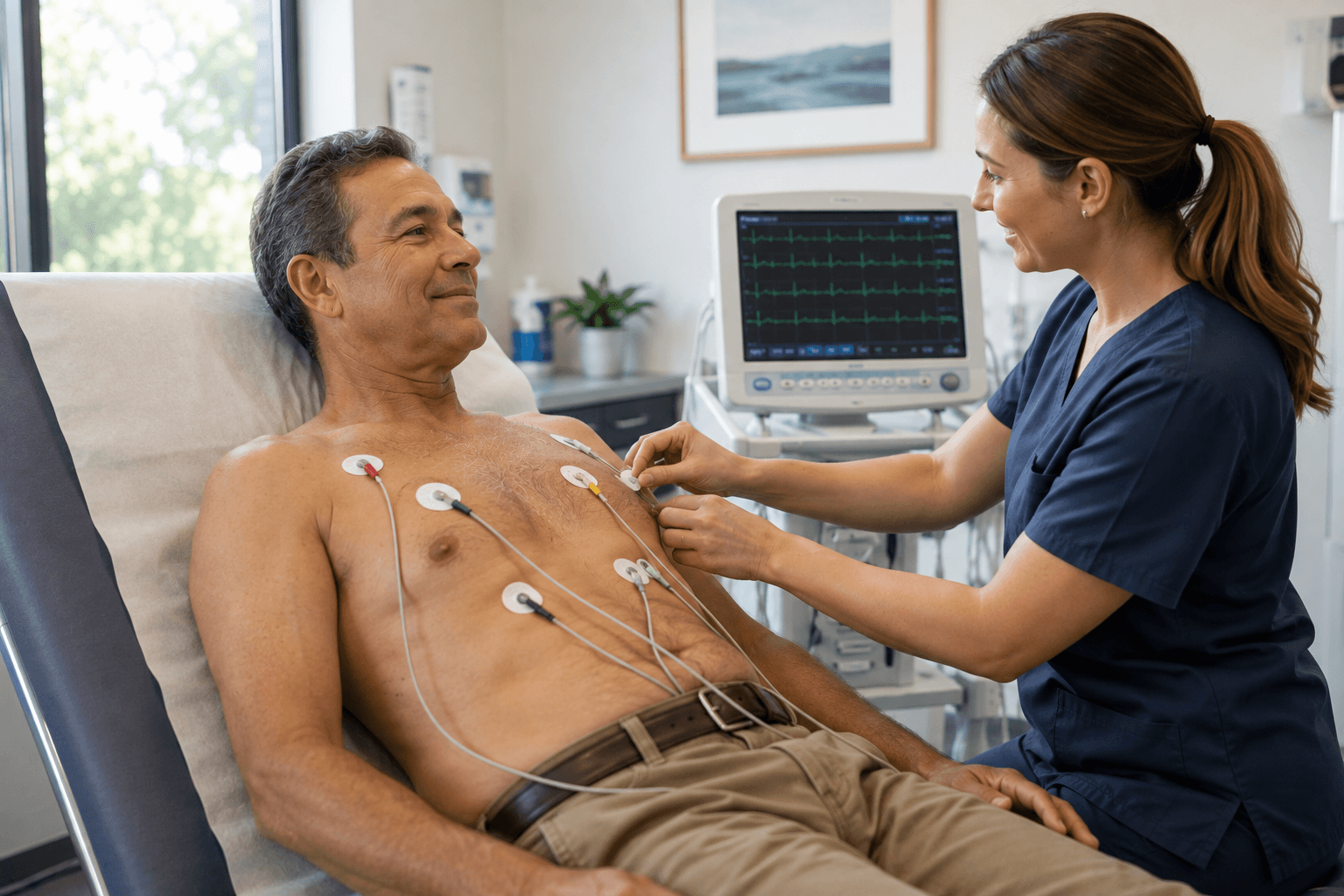
Stroke Recovery and Post-Stroke Care: Heart-Healthy Habits That Matter
After a stroke, the right daily habits can meaningfully reduce your risk of a second one — here's what the evidence points to.
Hypertension Follow-Up Checklist: Home Readings, Medication Side Effects, and Heart Risk
A practical checklist for blood pressure follow-up visits, including how to track home readings, review medication side effects, and understand heart and stroke risk

What to Ask Your Doctor About Heart Failure (CHF): A Patient Checklist
Walking into your next appointment prepared can make a real difference in your care. Here are the questions that matter most.

Low Blood Pressure (Hypotension) Red Flags: Symptoms You Should Not Ignore
Feeling dizzy when you stand up is common, but some signs of low blood pressure deserve prompt medical attention.

Coronary Artery Disease Risk Reduction: Heart-Healthy Habits That Matter
Small, consistent changes to how you eat, move, sleep, and manage stress can meaningfully lower your risk of the leading cause of death in the United States.

Atrial Fibrillation (AFib) Risk Reduction: Heart-Healthy Habits That Matter
Understanding which habits may lower AFib risk, what numbers to monitor, and when heart rhythm symptoms need medical care

How Exercise Can Help Lower Your Blood Pressure Naturally
Regular physical activity offers a proven path to better cardiovascular health

Low Blood Pressure (Hypotension) Prevention Checklist: Home Habits, Screening, and Follow-Up
Understanding low blood pressure symptoms, common triggers, home habits that may reduce episodes, and when low readings need medical follow-up

High Blood Pressure (Hypertension) Risk Reduction: Heart-Healthy Habits That Matter
Understanding which daily habits can help lower blood pressure risk, what numbers to monitor, and when high readings need medical follow-up

High Cholesterol Red Flags: Symptoms You Should Not Ignore
High cholesterol rarely announces itself, but your body may still be sending signals worth paying attention to.
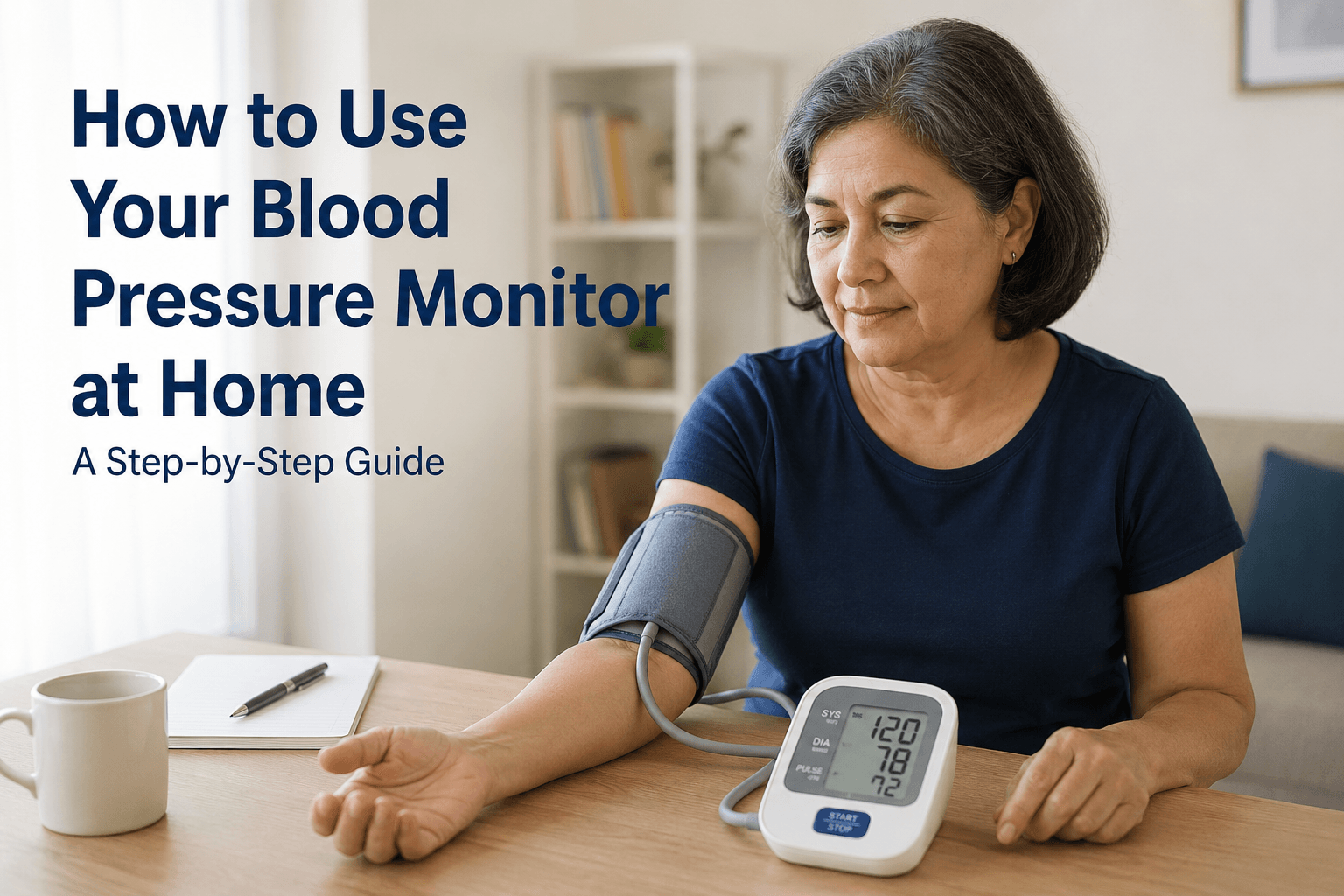
How to Use Your Blood Pressure Monitor at Home: A Step-by-Step Guide
Master the basics of home blood pressure monitoring for more accurate readings and better health tracking
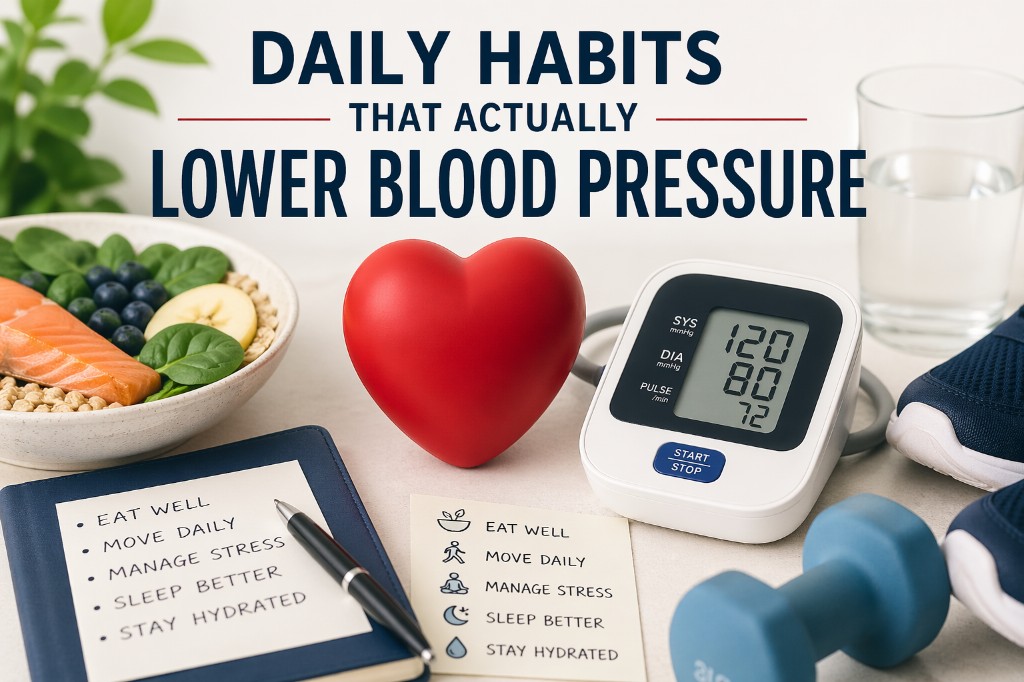
The daily habits that lower blood pressure, according to the research
We reviewed more than 30 clinical studies to find the lifestyle changes with the strongest evidence. A few are obvious; some aren't.
How to Track Blood Pressure, Pulse, and Symptoms With Atrial Fibrillation (AFib)
Atrial fibrillation, AFib symptom tracking, blood pressure monitoring, pulse tracking, heart rate, stroke symptoms, medication follow-up, and heart risk

Coronary Artery Disease: Symptoms, Risk Factors, and When to Check Your Numbers
Understanding the warning signs and taking proactive steps to protect your heart health

Low Blood Pressure at Home: How to Check Your Readings, Find Patterns, and Know When to Get Help
Home monitoring can reveal important clues about your blood pressure. Here's how to do it right and what to watch for.

After a Stroke: Questions About Recovery, Therapy, and Daily Life
A practical checklist of questions for stroke survivors and caregivers about rehab, daily activities, safety, emotions, medications, and long-term recovery

What to Ask Your Doctor About Coronary Artery Disease: A Patient Checklist
A practical checklist of questions to bring to a coronary artery disease appointment so you can understand your diagnosis, treatment options, warning signs, and next steps

Foods That Help Lower Blood Pressure: A Science-Based Guide
How dietary choices can support healthy blood pressure through nutrient-rich foods and heart-healthy eating patterns
High Cholesterol Prevention Checklist: Home Habits, Screening, and Follow-Up
Understanding which cholesterol numbers matter, how home habits can support heart health, and when screening or medication follow-up may be needed
Pulmonary Hypertension: A Plain-English Guide to Breathing Symptoms and Warning Signs
High blood pressure in the lungs can be easy to miss. Here's what to watch for and why early attention matters.

What to Monitor With Coronary Artery Disease: Chest Symptoms, Heart Rate, and Daily Function
Living with CAD means paying attention to your body every day. Here's what matters most and when to act.

Atrial Fibrillation (AFib): Symptoms, Risk Factors, and When to Check Your Numbers
Understanding the most common heart rhythm disorder and what it means for your health
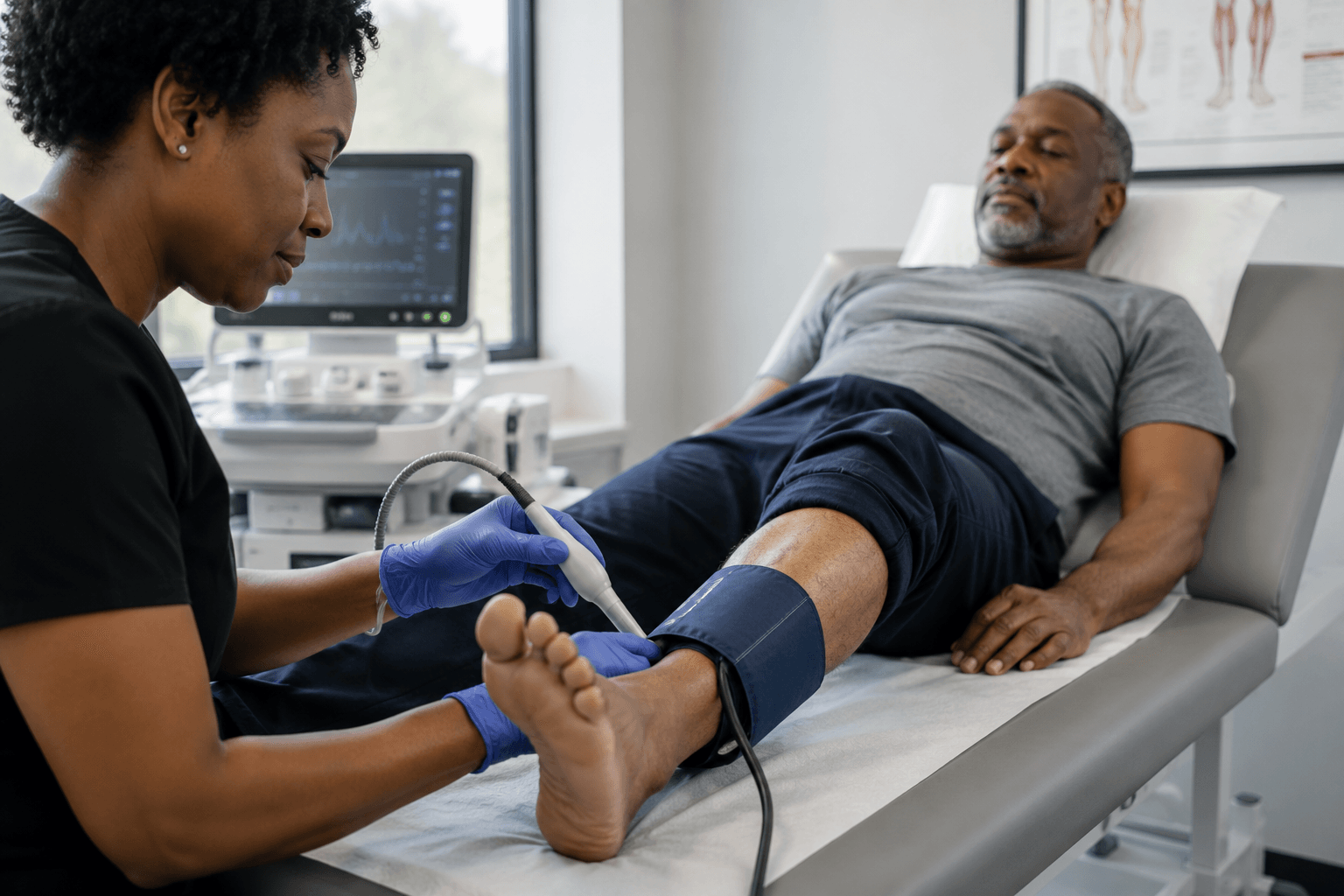
Peripheral Artery Disease (PAD) Prevention Checklist: Home Habits, Screening, and Follow-Up
A practical guide to the everyday habits, screening conversations, and follow-up steps that can help protect your arteries and keep you moving.

What to Ask Your Doctor About Peripheral Artery Disease (PAD): A Patient Checklist
A practical checklist of questions to bring to a PAD visit so you can understand symptoms, testing, treatment options, foot safety, and heart and stroke risk

Stroke Recovery and Post-Stroke Care: Symptoms, Risk Factors, and When to Check Your Numbers
Understanding recovery after stroke, which warning signs matter, and why blood pressure, cholesterol, blood sugar, and lifestyle follow-up are part of post-stroke care